Boxing

Boxing

  • The sweet science — two fighters, two fists, infinite strategy. One of the oldest and most celebrated combat sports in human history.

Stats

Oorsprong
United Kingdom
Opgericht
1719
Organisatie
World Boxing Council, World Boxing Association, International Boxing Federation, World Boxing Organization

What is Boxing?

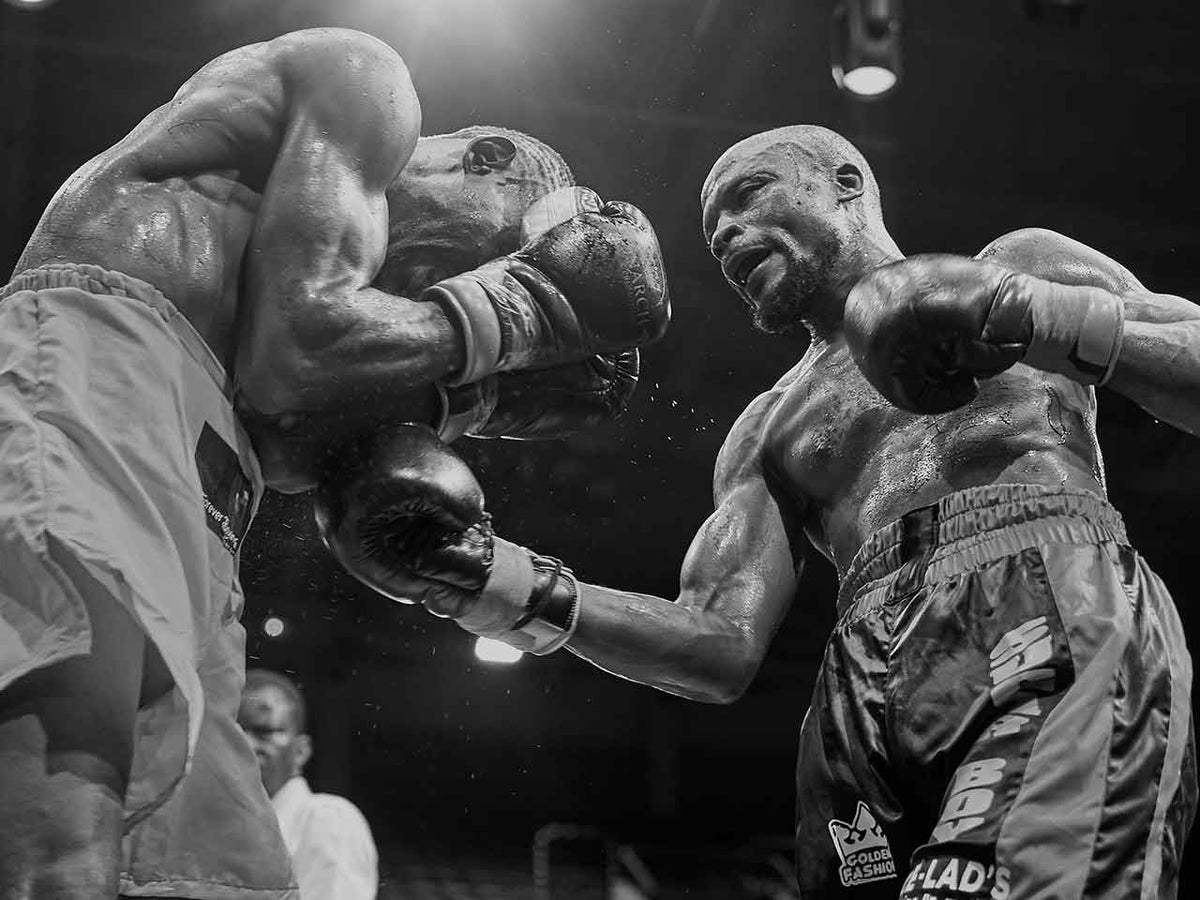
Boxing is a combat sport in which two opponents face each other in a defined ring, exchanging punches while wearing padded gloves, governed by a strict set of rules. At its core, boxing is a contest of skill, timing, movement, power and mental fortitude — often described as physical chess played at the highest intensity imaginable.

A boxer must master both attack and defence simultaneously: when to throw, when to slip, when to clinch, when to move. The sport demands extraordinary cardiovascular fitness, explosive power, precise coordination and the psychological resilience to perform under extreme pressure. It is demanding, technical and endlessly fascinating at every level from the first session in a beginner's class to the world championship stage.

Boxing is practised in over 200 countries and competed at the Olympic Games. It produces some of the most globally recognised athletes on the planet and has generated cultural moments that transcend sport entirely.

Geschiedenis

History & Origins

The origins of boxing trace back thousands of years. Depictions of fist-fighting appear in ancient Sumerian carvings dating to 3000 BC, and boxing was included in the ancient Greek Olympic Games as early as 688 BC. Greek boxers wore leather straps called himantes around their hands and forearms — the earliest known form of hand protection.

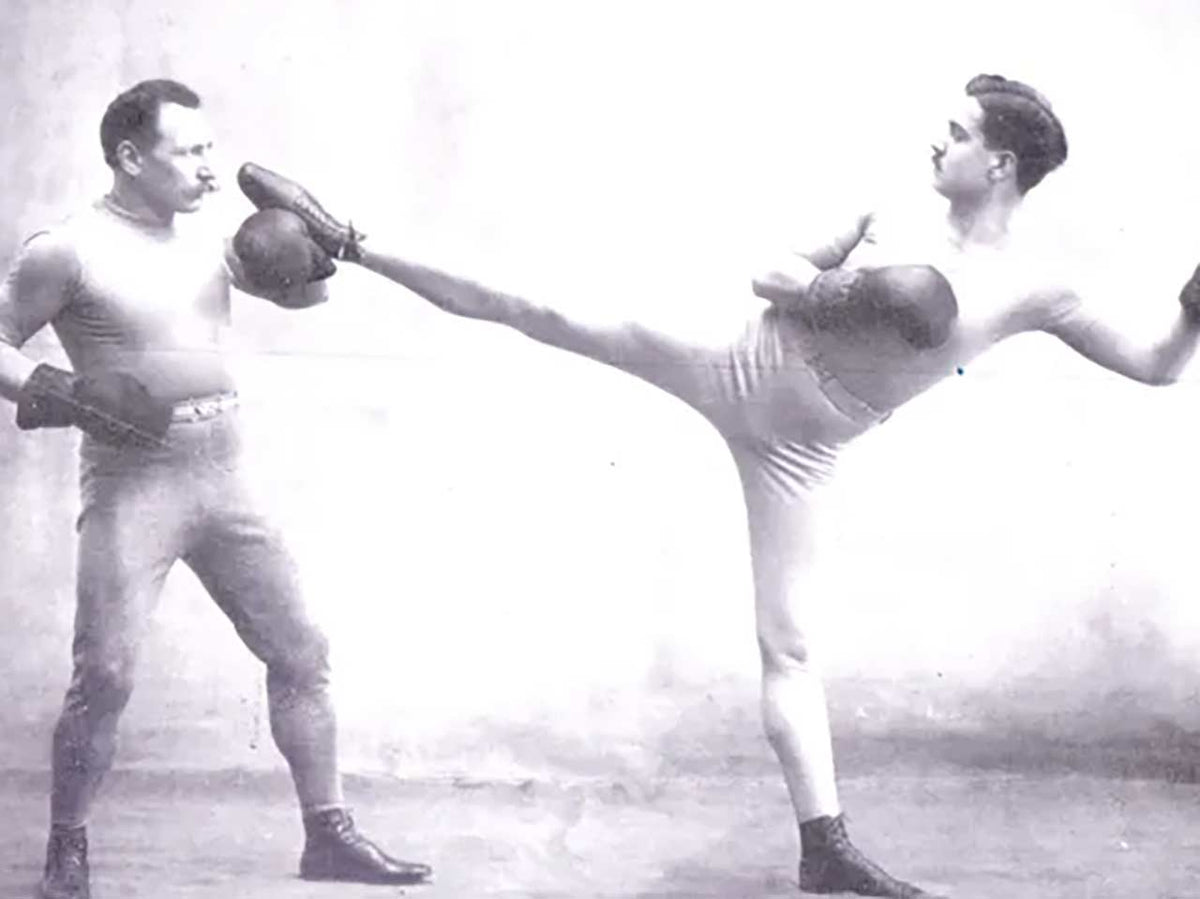
Modern boxing was born in 18th-century Britain. Bare-knuckle prize fights were a fixture of English popular culture, and James Figg — widely regarded as the first heavyweight champion — established a boxing academy in London in 1719. The Marquess of Queensberry Rules, introduced in 1867, transformed boxing into the sport we recognise today: three-minute rounds, mandatory gloves, a ten-second count and the prohibition of wrestling. From this foundation the sport spread rapidly across the British Empire and into the United States, where it would reach its greatest heights in the 20th century.

Tijdperken

Legendary Eras & Defining Moments

Muhammad Ali redefined what a heavyweight could be. His trilogy with Joe Frazier produced three of the greatest bouts ever staged. The Rumble in the Jungle in Kinshasa in 1974 — where Ali used the rope-a-dope to exhaust and KO the fearsome George Foreman — is one of the most iconic events in sporting history.

The era of the Four Kings in the 1980s produced the richest concentration of welterweight and middleweight talent the sport has ever seen. Sugar Ray Leonard, Marvin Hagler, Thomas Hearns and Roberto Durán fought each other in bouts of extraordinary drama. Hagler vs Hearns in 1985 — 'The War' — is still regarded as the greatest three rounds in boxing history.

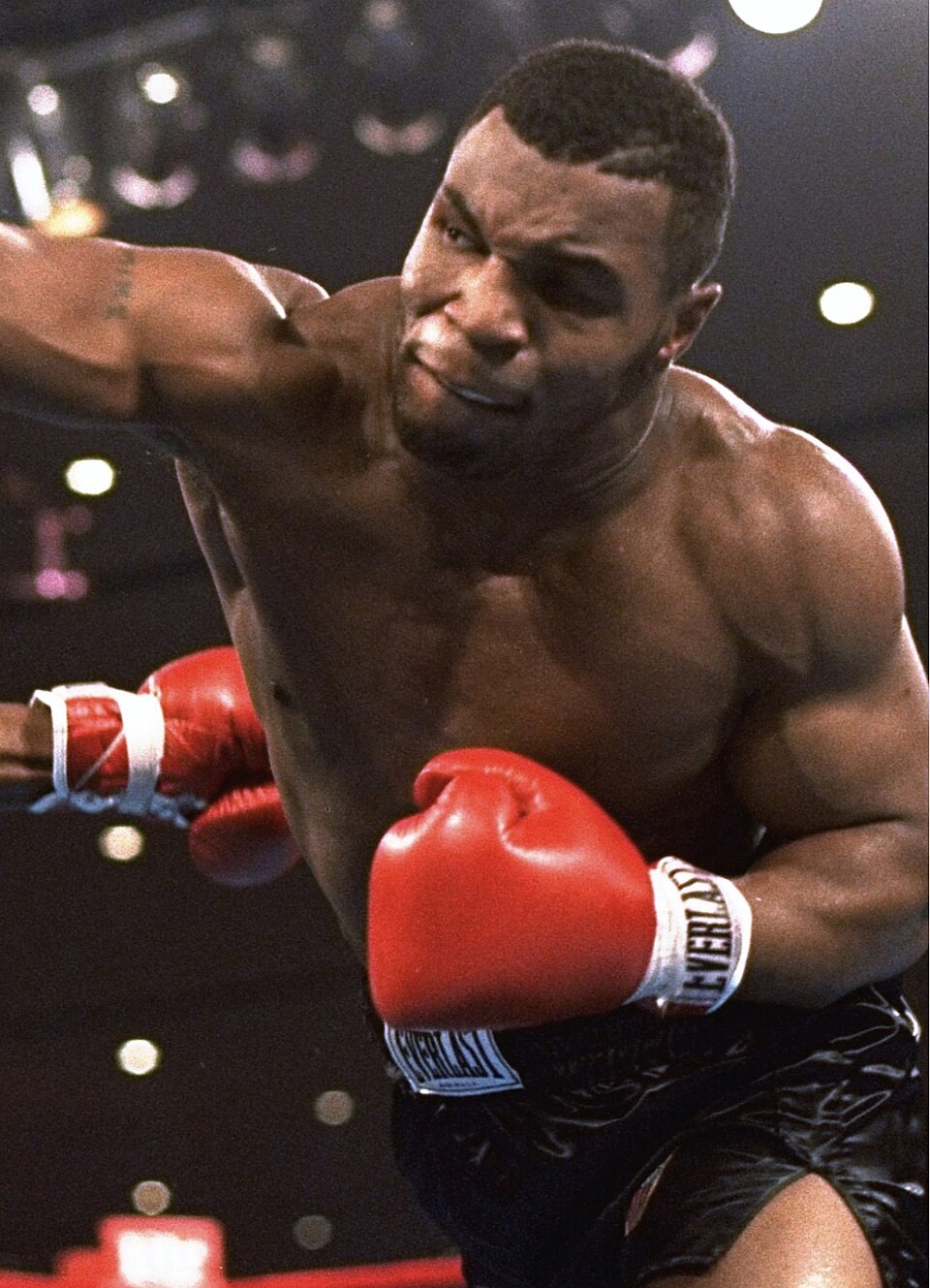
Mike Tyson became undisputed heavyweight champion at 20 years old. His shocking defeat to Buster Douglas in 1990 as a 42-to-1 favourite remains the greatest upset in boxing history. George Foreman's comeback — winning the heavyweight title at 45 in 1994 — stands as one of sport's most extraordinary stories. Floyd Mayweather retired undefeated at 50-0. Manny Pacquiao became the only eight-division world champion in history. Their 2015 Fight of the Century generated over $600 million.

Training

Training Culture & Technique

Boxing training is among the most complete physical conditioning programmes in sport. A typical session combines skipping, shadowboxing, bag work, pad work, sparring and conditioning — developing cardiovascular endurance, explosive power, speed, coordination and mental toughness simultaneously.

Technical mastery is built on four fundamental punches: the jab, cross, hook and uppercut, deployed in an infinite variety of combinations. Equally important is defensive technique: head movement, slipping, rolling, parrying, clinching and footwork. Ring generalship — controlling pace, distance and rhythm — separates good boxers from great ones.

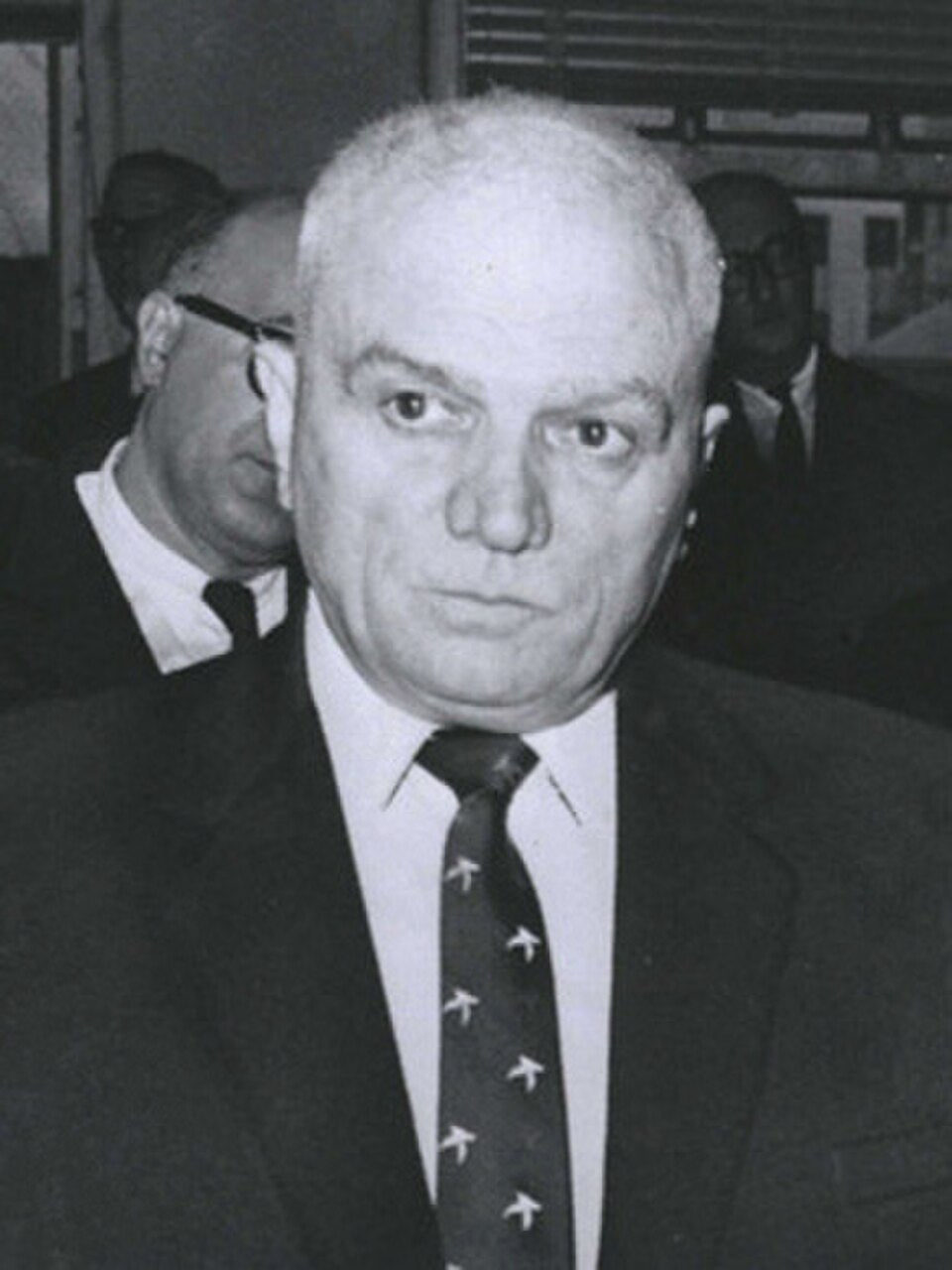
Legendary trainers like Angelo Dundee, Cus D'Amato, Emanuel Steward and Freddie Roach shaped entire generations of champions through their technical philosophies. The boxing gym has always been more than a training venue — it is a community built on discipline, respect and transformation.

Wereldwijd

Boxing Around the World

Boxing is a truly global sport with deep roots on every continent. The United States has produced more world champions than any other nation. Cuba has dominated amateur boxing for decades, winning more Olympic gold medals than any other country. Mexico has one of the most passionate boxing cultures in the world — producing legends such as Julio César Chávez, Marco Antonio Barrera and Erik Morales.

The Philippines produced Manny Pacquiao, one of the sport's all-time greats. The United Kingdom experienced a boxing renaissance in the 21st century through Anthony Joshua, Tyson Fury and Ricky Hatton. Eastern Europe — particularly Ukraine, Russia and Kazakhstan — consistently produces elite talent. The Klitschko brothers dominated heavyweight boxing for over a decade, bringing a new era of technical, athletic champions.

In Nederland

Boxing in the Netherlands

The Netherlands has a proud boxing tradition rooted in both amateur and professional competition. Dutch boxing gyms have long been centres of striking excellence — a tradition that would go on to influence Dutch kickboxing and Muay Thai to become dominant forces worldwide. The Dutch fighting philosophy — technical precision, aggressive forward pressure, exceptional conditioning — was forged in boxing gyms and carried into every striking sport the country touches.

Boxing remains one of the most popular combat sports in the Netherlands, with clubs and gyms across the country offering training at recreational and competitive levels. The Nederlandse Boksbond governs the sport nationally and oversees competitive pathways from youth level through to senior international competition.

Boxing in Film & Documentary

Boxing has inspired some of the greatest films and documentaries ever made. The sport's combination of physical drama, personal sacrifice and human storytelling makes it uniquely cinematic.

Essential Documentaries

When We Were Kings (1996) - Leon Gast's Oscar-winning documentary about the Rumble in the Jungle is widely regarded as the greatest sports documentary ever made. It captures Muhammad Ali, George Foreman and the electric atmosphere of Kinshasa with unmatched depth and beauty.

Tyson (1995) - James Toback's intimate portrait of Mike Tyson, told entirely in Tyson's own words. Raw, complicated and utterly compelling.

The Thrilla in Manila (2008) - An unflinching examination of the rivalry between Muhammad Ali and Joe Frazier, revealing the brutal personal dimension behind one of sport's greatest contests.

Champs (2015) - Profiles three heavyweight champions - Mike Tyson, Evander Holyfield and Bernard Hopkins - exploring their backgrounds, careers and lives after boxing.

Essential Films

Rocky (1976) - Sylvester Stallone's Oscar-winning underdog story remains the most iconic boxing film ever made and launched one of cinema's most enduring franchises. The Rocky and Creed series spans nine films and continues to introduce new audiences to boxing culture.

Raging Bull (1980) - Martin Scorsese's black-and-white masterpiece about Jake LaMotta is widely considered one of the greatest films ever made. Robert De Niro's transformative performance won the Academy Award for Best Actor.

Million Dollar Baby (2004) - Clint Eastwood's Academy Award-winning drama about a female boxer and her trainer. Four Oscars including Best Picture and Best Director.

The Fighter (2010) - Based on the true story of Micky Ward and his trainer brother Dicky Eklund. Christian Bale won the Academy Award for Best Supporting Actor.

Ali (2001) - Michael Mann's biopic starring Will Smith as Muhammad Ali, covering the defining decade of the champion's life from 1964 to 1974.