
Korean
FIGHTBASE
1945Tang Soo Do
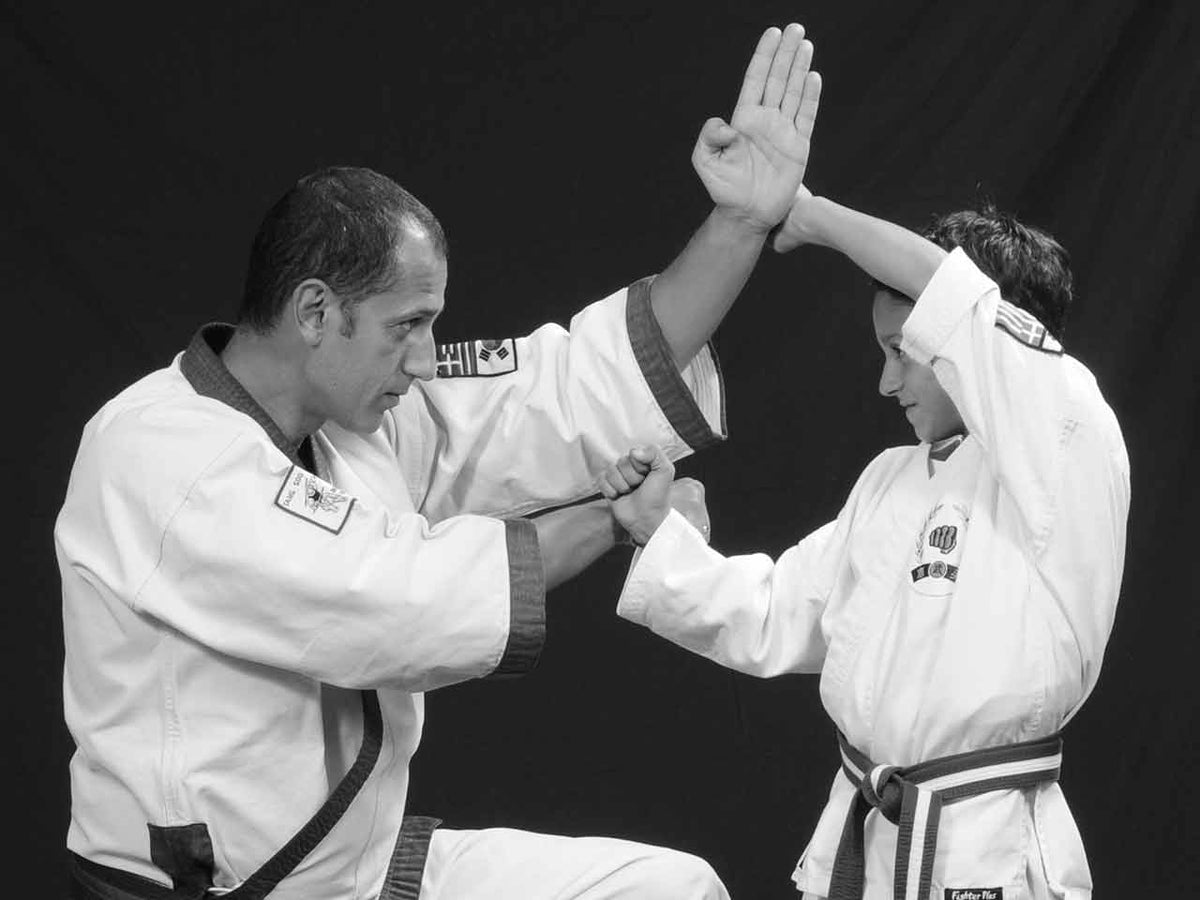
Tang Soo Do is een traditionele Koreaanse krijgskunst met invloeden uit Okinawaanse karate, Chinees vechten en Koreaanse bewegingscultuur. De stijl staat bekend om hoge en springende trappen, hyung, zelfverdediging, gecontroleerd sparren, discipline en persoonlijke ontwikkeling. De Moo Duk Kwan-lijn van Hwang Kee vormt een belangrijke bron, maar Tang Soo Do omvat meerdere hedendaagse organisaties en scholen.
- Herkomst
-
 Zuid-Korea
Ontdek verder
01. / Overzicht
Tang Soo Do
02. / Geschiedenis
03. / Ontwikkeling
04. / Training
17. / Gear
05. / Vechters
06. / Legendes
07. / Trainers
08. / Meesters
09. / Grondleggers
10. / Promotors
11. / Gyms en trainingslocaties
12. / Venues
13. / Iconische locaties
14. / Aankomende events
15. / Historische events
16. / Organisaties
18. / Meer over deze sport
Overzicht
Trainers
Geschiedenis
Ontwikkeling
Training
FIGHT2WIN GEAR
Bekijk alle vechtsportuitrusting
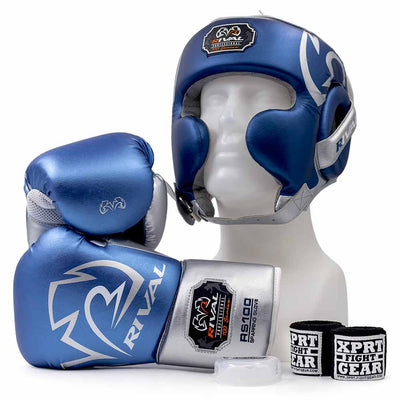
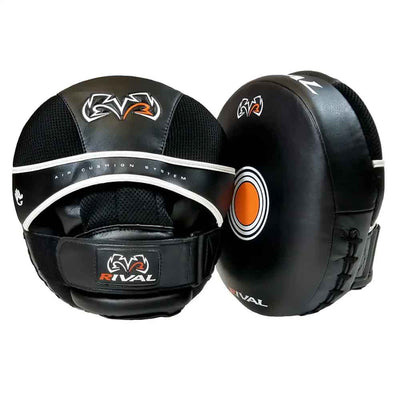
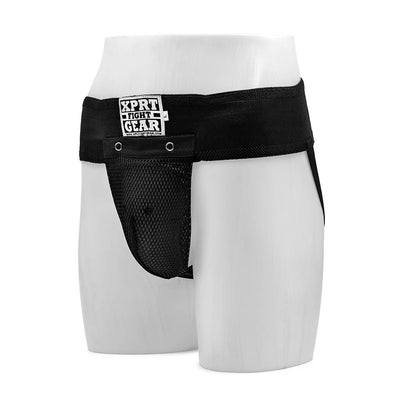
Gear
Vechters
Laden...
De gegevens konden niet worden geladen.
Geen resultaten gevonden voor deze sport.
Legendes
Laden...
De gegevens konden niet worden geladen.
Geen resultaten gevonden voor deze sport.
Trainers
Laden...
De gegevens konden niet worden geladen.
Geen resultaten gevonden voor deze sport.
Meesters
Laden...
De gegevens konden niet worden geladen.
Geen resultaten gevonden voor deze sport.
Grondleggers
Laden...
De gegevens konden niet worden geladen.
Geen resultaten gevonden voor deze sport.
Promotors
Laden...
De gegevens konden niet worden geladen.
Geen resultaten gevonden voor deze sport.
Gyms en trainingslocaties
Laden...
De gegevens konden niet worden geladen.
Geen resultaten gevonden voor deze sport.
Venues
Laden...
De gegevens konden niet worden geladen.
Geen resultaten gevonden voor deze sport.
Iconische locaties
Laden...
De gegevens konden niet worden geladen.
Geen resultaten gevonden voor deze sport.
Aankomende events
Laden...
De gegevens konden niet worden geladen.
Geen resultaten gevonden voor deze sport.
Historische events
Laden...
De gegevens konden niet worden geladen.
Geen resultaten gevonden voor deze sport.
Organisaties
Laden...
De gegevens konden niet worden geladen.
Geen resultaten gevonden voor deze sport.
Meer over deze sport
Geen resultaten gevonden voor deze sport.
FightBase verbeteren Zie je een fout?
Mis je informatie of klopt er iets niet? Stuur ons een correctie of aanvulling.