Krav Maga
Stats
- Oorsprong
- Israel
- Opgericht
- 1948
- Organisatie
- International Krav Maga Federation
Krav Maga is an Israeli self-defence and combat system developed for real-world survival situations. Created by Imrich 'Imi' Lichtenfeld and adopted by the Israel Defense Forces (IDF), Krav Maga is built on instinctive movements, practical techniques and aggressive counter-attacking. It has no forms, no rules and no sporting competition - only the single goal of getting home safe. Widely taught to military, law enforcement and civilians worldwide, Krav Maga is the most operationally proven self-defence system in the world.
Geschiedenis
Imi Lichtenfeld - From the Streets of Bratislava to the IDF
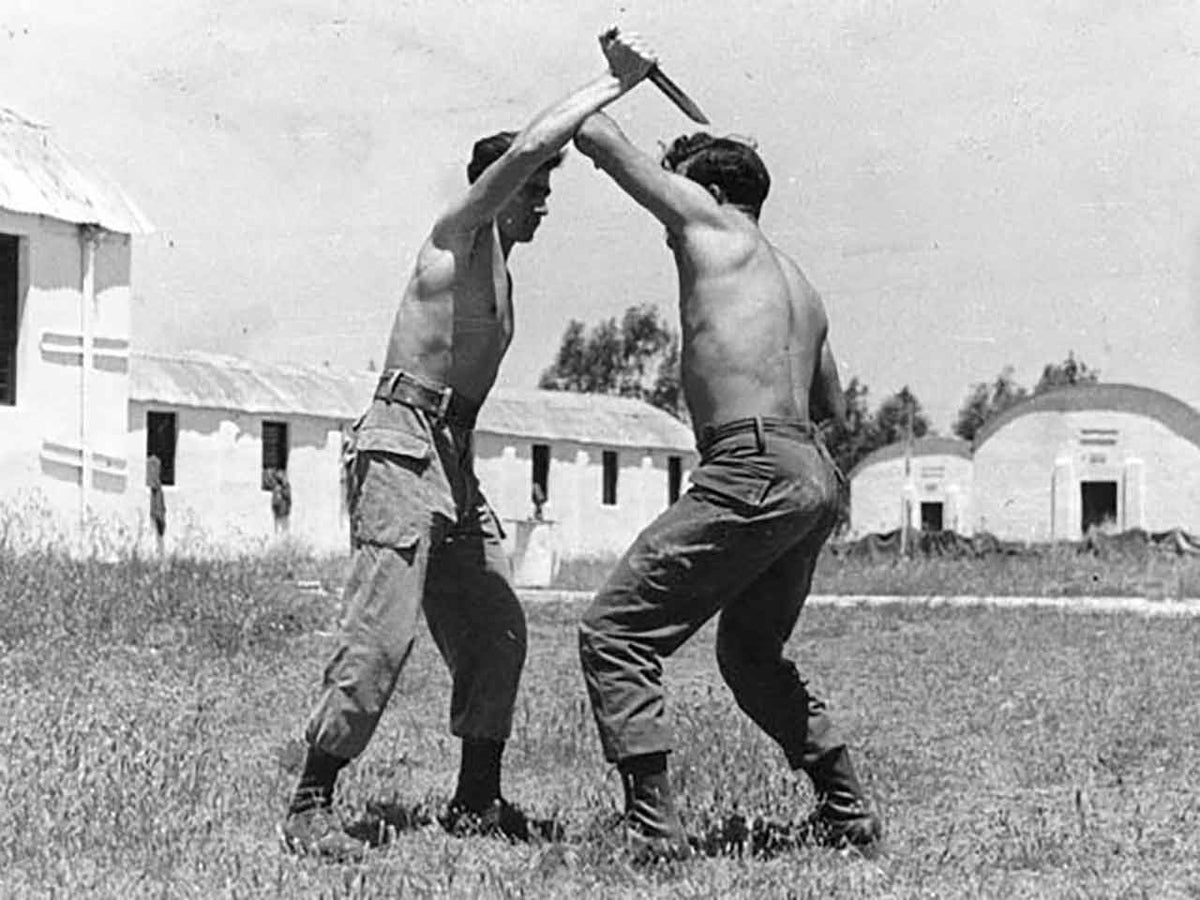
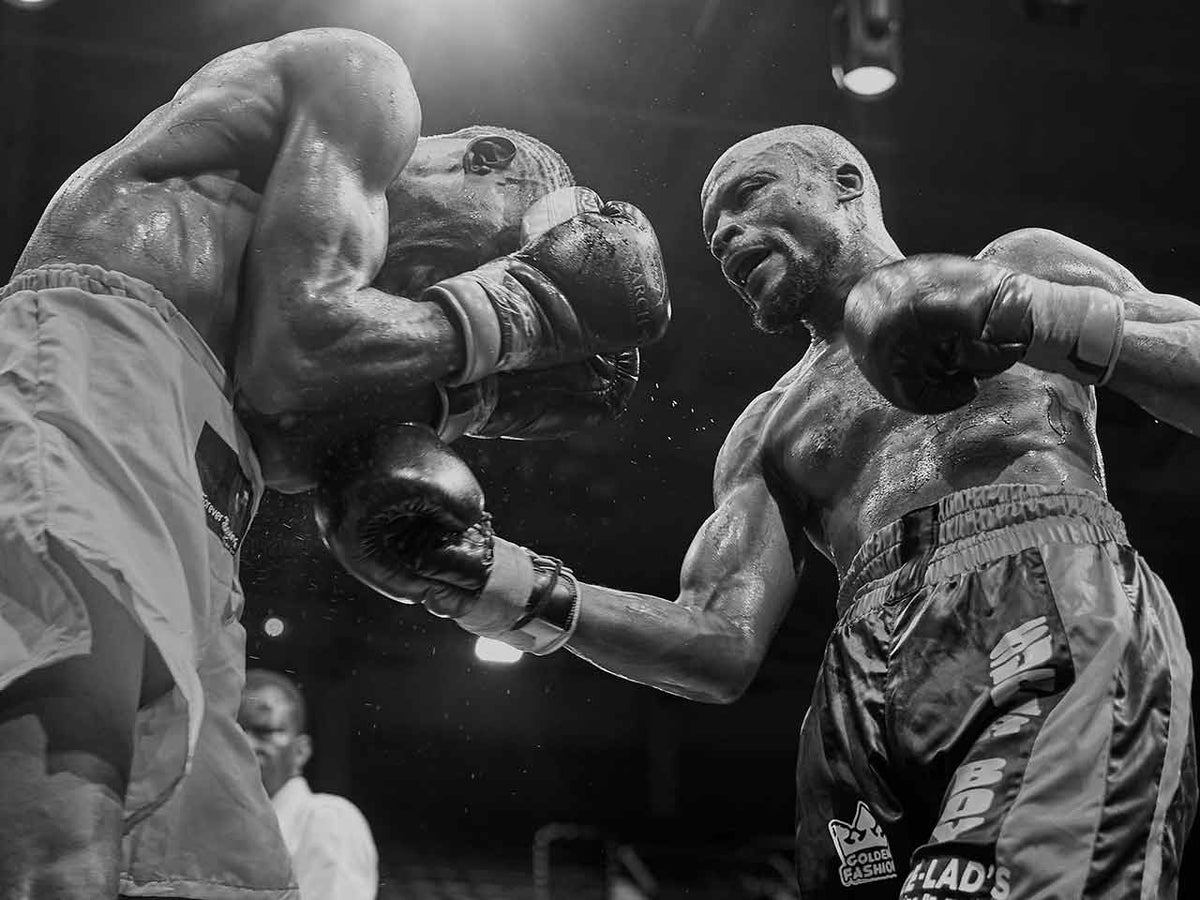
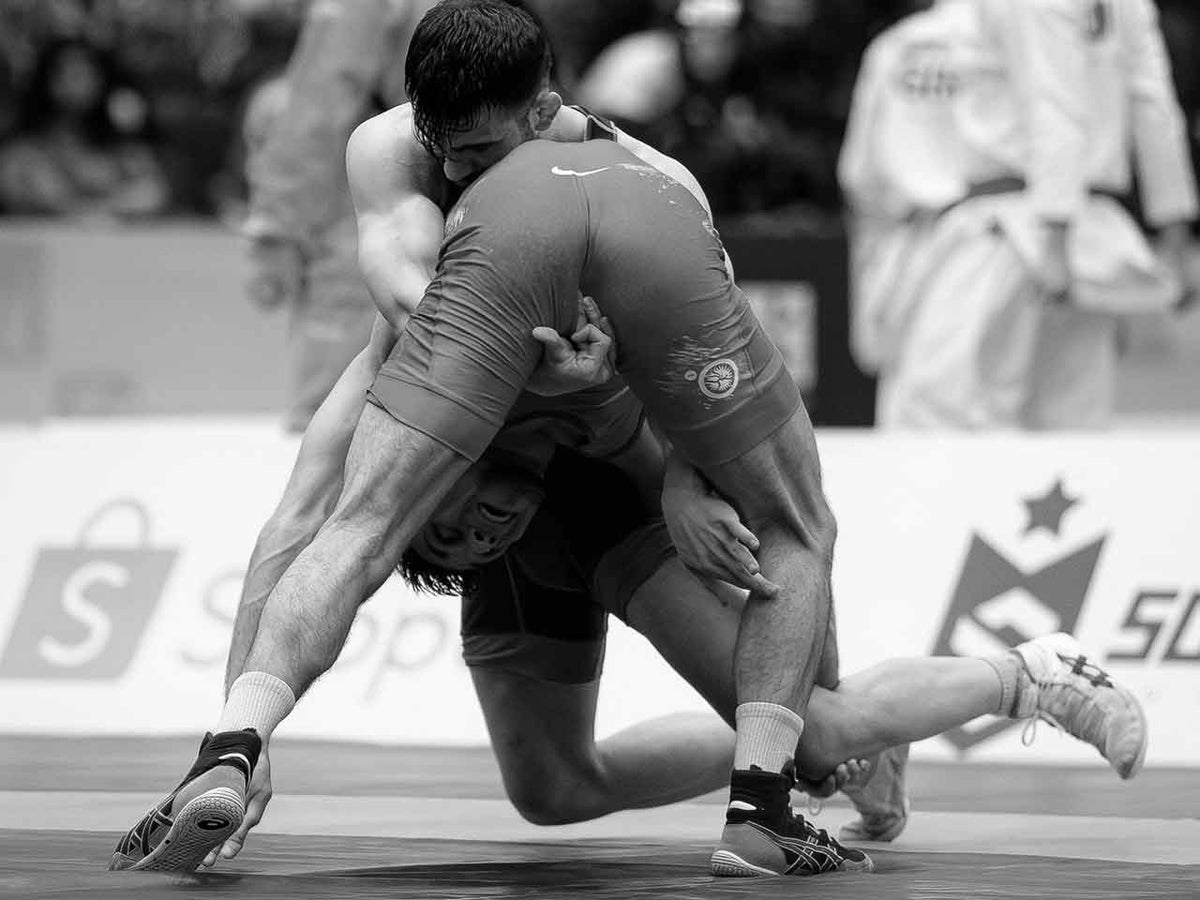
Imrich 'Imi' Lichtenfeld was born in Budapest in 1910 and grew up in Bratislava, Czechoslovakia. A champion wrestler and boxer, he began developing a practical street-fighting system in the late 1930s to defend the Jewish community of Bratislava against fascist gangs and anti-Semitic violence. He quickly learned that sport fighting and street survival demanded completely different approaches - sport has rules, the street does not.
After emigrating to what would become Israel in 1948, Lichtenfeld joined the Haganah (forerunner of the IDF) and was asked to develop a practical combat system for Israeli soldiers. He refined his street-tested techniques into a systematic curriculum, emphasising speed, aggression and simplicity. The system was adopted by the IDF and became known as Krav Maga - Hebrew for 'contact combat'.
Core Principles
Krav Maga is built on a small set of ruthlessly practical principles: neutralise the threat as quickly as possible; attack vulnerable targets (eyes, throat, groin, knees); use instinctive body mechanics rather than complex techniques that break down under stress; transition immediately from defence to counter-attack; and train under realistic stress conditions to simulate real confrontations.
Unlike traditional martial arts, Krav Maga has no sporting competition, no Kata, no belt ceremonies and no philosophical framework beyond effective self-preservation. Techniques are stripped to their functional minimum and drilled under fatigue, darkness, confined spaces and multiple-attacker scenarios.
Global Expansion and Civilian Krav Maga
In the 1980s, Lichtenfeld began teaching Krav Maga to civilians and authorised the system's spread internationally. Today, multiple organisations teach Krav Maga globally - including the IKMF (International Krav Maga Federation), Krav Maga Global (KMG), the Krav Maga Association of America and numerous Israeli-certified schools. Standards and curriculum vary between organisations, so instructor lineage and certification is important when choosing a school.
Civilian Krav Maga focuses on awareness, de-escalation, common attack defences (grabs, chokes, weapon threats) and practical striking. Military and law enforcement versions include weapons retention, arrest techniques and lethal-force options not taught in civilian programmes.
Training
Training in Krav Maga
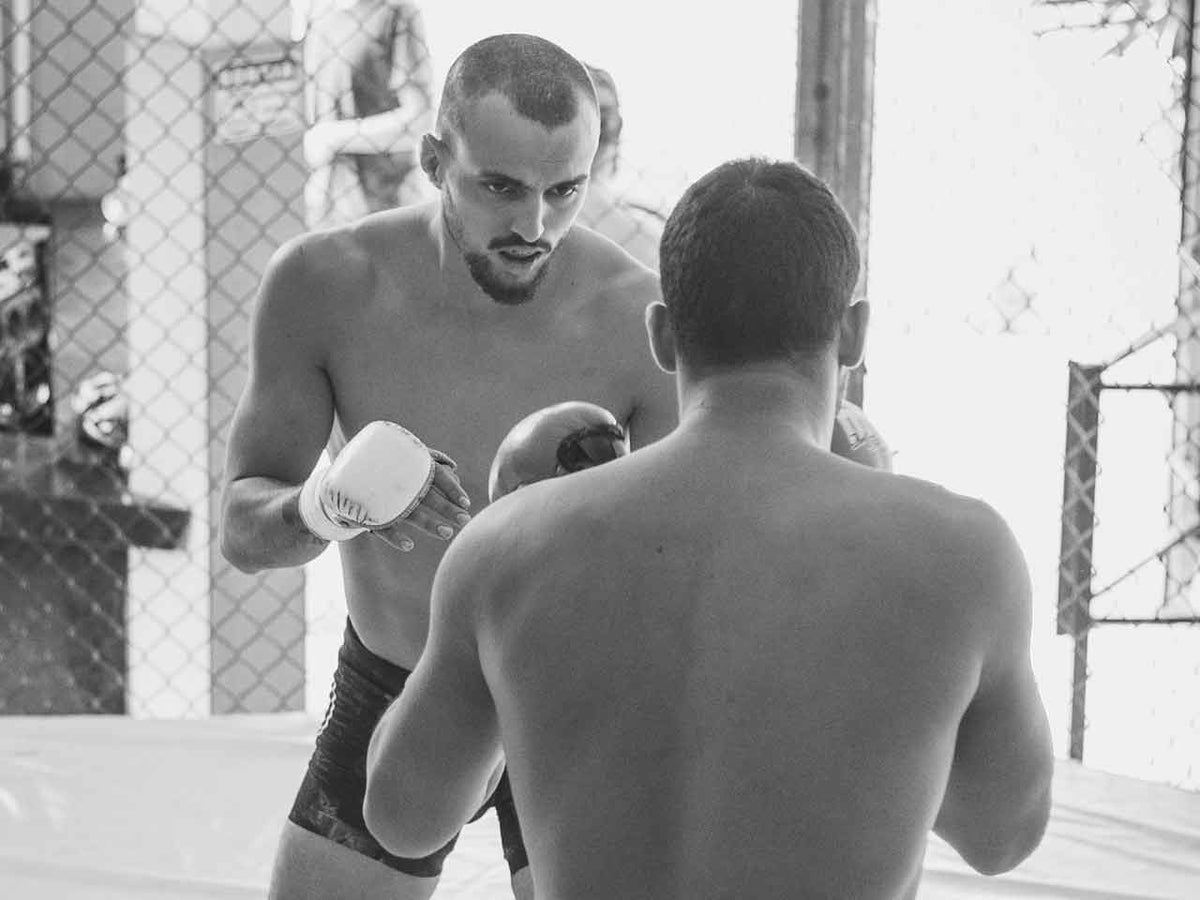
Krav Maga training is practical, scenario-based and stress-inoculated. Classes cover: basic strikes (palm heel, hammer fist, elbow, knee, groin kick), defences against common attacks (grabs, chokes, bear hugs, headlocks), weapon defences (knife, gun, stick), ground survival and multiple attacker awareness.
Stress drills are a defining feature - students perform techniques while exhausted, disoriented or in low light to simulate the adrenaline and cognitive impairment of a real attack. This stress inoculation separates Krav Maga from purely technical systems and is central to its effectiveness.
There is no universal grading system across all organisations, but most civilian schools use a belt or level system (P1-P5 in IKMF, for example) to structure curriculum progression. Instructor certification requires extensive training, testing and often direct evaluation by senior Israeli-certified instructors.
Aankomende events
Wordt geladen...
Historische events
Wordt geladen...
Gear & Uitrusting
Krav Maga Gear Guide
Training clothes: Comfortable athletic wear or military-style clothing. Many schools train in street clothes to simulate realistic scenarios. No traditional gi required.
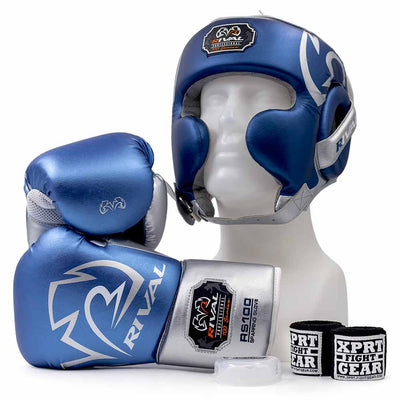
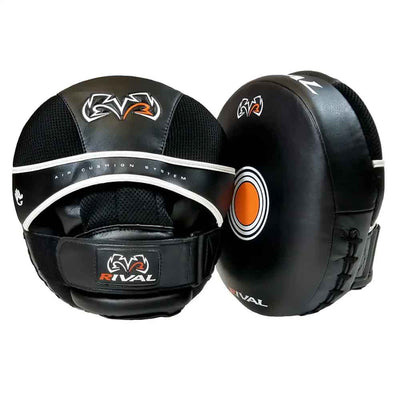
Boxing gloves and hand wraps: Used for striking drills on pads and bags. 10-16oz gloves depending on training intensity.
Mouthguard: Essential for sparring and scenario-based training.
Groin guard: Required for full-contact and scenario training - groin strikes are a standard Krav Maga technique.
Head guard: Used in sparring phases of advanced training.
Rubber training weapons: Inert knives, guns and sticks used for weapons defence scenario drilling - essential for realistic threat simulation without injury risk.