Lethwei, ook bekend als Birmeens boksen, is een full-contact vechtsport uit Myanmar. De sport gebruikt stoten, trappen, knieën, ellebogen en kopstoten, waardoor Lethwei bekendstaat als de 'Art of Nine Limbs'. Traditionele wedstrijden worden met minimale handbescherming gevochten en hebben een eigen regelsysteem rond knock-outs, gelijkspel en herstelpauzes.
Lethwei, ook geschreven als Let Whay en vaak vertaald als Birmaans boksen, is een full-contact vechtsport uit Myanmar. De sport gebruikt vuisten, ellebogen, knieën en voeten, maar staat ook kopstoten toe. Daardoor wordt Lethwei de 'Art of Nine Limbs' genoemd: twee vuisten, twee ellebogen, twee knieën, twee voeten en het hoofd.
Traditionele Lethwei-wedstrijden worden met tape en gaas om de handen gevochten, zonder bokshandschoenen. Het klassieke regelsysteem kent geen puntenbeslissing: als beide vechters na de wedstrijd nog overeind staan, kan de uitslag een gelijkspel zijn. Moderne toernooien en promoties gebruiken soms juryleden en een aangepaste puntentelling.
Lethwei is niet simpelweg Muay Thai zonder handschoenen. De sporten delen veel striking- en clinchtechnieken, maar de kopstoot, het traditionele knock-outformat en de culturele achtergrond geven Lethwei een eigen identiteit.
Lethwei maakt deel uit van thaing, een verzamelnaam voor traditionele krijgskunsten uit Myanmar waartoe ook bando, banshay, naban en Shan-systemen worden gerekend. Onderzoekers verbinden de oudste vormen van thaing met het Pagan- of Baganrijk, vanaf ongeveer de twaalfde eeuw. Afbeeldingen op tempels en pagodes worden soms gezien als aanwijzingen voor een veel oudere traditie van gevecht en worstelen.
Historisch vonden wedstrijden plaats tijdens feesten, religieuze vieringen en aan hoven. Deelnemers vochten in zandkuilen, met handen omwikkeld met hennep of gaas. Er waren geen vaste rondes of punten zoals in veel moderne sporten: de wedstrijd ging door tot een vechter werd uitgeschakeld of niet verder kon. Winnaars konden in hun gemeenschap een heldenstatus krijgen.
Lethwei wordt in het bijzonder verbonden met de Karen-bevolking en de deelstaat Kayin, maar de sport wordt in verschillende delen van Myanmar beoefend. Tijdens de Britse koloniale periode werd de traditie onderdrukt. Later werd zij opnieuw georganiseerd, onder meer door de inspanningen van Kyar Ba Nyein.
Modernisering en internationale groei
Kyar Ba Nyein, die deelnam aan het boksen tijdens de Olympische Spelen van 1952, hielp moderne regels en trainingsvormen voor Lethwei ontwikkelen. Hij reisde door Myanmar en bracht vechters uit onder meer de Mon- en Karenregio naar grotere steden zoals Mandalay en Yangon.
De Myanmar Traditional Lethwei Federation introduceerde in 1996 een toernooireglement voor de Golden Belt Championship. In de jaren daarna kwamen internationale wedstrijden en promoties op gang. World Lethwei Championship bracht evenementen internationaal in beeld en de Canadese vechter Dave Leduc werd de eerste niet-Birmese winnaar van de Lethwei Golden Belt.
Lethwei kreeg in 2019 extra internationale zichtbaarheid door een live-uitzending van WLC op UFC Fight Pass. De sport blijft echter sterk verbonden met Myanmar en de regels, veiligheidseisen en juridische status verschillen per land en promotie.
Traditionele en moderne regels
De traditionele regels worden vaak yoe yar-regels genoemd, naar Myanma yoe yar Letway, oftewel traditioneel Myanmarees boksen. Deze vorm staat bekend om het ontbreken van punten en om de nadruk op een beslissende knock-out of technische knock-out. Als geen van beide vechters wordt uitgeschakeld, eindigt de partij doorgaans onbeslist.
In 1996 werden voor toernooien juryleden toegevoegd. Daardoor kan een wedstrijd die de volledige afstand duurt toch een winnaar krijgen. Juryleden kunnen onder meer letten op agressie, toegebrachte schade, effectieve treffers en het effect van aanvallen. De precieze regels en knock-downlimieten hangen af van de organisatie.
Een traditioneel gevecht kan een speciale herstelpauze van twee minuten toestaan nadat een knock-out of blessure is opgetreden. Iedere vechter kan die mogelijkheid doorgaans eenmaal gebruiken en de pauze telt mee in de regels. Toernooiregels kunnen deze pauze juist uitsluiten.
Golden Belt
De traditionele Lethwei Golden Belt geldt als een van de meest prestigieuze onderscheidingen in de sport. Er wordt onderscheid gemaakt tussen de Golden Belt als titel voor een gewichtsklasse en een jaarlijks toernooi dat met een puntensysteem kan werken. De openweight-kampioen wordt vaak gezien als de sterkste vechter van Myanmar, maar dat is een eretitel binnen de sport en geen universele ranglijst.
Technieken en terminologie
De belangrijkste techniekgroepen zijn kopstoten, stoten, ellebogen, trappen, knieën en voetstoten. In internationale uitleg worden hiervoor soms Birmese termen en verschillende fonetische schrijfwijzen gebruikt. Die spellingen zijn niet één universele uitspraakstandaard.
Kopstoten, gowl tite - onder meer voorwaartse, opwaartse, zijwaartse, clinch- en vliegende kopstoten.
Stoten, let thee - jab, cross, hoek, uppercut, overhand, backfist en spinning backfist.
Elleboogstoten, tel daung - horizontaal, opwaarts, neerwaarts, vliegend en draaiend.
Trappen, kan - roundhouse, low kicks, side kicks, hook kicks, axe kicks en draaiende trappen.
Voetstoten - push kicks om afstand te controleren, aanvallen te stoppen of balans te verstoren.
Veel van deze bewegingen komen ook voor in andere Aziatische vechtsporten. Het onderscheid zit niet in één losse techniek, maar in de combinatie van regels, tactiek, trainingsmethode en culturele context.
Wedstrijdregels
Een wedstrijd kan afhankelijk van de promotie drie, vier of vijf rondes duren. Een veelgebruikt format bestaat uit rondes van drie minuten met twee minuten rust. Titelgevechten worden vaak over vijf rondes gepland. De officiële regels van de organiserende bond of promotie zijn altijd leidend.
Traditioneel format
Toegestaan zijn stoten, ellebogen, knieën, trappen, kopstoten, clinchen, sweeps en takedowns voor zover het specifieke reglement dat bepaalt. Vechters dragen bij een traditioneel bare-knuckle format geen bokshandschoenen, maar tape en gaas. Een bitje en tok blijven belangrijke bescherming.
Een knock-out ontstaat wanneer een vechter niet binnen de voorgeschreven telling kan opstaan of zich niet kan verdedigen. Een technische knock-out kan volgen na opgave, een ernstige blessure of een medische beslissing. De scheidsrechter kan een partij stoppen wanneer een vechter zwaar wordt geraakt of duidelijk niet meer verantwoord kan doorgaan.
Toernooiregels
Bij het toernooireglement van de Golden Belt werden juryleden toegevoegd en de speciale herstelpauze verwijderd. Wanneer er geen knock-out valt, kunnen juryleden een winnaar aanwijzen op basis van onder meer agressie, schade en effectieve treffers. Ook bestaan er grenzen voor knock-downs per ronde en per gevecht. Deze regels zijn niet automatisch van toepassing op iedere traditionele partij.
Gewichtsklassen
Lethwei-promoties gebruiken niet allemaal dezelfde gewichtsklassen. Een voorbeeld van een veelgebruikte indeling loopt van light flyweight tot cruiserweight, met bovengrenzen die ongeveer van 48 tot 83 kilogram gaan. De beschikbare categorieën kunnen bovendien verschillen voor mannen en vrouwen.
Light flyweight - tot ongeveer 48 kg, in de aangeleverde indeling voor vrouwen.
Flyweight tot featherweight - ongeveer 51 tot 57 kg.
Lightweight en light welterweight - ongeveer 60 tot 63,5 kg.
Welterweight tot middleweight - ongeveer 67 tot 75 kg.
Super middleweight en cruiserweight - ongeveer 79 tot 83 kg.
Controleer voor iedere wedstrijd de officiële weging en de klasse van de organiserende partij. Een gewichtslimiet is geen universele Lethwei-standaard.
Bekende Lethwei-beoefenaars
Tot de namen die in de geschiedenis en moderne ontwikkeling van Lethwei worden genoemd behoren Kyar Ba Nyein, Pyi Taw Pyan, Bala Sein, Phyu Gyi, Kyaung Thar, Moe Kyoe, Tway Ma Shaung, Tun Tun Min, Too Too, Saw Nga Man, Lone Chaw, Shwe Sai, Soe Lin Oo, Cyrus Washington en Wan Chai.
Dave Leduc werd internationaal bekend als een niet-Birmese kampioen en hielp de sport buiten Myanmar onder de aandacht te brengen. Zijn titelgeschiedenis en de betekenis van een kampioenschap hangen af van de betreffende promotie en het gebruikte reglement.
Traditie en identiteit
Lethwei is meer dan een lijst toegestane technieken. De sport is verbonden met Myanmar, lokale festivals, de Karen-gemeenschap en de geschiedenis van thaing. De stijl mag internationaal worden beoefend, maar die verspreiding hoort niet los te worden gezien van de mensen en gemeenschappen die de traditie hebben gedragen.
03. / Ontwikkeling
Ontwikkeling
De negen wapens
Lethwei gebruikt het hele staande lichaam als wapen. Naast stoten, trappen, knieën en ellebogen zijn kopstoten toegestaan. Ook clinchen, sweeps, worpen en takedowns kunnen binnen het wedstrijdreglement voorkomen. De precieze toepassing, toegestane targets en scheidsrechterlijke interpretatie verschillen per organisatie.
Internationale ontwikkeling
De eerste grote internationale evenementen met buitenlandse vechters vonden in 2001 en 2004 in Yangon plaats. In 2004 werd de Japanner Akitoshi Tamura de eerste buitenlandse vechter die in een officieel gevecht een Myanmarese Lethwei-vechter versloeg. Later trokken onder meer de rivaliteit tussen Cyrus Washington en Tun Tun Min en de titelgevechten van Dave Leduc internationale aandacht.
Promoties zoals World Lethwei Championship en International Lethwei Federation Japan hielpen de sport buiten Myanmar zichtbaar te maken. Tegelijk blijft internationale sanctionering lastig door de combinatie van bare-knuckle gevecht, kopstoten, zware knock-outregels en verschillen in nationale wetgeving.
Lethwei in populaire cultuur
De sport is te zien in de documentaireserie Born Warriors en in de Netflix-serie FightWorld. Ook podcasts, internationale wedstrijdverslagen en manga, waaronder Kengan Ashura, hebben Lethwei bij een groter publiek bekendgemaakt. Fictie kan de sport dramatiseren, dus een film- of stripfiguur is geen betrouwbare uitleg van de echte regels.
Lethwei in Nederland
Lethwei heeft in Nederland een zeer beperkte zichtbaarheid als zelfstandige wedstrijdsport. Er zijn veel Nederlandse kickboks- en Muay Thai-scholen, maar dat betekent niet automatisch dat zij traditionele Lethwei-regels, kopstoottraining of bare-knuckle wedstrijden aanbieden.
Wie de fysieke basis wil trainen, komt in Nederland eerder uit bij een goede Muay Thai-, Muay Boran-, boks- of MMA-school. Daar kunnen stoten, trappen, knieën, ellebogen, clinchwerk en conditie worden ontwikkeld binnen de regels en bescherming van die sport. Kopstoten en bare-knuckle gevechten horen niet vanzelfsprekend bij een Nederlandse training.
Nederlandse vechters die volgens Lethwei-regels willen uitkomen, zijn aangewezen op een geschikte buitenlandse organisatie en een juridisch en medisch verantwoord evenement. Controleer vóór vertrek de actuele regelgeving, verzekering, medische keuring, matchmaking, handwikkels en wedstrijdregels. De aanwezigheid van een buitenlandse Lethwei-promotie betekent niet dat de sport in Nederland zelf legaal of regulier wordt georganiseerd.
Een school kiezen
Vraag een sportschool precies welke onderdelen worden getraind en onder welk reglement. Zoek een trainer die hersenletsel, herstel en bescherming serieus neemt. Een school die vooral 'hardheid' verkoopt maar geen duidelijke medische of veiligheidsafspraken heeft, is geen goede voorbereiding op welke full-contact sport dan ook.
04. / Training
Training
Trainen in Lethwei
Lethwei-training heeft raakvlakken met Muay Thai en boksen: hardlopen, touwtje springen, schaduwboksen, pads, zaktraining, clinchen, voetenwerk, conditie en gecontroleerd sparren. De kopstoot verandert de afstand en de houding in de clinch, maar hoort in training alleen onder deskundige begeleiding en met duidelijke veiligheidsafspraken thuis.
Een veilige opbouw begint met techniek en controle. In moderne sportscholen wordt voor de meeste trainingen met bokshandschoenen, scheenbeschermers en andere bescherming gewerkt. Bare-knuckle werk, kopstootdrills en harde conditionering zijn geen beginnersonderdelen en mogen niet worden gebruikt om roekeloos incasseren aan te moedigen.
De traditionele reputatie van Lethwei draait om moed, druk zetten en doorgaan onder zware omstandigheden. Dat betekent niet dat een goede training pijn of hersenschudding als bewijs van karakter accepteert. Medische begeleiding, herstel, bescherming en eerlijke matchmaking zijn essentieel in een sport met dit contactniveau.
De uitrusting hangt af van het verschil tussen training, sparren en een officieel gevecht. Traditionele wedstrijden gebruiken tape en gaas om de handen, terwijl moderne trainingen meestal met bokshandschoenen en aanvullende bescherming worden uitgevoerd.
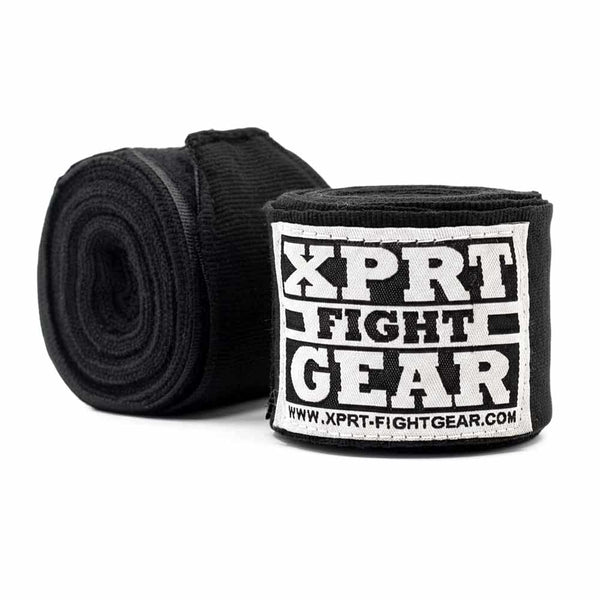
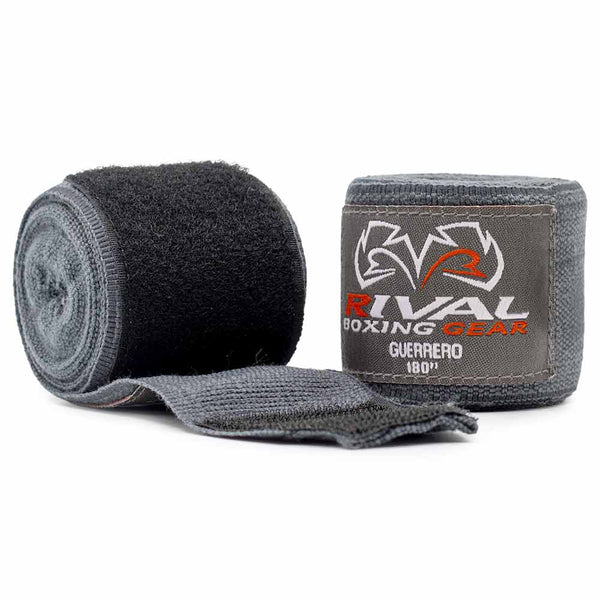
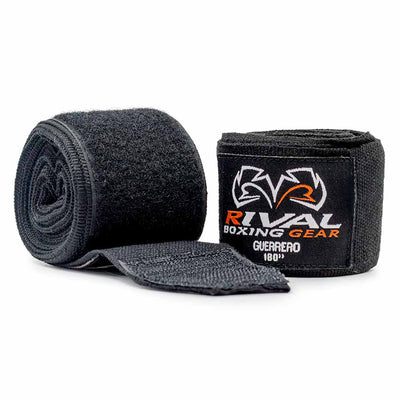
Handwraps - katoen voor training; traditioneel tape en gaas bij een bare-knuckle format.
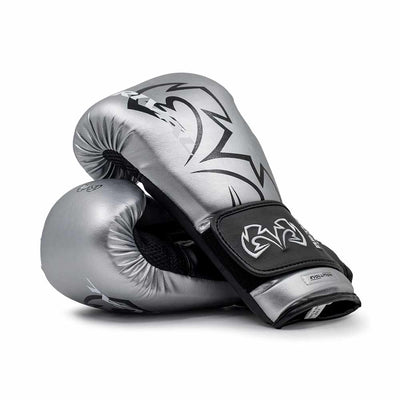
Handschoenen - bokshandschoenen voor pads, zakwerk en sparren wanneer de sportschool dat voorschrijft.
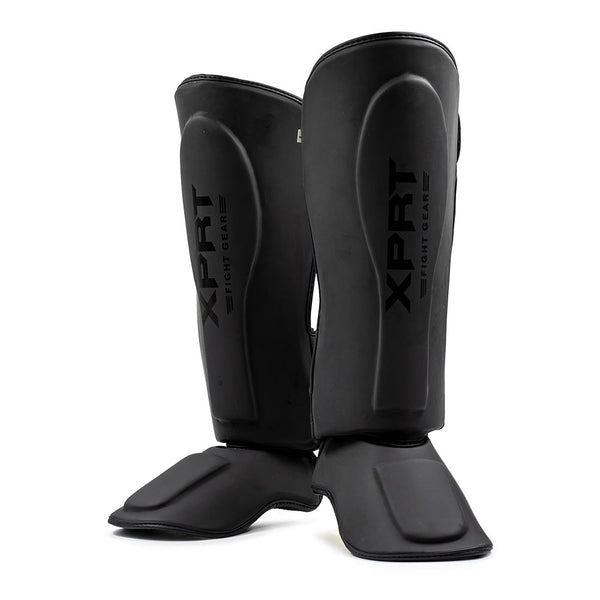
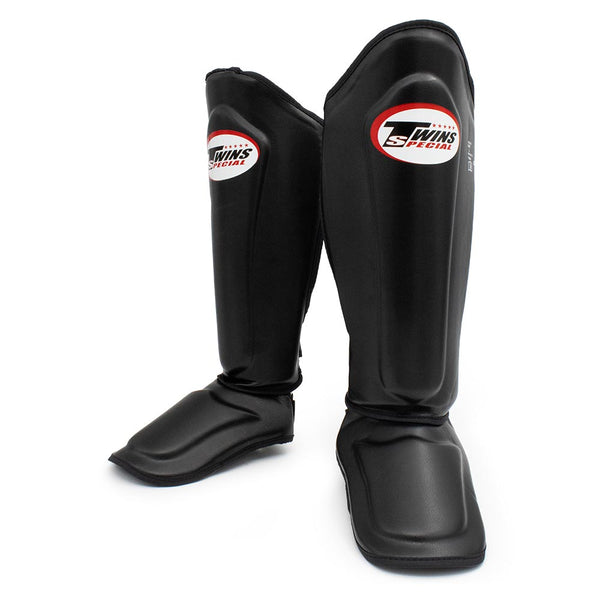
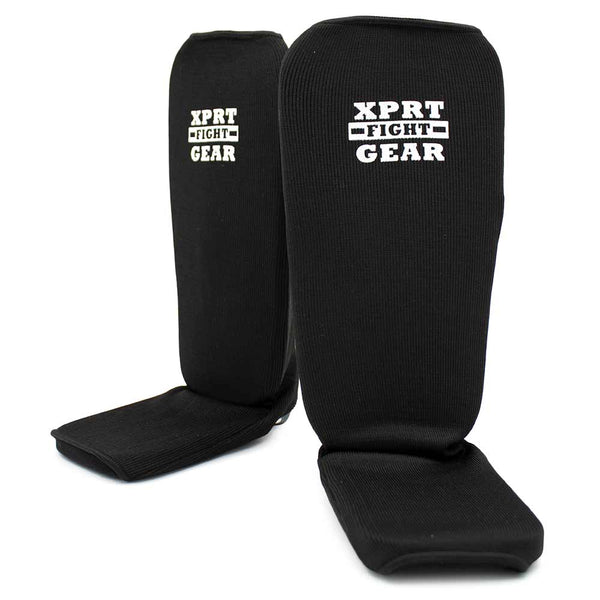
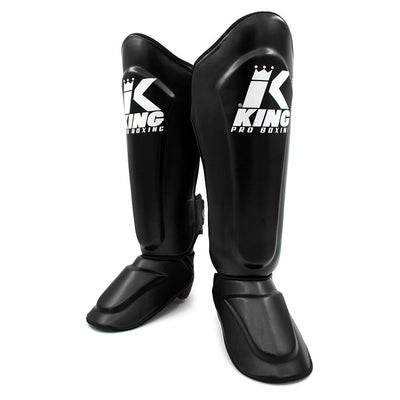
Scheenbeschermers - voor traptraining en gecontroleerd sparren.
Hoofdbescherming - belangrijk bij technisch sparren, met extra aandacht voor de risico's van contact rond het hoofd.
Bitje en tok - basisbescherming voor contacttraining en wedstrijden.
Shorts - lichte vechtsportshorts waarin clinchen, knieën en trappen vrij kunnen worden uitgevoerd.
Bij traditionele wedstrijdregels dragen vechters doorgaans alleen shorts, geen shirt of schoenen, naast de voorgeschreven bescherming. Handwikkels worden vóór de wedstrijd door officials gecontroleerd. De uitrusting van een evenement moet altijd leidend zijn.

 Myanmar