Wushu

Wushu

Stats

Oorsprong
China
Opgericht
1949
Organisatie
International Wushu Federation

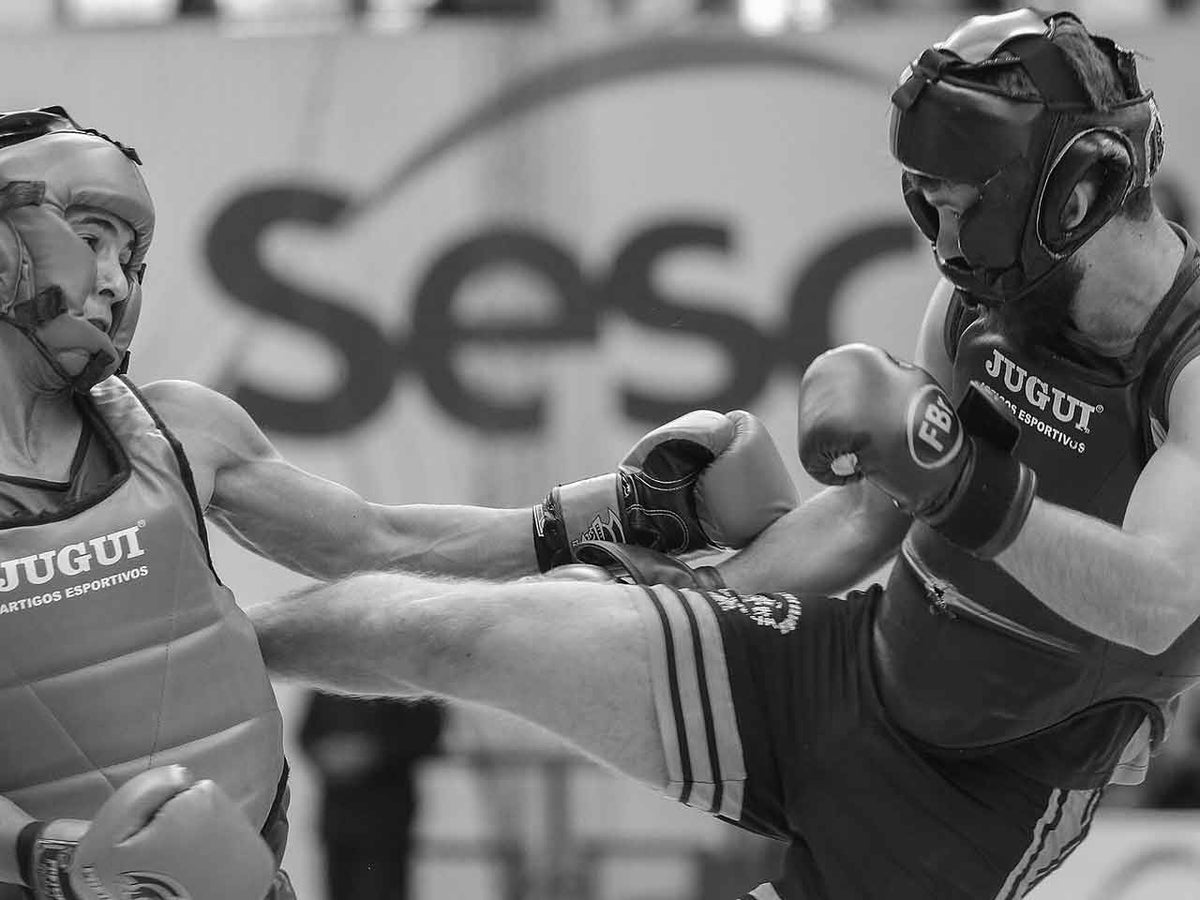
Wushu is the modern standardised form of Chinese martial arts, developed by the People's Republic of China from 1949 onward as both a competitive sport and a performance art. Drawing from the vast traditions of traditional Kung Fu, Wushu exists in two competitive disciplines: Taolu (forms - judged on technical execution, athleticism and artistry) and Sanda (full-contact fighting). Governed internationally by the IWUF and recognised by the IOC, Wushu is one of Asia's most widely practised competitive martial arts and has been a fixture of the Asian Games since 1990.

Geschiedenis

From Kung Fu to Modern Wushu

After the founding of the People's Republic of China in 1949, the government sought to systematise China's vast and diverse martial arts traditions into a unified national sport. Traditional Kung Fu styles - with their regional variations, secret transmissions and sometimes superstitious elements - were studied, standardised and codified into Wushu: a modern, athletic, scientifically structured discipline suitable for mass education and international competition.

The National Wushu Association was founded in 1953, and the first National Wushu Championship was held in Tianjin in 1953. Compulsory routines were developed for the major styles, creating a common competitive framework across the country. By the 1970s, Chinese Wushu teams were touring the world, stunning audiences with their acrobatic power and precision - including a landmark tour of the United States in 1974 that helped spark the global martial arts boom.

Taolu - The Art of Forms

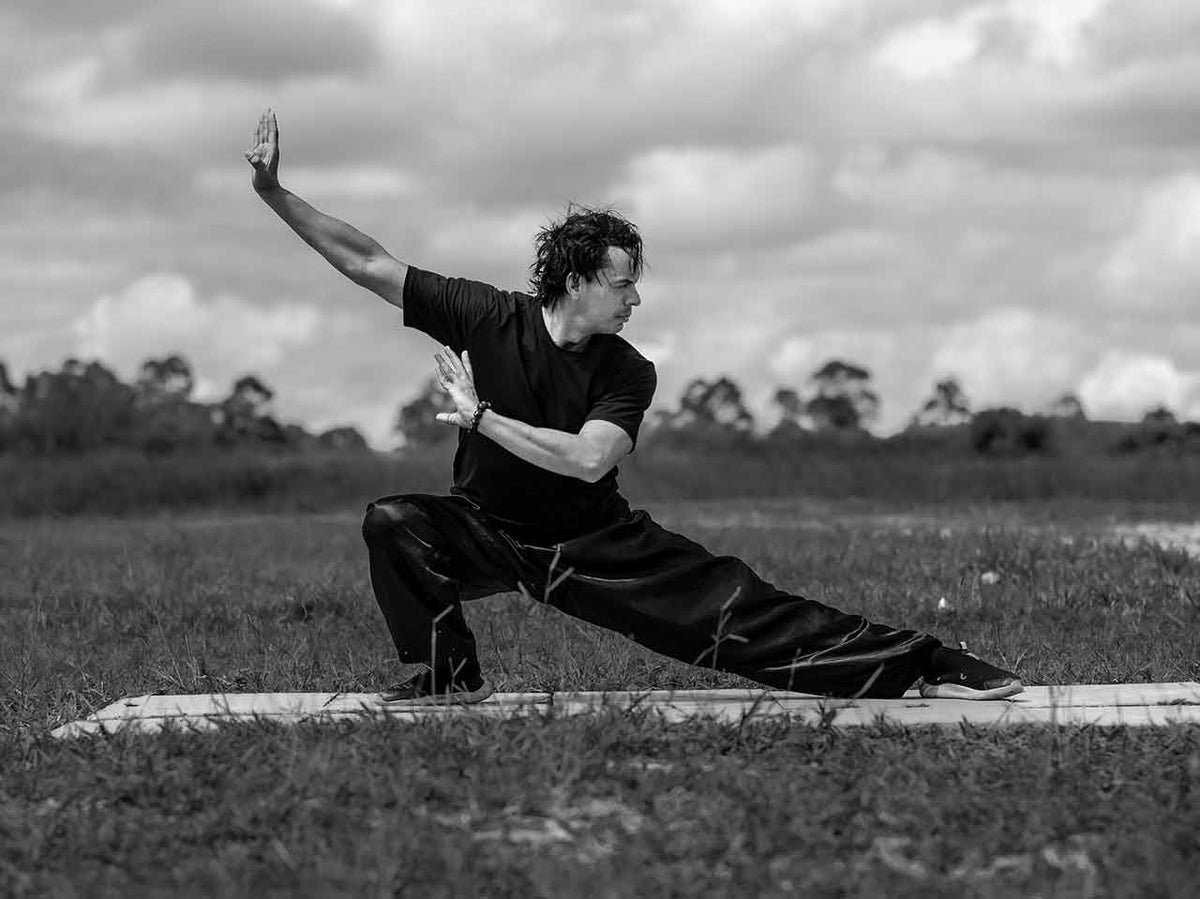
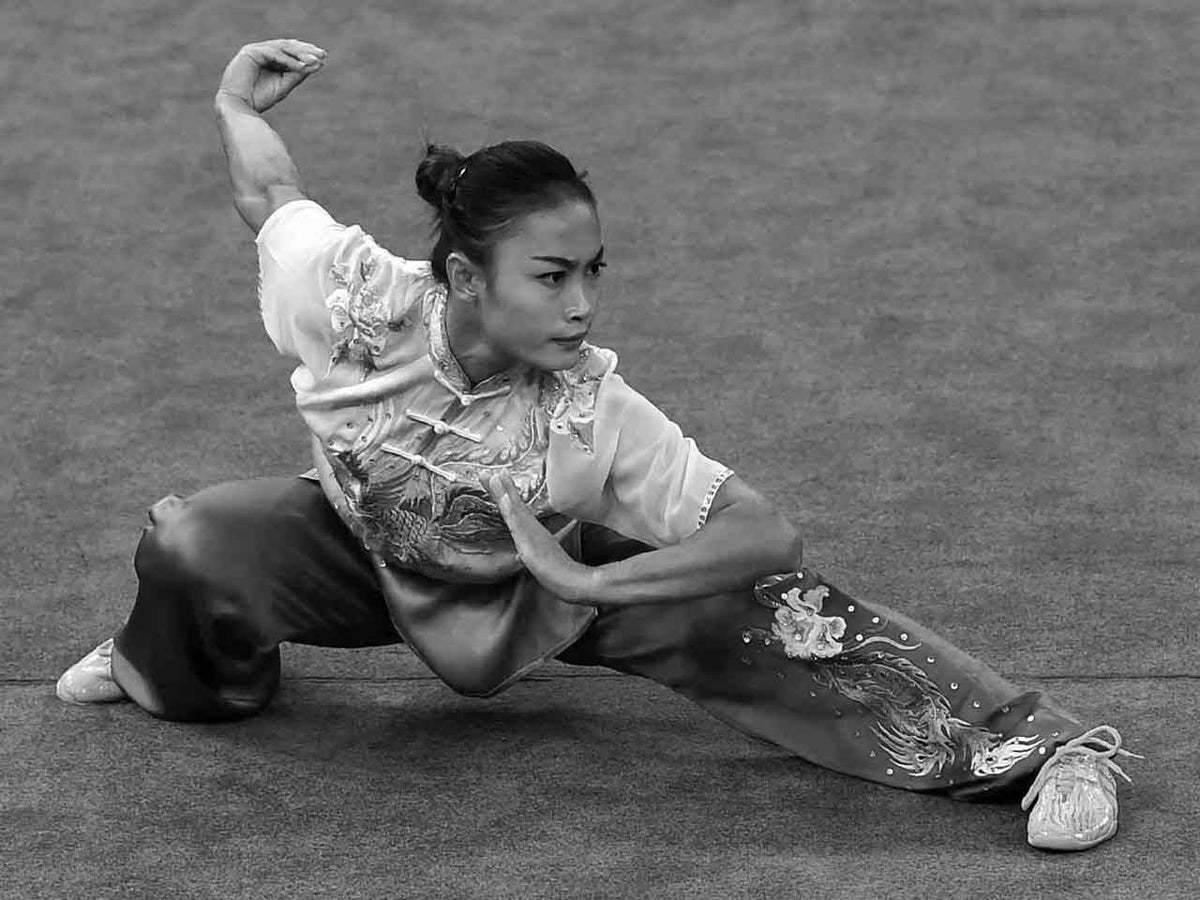
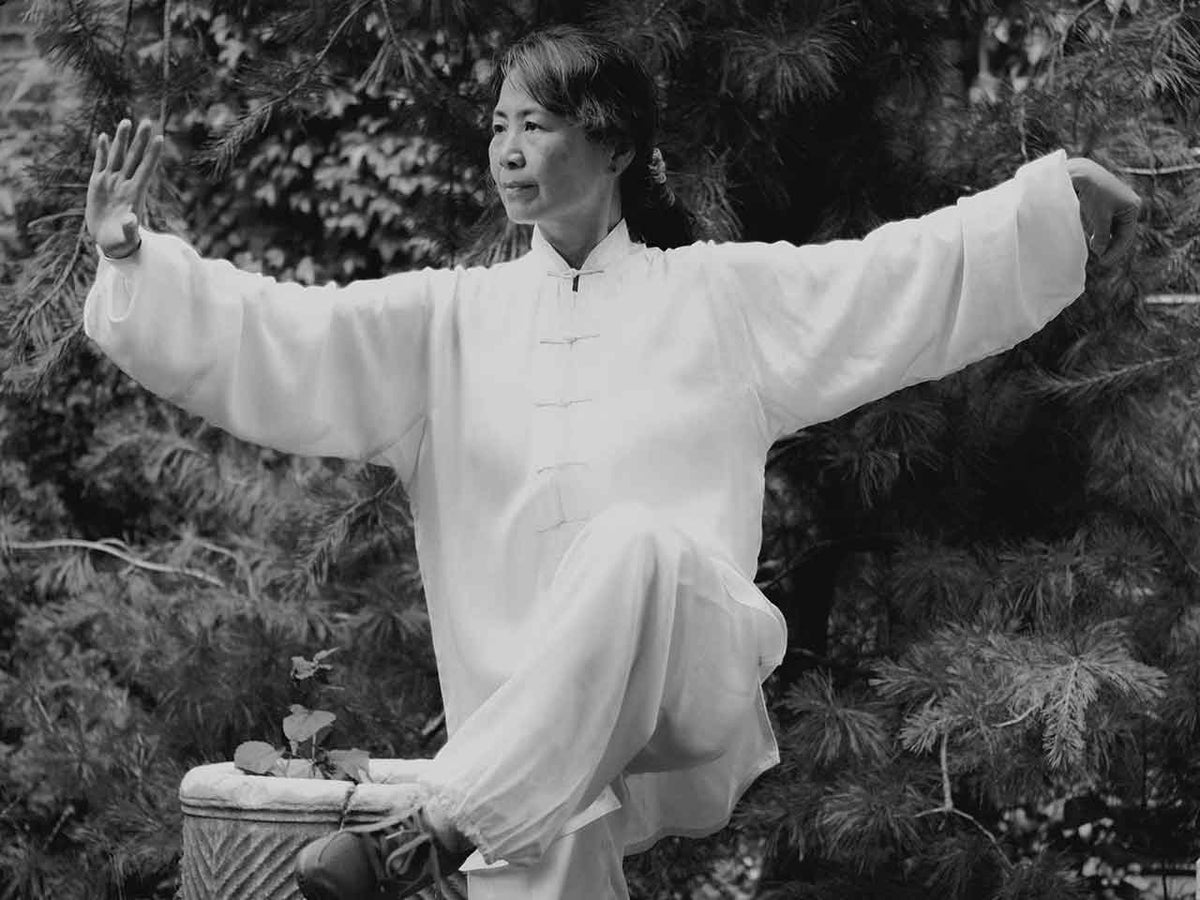
Taolu competition judges athletes on pre-arranged routines (forms) performed solo, in pairs or in groups. Routines are evaluated on difficulty, technical execution, athleticism, rhythm and martial spirit. The major Taolu disciplines include: Changquan (Long Fist - fast, explosive Northern-style), Nanquan (Southern Fist - powerful, rooted stances), Taijiquan (Tai Chi - flowing internal art), and traditional weapon forms including staff (gun), sword (jian), broadsword (dao) and spear (qiang).

Elite Taolu athletes combine the power of a gymnast, the precision of a dancer and the martial intention of a fighter. International Wushu Championship Taolu competition is one of the most technically demanding performances in all of combat sports.

Olympic Ambitions

Wushu has been a demonstration sport at multiple Olympic Games - most notably at Beijing 2008, where a dedicated Wushu tournament ran alongside the Olympics. Despite IOC recognition and over 150 member nations, Wushu has not yet achieved full Olympic status, which remains the IWUF's primary long-term goal. It has been a fixture of the Asian Games since 1990 and the Southeast Asian Games since 1979.

Training

Training in Wushu

Wushu training in the Chinese national sports school system begins in childhood, often at age 5-8. Daily training covers: basic kicks (ceti, waibaitan, liti), stances (mabu, gongbu, pubu), jumps and acrobatics (xuanzi, xiao fanshen), weapon handling, and full competitive routines. The athleticism required at elite level - full splits, tornado kicks, aerial flips - demands years of childhood conditioning.

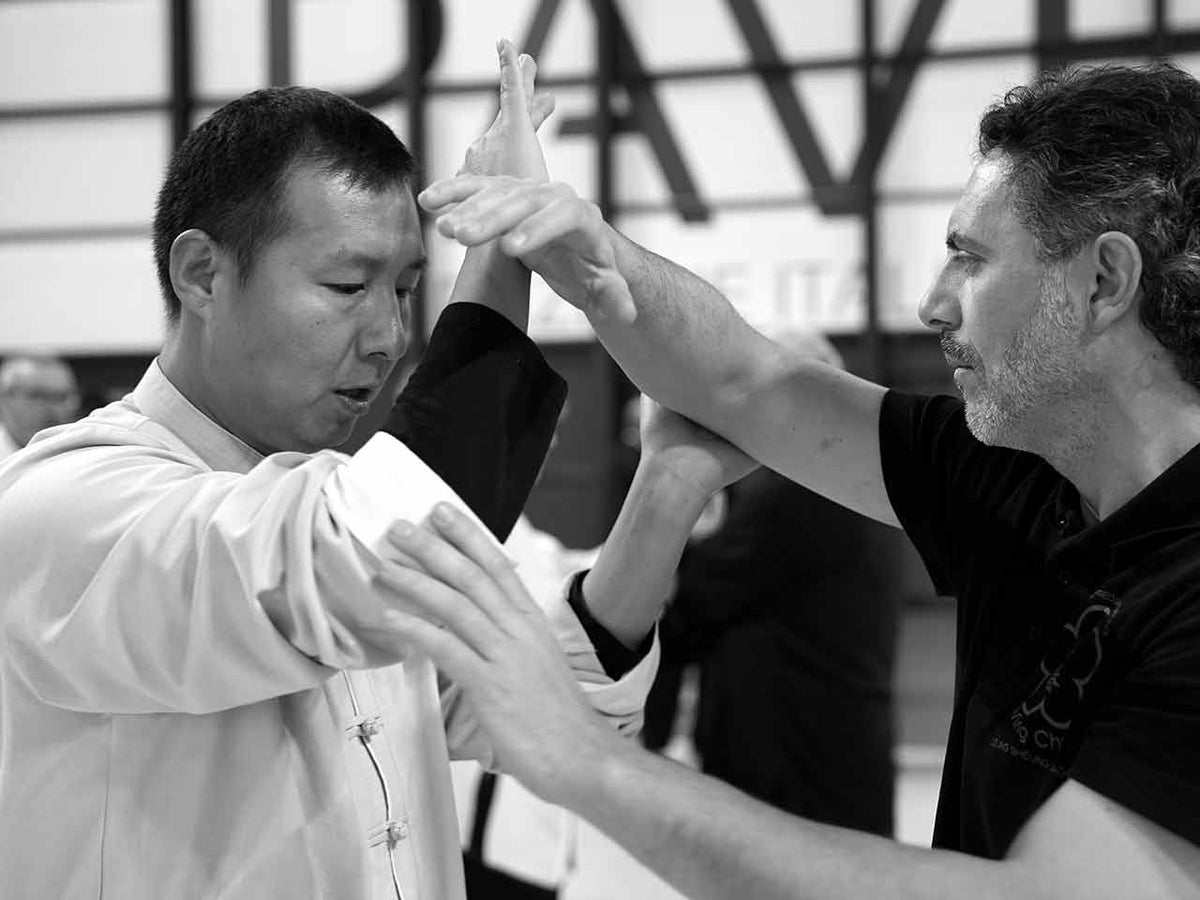
For adult practitioners outside the Chinese sports school system, Wushu is typically learned through traditional Kung Fu schools that teach standardised Wushu alongside traditional forms. Sanda training (the competitive fighting component) follows a more conventional combat sports structure - bag work, pad work, sparring and competition preparation.