Ninjutsu, or “the art of concealment,” is a Japanese martial art developed by inhabitants of the mountainous regions of the former provinces of Iga (now Mie) and Koka (in Shiga), based on their knowledge of hunting and fighting techniques. Ninjitsu is a common misspelling. “Jitsu” means “truth” and has little to do with the subject in this context. Ninjutsu was developed in response to the samurai, Japan’s nearly all-powerful warrior class, who were only accountable to their lord, the shogun. Practitioners of ninjutsu were called ninja. However, most ninjas were samurai themselves.
Origins of Ninjutsu
Ninjutsu originated sometime between the 12th and 15th centuries. Special ninjutsu techniques include remaining hidden, evading detection, laying false trails, and gathering information. Practitioners also trained in disguises, escapes, camouflage, medicine and poisons, explosives, and weapons—especially archery, sword fighting, and skill with the shuriken (also known as throwing stars). The techniques were practiced in secret. Only three secret manuscripts from the 16th and 17th centuries have survived: the Shoninki, Bansenshukai, and Ninpiden.
Ninjutsu today
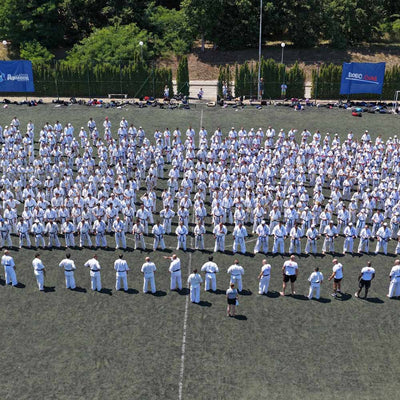
Today, ninjutsu is also practiced as a defensive and combat sport. There are several variants, depending on the club. Some are based more on karate, while others draw more on jiu-jitsu. Naturally, some skills are no longer taught, such as explosives and poisons. The length of training also varies from club to club and from country to country. Being accountable to only one lord is, of course, no longer part of the practice, and training in secret seems like something from another dimension. Some clubs nevertheless maintain a kind of code of honor, and certain techniques are only revealed to advanced practitioners.
Ninjutsu is best known for the countless roles played by ninjas in films. They usually play the villains, with some obvious exceptions. The so-called Ninja Turtles were also enthusiastic practitioners of this Japanese martial art.