Masahiko Kimura: A Legend in the World of Judo and Wrestling
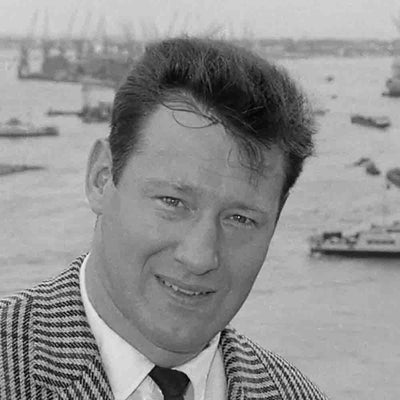
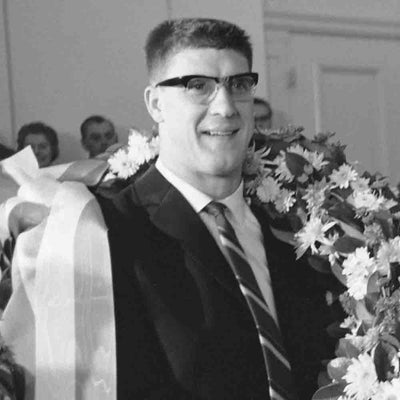
Masahiko Kimura, born on September 10, 1917, was a Japanese judoka and professional wrestler who is widely regarded as one of the greatest judoka of all time. With an impressive career spanning several decades, Kimura left an indelible mark on the world of martial arts and wrestling.
Kimura's Achievements in Judo
Kimura's skill in judo was unmatched. He made history by winning the All-Japan Judo Championships three times in a row, an achievement that had never been accomplished before. From 1936 to 1950, he maintained an undefeated streak and never lost a single judo match. His dedication, skill, and technique made him a force to be reckoned with in the judo world.
The Origin of the "Kimura" Technique
In submission grappling, the reverse ude-garami arm lock is commonly known as the 'Kimura'. This name pays tribute to Masahiko Kimura for his famous victory over Hélio Gracie, the co-founder of Gracie jiu-jitsu. In a legendary match in 1951, Kimura executed this arm lock flawlessly, forcing Gracie to submit. This match not only cemented Kimura's legacy but also left a lasting impact on the global martial arts community.
Kimura's Contribution to Professional Wrestling
Kimura also had a significant impact on the Japanese world of professional wrestling. He emerged as one of Japan's first stars and captivated audiences with his skill, charisma, and athletic ability. However, it was his controversial match with Rikidōzan that truly made headlines. During this infamous match, which took place in 1954, tensions escalated when Rikidōzan unexpectedly attacked Kimura with illegal punches, leading to a tumultuous ending. This event became a pivotal moment in Japanese wrestling history, further solidifying Kimura's status as a legendary figure.
Kimura's Influence on the Martial Arts World
Kimura's influence extended beyond his own achievements. His techniques and training methods have inspired generations of judoka and martial artists. He was known for his extreme dedication to training, often practicing eight hours a day, and his innovative approach to judo. His philosophy and methods are still studied and applied by martial arts practitioners around the world.
Conclusion
Masahiko Kimura was not only a master of judo but also a pioneer in the world of professional wrestling. His legendary fights, including his victory over Hélio Gracie and the controversial match with Rikidōzan, have forever etched his name into the annals of martial arts history. Kimura's unmatched skill, dedication, and innovation have left a lasting legacy that continues to inspire the sporting world. His legacy reminds us that greatness is achieved through dedication, innovation, and an unwavering spirit.