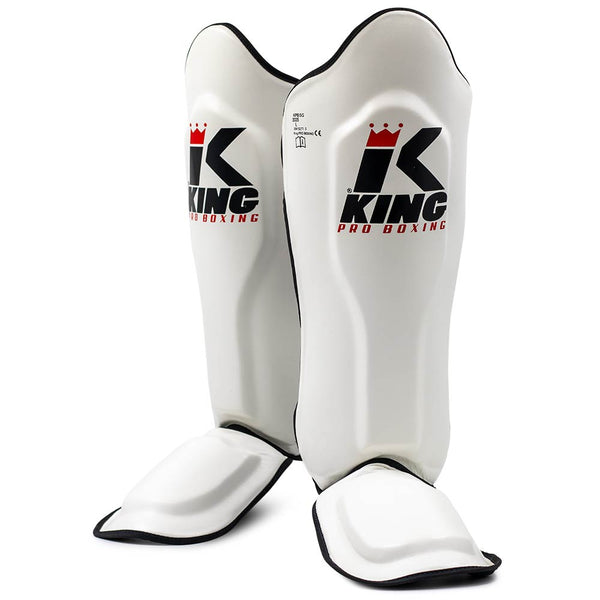
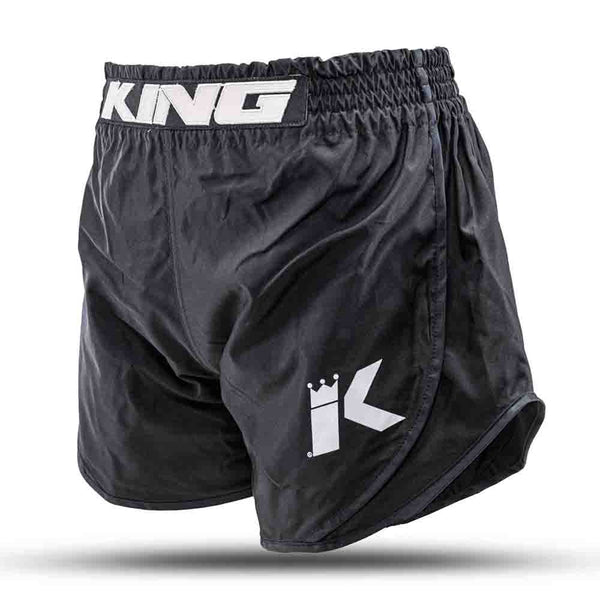
Around the old Lumpinee Stadium in Bangkok, Thai equipment makers had shops close to one another. Twins, Windy and King Professional all had stores there. That setting, between the fight scene and daily training, is where the story of King Pro Boxing begins: a Thai name that found its way to Europe and Japan early on.
King begins in the Thai Muay Thai world
King Professional was founded in 2000. Muay Thai was its foundation: a sport in which training, staging fights and making equipment are closely connected. A pair of gloves is part of pad rounds, gym preparation and the trainer's work. Equipment is part of the daily routine, long before a fighter steps into the ring.
King entered an established world of Thai equipment makers. Names like Windy and Twins were already there, with their own stores and production. King Professional found its own place among them. Its name appeared on equipment for the sport practiced in the surrounding gyms and stadiums, and its reach extended beyond the Thai market.
The earlier King Professional era predates King Pro Boxing, which dates its founding to 2016. The name changed along the way; the connection to Muay Thai remained.
A store of its own near the old Lumpinee Stadium
In 2005, the King Professional store opened near the old Lumpinee Stadium. It was a fitting location for a Muay Thai brand. Fighters, trainers and fans gathered around the stadium. At the equipment shops, professionals and amateurs alike could find the gear they needed.
The shop was not alone there. Twins had two stores in the area, and Windy was one of the older names around the stadium. King was right among other Thai equipment makers, in a place where the sport was practiced just around the corner.
In 2008, Narit Wongprasertkan headed King Professional. The brand also supplied equipment to fighters from Kaewsamrit, the gym where champion Anuwat trained. This gave King a place in Thai training, alongside sales to visitors and exports abroad.
The connection with Twins and the first European link
King's early history is intertwined with Twins and Booster. In 2008, King models were made in the same factory as Twins in Samut Sakhon. King Professional had its own name and look, with a production link to one of Thailand's better-known manufacturers.
That collaboration was part of King Professional in 2008. It was a tangible link in King's development: an independent brand in an equipment industry where design, production and sales intersected.
There was already an international outlook. King Professional exported to Europe and Japan and worked with the Belgian brand Booster. The European connection did not begin only when King Pro Boxing appeared. In the years before that, the King name had already traveled with the growing international interest in Muay Thai.
An equipment brand could thus be closely connected to a stadium in Bangkok while also finding its way into gyms abroad. The shop near Lumpinee and exports to other countries were two sides of the same development.
King Pro Boxing takes on a new identity
King Pro Boxing marked the start of a new phase. The brand cites 2016 as its founding year. The King name took on a new identity, with Thai production as its foundation and a contemporary European approach to design.
Yves Vyvey played a role in that transition. He took over the company and continued King as King Pro Boxing. A 2019 retrospective by distributor Super Export Shop describes him as a co-owner and links the takeover to the new brand name.
The direction was clear: combining Thai experience in making combat sports equipment with a modern look. This allowed King Pro to stay true to its Muay Thai roots while also appealing to athletes training outside Thailand.
The older King Professional name did not disappear from the story. The shop near Lumpinee, the production link with Twins and the collaboration with Booster all preceded this phase. King Pro Boxing built on that background while charting its own course.
Connected to the gyms of Isaan
The connection to Thailand also ran through its gyms. In 2019, King Pro supported local training venues and events in Isaan, in the northeast of the country. Alongside developing and selling equipment, it paid attention to the sporting community where Muay Thai was practiced every day.
The gym is where the sport takes shape. Trainers hold pads, athletes repeat their combinations and young fighters gain experience. A fight night is the part people see; the preparation is all the hours of training that come before it.
Support for gyms and events reflects that close connection to the sport. King Pro was sold internationally, but also maintained ties with local training venues in Thailand. As the brand reached a wider audience, it continued to pay attention to the gym.
The current name: K KING
Today, the brand uses K KING in its official presentation. King Professional, King Pro Boxing and K KING are names you’ll encounter at different points in the brand’s history.
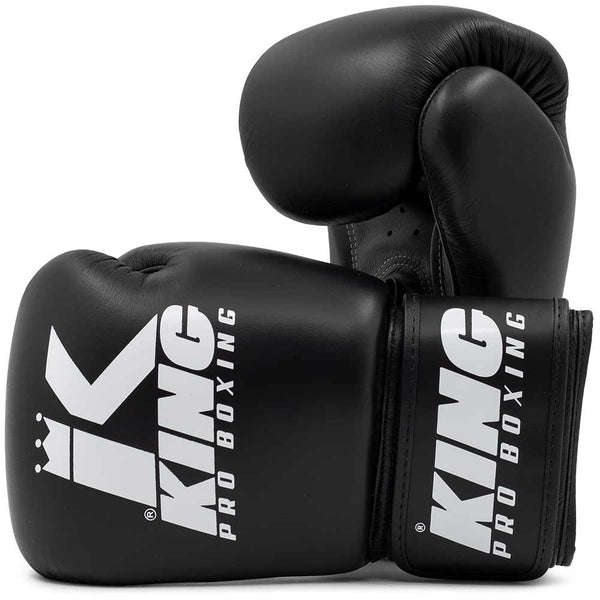
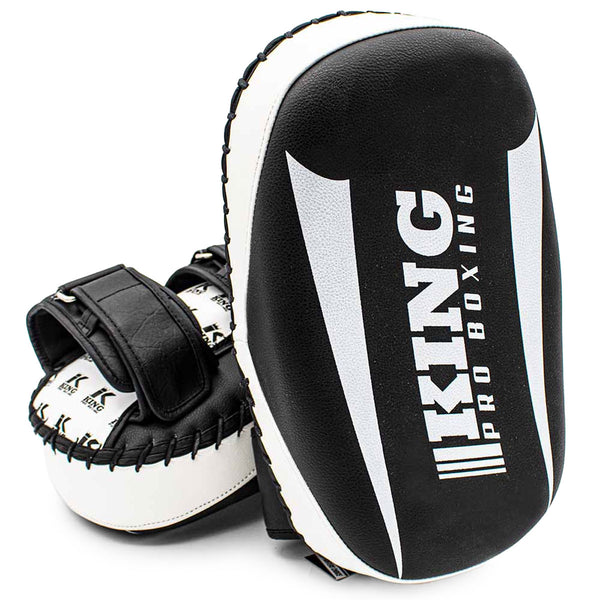
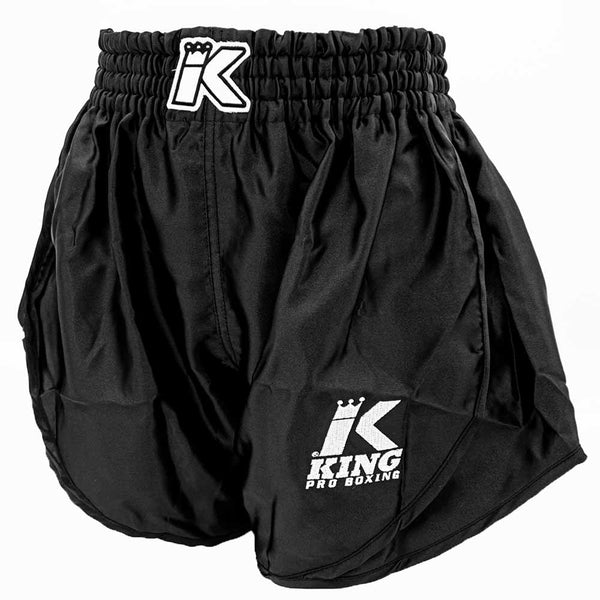
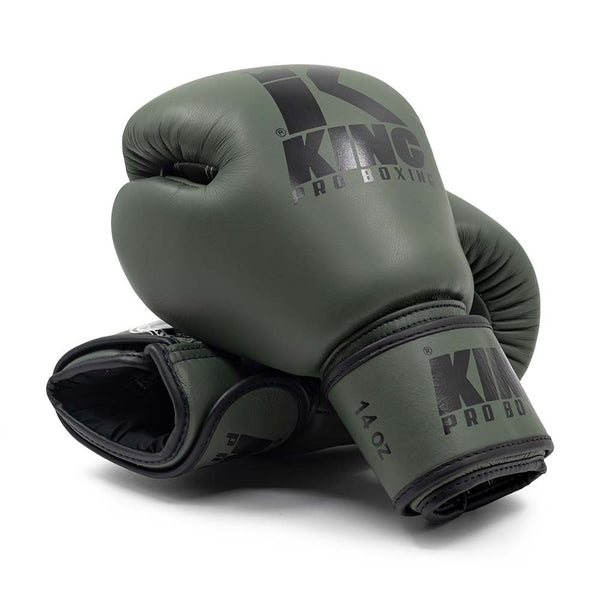
King Pro Boxing is still the name under which the equipment appears in our range. K KING is part of the brand’s current presentation. Its Thai roots remain central, alongside its connections to gyms and an international audience.
The Belgian connection has also endured: Booster BV manages the stock from a warehouse in Belgium. The early partnership with Booster and today’s distribution give King’s story a lasting European connection.
From Lumpinee to the world
King grew from the Thai Muay Thai scene into a brand sold internationally. Its own shop at Lumpinee, its ties with Twins, its partnership with Booster and the transition to King Pro Boxing mark the key steps in that journey.
The name changed, but the connection to Thailand remained: through the craftsmanship, the gyms and the sport where King began. At the same time, the brand gained a European connection and an audience far beyond Bangkok. That combination is part of the story behind the King Pro Boxing you know today.