For a week, the Bulgarian Black Sea coast was all about training, learning and helping each other improve. From July 5 to 12, 2026, the 20th international martial arts summer camp brought together more than 1,600 participants from 49 countries near Varna. Karate practitioners, kickboxers, coaches, referees and instructors came together for an anniversary edition that paired daily training with international competitions.
The camp brought together different generations and disciplines. Well-known names from Kyokushin and K-1 served as instructors, young karate practitioners competed at the World Cup Varna, and the week concluded with the professional SENSHI 32 Grand Prix. A look back at an event focused on the development of martial artists.
Twenty editions of training together on the Black Sea
The summer camp took place in Kamchia, south of Varna. KWU SENSHI and the Bulgarian Karate Kyokushin Federation brought together participants from different countries and schools. The program combined Kyokushin karate, kickboxing and K-1 with iaido, referee seminars, exams and competitions.
The twentieth edition built on a long history of international collaboration. The strength of a camp like this lies in its intensity: training for several days in a row, putting feedback into practice and working on the same skills again in the next session. At the same time, you meet martial artists with different training backgrounds, habits and experiences.
The original announcement in this article mentioned 48 countries. In its post-event report, the organizers reported more than 1,600 participants from 49 countries. This article uses that later report as its basis. The event took place from July 5 to 12, 2026; this article covers the completed anniversary edition.
A training week with room for different disciplines
Daily training sessions were at the heart of the camp. In its retrospective report, the organizers describe two Kyokushin and two K-1 training sessions per day, supplemented by specialized iaido classes and referee seminars. The program went beyond simply taking part in combat training.
For a martial artist, this sequence of sessions offers plenty of opportunities to put advice into practice. A stance, a movement or a combination takes on more meaning when you practice it again later. Coaches, too, can benefit from seeing how different instructors use the same training space and communicate their guidance.
Each discipline retained its own character. Karate, kickboxing and iaido have different training methods and principles. Offering them side by side highlighted the camp’s breadth, while the referee seminars focused on the people who oversee and judge matches.
Kyokushin and K-1 guided by experienced instructors
The kickboxing and K-1 training sessions featured Semmy Schilt, Ernesto Hoost, Albert Kraus, Andy Souwer, Sam Greco, Ray Sefo and Nicholas Pettas, among others. Well-known names from the ring were now instructors, explaining and demonstrating techniques and helping martial artists improve their execution.
The Kyokushin program also featured a broad range of international instructors. The organizers named Akira Masuda, Francisco Filho, Ryu Narushima, Glaube Feitosa, Ewerton Teixeira, Tariel Nikoleishvili, Andrews Nakahara, Jan Soukup and Yusuke Fujii, among others. This mix of different backgrounds made the anniversary edition especially rich in content.
For participants, the value of such names is mainly practical. You can watch how an experienced instructor builds a movement, listen to the key points and then practice it yourself. The lesson only becomes truly useful when you apply a tip to your next repetition, your partner work and, ultimately, your own training at home.
World Cup Varna and the amateur bouts
Alongside the training sessions, the camp offered an international competition program. On July 7, the World Cup Varna for young Kyokushin karate practitioners took center stage. Organizers listed participants aged 14 to 21: an important platform for athletes gaining experience outside their own national competitions.
The third KWU SENSHI World Cup for amateurs was also part of the week. The competition format brought fighters from different countries together, with a path from the preliminary rounds to the deciding bouts. In the program published later, the amateur bouts were scheduled from July 9 through 11.
That combination of learning and competing gave the camp added depth. One session is about improving under guidance; in a fight, an athlete has to respond independently to what an opponent does. For coaches and referees, those fights were also a concrete part of their work during the week.
SENSHI 32: a professional finale on the beach
On 11 July 2026, SENSHI 32 Grand Prix took place in the beach arena at the St. St. Constantine and Helena resort near Varna. The professional event had its own fight card featuring 16 fighters from 13 countries, including the up to 85 kg Grand Prix tournament and two Super Fights. The total number of fighters on the card is therefore not the same as the size of a single tournament bracket.
Ireland's Joshua Akingbade won the Grand Prix. He knocked out Ulric Bokeme in the semi-final and scored another knockout in the final, this time against Italy's Fabian Lorito. Lorito finished second, and Angelo Mirno took third place.
In the Super Fights, Nathan Cook defeated Francesko Xhaja by knockout in the over 95 kg division. Zhulien Rikov defeated Daniele Valente by technical knockout in the up to 75 kg division. This gave the training week a professional-level finale, with a different feel from the daily classes and amateur bouts.
What you take away from an international camp
The appeal of a training camp lies in more than its size or the names on the instructor list. You set aside time to work on your martial art with purpose, meet new training partners and see different ways of explaining techniques. Three practical ways to make the most of those experiences:
- Choose one technical point to focus on. For example, use your stance after a combination, your distance or your return to guard as a consistent focus. By paying attention to one specific detail, you can better connect guidance from different instructors.
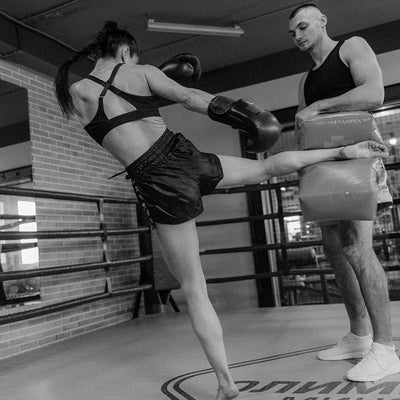
- Help your training partner practise with purpose. Clearly present the agreed attack or target and adjust the pace to the exercise. Good partner work makes it easier for both of you to understand, repeat and improve a technique.
- Continue the lesson at home. After a session, write down a few specific tips and put them into practice in bag and pad training or controlled partner drills. That way, the camp experience remains part of your development even after the trip.
The additional SENSHI training clip with Andy Souwer is also relevant here. That footage comes from the separate camp held from 28 to 31 May 2026 and offers extra training inspiration. It is not footage we can use to reconstruct the events of the July summer camp.
Equipment for your own kickboxing and partner training
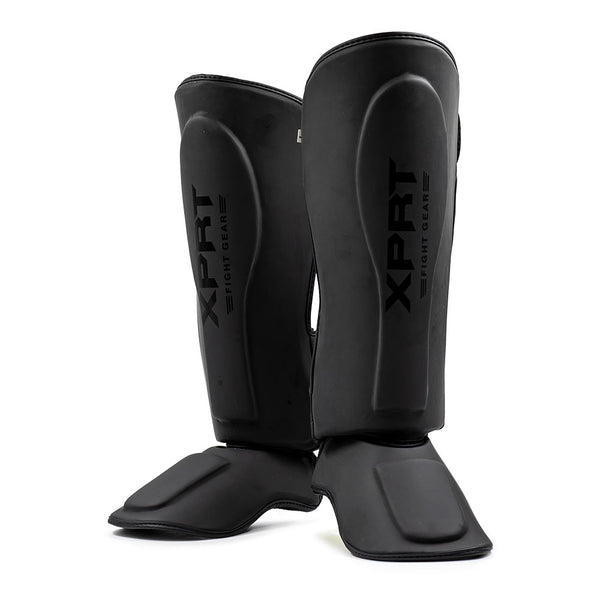
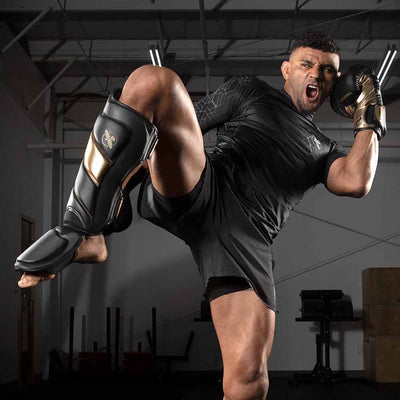
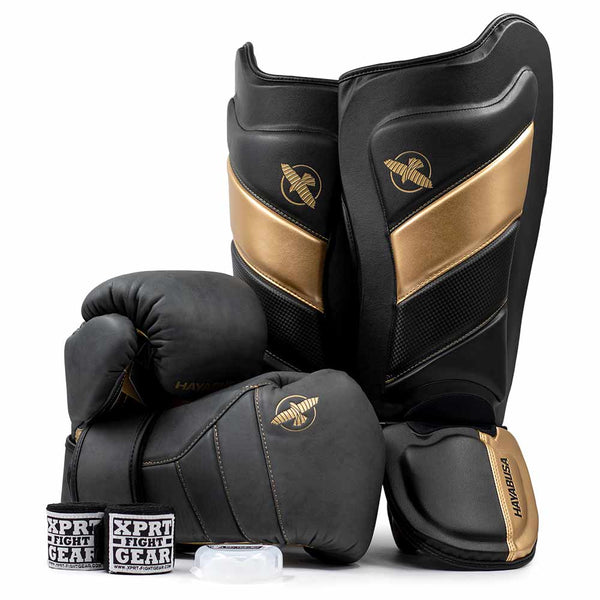
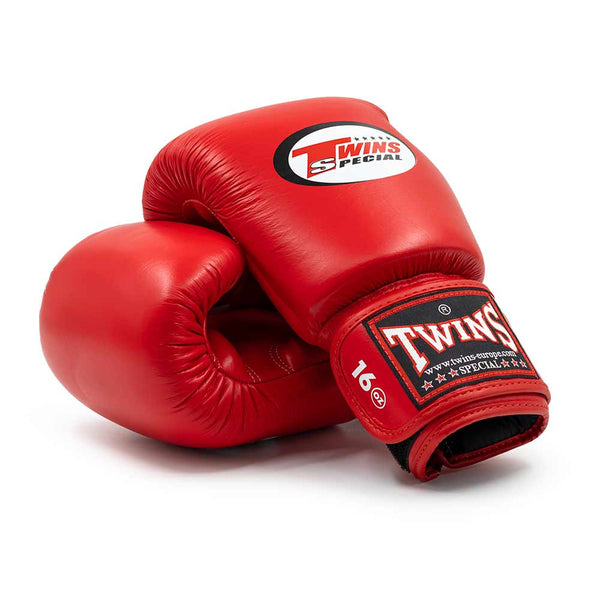
The camp story also offers a natural link to your own training. Kickboxing gloves, shin guards and shorts that allow freedom of movement support different types of drills. Choose gloves and protection that suit your training and the arrangements you make for partner work.
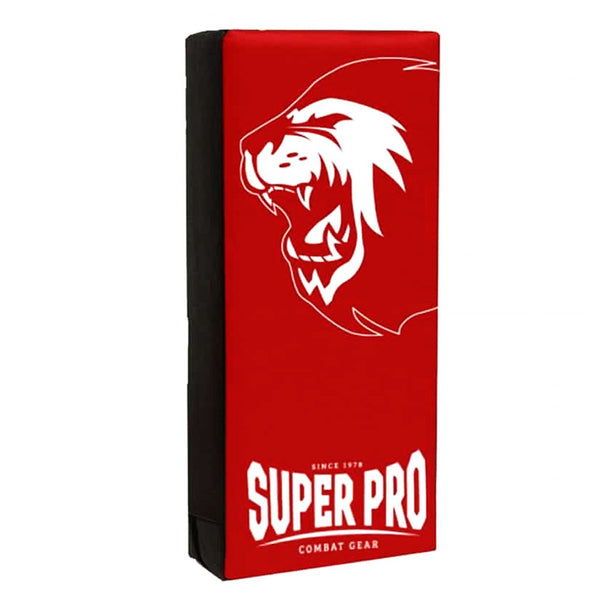
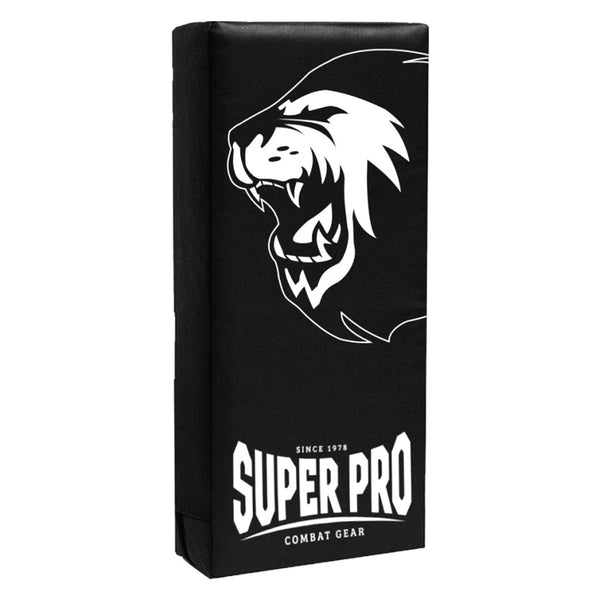
A kicking shield is a useful addition for working on combinations together. The holder provides a clear target while the other person works on distance, technique and rhythm. Size, handles and how it fits against the body are useful points to compare when choosing training equipment.
Alongside this article, you’ll find some available options for your own kickboxing training, as well as in-depth buying guides. These are products we’ve selected, not equipment officially prescribed or used by the camp. In our showroom in Waddinxveen, you can take a closer look at the differences in fit and design.
Conclusion: an anniversary focused on development
The twentieth international summer camp near Varna brought together more than 1,600 participants from 49 countries in July 2026. Daily training sessions, experienced instructors, iaido, referee seminars and international competitions gave the anniversary edition a wide-ranging program. With Joshua Akingbade winning the up to 85 kg category at SENSHI 32, the week also had a clear professional finale.
The lasting value lies in what participants do with that experience: training more attentively, putting guidance into practice, and helping each other improve as training partners. That makes an international camp not just a special week on the calendar, but also an opportunity to keep developing your martial arts skills.