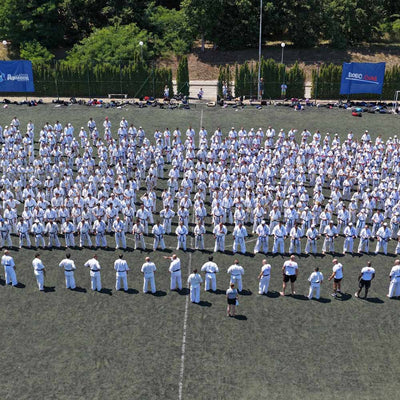
Ask a child what martial arts are, and you’ll often get answers like: “somersaults and kicks” or “becoming a ninja.” Ask a parent, and they’ll probably say: “discipline, respect, and burning off energy.” And that’s exactly the magic of martial arts for kids: it’s fun and educational at the same time.
Whether it’s Karate, Judo, Kickboxing, or Taekwon-Do, children learn not only techniques but also how to work together, respect boundaries, and build confidence. And the best part? They often don’t even realize that they’re also working hard on their motor skills, fitness, and focus.
Martial arts that are popular with children
Judo
Judo is ideal for children because it focuses on balance and throwing rather than punching or kicking. Children learn how to fall without hurting themselves—something parents secretly appreciate too.
Karate
Karate is all about discipline and precision. Children especially enjoy kata (set movements), because it almost feels like a dance full of cool moves.
Taekwon-Do
Lots of kicks, lots of spectacle. Children often love it because it looks cool and lets them burn off plenty of energy.
Kickboxing
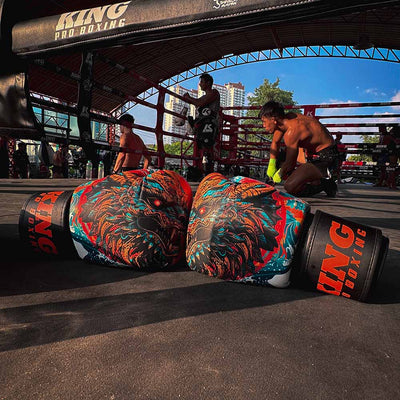
Increasingly popular with kids, especially because there’s lots of fun with punching shields. This gives children a safe and manageable outlet for their energy.
Brazilian Jiu-Jitsu
BJJ is also becoming increasingly popular among children. It’s a bit like “ground puzzling”: rolling, turning, and grappling. Children often experience it as a game, while learning a great deal of control in the process.
Why children benefit so much from martial arts
What makes martial arts unique for children is that they are about more than just sport. They combine physical training, mental resilience, and social skills. In a world where children are often glued to their iPads, it’s refreshing to see them using all their energy and excelling on the mat. Not only for their parents, but especially for themselves.
The great thing is that martial arts aren’t about winning or losing. They’re about learning how to deal with yourself and others—and for children, that may be even more important than it is for adults.
Martial arts exercises for kids (at home)
At Fight2Win.nl, we have plenty of experience training children. For this list, we looked at activities commonly used in different martial arts and the things that genuinely get children excited.
1. Falling and rolling games (Judo & BJJ)
Kids learn to fall and roll, but in the form of a game. For example: “who can roll like a ninja the best?” This way, they learn technique without getting bored.
2. Knock down the tower! (Taekwon-Do & Karate)
Build a tower with cushions or boxes and have the children take turns knocking it down with a kick or punch. The result: lots of fun together while still learning technique.
3. Punching shield relay (Kickboxing)
Form pairs and position the children opposite each other, leaving enough space for a short sprint. Both children have a punching shield. Taking turns, one child sprints to the other, delivers a series of punches or kicks to the shield, and then runs back to their own spot.
4. Wrestling for the ball (BJJ & Judo)
Place a soft ball in the middle and have two children try to get it to their side using grappling techniques. It’s playful, but also great for balance and control.
5. Shadow fighting (Karate & Kickboxing)
Have children perform movements as if they’re fighting an imaginary opponent—but add a rule to the game, such as “only in slow motion” or “pretend you’re floating in space.” This makes it funny and creative.
Teaching martial arts to children
One child seriously attempts a judo roll, another can’t stop laughing while kicking down a tower, and before you know it, several more kids are giggling and rolling across the gym. It’s chaos and discipline at the same time—and that’s exactly what makes martial arts so special for children. Because let’s be honest: it’s not about creating a champion of the future.
It’s about children learning to show respect, burn off their energy, and above all, have fun. And when they head out the door with flushed cheeks, a grin from ear to ear, and a punching shield tucked under their arm, you know you’re doing something right as a trainer.