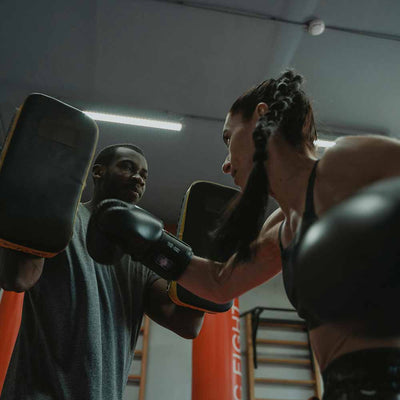
A good pad session starts with the trainer. You choose the targets, decide what the athlete is working toward and keep the drill straightforward. Your equipment needs to fit the task: comfortable to hold, easy to adjust and suited to the techniques you're teaching.
For a personal training client who boxes, that kit looks different than it does for a kickboxer who alternates punch combinations with kicks and knees. This guide helps you put together a practical training kit, from compact punching mitts to kicking shields and targeted body protectors. It offers clear choices for each training goal and specific models to compare.
Your training kit starts with the session
First, write down what you want the athlete to practice. Is it straight punches and hooks, a combination with a kick, or a specific body target? That makes choosing equipment much easier. A punching mitt gives you a target you control with your hand. You strap a Thai pad to your forearm. You position a large kicking shield using the handles behind it.
The same applies to wearable protection. A belly pad, torso protector and thigh protector each serve a different purpose. They are useful additions when your drills include those targets. Present the protected targets deliberately, and agree on the drill and pace beforehand.
Keep the two roles distinct, too. You choose your pads and any protective gear you need as a trainer. For punch training, the athlete uses suitable boxing gloves and handwraps or gelwraps. A comfortable session depends on the trainer's and athlete's equipment working well together.
Our Fight2Win selection by training goal
These are our six focused picks for trainers and personal trainers. Each serves a different purpose: from professional punching mitts to versatile hybrids and wearable body targets. Build your kit around the classes you teach. These products are sold separately; check sizes, quantities and closures for each model.
Rival RPM100 for professional punch-focused coaching
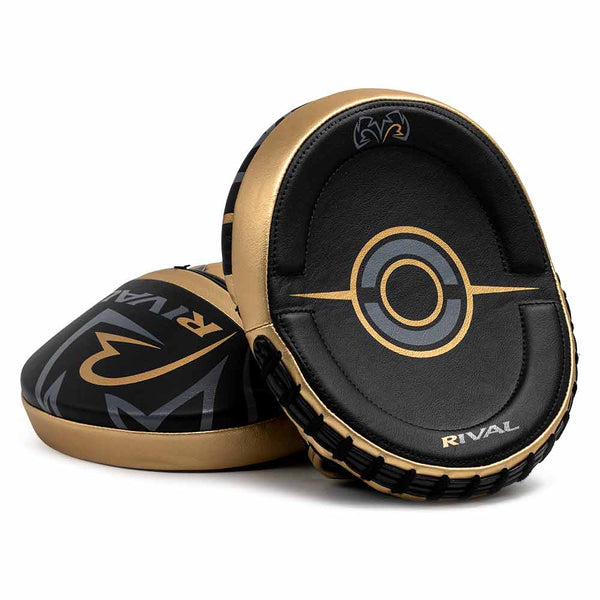
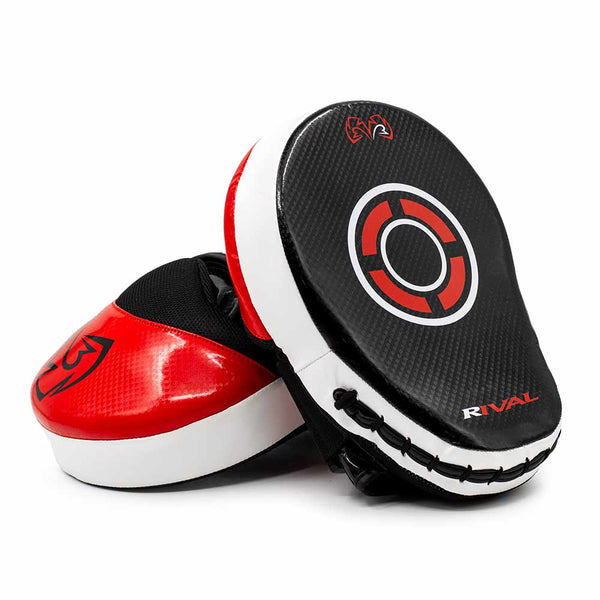
The RPM100 is our punching mitt pick for trainers who work on a lot of punch combinations. The separately shaped left and right hand compartments, pre-curved striking surface and angled hook-and-loop closures give this microfiber model its distinctive feel. A focused choice for a boxing coach and personal trainers who use their punching mitts regularly.
Twins PML21 for versatile pad training
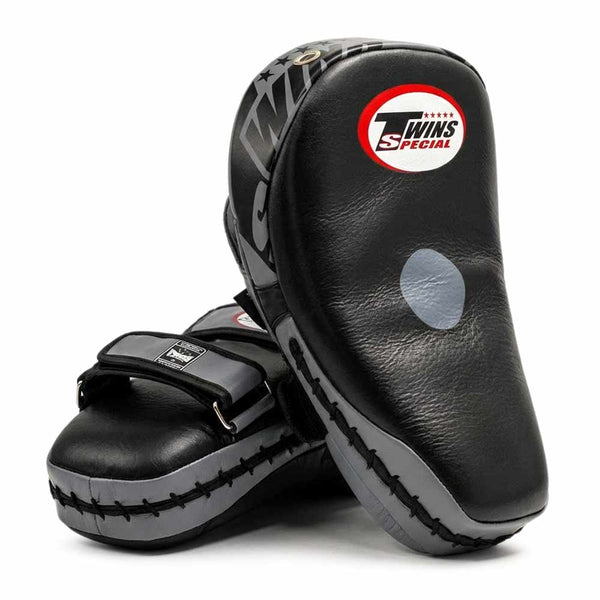
We choose the leather PML21 for its versatility. You hold it using a hand compartment. Its larger, curved striking surface gives you a suitable target for punches, kicks and knees. At 35 by 22 by 7 centimeters, it offers a different option from a compact focus mitt. The open finger slots and wrist closure are practical points to compare.
Twins TKP for Thai pad work
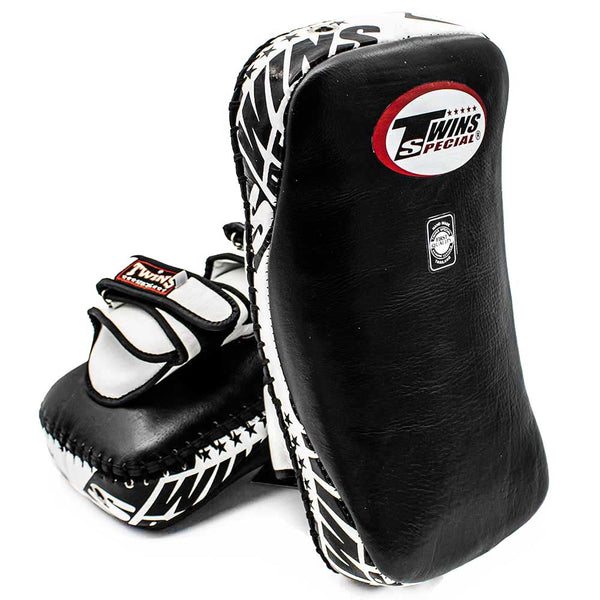
The leather Twins TKP is our choice for trainers who want to work with a handle and forearm attachment. For kickboxing and Muay Thai, this offers a distinct way to present punching, kicking and knee-strike targets. Compare M and L for the size you find comfortable to position and the fit around your forearm.
Twins BPLK for kickboxing training
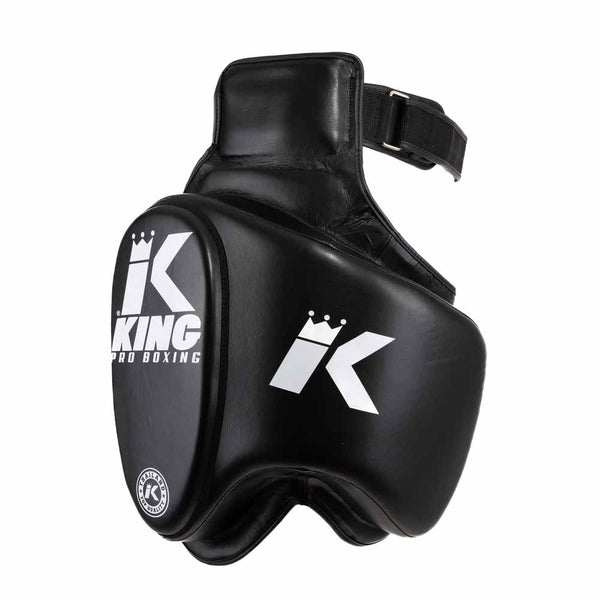
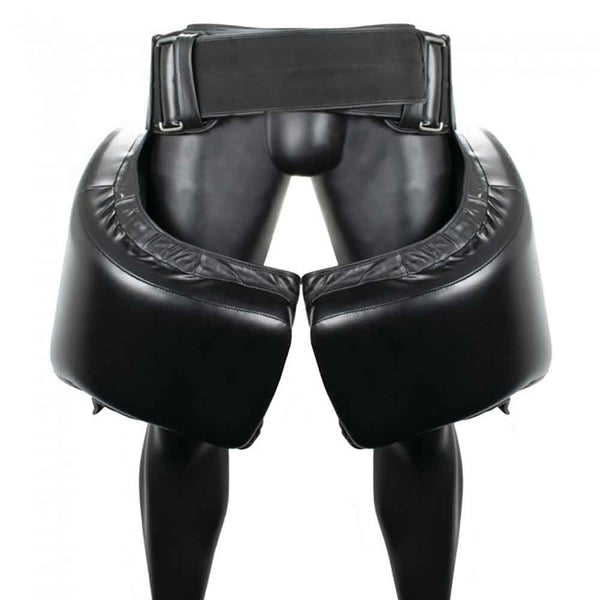
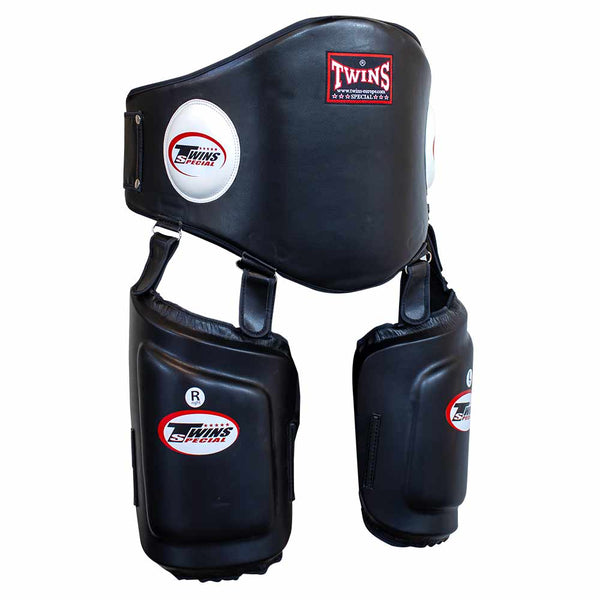
For kickboxing training, we choose the BPLK as a combined belly and thigh setup. The skintex belly section and detachable thigh sections give you different wearable targets in one system. Check both the fastenings on the separate sections and the ring connections. That way, you can adapt the setup to the drills in your session.
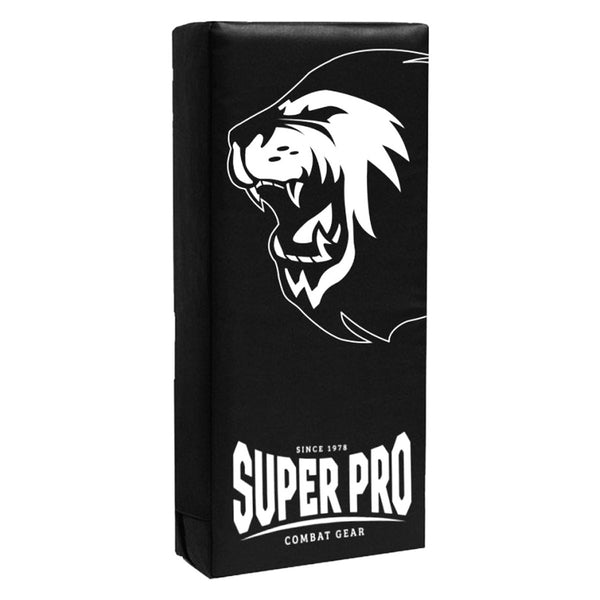
Super Pro Curved as a large kicking target
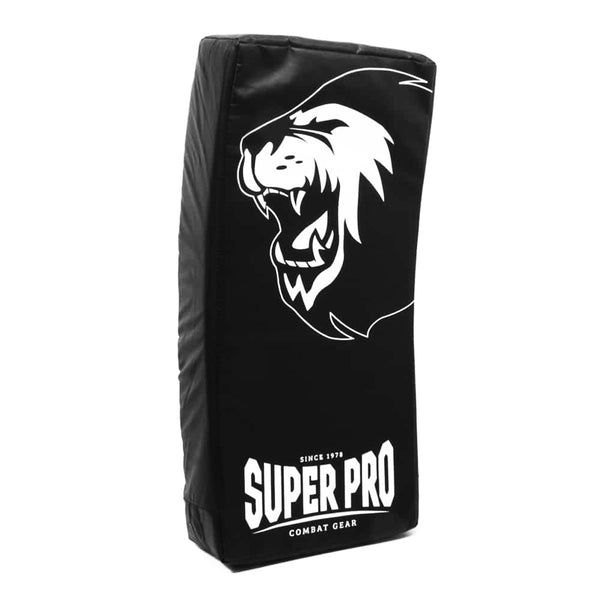
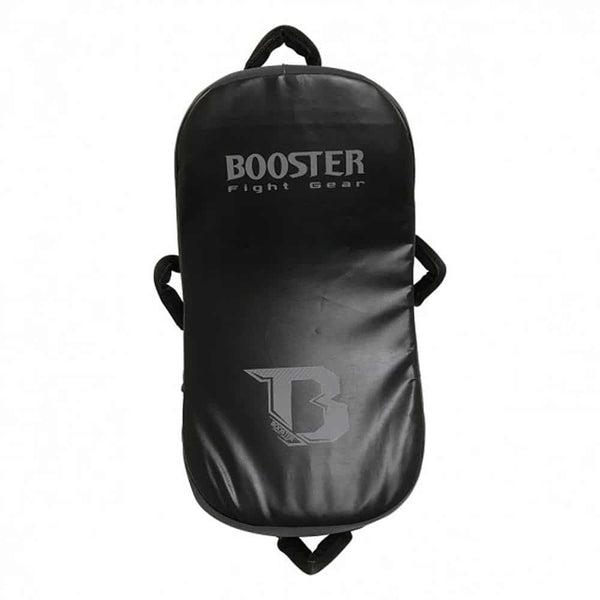
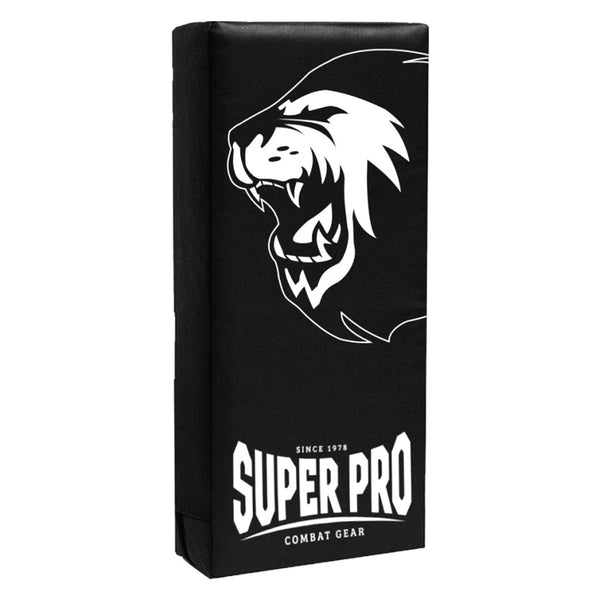
The Super Pro Curved is our choice when you want a separate, large kicking target. The Bysonil pad measures 75 by 35 by 15 centimeters and has four handles. The contoured front gives it a different profile from the flat model. Handy for a focused kicking drill or a separate station in your class.
Rival Body Protector for professionals and heavy hitters
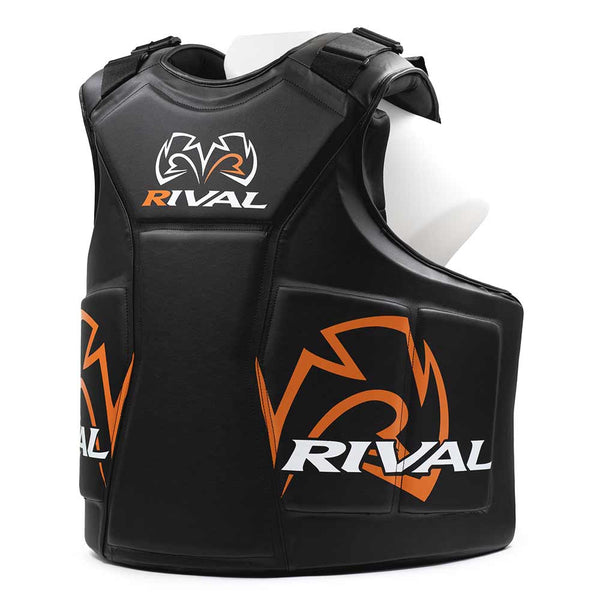
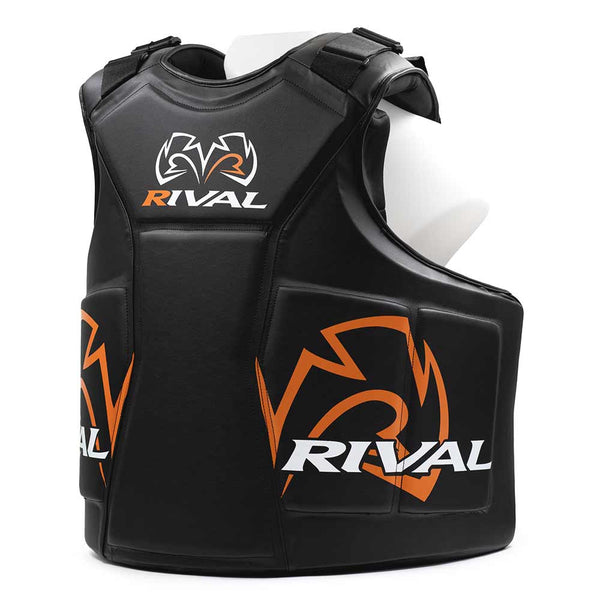
For professional coaching and sessions with heavy hitters, we choose the Rival Body Protector as a torso setup. The PU exterior, built-up front and belt fastening are specific features to compare. Choosing sturdy materials still goes hand in hand with proper adjustment and clear agreements about targets and intensity.
Punching mitts for punching combinations and footwork
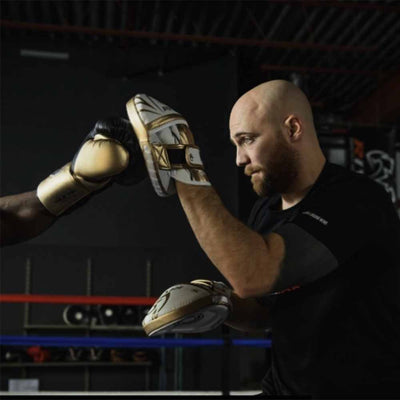
With compact punching mitts, your hand sits directly behind the striking surface. This lets you present striking targets at different heights and positions without moving a large pad around. They’re a good starting point for boxing training and striking-focused personal training. Don’t just look at the front: the hand compartment, finger construction and closure determine how the model fits your hand.
A round or contoured pad feels different from a more elongated mitt. Check whether you can use both hands equally comfortably and whether the shape suits the targets you present. The product name doesn’t tell you how your hand fits inside. You’ll notice that when you slip it on, fasten it and position it gently.
Rival Fitness+ RPM7
The RPM7 combines a curved striking surface with a PU exterior and an adjustable wrist closure. It’s an accessible option for trainers looking for a clear striking target for their personal training sessions. Pay particular attention to the hand space and how the closure fits around your wrist.
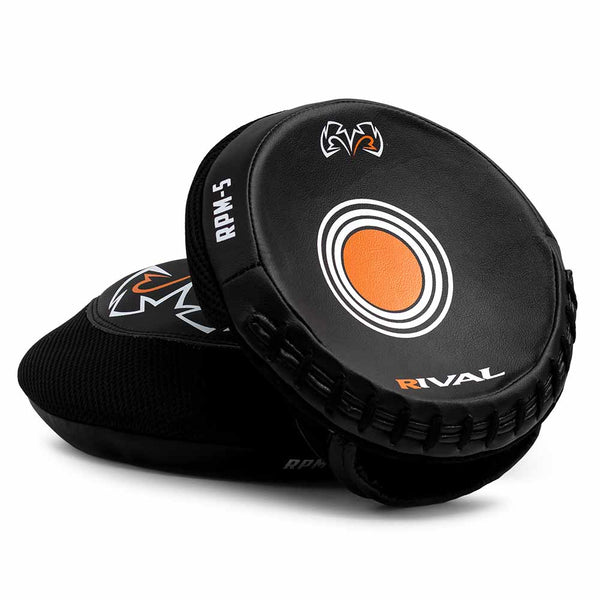
Rival RPM5 Parabolic
The RPM5 emphasizes a distinctly contoured striking surface. The microfiber exterior, padded hand compartment and wrist strap give it a distinctive design within the Rival range. Compare its shape with the RPM7 rather than assuming a higher model number automatically means an improvement.
Rival RPM100 Professional
The RPM100 has separate contoured hand compartments for the left and right hands and angled hook-and-loop closures. The pre-shaped surface and microfiber construction are relevant differences when comparing Rival models. The combination of hand shape, closure, and striking surface helps you choose a model that feels comfortable to use throughout your teaching day.
Winning CM-20
The CM-20 is the elongated Winning model in this selection. Its stated dimensions are 28 by 20 by 4 centimeters. Compare its larger striking surface and open hand area at the back with the contoured Rival models. The longer shape gives you a different balance between target area and handling.
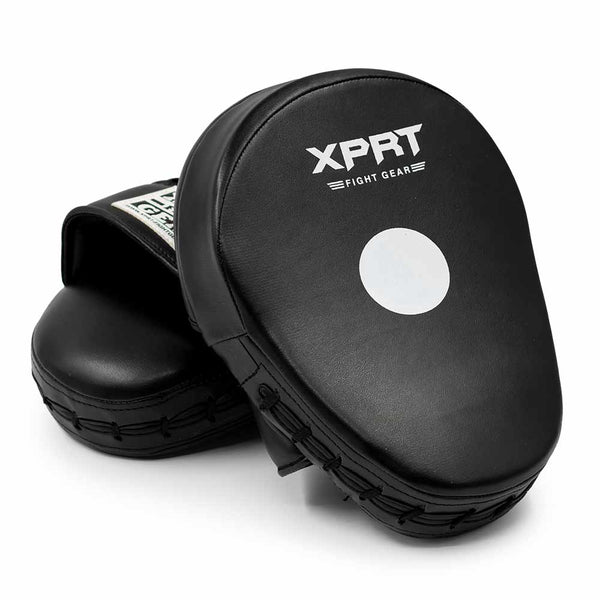
XPRT V4 Strikeforce
The XPRT V4 Strikeforce adds another brand and a different hand design to the compact punching mitts. The curved striking surface has a clear target point, and the back has a glove-like hand compartment. Compare how it fits around your hand and how you position the target with that grip.
Thai pads for punches, kicks, and knees
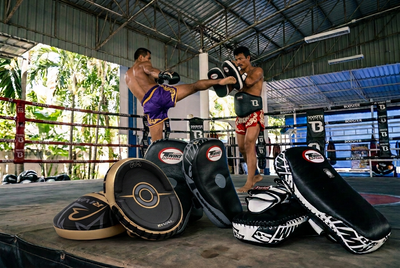
Thai pads, also called pao or arm pads, have a handle and a fastening around the forearm. This lets you present a longer target than most compact punching mitts. For kickboxing and Muay Thai, that is a practical combination when the drill alternates between punches, kicks, and knees within the model’s intended use.
Check how the handle sits in your hand and where the straps fasten. You should be able to adjust a forearm strap without it pinching. Also check that you can hold the intended positions without the pad twisting. Once adjusted, start with a slow combination and gradually increase the pace while continuing to present clear targets.
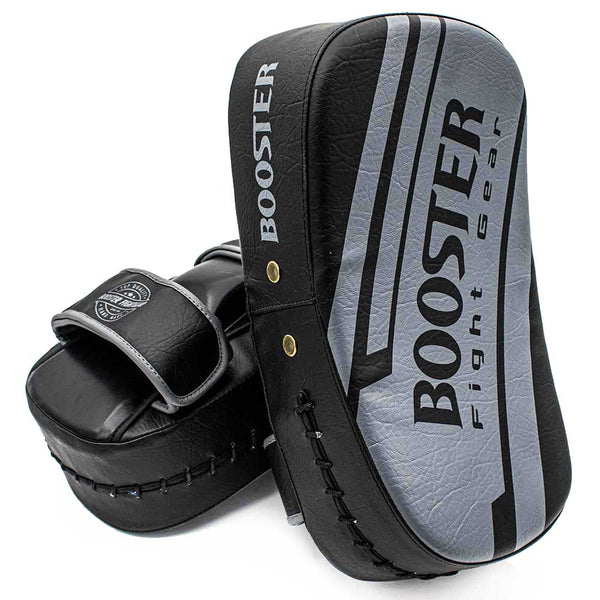
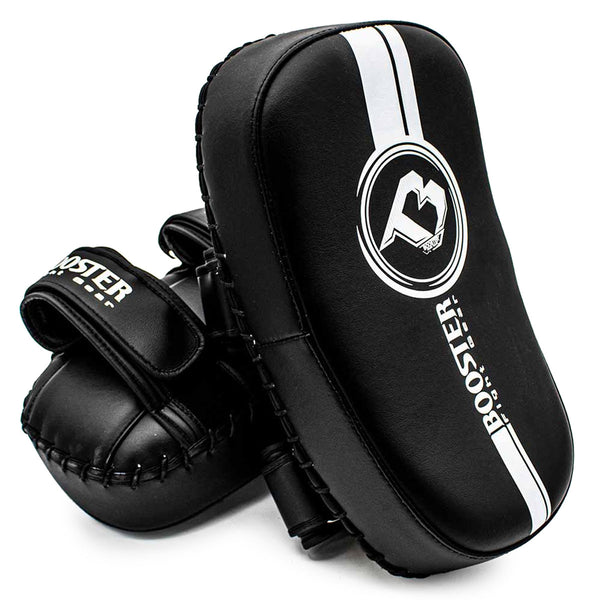
Booster XP
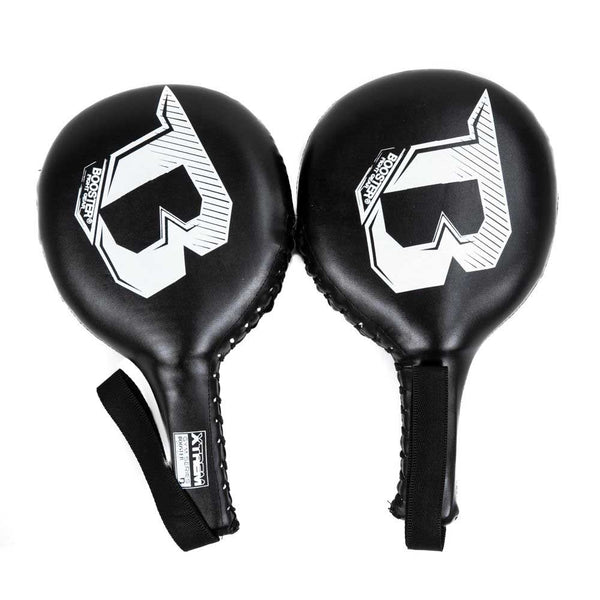
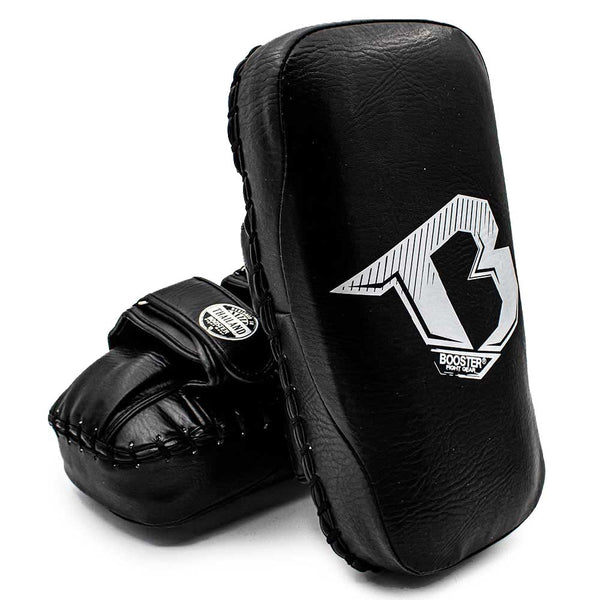
The XP has a slightly curved shape and a skintex outer shell. It has a handle and an adjustable forearm fastening. An accessible model to compare with other Thai pads, paying attention to your grip and how you present the target.
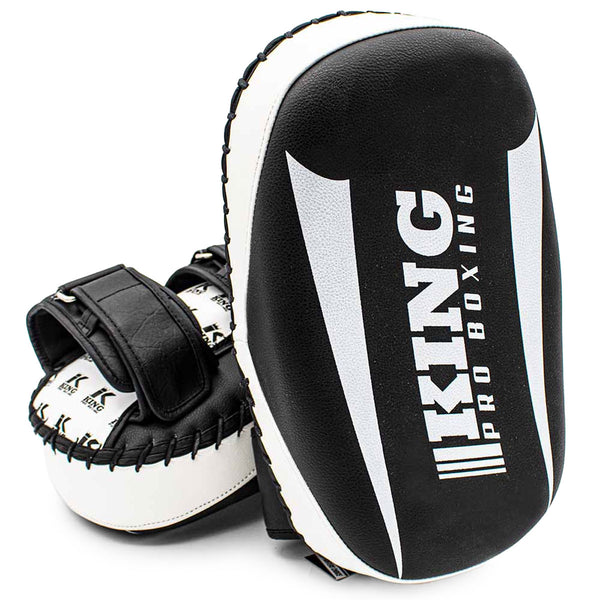
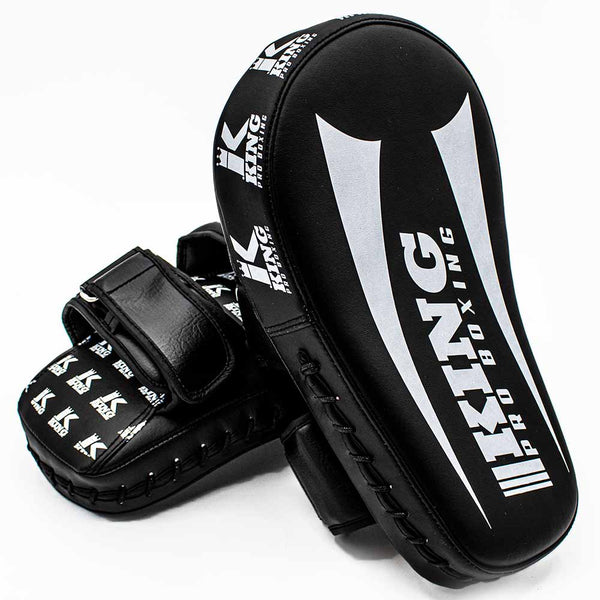
King Pro Boxing Revo KP
The Revo KP is also a skintex model with multilayer padding. Compare its forearm fastening, handle, and shape with the Booster XP. The weight of a pair also affects how they feel to use, especially when you run several sessions back to back.
Twins TKP
The Twins TKP is the leather alternative in this comparison and comes in M and L. That makes it useful to check the actual size carefully. Compare both sizes for striking surface, handling, and fit around your forearm.
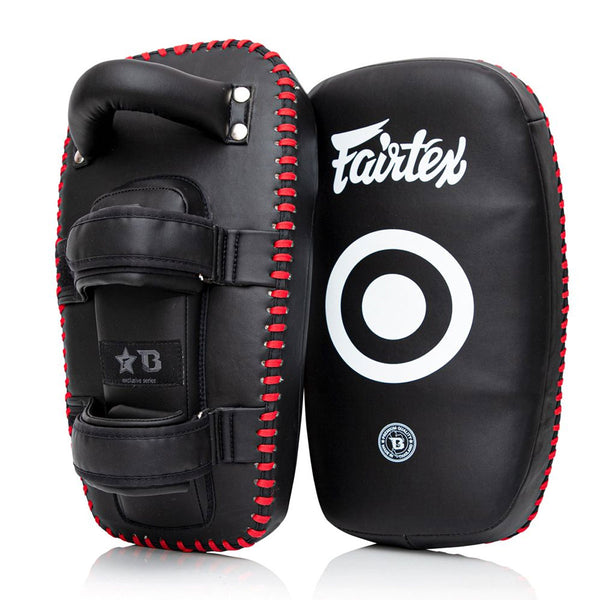
Fairtex FXB-KP
The FXB-KP combines a synthetic outer shell with a handle and two hook-and-loop straps around the forearm. The different backs of the models are at least as important as their striking surfaces. Check both straps and the space for your forearm on this model.
Booster Dominance
The Dominance has a slightly curved skintex exterior, a handle and an adjustable forearm fastening. The soft strip on the back is another point to compare with the other Thai pads. When holding it, pay attention to the position of the strip and how the straps fit.
Booster XTREME F3
The XTREME F3 is another skintex model from Booster, with a slightly curved striking surface and a hook-and-loop forearm fastening. Compare its handle, back and padding with the XP and Dominance. The models belong to the same product category, but how each one handles and fits deserves a separate assessment.
Hybrid punching mitts as a separate option
A hybrid pad sits between the familiar product categories. You control it from a hand compartment, but it has a larger striking surface than a compact focus mitt. This makes it appealing to trainers who alternate between different targets within a single session. The hand compartment lets you control the larger striking surface directly with your hand, using a different grip from a forearm pad.
Twins PML21
The leather Twins PML21 measures 35 by 22 by 7 centimetres and combines a curved striking surface with a hand compartment, open finger slots and a hook-and-loop closure. The model is designed for punches, kicks and knees. Compare how you control the larger surface and how well the wrist closure fits you.
A hybrid pad is therefore a deliberate choice for your equipment. Some trainers appreciate the versatility, while others prefer a compact punching mitt or forearm pad for a particular class. Compare them based on how you structure your sessions, and pair the larger hybrid target with compact punching mitts or forearm pads where appropriate.
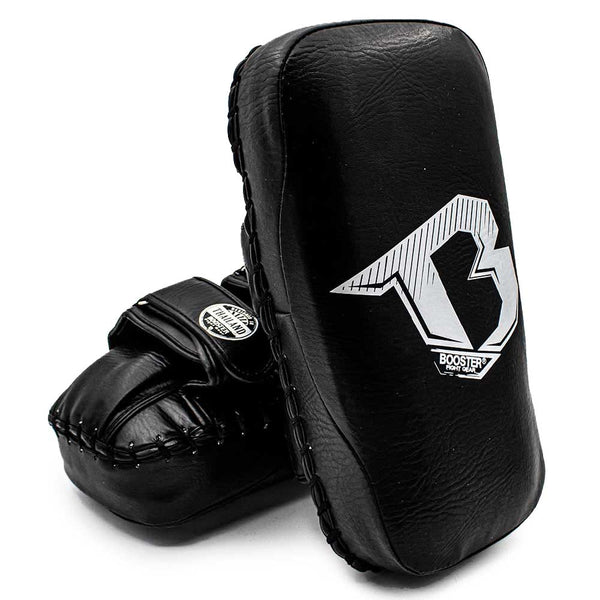
Booster BPM2 Carbon Black
The leather BPM2 combines a larger, curved striking surface with a hand compartment and a hook-and-loop closure. This makes it a distinct hybrid alternative to the Twins PML21. Check how much room your hand has and how you control the larger target when alternating between suitable punches, kicks and knees.
King Pro Boxing Revo Hybrid
The Revo Hybrid has a skintex exterior, a curved shape and a hook-and-loop closure. You hold it in your hand, rather than using the same forearm setup as a Thai pad. It’s worth comparing if you’re looking for a larger hybrid target and want to weigh up the hand space, shape and outer material.
Large kicking shields for focused drills
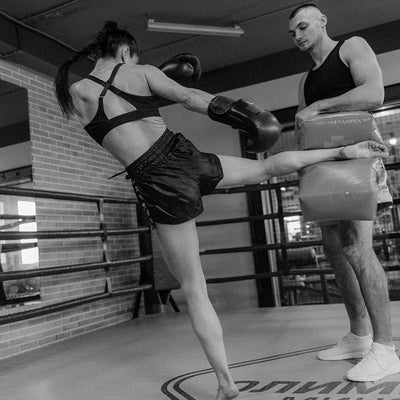
A large kicking shield gives you a clear, separate target that you position using the handles. It’s practical for a kicking station, a focused combination or a drill where you want to present a single shield. A larger surface isn’t automatically better for every beginner or child: the size also needs to be manageable for the holder.
Flat and curved are two different versions. A contoured striking surface may suit the way you position the target differently. Also consider the back, the handle positions and your room to move. The equipment should not dictate how you control the drill: agree on where to strike and how to stop.
Super Pro Flat
This Bysonil pad has four handles. M measures 60 by 30 by 15 centimeters; L measures 75 by 35 by 15 centimeters. This lets you compare how much pad you want to carry and hold. Choose the size based on its intended use and the person holding it, not a fixed age rule.
Super Pro Curved
The curved version has a contoured striking surface and measures 75 by 35 by 15 centimeters. It also has four handles. It offers a direct comparison if you want to feel how a different shape affects the way you present the target for your drills.
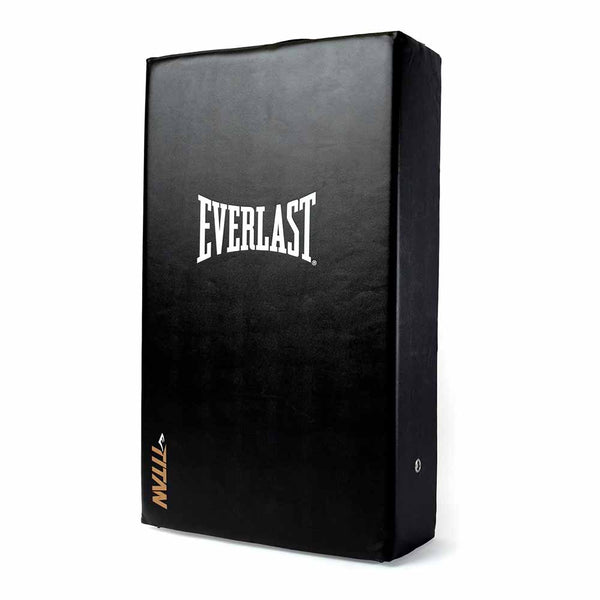
Everlast Titan
The Titan has a synthetic exterior and measures 64 by 38 by 15 centimeters. Its proportions differ from both Super Pro sizes. Compare the handle positions and size in your training space; see how the handle positions suit the way you present the target.
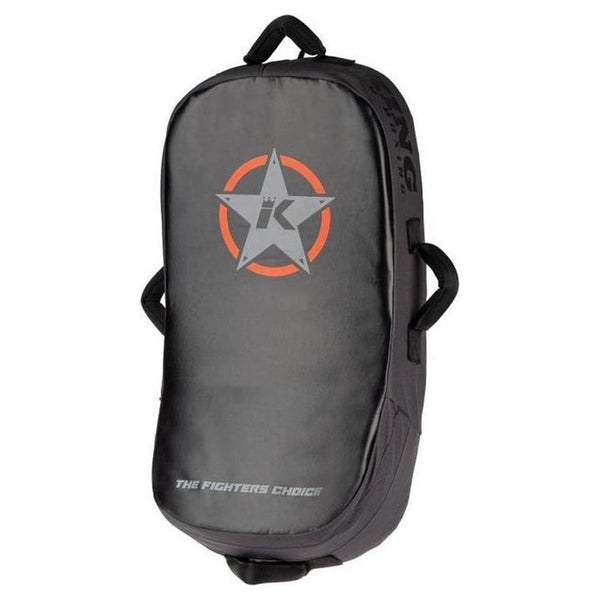
King Pro Boxing CKS Pro 2
The CKS Pro 2 has a Bysonil exterior and measures 60 by 35 by 15 centimeters. Four handles and two straps on the back give you different ways to position the pad. Compare the back with the Super Pro models and choose the grip that suits your planned kicking drill.
Booster CKS Pro
The Booster CKS Pro also measures 60 by 35 by 15 centimeters and has a Bysonil exterior, four handles and two rear straps. The same stated dimensions do not make it the same purchase as the King model. Assess the construction, handle positions and feel of the pad separately.
Belly pads for an agreed body target
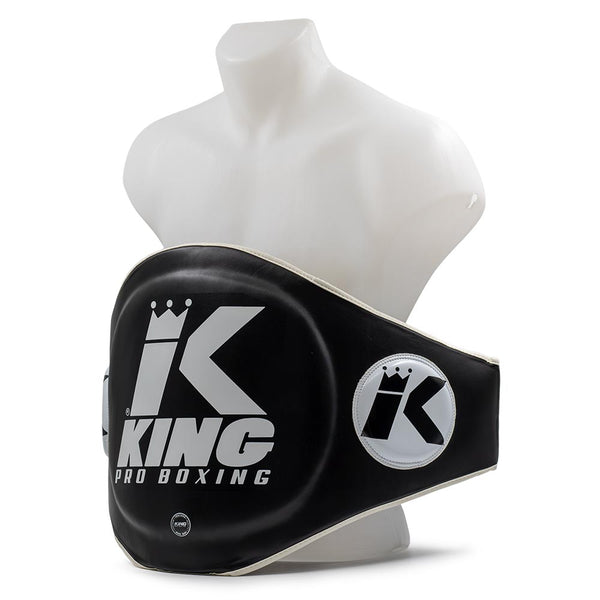
You wear a belly pad around your torso to provide a specific padded target. This is useful when a drill includes body punches or other techniques intended for that target. The equipment should suit the drill. In a punching class held entirely on punching mitts, it plays a different role than in a combination that includes a deliberately presented body target.
King Pro Boxing BP
The King BP has a Skintex exterior and fastens with hook-and-loop straps. Check where the padded area sits on your body and whether the fastening fits securely when you stand and move. The wide range of adjustment is a practical advantage: you can adjust the protector to suit your clothing and the position of the target area.
Twins BP2
The Twins BP2 is another skintex belly pad with a hook-and-loop fastening. Compare the shape of the front panel, sides and fastening with the King BP. They are two separate models; do not assume they fit the same way just because they belong to the same product category.
Show the athlete which target you are presenting beforehand. Set the pace to suit the drill and stop if there is pain or the protector shifts.
Winning Compact Protector
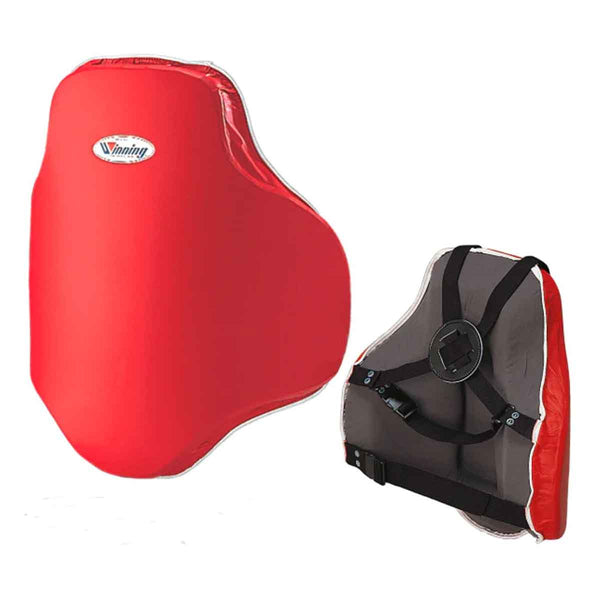
The Winning Compact is a skintex belly pad with an adjustable buckle. Its compact shape around the abdomen makes it different from the larger vest-like models in the next section. Check where the front panel sits on your torso and whether the fastening feels comfortable when you move.
Comparing torso and body protectors
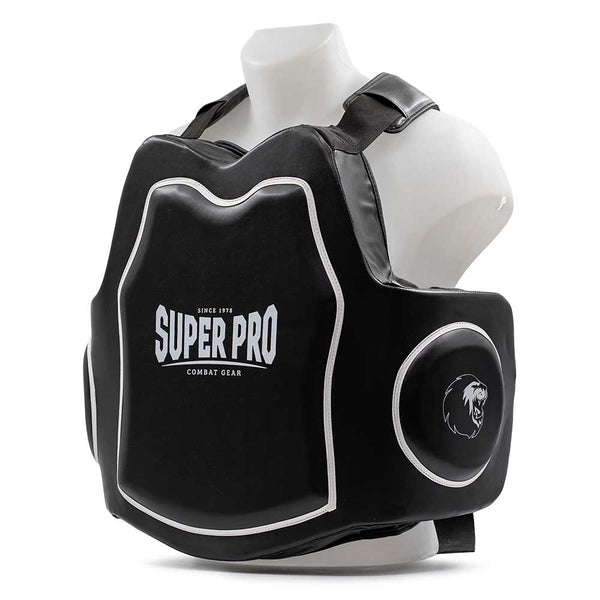
A larger body protector is built differently from a belly pad. It may extend further over the torso, and its fastenings may be arranged differently. This can be practical when you use different designated body targets during pad work. Assess the model's actual coverage, not just the term body protector.
Rival Body Protector
The Rival has a PU outer layer, a vest-like front and a belt fastening. Check whether you can adjust the protector to fit and move your arms to hold pads. Even with this larger design, the designated contact areas and agreed intensity remain the guide.
Everlast Coach Vest
The Everlast Coach Vest has a different design with three clearly padded targets. The adjustable back straps and the coverage across the front and sides are concrete points of comparison. Before taking any hits, test whether you can step, turn and hold the pads in the intended positions without the vest getting in the way or shifting.
More coverage can be useful for a specific drill, but you also need to consider your freedom of movement. Choose a body protector as part of your training plan, not as a substitute for clear agreements about distance and targets.
Booster XTREM
The XTREM is listed as a belly pad, but has a more extensive vest-like design with shoulder straps and side panels. That is why we compare it here with the larger body protectors. The outer layer is skintex. Check the position of the front panel and your arm movement if you also want to hold pads.
Super Pro Professional Gladiator
The Gladiator is also a more extensive body protector with a PU outer layer, four-layer padding and three marked targets. The adjustable back straps and the coverage across the front and sides are key differences from a compact belly pad. Check the fit while stepping and turning before you start the drill.
Winning Super Protector
The Winning Super Protector has a Skintex exterior, a wide, contoured front panel and an adjustable belt system at the back. That makes it a different setup from the compact Winning belly pad. Check the position of the front and sides, and how much room remains to hold your pads.
Cleto Reyes Heavy Duty
The Cleto Reyes Heavy Duty adds a leather option to this group. Its large front panel and belt fastening make it a model worth comparing directly with Rival, Everlast and Winning. Assess the coverage, fastening and range of motion together, based on the body targets used in your training.
Thigh protection for targeted kicking drills
Thigh protectors for trainers are not shin guards for athletes. They provide padded targets worn at the intended positions around the thigh. They are a specialist addition for trainers who deliberately use those targets in pad training.
King Pro Boxing TP
The TP is a separate thigh protector with a PU exterior, multilayer padding and adjustable straps. Check where the target sits on your leg and whether the straps fit without pinching. Also check your range of motion when wearing protectors on both sides and taking a step.
Twins BPLK
The Twins BPLK combines a belly pad with detachable thigh protectors. The parts are joined by a ring system and further secured with hook-and-loop fasteners. This is a different setup from a separate belly pad with separate thigh protectors. Check both the individual parts and the connections between them.
Use the protected targets for the intended drills and start slowly. Stop if a part shifts, a connection comes loose or the pad holder feels pain.
Super Pro Professional Centurion
The Centurion is a separate thigh protector setup with a PU exterior, four-layer padding, marked targets and adjustable rear straps. Compare the placement of those targets and straps with the King TP. It is an alternative for trainers looking for separate thigh protectors, alongside the combined design of the Twins BPLK.
Paddles and focus pads are not the same
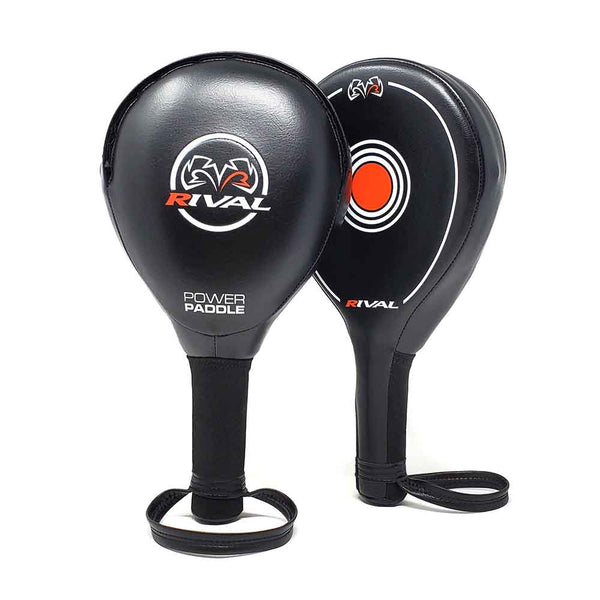
With paddles, you hold a handle. With focus pads, your hand can instead fit into a pocket with a grip bar and wrist fastening. That difference changes how you position and hold the target. The names are sometimes used interchangeably, but the construction is a better guide when buying.
Winning CM-15 paddles
The synthetic CM-15 has a handle with a wrist strap and a flexible striking surface. Its stated dimensions are 36 by 16 by 3 centimeters. A specific alternative for trainers who use this type of target in their punch training. Keep a firm grip on the handle; the wrist strap helps keep the paddle close to your hand.
Bytomic Red Label focus pads
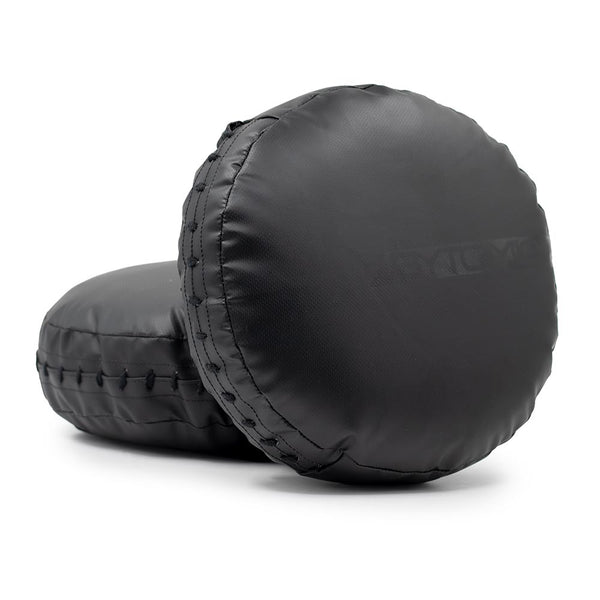
The Bytomic Red Label has a tarpaulin exterior and a hand compartment with a grip bar. It is not simply a cheaper version of the same paddle design. Consider whether this way of holding it suits your drills and the punch or kick targets you want to present with this model.
Use each tool for a clear drill. Deliberately alternate between presenting the target and pulling it back, so the athlete knows when to strike and when not to.
Rival Power RPDL Black
The black Rival Power RPDL combines a padded striking surface with a handle and a wrist loop. At the stated size of 18 by 33 by 7 centimeters and 650 grams per pair, it is a different design from a flexible floppy mitt. The handle, not a hand compartment, determines how you use it.
Hayabusa Boxing paddles
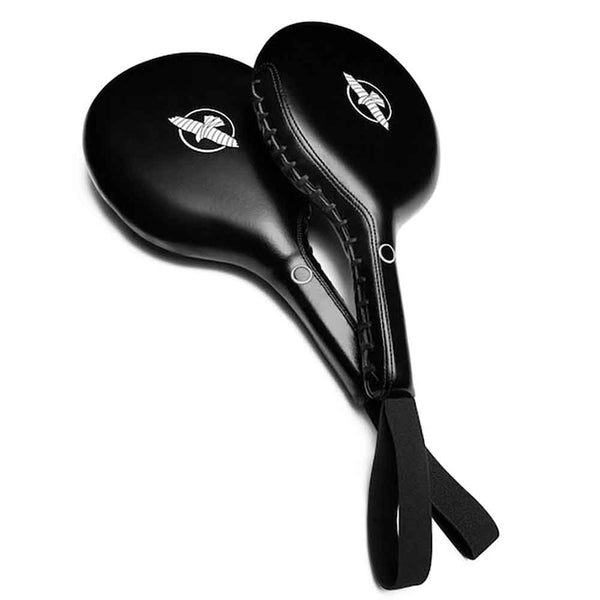
The Hayabusa Boxing paddles have a flat striking surface, a handle and an elastic wrist strap. You present the target by holding the handle, not through a hand compartment as with the Bytomic Red Label. Compare the grip and the proportions of the handle and striking surface for your punch-focused drills.
Booster XTREME F4
The XTREME F4 is a skintex paddle with a handle and an elastic safety loop. Its compact target offers a different option from the larger, padded Rival RPDL. Keep a firm grip on the handle and use the loop as an extra safety measure. Match the drill to the size and intended use of this paddle.
Grip, adjustment and freedom of movement
With punching mitts, start with the hand compartment and wrist fastening. With Thai pads, check the handle and forearm straps. With a protector you wear, look at the fastening, the position of the target and the movements you make during your lesson. These are three different fit questions.
Adjust the left and right sides separately. Then test gently, without impact, whether you can get into the intended positions. A tight strap, a loose hand compartment or a pad that twists calls for a different adjustment or model. Gripping harder is not a good fix for a fastening that does not fit.
When comparing options, consider your teaching day too. Do you run one session and put everything away afterward, or do you often switch between clients and drills? Easy access to the fastenings and an organized layout for your equipment make those daily tasks easier.
A practical setup for boxing and personal training
For a punch-focused session, start with punching mitts that fit well. Our pick is the RPM100. The RPM7, RPM5, Winning CM-20 and XPRT V4 Strikeforce offer different shapes and hand compartments to compare. Build the lesson around a clear drill, such as a short punching combination with an agreed movement.
A useful starting point is to present a firm, predictable target. MyBoxingCoach describes this as its practical approach to pad work: the boxer throws the punch, and the coach presents the target. This practical coaching approach fits with your choice of target, distance and exercise progression.
Add a belly or torso protector for exercises targeting the intended parts of the body. Paddles can have their own place when you want to work with that type of target. This gives you a consistent trainer setup that you can expand based on the classes you teach.
A setup for kickboxing and Muay Thai
For mixed punching, kicking and knee-strike rounds, suitable Thai pads are a logical starting point. Compare the Booster XP, King Revo KP, Twins TKP, Fairtex FXB-KP, Booster Dominance and XTREME F3 for construction and adjustability. The Twins PML21, Booster BPM2 and King Revo Hybrid are separate hybrid options when you want to guide a larger target by hand.
A large kicking shield also gives you a separate tool for a specific exercise or station. Belly and thigh protection add wearable targets when your training calls for them. Choose these additions to suit the exercise and check the fit of the full combination you wear.
Make switching between targets predictable. Agree on the combination, specify which surface can be hit and use a clear stop signal. This lets you use the different striking surfaces in a clear, varied training round.
Organizing small-group training clearly
In a small group, much of the quality of the training depends on clear stations and smooth role changes. Choose a specific exercise and suitable equipment for each station. A punching station with punching mitts and a separate kicking station with a large pad need different instructions.
- Make the exercise specific. Agree on which techniques to use and which target to present. Choose a simple combination before adding more variety.
- Check the pad holder. Show how to hold and adjust the equipment. The pad holder must stay in control of the exercise, even when the striker wants to go faster.
- Allow space and establish a stop signal. Keep moving athletes and equipment out of each other’s paths. Everyone should know how to stop the exercise immediately.
- Switch roles deliberately. Check that the equipment fits the new pad holder. A timer and a designated place for unused equipment help keep the round organized.
A logical arrangement of equipment and exercises gives your class a clear structure and helps you focus on how each exercise is performed. At punching stations, it also helps to calmly demonstrate how to present the punching mitts. The instructional video below focuses specifically on how to hold focus mitts.
Care after your last session
Wipe the outside of pads and trainer protective gear with a soft, slightly damp cloth. Then open the fastenings and pockets and let the equipment dry completely in a ventilated place. Do not stack damp gear in a closed bag right away.
Do not use Sukkiri or FreshKO on the outer material, including synthetic surfaces. A suitable leather cream is a separate option for appropriate smooth leather. Skintex, PU, microfiber and tarpaulin are not smooth leather and should not be treated with leather cream. Only care for the inside as appropriate for the product and according to the packaging.
Do not submerge padded equipment or protectors, and do not use direct heat to speed up drying. As you wipe them down, check the seams, handles, hook-and-loop fasteners and connections. That brief check after class is practical: you can see what needs attention before putting the equipment away again.
A quick equipment check before every training session
Before the first round, check that the handles are secure, the fastenings work properly and the padding has not shifted unusually or gone flat in places. For connected protective gear, check the rings and connections too. A broken handle or fastening has no place in the next drill.
Next, check the fit with the pad holder. Does the equipment still fit properly after putting it on, moving and getting into position? Does anything change when you switch from left to right? Have the athlete start slowly and adjust the drill if the distance, pace or choice of target is unclear.
Stop if there is pain, an unstable stance or equipment that shifts. Good equipment supports your instructions and gives the athlete clear targets to aim for. A clear drill and control by both participants remain important in every round.
Conclusion: choose equipment that suits your coaching
Punching mitts are a practical foundation for coaching punches. Thai pads, hybrid pads and large kicking shields give you other ways to present suitable targets for punches, kicks and knees. Compare them by how you use them, their shape and how they fit your hands and forearms.
Abdominal, torso and thigh protectors are targeted additions for classes where you use those protected targets. Paddles and focus pads offer another way to present targets. Give each piece its own purpose so your equipment suits your boxing training, kickboxing session or small-group setup.
Choose carefully, adjust the fit, and keep the equipment clean and dry. That way, you build a trainer kit that adapts naturally to the classes you teach.