A well-fitting pair of boxing gloves fits snugly around your hands and lets you make a fist comfortably. The tables below let you compare general guidelines with brand- or model-specific sizes, so you can choose the right pair for your training.
What size boxing gloves for kids?
Start with a children’s glove that fits the hand. Age and body weight help narrow the search, but the fingers, thumb and closure determine the fit. Have your child make a fist and then relax their hand while wearing the handwraps they use during training.
The age and weight tables are two separate guides. A child does not have to fall on the same row in both tables. If in doubt, compare adjacent sizes of the chosen children’s model and check that the glove fits snugly without pinching.
Do not buy a loose pair for a child to grow into. If the hand already slips or the glove twists, the fit is not right. A lightweight adult competition glove is not automatically suitable for a child’s hand, either. Partner drills must also follow the rules for youth training.
What size boxing gloves for men?
Use your body weight as a starting point, then consider the model and your training. The general men’s table helps you decide which versions to compare. It is not a universal sizing guide for every brand.
Is a specific glove weight required for sparren? Stick to that weight and find a version that fits. Choosing a lighter pair does not necessarily solve the problem of a model that is too roomy.
Check the finger length and thumb position too. A large hand needs enough room inside; a wide glove is not automatically the best choice for a long, narrow hand. You should be able to make a fist comfortably while wearing handwraps.
What size boxing gloves for women?
For women, training weight and room for your hand are two separate considerations. A lighter version is not automatically the right choice for a smaller hand. The women’s guide gives you a starting point; the model table and fit help you make a more specific choice.
Check the cuff as well as your knuckles. Your hand may feel comfortable in the glove while the closure does not fit snugly around a narrow wrist. The closure should secure the cuff without constricting your wrist.
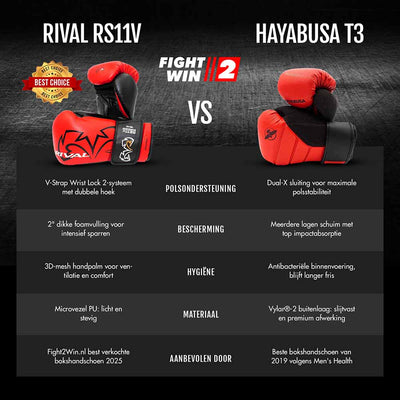
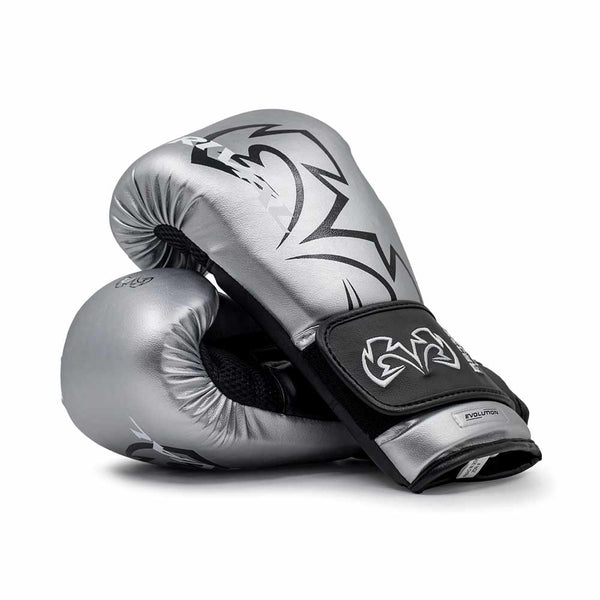
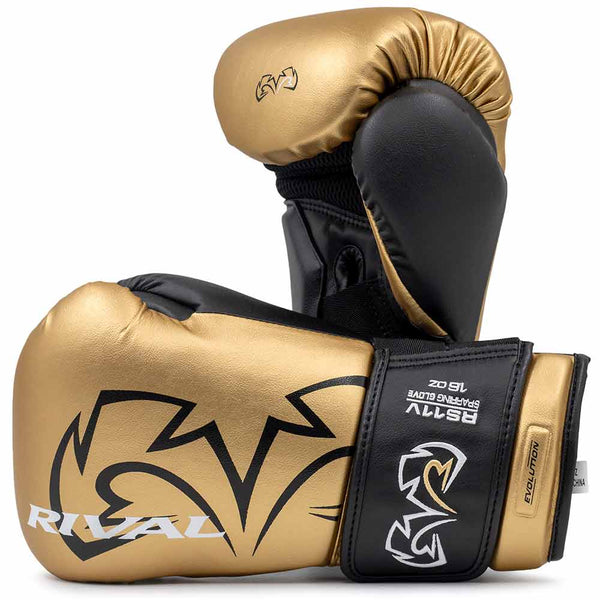
The Rival RS11V has a more compact S version. This is a useful example of a different fit at the same nominal glove weight. Compare that version when the standard version is too roomy, not simply because it is marketed for women.
XPRT: start with your training and compare the versions
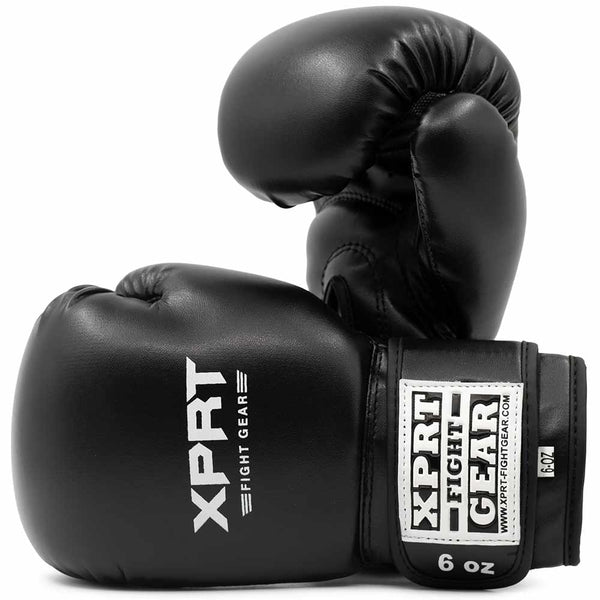
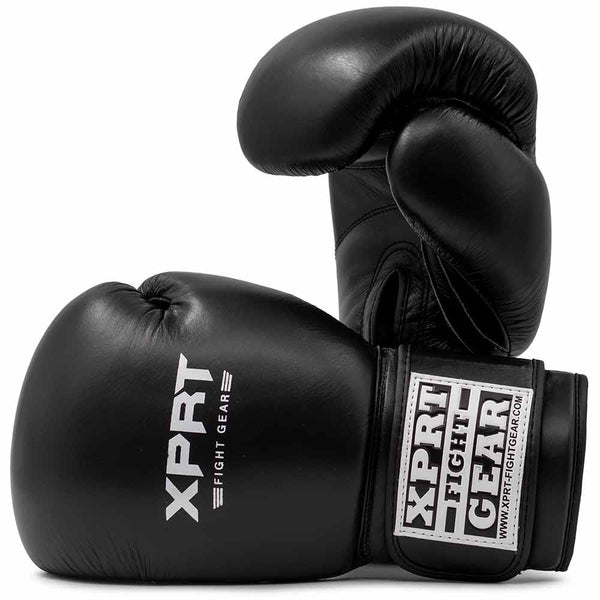
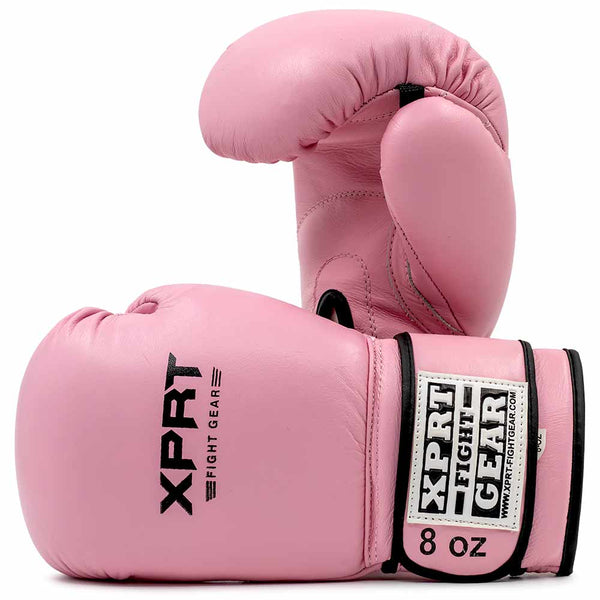
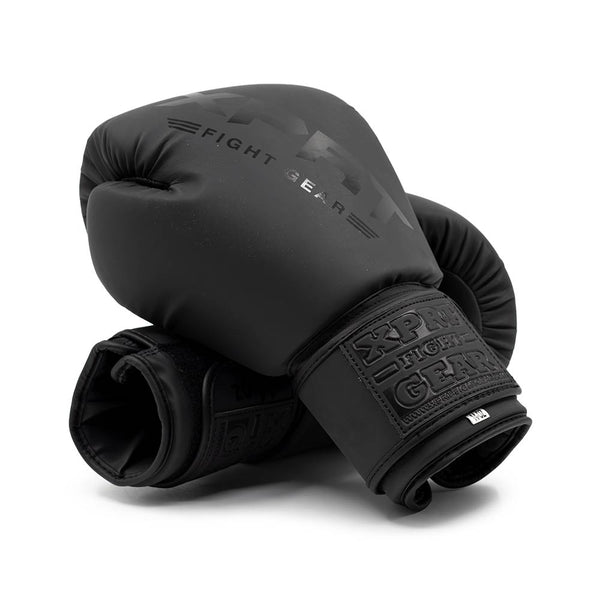
With XPRT, first choose a training weight and a suitable fit. The Pro V3, Top Gloves and Conquest V9 are specific models to compare. Color determines the look, not the size that fits your hand.
The table below gives the men's and women's guidelines for the Pro V3. Then compare the version you want to buy. Your type of training and the fit with handwraps remain the deciding factors.
The Conquest V9 is modeled after the Pro V3 and has the same fit. Pay particular attention to the closure and how it feels with your handwraps: your hand should feel secure, without excess room or painful pressure.
Rival: start with the general size, then choose a model
Rival shows why both body weight and hand circumference are useful. The general Rival chart gives you a starting point. Then compare the sparring glove you've chosen with any alternative versions.
The S version of the RS11V is a deliberate choice for a more compact hand compartment. It gives you a different fit, not necessarily a lighter glove. The RS100 also has its own size chart.
With Rival, also consider the intended use. The RB50 is a bag glove and comes in letter sizes. You can't convert those sizes directly to the ounce options for an RS11V or RS100. Choose a bag glove for bag work and a sparring glove for suitable partner training.
Twins: choosing a weight and checking the room for your hand
With Twins, consider the version and the room for your hand and handwraps. The BGN guide below covers both body weight and hand circumference. Use it as a starting point for this range, not as proof that every Twins model fits the same way.
The BGN V2 has room for larger hands and handwraps. Compare this model if other gloves feel too cramped. If you have smaller hands, check the fit carefully.
Make a fist and check that your fingers sit properly in the lining. Extra room is only comfortable if your hand doesn't slide around inside the glove.
Cleto Reyes: choosing a suitable training glove
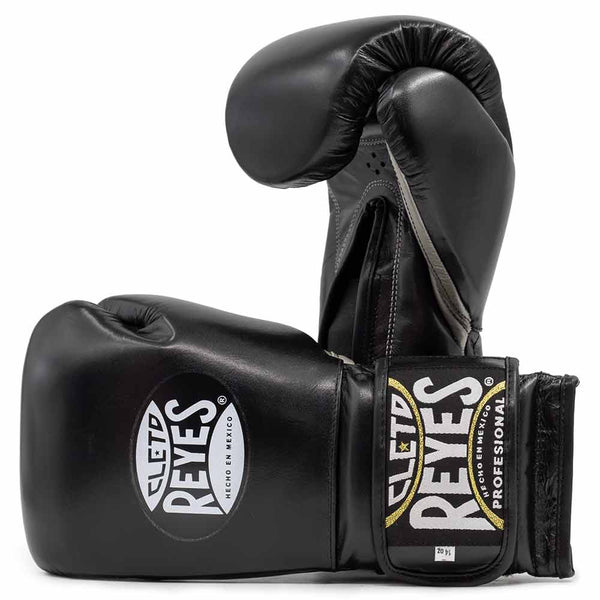
With Cleto Reyes, first choose the version suited to your training. The weight guide below applies to Cleto Reyes Sparring. A separate competition glove is not a substitute for that training choice.
The black Velcro Sparring is a specific model to compare. Check the finger and thumb position and the fit of the hook-and-loop closure. The brand or ounce rating alone won't tell you whether your hand fits comfortably.
New lining can feel firm, but painful pressure, tingling, or a forced thumb position are not reasons to keep training. First, check your handwraps and try a different fit.
Winning: training sizes and corresponding models
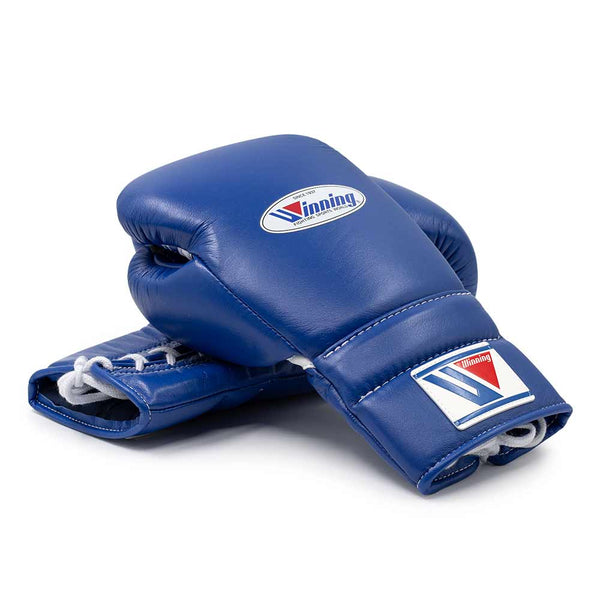
With Winning, the model designation and glove weight go together. The table links the training guideline to the corresponding models. That lets you compare not just a number, but a specific model too.
Keep training and competition gloves separate. A lightweight adult competition glove doesn't become a children's glove just because it weighs less. In competition, the models and weights permitted for that category apply.
Check the closure when making your choice, too. The MS600 model shown has laces. That's a different practical choice from hook-and-loop fastening if you want to put on and take off the gloves by yourself during a regular training session.
Hayabusa: a clear guideline for each range
For Hayabusa, start with body weight, training type and how the closure fits. The table below gives you a straightforward weight guideline. Then compare the specific model you actually want to buy.
The T360 has a double Dual-X closure and triple-splint wrist support. With your handwraps on, check that your fingers and thumb sit comfortably and that both wrist straps fit snugly.
If you use the gloves for sparren, stick to the prescribed training weight. Find a suitable option at that weight rather than simply following the general table.
When should you choose lighter or heavier gloves?
Choose based on the exercise, not the highest or lowest number. The glove type needs to suit how you use it. A bag glove, an all-round training glove and a sparring glove don't automatically serve the same purpose.
Bag training with a bag glove
The Rival RB50 is a specific example of a bag glove. Choose the right letter size for it. Don't use a lower weight as a trick to punch faster if the fit or glove type isn't right.
Sparren with a sparring model
The Rival RS100 is an example of a sparring glove. Start with the requirements of your training, then check the fit. A higher oz rating alone does not guarantee that a glove is suitable for every partner drill.
Pads, technique and pace
The Rival RB10 is a bag glove for bag and pad work, not for sparren. For pad work, you want to be able to close your fist properly and keep throwing combinations comfortably. A heavier pair puts more strain on your arms; don't choose it just because it sounds tougher. If you also train with a partner using the same pair, your choice needs to meet the requirements of that training too.
Checking the fit with handwraps
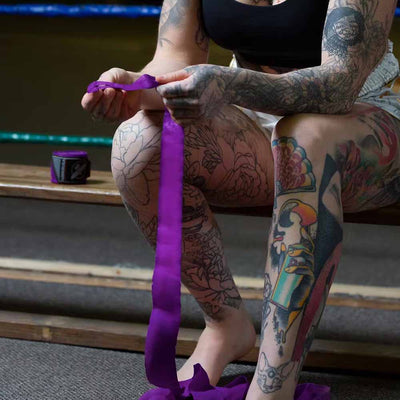
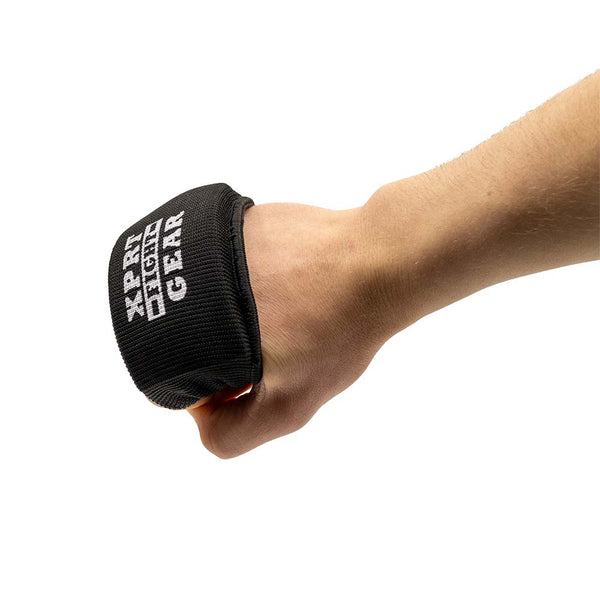
Try on the combination you will use. Putting only your bare hand into a glove gives you an incomplete picture. Wrap your handwraps neatly, without bulky bunches in your palm, then fasten the glove.
Make a fist, relax your hand and move your fingers a little. The lining should fit snugly without creating sharp pressure points. Your thumb should sit comfortably in its own compartment, and your hand should not rotate inside the glove.
Stop trying on the gloves or training if you feel pain, tingling or numbness. Check whether a fold or a handwrap wrapped too tightly is causing it. If the combination still feels too tight, compare another size or model instead of tightening the closure further.
How to measure your hand circumference
Measure your bare hand around the knuckles, excluding your thumb. Keep your hand relaxed and hold the tape measure snugly without pulling it into your skin. If the model's size chart has its own measuring instructions, follow those.
Compare the measured circumference with the relevant model's size chart. Hand circumference does not measure finger length or wrist width. So after choosing a size from the chart, still check how your fist, thumb and wrist fit in the glove.
If your measurement falls between the listed ranges, compare the neighboring sizes with your handwraps on. Do not turn an unclear boundary into precise advice that the table does not provide.
Why the same oz can fit differently
Oz describes weight, not a universal internal size. The shape, lining, finger length, thumb position and cuff all affect how a glove fits. That explains why one model feels comfortable while another with the same stated weight is too roomy or too tight.
A roomy model only helps a larger hand if the fit stays secure. For smaller hands, a more compact compartment may be a better choice. The product descriptions for the Twins BGN V2 and the S version of the Rival RS11V offer specific guidance, without implying that all models from those brands fit the same way.
A wide closure can secure the cuff, but it cannot make an oversized hand compartment smaller. So do not start by tightening it as much as possible; start with a model that fits your hand well.
Unclear cases and extra advice for parents
The best choice solves the actual fit problem. A loose fit around the hand, a tight thumb or a cuff that does not fit snugly do not necessarily call for the same solution. The table below helps you compare your options.
A child's hand is the starting point
Have the child keep the gloves on while trying them and ask where they feel tight or slip. A cool design is fun, but it doesn't change the fit. Compare colors only after finding a suitable children's model and a version that fits.
Check the fit again as hands grow or when the combination with handwraps changes. Extra room for later is no advantage if the glove already twists around the hand during training now.
Material and fastening don't guarantee a good fit
Both leather and synthetic materials can be used in models that fit well or poorly. Don't automatically choose leather expecting it to solve every fit problem. A comfortable fastening system is no substitute for enough room for your fingers and thumb.
Oz to grams: weight per glove
The conversion below shows approximately what the nominal weights mean. It refers to the weight of one glove, not the pair together.
Use the conversion to understand the label, not to infer the space inside from the weight. The model chart, your training and checking the fit with handwraps remain important when choosing.
Caring for your boxing gloves
After training, leave your gloves open to dry naturally. Take out any loose handwraps and air them separately or wash them according to their own instructions. A damp gym bag is not a good place to store them regularly.
When caring for your gloves, check the lining and fastening too. A lining that has started to bunch up or a fastening that no longer holds securely can change how your hand is supported. Stubborn odors aren't solved by simply choosing a different size.
Compare in our showroom in Waddinxveen
Want to compare different fits side by side? Explore the models in our showroom in Waddinxveen. Feel how your fist closes, where your thumb sits and how the fastenings differ.
You can also buy your boxing gloves here. If you're coming specifically for a particular version, check current stock on our website beforehand.
From size chart to a well-fitting pair
First choose the type of glove and weight that suit your training. Then use the general guideline and the relevant brand or model chart to compare your options. The fit with handwraps is what makes the choice final.
A well-fitting pair lets you make a fist comfortably, keeps your thumb in a comfortable position and stays on your hand without feeling too tight. Choose the version that does this for your training, not simply the highest oz number or the nicest color.








))

))


))


))


))

))