Good boxing gloves make training more comfortable: your hand sits securely in the glove, you can form a fist easily, and the padding suits what you're doing. You notice it during a relaxed combination on the pads, a longer round on the punching bag and partner drills. The right choice therefore starts with your training and your hands.
When you compare gloves, you'll quickly notice different materials, closures and weights. Beneath those differences are the features you actually use during training: the shape of the hand compartment, the position of the thumb, the feel of the padding and the fit around your wrist. Together, they determine how well a model works for you.
In this Journal, we bring those points together. You'll learn how to recognize quality, how to check the fit and what to look for in a first or next pair. Five specific models at different price points make the differences easier to see. You'll find detailed size charts, material comparisons and care routines in the related specialist Journals.
What makes a good boxing glove?
A good boxing glove supports a natural fist and has a padded striking surface suited to its intended training use. The hand compartment keeps your hand in place, the thumb sits comfortably, and the closure fits snugly around your wrist. So you don't judge quality by any one feature, but by how the shape, padding and finish work together.
You notice the difference when you try on two models one after the other. One glove lets your fingers curl into a fist without effort; with the other, you have to keep tensing your hand to hold the fist. A wide wrist strap may feel comfortable, while a different construction may fit your hand and forearm better. A good glove works as a whole.
Factor your training into your choice as well. A dedicated bag glove and a sparring glove are designed for different kinds of contact. A suitable training glove can serve several purposes. Start with its purpose, then look at fit, material and construction. That makes comparisons more concrete, so you don't have to rely on brand name or price alone.
Start with your training: punching bag, pads or sparren
In punching bag training and pad work, you make repeated contact with a training surface. You want a glove that lets you form a good fist and land punches comfortably. In partner drills and sparren, how the striking surface makes contact with the other person matters too. The glove you choose should suit that use and the agreed level of contact.
Training gloves are a practical option if you do different activities within a single class. Do look at the specific model, though: the word training alone does not tell you how the padding is constructed or what type of contact the manufacturer intended it for. A model sold as a sparring glove is a logical starting point for suitable partner work; keep a dedicated bag model for bag and pad work.
If you do a lot of bag work alongside regular sparren, having separate bag and sparring gloves is useful. You spread wear across the appropriate pairs and preserve the sparring padding for partner work. This is a choice based on how you train, not your skill level: recreational athletes can benefit from it too. In kickboxing and Muay Thai, the ability to catch techniques and freedom of movement in the hand also matter.
You can feel a good fit with your usual training gear
Try on boxing gloves with the handwraps or inner gloves you actually use. That combination determines how much space your hand takes up. A glove that feels roomy on a bare hand may fit well with handwraps. Conversely, thick handwraps may take up too much room in a compact hand compartment. So assess the whole setup.
Let your fingers settle into the finger compartment and gently make a fist. Your fingertips should sit comfortably, and your knuckles should line up properly beneath the padded striking surface. You should be able to close your hand without your thumb being pulled out of position or a hard seam pressing into your fingers. Then relax your hand again: having to keep squeezing to hold the glove in place is not a comfortable starting point.
Then fasten the wrist strap and hold your hands in their normal position. A good fit feels secure without being too tight. Compare left and right, as your hands may feel different. Pay particular attention to any sharp pressure points, tingling or movement inside the glove. A new pair can feel snug, but the basic shape should fit your hand from the moment you try it on.
Our Fight2Win picks: five models at different price points
From an accessible leather training pair to an exclusive Japanese-made model, these five choices show what different price ranges have to offer. You can compare hand shape, cushioning and wrist closure alongside the budget that suits you. The order is not a ranking. Each model has its own combination of features to try on and compare.
XPRT Pro V3 Midnight
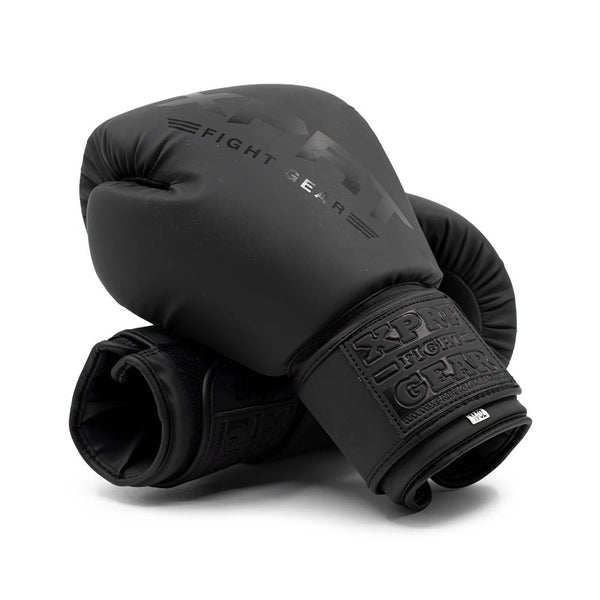
The XPRT Pro V3 Midnight combines a leather exterior, multilayer foam padding and a wide hook-and-loop closure in an accessible training model. The wide strap makes it easy to put on and take off without help and provides a snug fit around the wrist. Ventilation holes in the palm help with airflow. That makes the Pro V3 a practical starting point for anyone looking for a complete leather pair for boxing or kickboxing.
Twins BGN V2 Black
The Twins BGN V2 combines a leather exterior with a roomy hand compartment and extra padding in the palm. This leaves room for handwraps and is practical when you also block techniques during kickboxing or Muay Thai. The wide hook-and-loop closure lets you adjust the fit around your wrist. If you are looking for a generously padded Thai training glove, this is a clear option to try on alongside the others.
Rival RS11V Gold
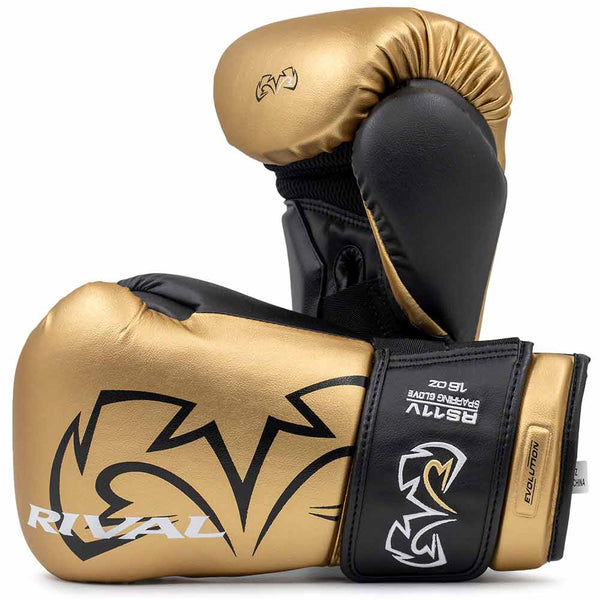
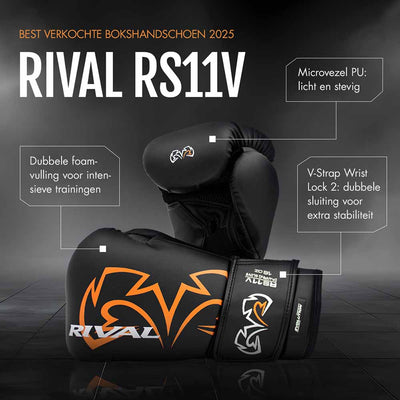
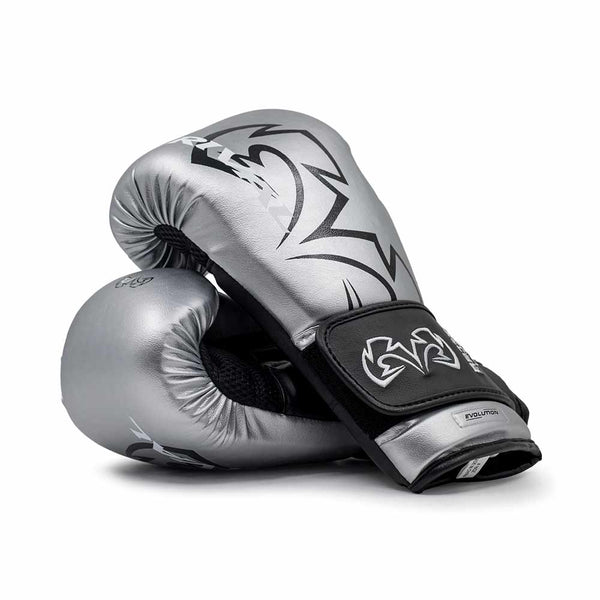
The Rival RS11V Gold is designed for sparren and combines 50 mm layered foam padding with the diagonal V-Strap Wrist Lock 2. This closure tightens the cuff all around for a secure fit at the wrist. The microfiber exterior shows how a premium synthetic construction can be part of a purpose-built sparring glove. Pay particular attention to how the hand shape, closure and padded fit suit your hands.
Cleto Reyes Ink Black
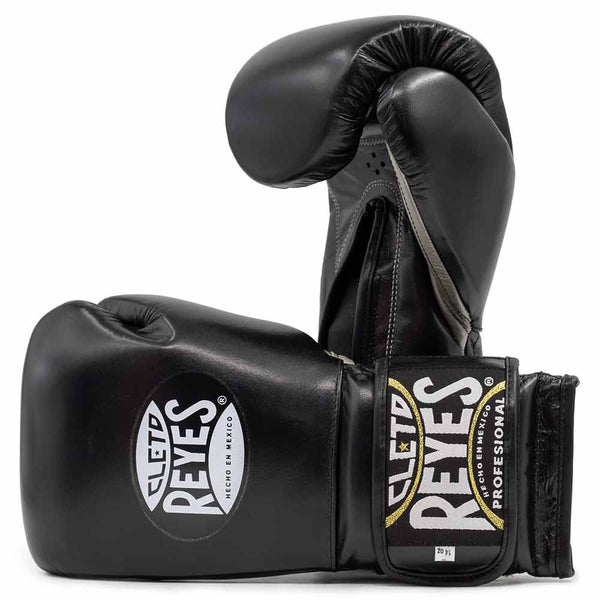
The Cleto Reyes Velcro Sparring Ink Black is a handmade Mexican leather glove with resilient latex-foam padding. The feel of the material and the wide hook-and-loop closure give this model a character of its own within the selection. You can put the gloves on and take them off yourself, and adjust the cuff around your wrist. An appealing option to compare if you are looking for a classic leather boxing glove with latex-foam padding.
Winning MS600 White with laces
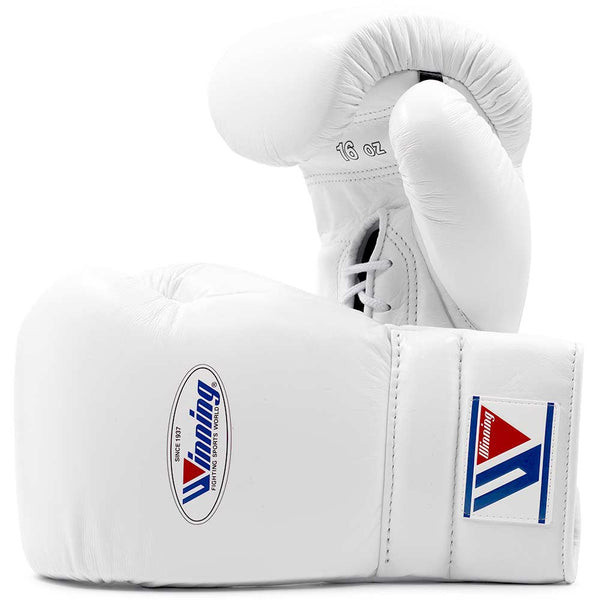
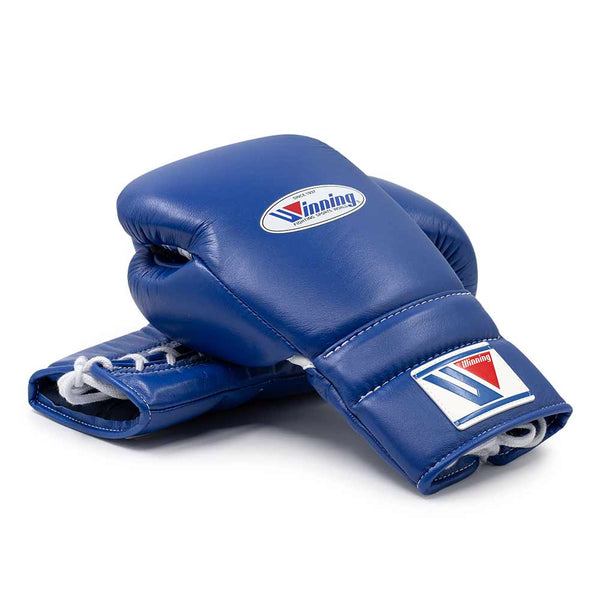
The lace-up Winning MS600 White represents the premium Japanese option in this selection. Its multilayer padding and carefully adjustable lace-up closure make it an interesting model for anyone who values a padded fit and a secure feel around the wrist. A training partner can help you lace the cuff evenly. This also lets you compare the convenience and feel of laces with the hook-and-loop models in the selection.
Fingers and thumb: room for a natural fist
A comfortable fist starts with the finger compartment and the grip. Your fingers should be able to curl naturally, with your knuckles in their intended position behind the padding. A well-fitting glove needs less constant adjustment. You can feel that even when gently opening and closing your hand while trying it on.
The thumb has its own shaped section, often attached to the rest of the glove. That connection and the thumb's position help keep your hand aligned. Pay particular attention to the angle: does the thumb follow your natural fist, or does it feel pulled outward or backward? A high thumb attachment or a particular shape is not a measure of quality on its own; what matters is how it fits your hand.
Also check the areas where the fingers, palm and lining meet. A small lump of fabric or an awkwardly placed seam can become irritating with repeated movement. Test this gently, without immediately hitting a surface hard. Trying them on is about feeling how your hand sits inside the glove, not testing the strength of a new pair.
Padding: cushioning, feel on contact and the right use
The padding is the working layer between your fist and the contact surface. The foam layers, their density and their distribution across the striking surface together determine how a glove feels. Some models feel softer around the knuckles at first; others provide a firmer, more direct feel on contact. The model’s intended use helps put that difference in context.
For sparren, you want suitable padding that is evenly distributed. For bag training, a different construction may feel better for absorbing repeated punches while giving you a clear feel for the contact. So do not judge a glove solely by how easily you can press a finger into its outer surface. A finger-press test is different from the force of a punch.
The distribution of padding around the palm also varies. For partner drills and catching techniques, extra padding there can be useful. It is worth looking at a glove from several angles and feeling how easily your hand can open and close. That lets you assess it for both delivering and catching techniques, whether you practice boxing, kickboxing or Muay Thai.
Wrist support: closure and cuff work together
The closure secures more than just the end of a glove. The width of the strap, the length of the cuff and the shape around your wrist all affect how the fit feels. A firm construction can feel good for focused punching drills, while you also want enough freedom of movement for the exercises in your class.
Velcro is practical when you need to put your gloves on and take them off by yourself during training. Check that the strap fastens with enough overlap and makes even contact. The diagonal V-Strap Wrist Lock 2 on the Rival RS11V tightens the cuff all around for a snug fit at the wrist. Take a moment to adjust it properly before judging the fit.
Laces offer a different way to fasten the cuff around the wrist. They are also used in training, not just in competition. Tying them properly requires help; suitable lace converters provide a practical alternative fastening method for compatible models. Which option you choose depends on the model and how often you take off your gloves during class. For partner work, fastenings and lace ends should be carefully secured.
Leather, microfiber and other synthetic materials
Leather is an appealing choice for its feel, appearance, and the way a well-made glove can become more supple with use. At the same time, there are high-quality synthetic options designed specifically for intensive training. The Rival RS11V, for example, shows that microfiber has a place in a serious sparring glove.
The difference between a basic PU version and a high-quality microfiber construction is greater than the label “synthetic leather” suggests. Compare the specific material, finish, hand compartment and padding together. A leather label alone does not tell you how well the lining is fitted or how comfortably the glove fastens around your wrist.
Your personal material preference can also play a part. You might like a classic leather version or prefer a model with a synthetic outer layer. Check the product information for the full picture: the lining, finish and other components also matter. The specialist material comparison explores this further.
Oz tells you the weight; fit is something you feel separately
Oz stands for ounce and indicates the weight of the glove. It is not a hand size. Two models with the same oz rating can fit differently around the fingers, knuckles and wrist. Consider the weight when choosing, but also try on the glove with your handwraps.
For partner drills, what matters is the oz rating used in your training; for competitions, the rules of the event apply. Your build, the model and your intended use all play a part. Automatically assigning one weight to every woman and another to every man ignores differences in hands and training.
If you’re looking for a more compact hand compartment, for example, look at the fit options within the model range rather than just choosing a lower oz rating. Extra glove weight is not, by itself, a sign of padding quality. The size guide has a fuller explanation and guidelines, so this article can stay focused on your purchase decision.
Finish: check the seams, lining and fastening surfaces
You often only really notice the finish after putting on a glove a few times. Still, you can check a lot when trying it on. Do the seams follow the shape neatly, do the joins lie flat and does the inner lining feel comfortable? A carefully fitted lining moves with your hand without large folds where you bend it.
Check how the thumb joins the glove, the edge of the cuff and where the closure strap is attached. These are areas you move or grip often. An even seam and neat finish are more useful to assess than the number of visible rows of stitching alone. Different constructions can be sturdy in different ways.
Open and close the hook-and-loop fastener and check how much contact area remains when the glove fits properly. Also feel whether a hard edge rubs against your wrist. Inside, short, well-kept nails and a smooth handwrap help keep the lining comfortable. This connects quality checks directly to your own training routine.
Price and quality: pay for features you use
A good budget starts with the features that really matter to you. For a first pair of training gloves, a suitable hand shape, a comfortable wrist strap and appropriate padding can make a big difference. If you train often, you may place extra value on a specific cuff, a particular material or a separate pair for bag work and sparren.
A higher price may reflect the material, production method, finish, a special closure design or an exclusive version. That makes it worth looking closely at what you get. The question is not just which pair costs more, but which features make your training more comfortable and practical.
So compare function and fit first, then look at the different versions and prices side by side. An accessible leather model like the XPRT Pro V3 can be a sensible starting point; a dedicated sparring design or double closure offers other options. The buying guides can then help you choose a model within a price range. Here, the focus remains on understanding what to look for.
From trying them on to your first training session
A new pair gives you a chance to fine-tune the whole setup without rushing. Use the same handwraps you wore when trying them on, fasten the closure carefully and start with simple exercises. This lets you feel how the glove moves when you throw a jab, cross or gentle combination from your stance.
Your first few training sessions will show whether the finger compartment, thumb and wrist continue to feel comfortable together. The leather and lining may become more supple with use. Focus on the basics: your fist closes naturally and your hand stays in the right place. Gradually increase the intensity within the type of training the model is designed for.
- Prepare your hand. Wrap clean handwraps smoothly, without creating a thick lump in your palm.
- Position your fingers. Slide your hand all the way into the hand compartment and gently make a fist.
- Adjust the closure. Make sure it fits evenly around your wrist without feeling too tight.
- Start gently. Use simple exercises to feel how the model fits and moves.
- Check them afterward. Open the closures, take the gloves out of your bag and let them air out.
Care keeps your gloves comfortable to use
The most important routine begins as soon as training is over: take the gloves out of your gym bag, open the closures and let them air out in a dry place with natural ventilation. This gives the inside time to dry and gets the pair ready for your next session. Clean handwraps, washed according to the care label, are part of that routine.
Wipe the outer material with a soft, slightly damp cloth and gently dry it afterward where needed. On suitable smooth leather, you can apply a thin, even layer of an appropriate leather cream. Care should suit the material; it does not mean applying a thick layer of grease or treating every model on a fixed monthly schedule. The separate leather guide explains the routine in more detail.
Sukkiri and FreshKO are options for caring for the inside of gloves. Do not spray them on the outer material, even if it is synthetic. Deodorizers are a useful addition to airing and drying. Do not put gloves in the washing machine or dryer, or submerge them in water. Do not put them on a radiator to speed up drying, either.
Recognizing wear and choosing your next pair
Check your gloves as you put them away after training. Does the closure still hold securely, is the padding still even across the knuckles, and is the lining intact? This helps you notice changes in the parts you actually use. A pair that has been stored properly is also easier to assess at your next training session.
If the thumb attachment comes loose, a fastening tears, or the padding has clearly shifted and become flattened in places, stop using the pair for contact work and choose a replacement. Surface discoloration or a crease from use is different from a defect in a functional component. Judge them by how they work, not just how they look.
Your experience with your current gloves can help you choose your next pair more precisely. Perhaps you really like the fist shape and want the same fit, or you want a different cuff or a separate pair for frequent heavy bag training. Training frequency, intensity, use and care vary; the condition of your pair is a more practical guide than a fixed replacement schedule in months.
Choose boxing gloves based on the whole design
Start with your goal: what exercises do you do, and what kind of contact do they involve? Then try the gloves on with your handwraps and check how your fingers, thumb and wrist fit together. Assess the padding for its intended use, and consider the material, lining, seams and closure. That way, you can narrow a large selection down to a manageable choice.
The five Fight2Win options give you different choices within your budget: an affordable leather training pair from XPRT, a roomy Thai-style pair from Twins, Rival's purpose-built sparring design, latex-foam padding from Cleto Reyes and the Japanese lace-up model from Winning. Compare the benefits that matter to you and choose the combination that suits your hands and training.
With a well-fitting pair and a practical care routine, you can start your training well prepared. For more detail, see the size guide, material comparison and care articles in this Journal. Below is an overview of boxing gloves and useful additional equipment for your daily training.