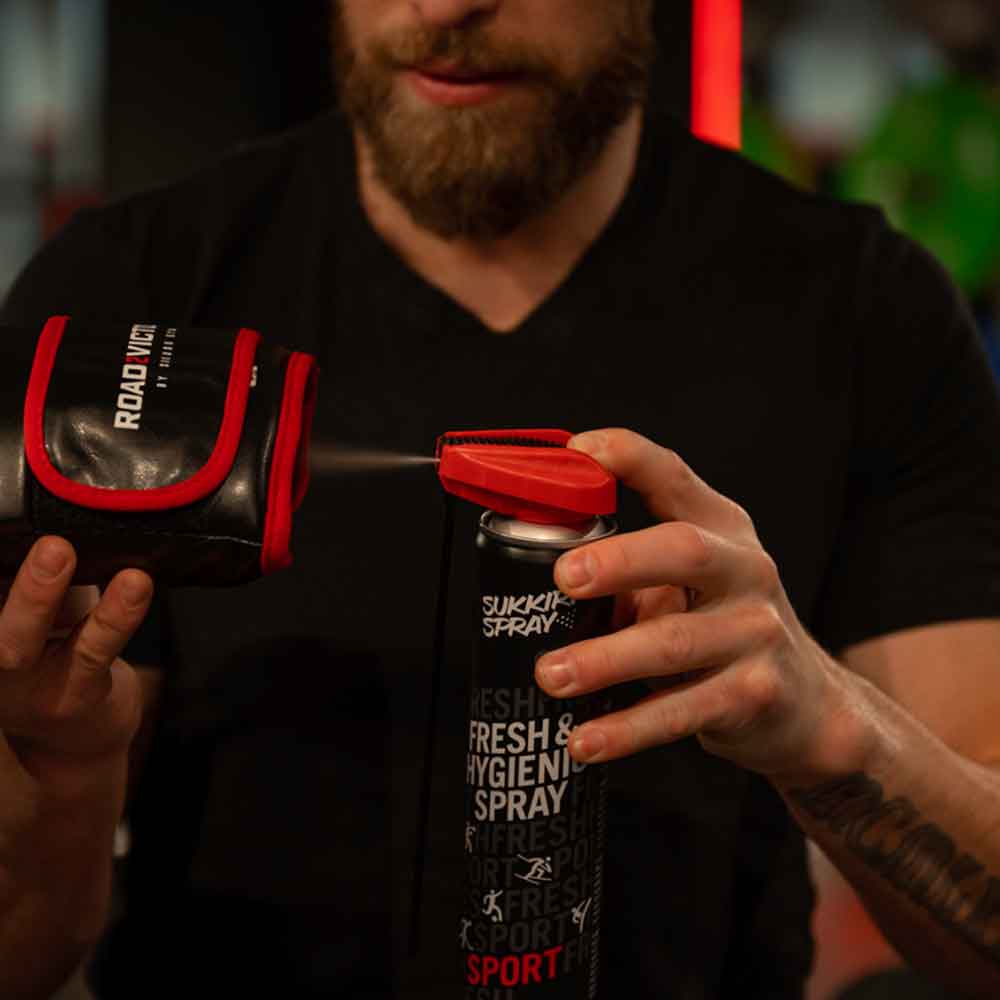
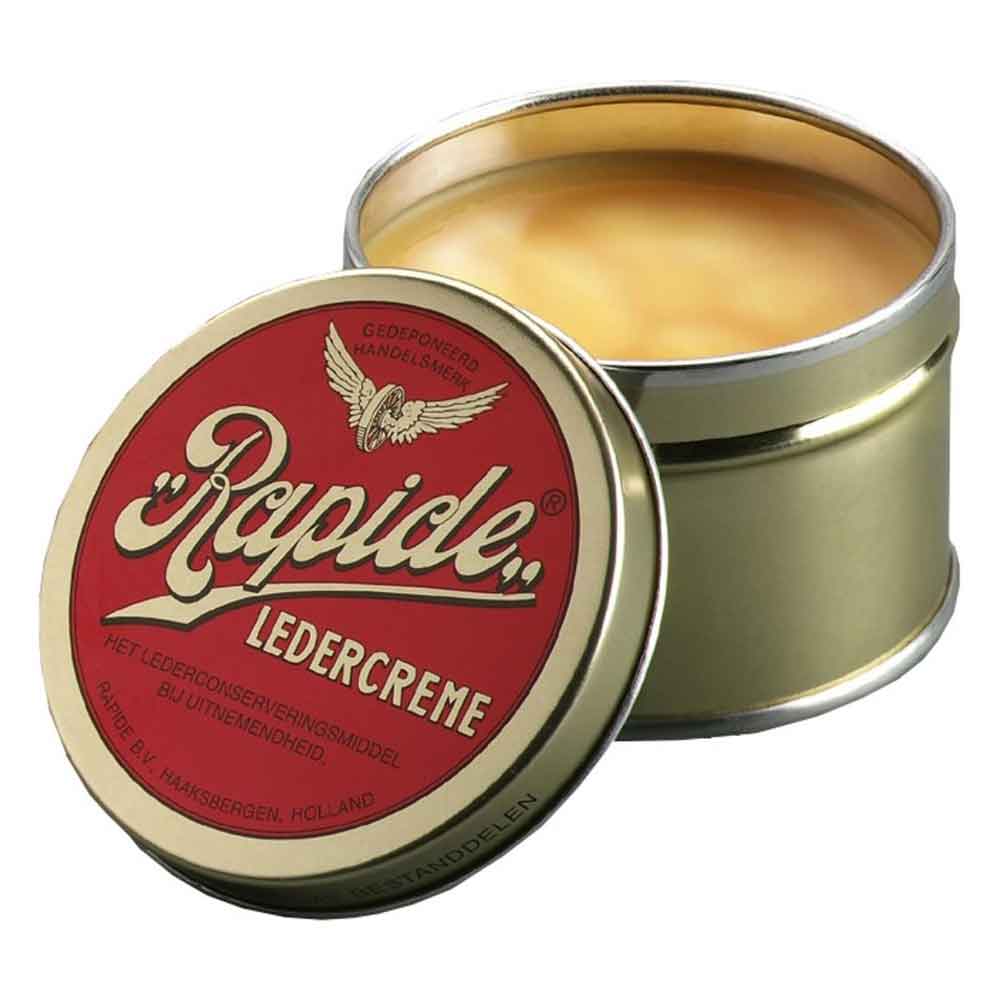
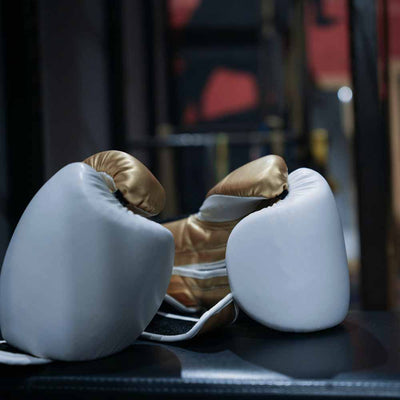
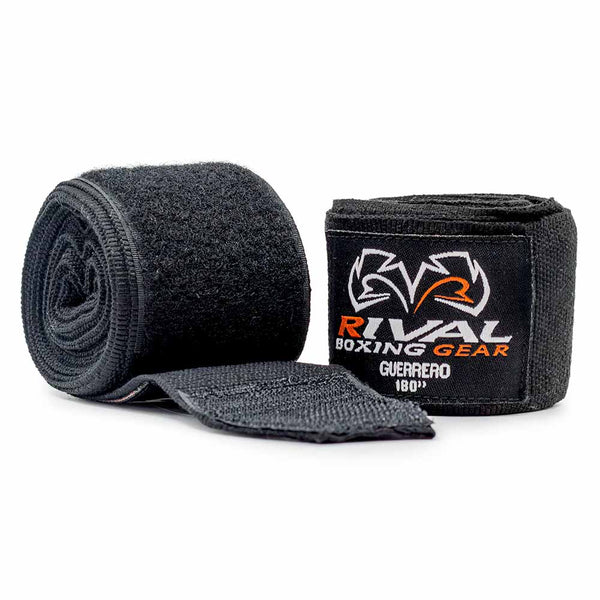
Caring for your boxing gloves starts with clean handwraps. Take your gloves out of your gym bag after training, wipe down the outside and use a deodorizer while they dry. For cleaning and keeping them fresh, we recommend Sukkiri Spray. If you have suitable leather gloves, targeted leather care such as Rapide Original helps keep the outside supple.
You don't need to make it a complicated ritual. A regular routine mainly helps you deal with moisture, dirt and early signs of damage before your next training session. Below, you'll learn what to do every day, when a care product is useful and which mistakes to avoid.
Caring for boxing gloves in six steps
Make these six steps your regular routine for boxing, kickboxing and heavy bag training: clean handwraps before training, then unpack your gloves, clean them and care for the inner lining where needed. Let any spray you apply dry before placing the deodorizers inside while the gloves air out.
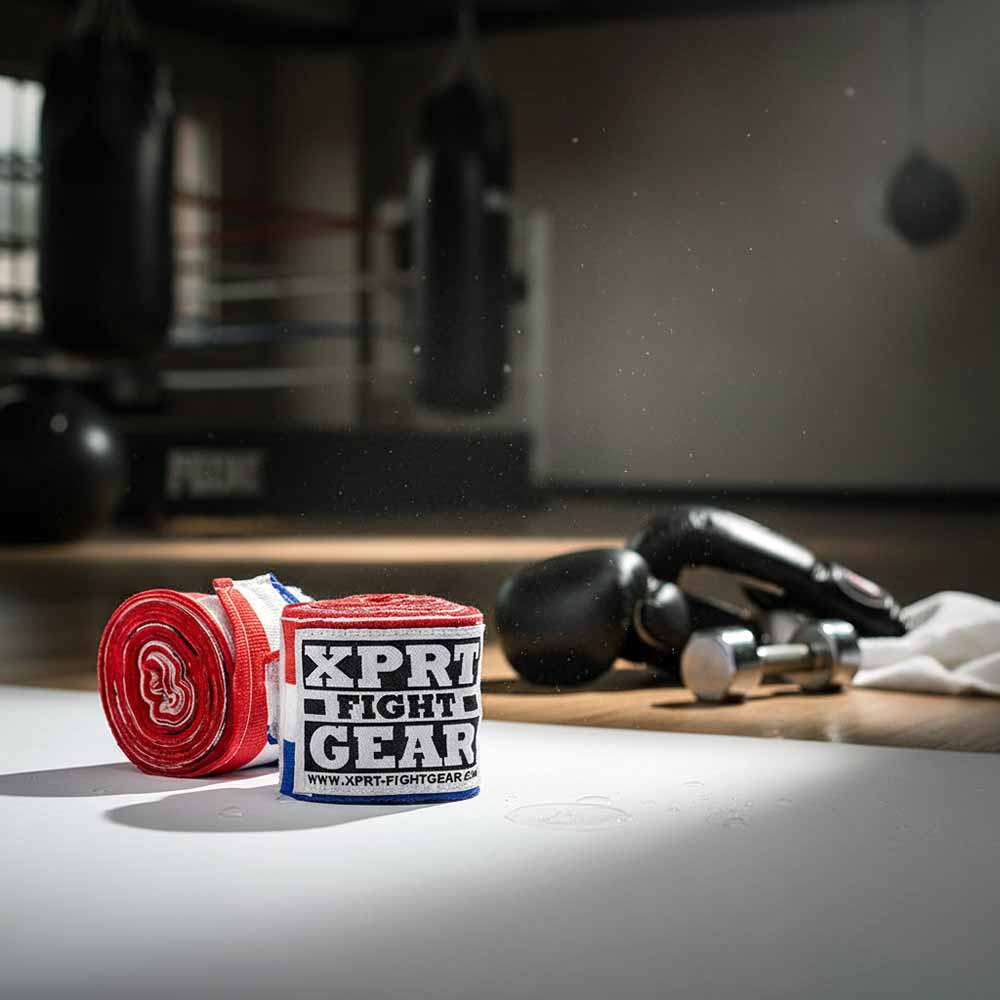
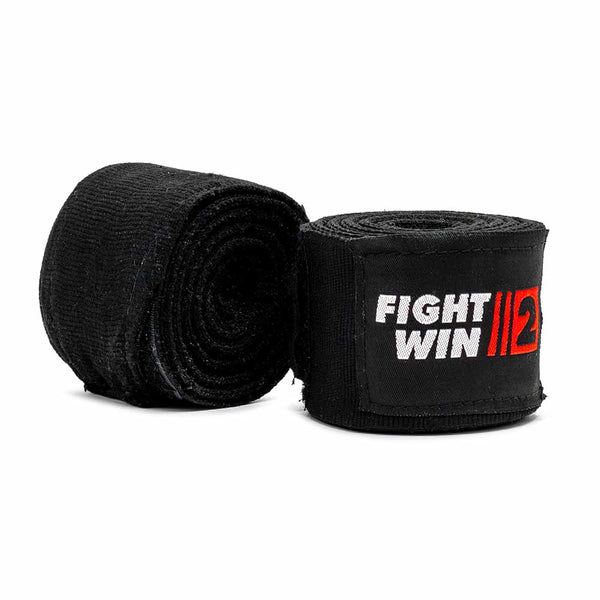
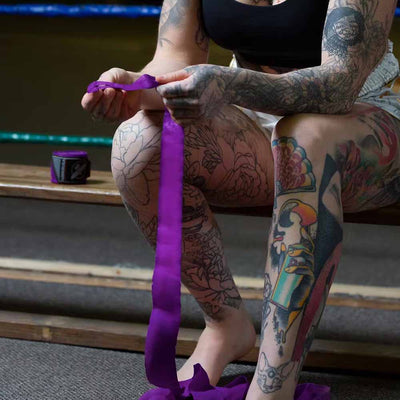
- Always use clean handwraps. Start every training session with a clean, dry pair. If you wear inner gloves, make sure they are clean and dry too. Wash used handwraps according to the care instructions.
- Take your gloves out of your bag and open the closure. Unpack as soon as you get home, remove used handwraps and open up the wrist opening so the inside can air out.
- Wipe down the outside. Remove sweat and dirt with a clean, soft cloth and use a cleaner suited to the material and finish.
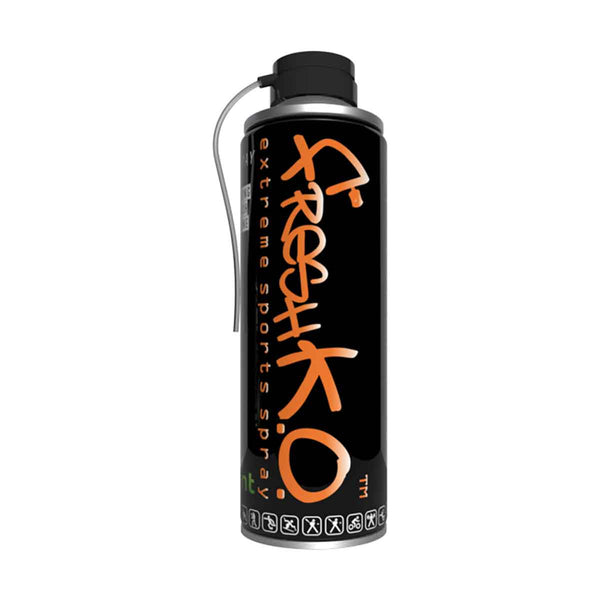
- Clean the inner lining where needed. Use Sukkiri according to the packaging; FreshKO is an alternative. Apply the spray only to the intended inner lining and let the treated lining dry before use.
- Use deodorizers while airing them out. Place the sachets according to their instructions after the spray has dried. Leave the gloves with their closures open in a dry, ventilated place.
- Check before you train again. Inspect the closure, seams, thumb attachment, lining and padding. Use the pair again only when it is dry and in good condition.
Use clean handwraps or inner gloves
Start each training session with clean, dry handwraps or inner gloves. They sit directly against your skin and absorb sweat while you train. Starting with a clean pair makes more sense than repeatedly spraying more product into your gloves afterward.
Separate used handwraps at home and follow the care instructions. The care instructions for our handwraps include closing the hook-and-loop fasteners, using a laundry bag, avoiding fabric softener and air-drying. The stated maximum temperature is 30 °C, with handwashing preferred. These instructions apply to these handwraps; 30 °C is not a general washing temperature for every product.
The care instructions for XPRT EZ Padding gel-wraps also say to wash them inside out and not to tumble-dry them. A separate gel pad, neoprene inner glove and cotton handwrap may need different care. So check what you actually have.
With a second pair, you do not have to put on still-damp handwraps again. Roll them up neatly only when they are completely dry.
Take your boxing gloves out of your sports bag
A sports bag is handy for travel, but it is not the place to keep your damp gloves until the next training session. Even a bag with ventilation compartments does not eliminate the need to unpack them. A simple routine works well: put your bag down when you get home, take out your gloves, and put your handwraps in the wash.
Open the hook-and-loop fastening or loosen the laces without forcing the closure. Set the gloves down so the wrist openings are not pressed against each other or a wall. Do not put them straight back into a closed cupboard or box.
Keep wet clothing and a used towel separate. Otherwise, you will put your gloves back among damp items after wiping them down.
Wipe the outside thoroughly
During training, sweat, dust and contact with other equipment all affect the striking surface. Wipe the outside after use with a clean, soft cloth. For dirt that does not come off this way, follow the model's cleaning instructions. Do not use a strong cleaning product just because it works well on the floor at home.
If a slightly damp cloth is permitted, wring it out rather than using it dripping wet. Work carefully around seams, prints and fastenings, and do not leave pools of moisture behind. Do not submerge a padded boxing glove to clean the outside.
Wipe any printed design or metallic finish gently. Use a product that the manufacturer permits for that version and test it first on a small, inconspicuous area. Take the coating and finish of your model into account.
Clean the inside and dry boxing gloves
You cannot treat the inside of a closed glove like a separate T-shirt. Do not pull the lining out or pour water or soapy water into the opening. Use only a cleaning method that the manufacturer permits for the inside.
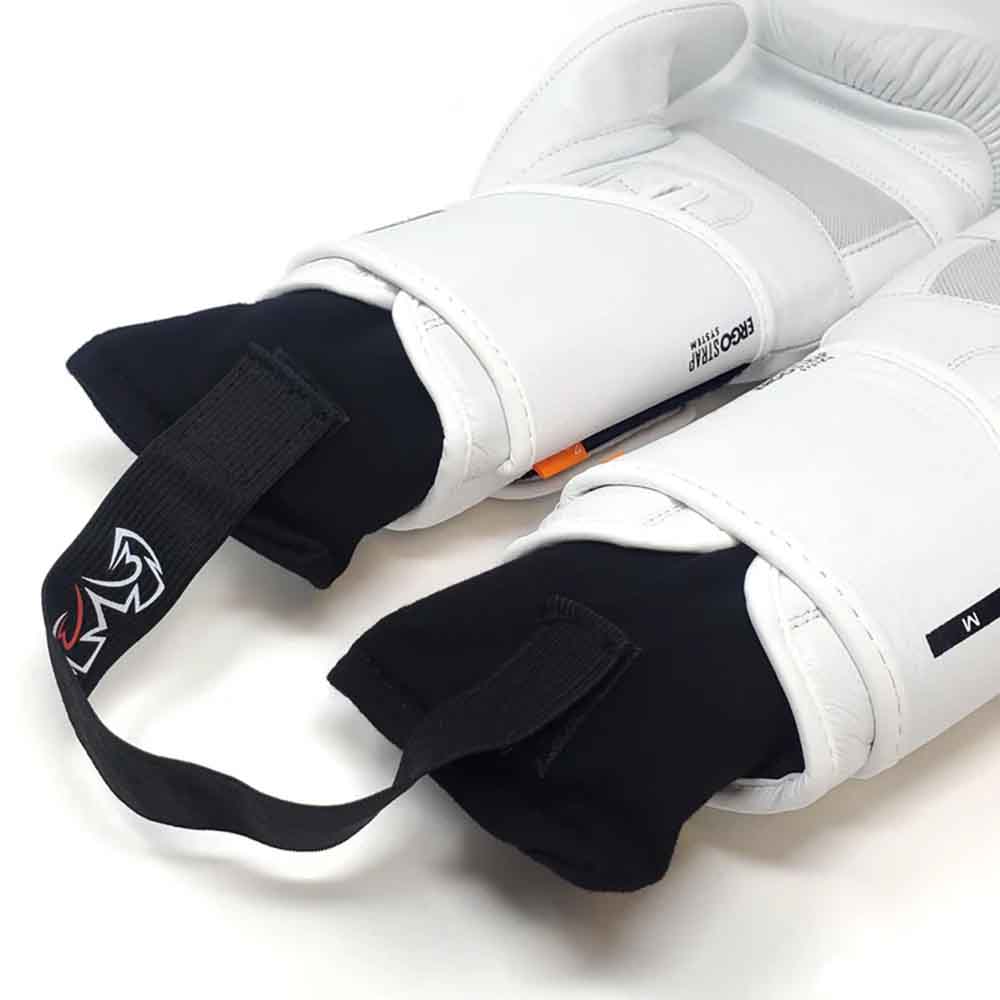
Use a deodorizer while drying them. Place the sachets in your boxing gloves according to the product instructions, then stand or lay the pair in a dry, ventilated place at room temperature. This combines an aid for moisture and odor with the ventilation your gloves need. The Rival deodorizer is a practical choice for this.
Keep the gloves away from direct heat. Do not put them on a radiator or aim a hot hairdryer into them. Put your gloves away only when the lining you can reach feels dry.
Our practical advice: let your gloves dry with a deodorizer after every training session until the next day. Before you train again, feel the accessible lining near the opening. If it is still damp, let the pair dry longer. This gives you a regular routine without putting damp gloves away too soon.
Do not wash boxing gloves in the washing machine. Do not use a dryer or submerge them in water. Wipe the outside with a soft cloth and use Sukkiri Spray on the inner lining according to the packaging. Let the spray dry first, then place the deodorizers inside and leave the gloves in a ventilated area. Wash your handwraps separately.
What does a deodorizer do for your boxing gloves?
We believe a deodorizer belongs in your regular care routine. Use the pouches after training according to the product instructions to help absorb moisture and lingering odors. The process is simple: unpack your equipment, clean it, use a deodorizer, and let it dry in a ventilated area.
According to Rival, the Rival Deodorizing Pouches contain activated bamboo charcoal and have a flannel fabric exterior. The two pouches are connected by a detachable strap. The versions we sell are lavender- or jasmine-scented. Each version has its own scent.
Rival states an estimated lifespan of about eight months. Use that product guidance as a practical time to check the pouches. Check their condition and follow the instructions for the version you use.
Give each part its own place in your routine: clean handwraps during training, targeted cleaning afterward, and deodorizers while your equipment airs out. When you remove the pouches, also check their condition and the accessible lining.
Sukkiri Spray to clean and freshen your equipment
Our first choice of spray for this routine is Sukkiri. The manufacturer developed Sukkiri Spray specifically to clean and freshen boxing gloves, shin guards, and other boxing and kickboxing equipment. On its kickboxing page, Sukkiri mentions fighting unpleasant odors and cleaning equipment after training.
Use Sukkiri according to the directions on the packaging and treat the parts the product is intended for. Pair the spray with clean handwraps and a deodorizer while your equipment dries. That gives each product a clear place in your routine: keeping handwraps clean, cleaning your equipment, then tackling moisture and odors.
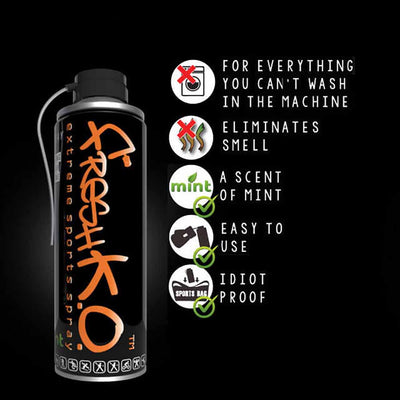
FreshKO is an alternative. Supplier Cleanstar describes this sports spray as an isopropyl alcohol- and mint-based product for deodorizing and disinfecting suitable sports equipment that cannot go in the washing machine. Choose the spray you prefer and make it a regular part of your care routine.
Check each spray’s instructions for the material and finish of your gloves, especially if they have special coatings or prints. Use a care product intended for that purpose rather than a household air freshener or a deodorant for skin.
Follow the amount, application method and any required contact time stated on the packaging. Then let the gloves dry according to those instructions. Don’t simply use the same amount as you would with a different can or brand. “A few extra sprays” are no substitute for careful use.
A fresh smell doesn’t tell you whether your glove has been properly cleaned or disinfected. That depends on the specific product’s intended use and the correct method. Keep removing visible dirt too, rather than just adding a scent.
If you use a spray with deodorizers, let the treated lining dry first. Then insert the sachets and leave the closures open. Always follow the instructions for the spray and sachets regarding how much to use and how to apply them.
Leather and faux leather need different care
The daily basics are similar: unpack, clean appropriately, air out and inspect. Additional care for the outer layer may differ. A genuine leather glove is not the same as a glove with a PU, synthetic microfiber or other faux-leather outer layer.
Match the care of the outer layer to the material information and the instructions for the model. For leather, the finish, coatings, prints and any metallic parts also matter. For a synthetic version, use the prescribed care method.
If you’re unsure about the material, don’t start by applying grease to see what happens. First, find out what the outer layer is made of and which product is recommended for it. The goal is care, not a shiny coating on everything that looks like leather.
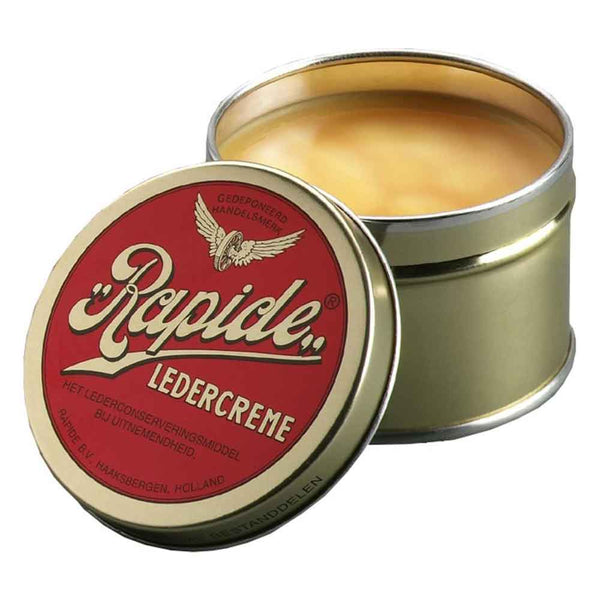
Rapide Original Leather grease for suitable smooth leather
Rapide describes its Leather Cream, also called Leather Grease or Leather Fat, as the same care product sold under different packaging names. The manufacturer says it contains a blend of mineral oils and waxes to care for smooth leather regularly and keep it supple.
Match leather care to the material, finish and care instructions for your gloves. Rapide contains mineral oils and waxes. Rival recommends a cleaning routine without oils or heavy creams for its equipment; for Rival, follow its own instructions. If a leather treatment is suitable for your model, test Rapide on a small, inconspicuous spot first, as Rapide itself advises.
Then follow the care product's instructions for use. Do not automatically apply a thick layer, and do not treat the inner lining, hook-and-loop fastener or padding as though they were leather too. A supple exterior tells you nothing about the condition of the foam underneath.
If you train regularly, we recommend checking about once a month whether suitable smooth leather needs treatment. Clean the outside first, let the gloves dry, then apply a small amount of Rapide Original to suitable smooth leather. Test it on an inconspicuous area first and wipe away any excess. Check the leather sooner if it feels dry or stiff. If it is still supple and has a layer of conditioner on it, skip the treatment rather than adding more grease on top.
This is our practical Fight2Win care advice. For regular leather care, use a product intended for that purpose instead of petroleum jelly. Do not apply leather grease to PU or synthetic microfiber.
How often should you care for your boxing gloves?
Divide care into two stages. After every training session, unpack your gloves, wipe the outside according to the care instructions and let everything dry. Before your next session, check that the gloves are dry and in usable condition.
Set aside time about once a month to care for your leather gloves. Check the outside and, if needed, apply a thin layer of Rapide Original to suitable smooth leather, provided this is consistent with your model's care instructions. Check sooner if the leather becomes dry or stiff. For synthetic leather, the routine remains cleaning, using Sukkiri and letting the gloves dry with a deodorizer; leather grease is not suitable for it.
Even when you are not training for a while, store your gloves clean and dry. Do not squash them under heavy items, and keep them away from moisture and heat sources. Check them again when you resume training.
What if your boxing gloves keep smelling bad?
Do not start with the strongest fragrance. First, look at your routine: do the gloves stay in the bag for a long time, are the handwraps clean, can air reach the opening, and is the pair actually dry before you train again? Extra perfume will not solve those practical problems.
Also distinguish between the outside and the lining. A clean striking surface does not mean the inside is dry. Use only an approved cleaning method and give the gloves the time they need to dry. Do not experiment with bleach, soaking them in water or using ever-larger amounts of spray.
If the problem persists, check the accessible lining and the condition of the material. Smell alone does not tell you exactly what is going on. If you see mold, a lining coming loose or other obvious damage, do not simply use a stronger fragrance and carry on training.
Check the closure, seams and padding
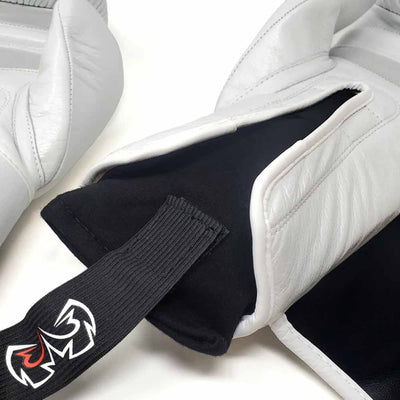
Care is about more than smelling fresh. Check that the hook-and-loop closure still fastens securely, the laces and eyelets are intact, and the thumb attachment and seams aren't coming loose. Gently remove loose lint from the hook-and-loop closure without pulling the material apart.
Watch for padding that has shifted, become uneven or changed noticeably, and for lining that is coming loose. Don't keep using a damaged pair for sparren just because the outside still looks good. Leather grease won't repair a seam, and a deodorizer won't restore padding.
There is no set number of months or years that a pair will last. It depends on the model, how you train, how often you use it and what happens to the pair. A good routine keeps the pair well cared for and helps you notice changes in the material's condition early.
Which care products are useful?
For a complete routine, combine clean handwraps, a deodorizer and a suitable care spray. Our first choice of spray is Sukkiri; FreshKO is an alternative. The Rival deodorizer helps tackle moisture and lingering odor between training sessions. Keep a soft cloth handy to wipe down the outside after use.
Put together a care routine that suits your gloves: clean the inside and let it dry completely, then add deodorizers if needed and wipe down the outside with the material in mind. For smooth leather, an approved leather care product may be a useful addition if the manufacturer recommends it for that version.
If you want to learn more about a particular step, our separate guides to deodorizers, leather grease and FreshKO are useful next reads. We have a separate care guide for shin guards and headgear: the same idea of a routine, but different parts and materials to consider.
Good care starts with a consistent routine
Caring for your boxing gloves starts before training with clean handwraps. Take them out of your bag right after training, wipe down the outside, use Sukkiri as directed on the packaging and use a deodorizer while they dry. Use Rapide Original only if it is suitable for the leather finish and the manufacturer of your gloves allows it. That turns separate steps into a consistent routine.
Tailor any additional care to your pair. A synthetic exterior doesn't necessarily need the same product as smooth leather, and a spray serves a different purpose than a deodorizer. A few suitable tools and a consistent routine will do more than using an ever-growing mix of products.
This keeps your routine practical and helps you spot when a glove needs more than a wipe or a fresh scent. Take good care of your gear, then get back to training. Keep punching!