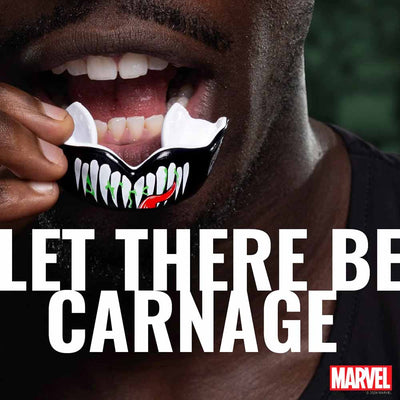
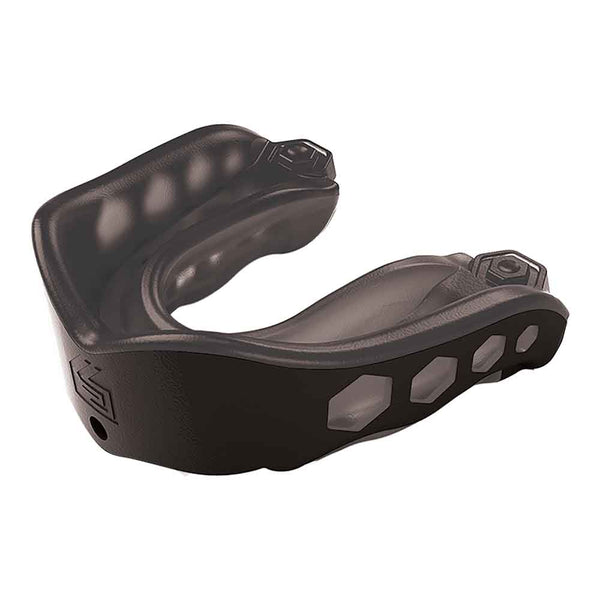
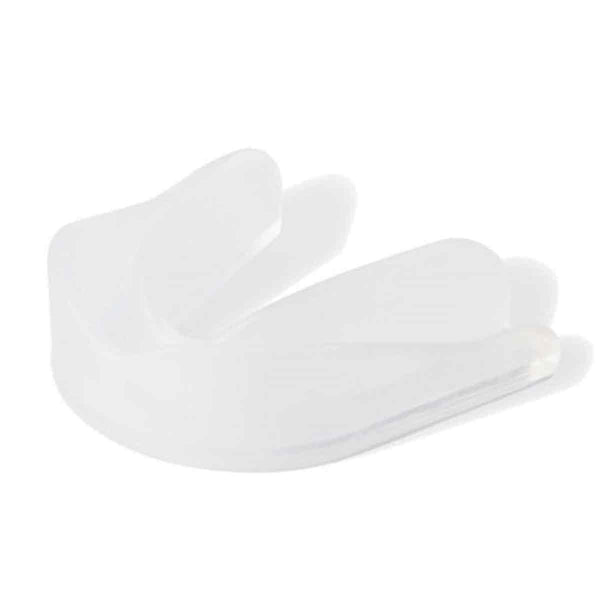
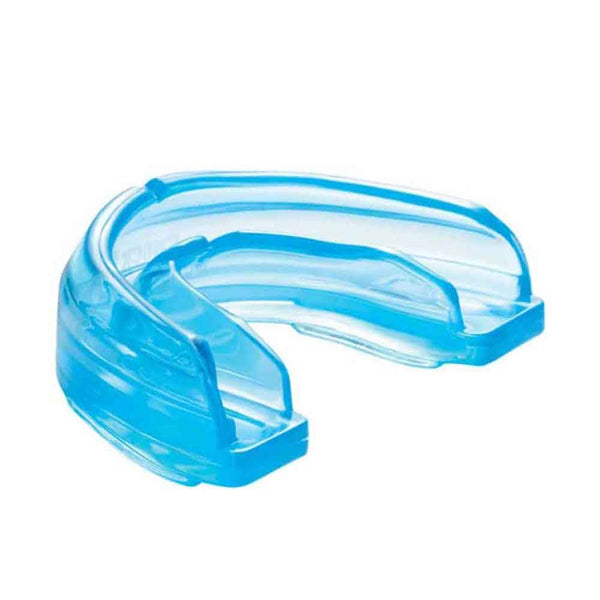
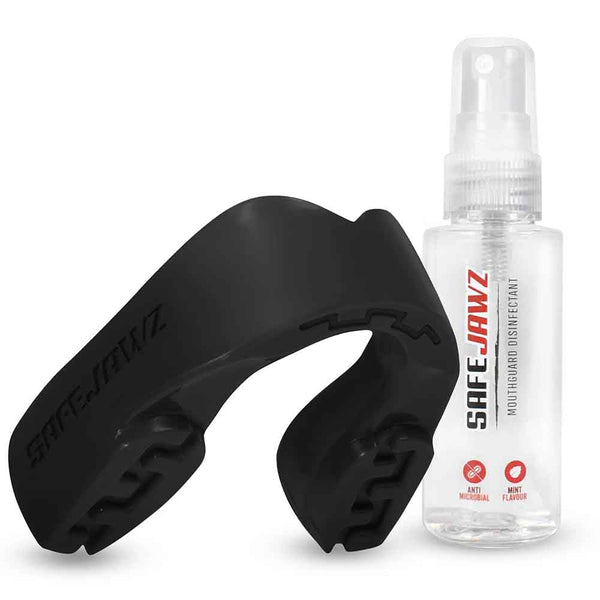
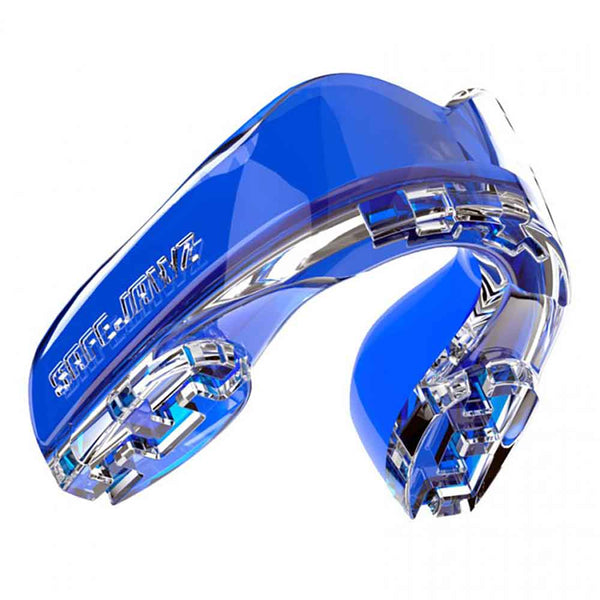
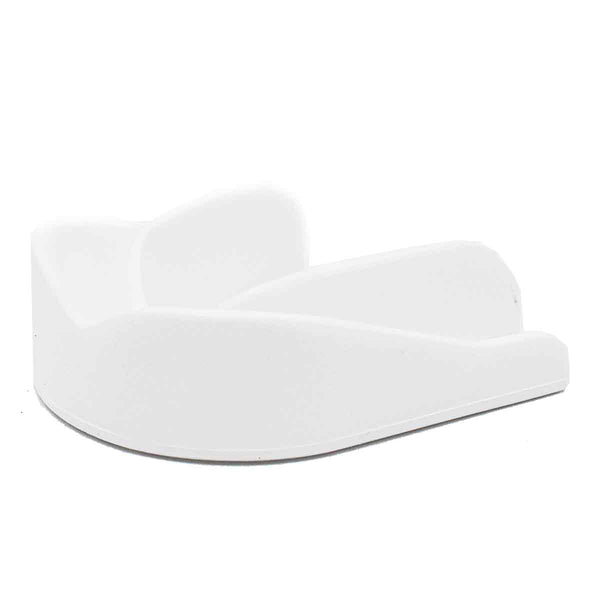
A mouthguard is an essential piece of equipment for athletes and people involved in physical activities where there is a risk of injuries to the mouth and teeth.
Proper use of a mouthguard can prevent injuries and protect your teeth during sports such as rugby, hockey, boxing, and many other contact sports.
However, having a mouthguard is not enough; you must also make sure it is properly molded to function optimally. Here are some steps to help you mold your mouthguard for the best protection.
How do I use a mouthguard?
A mouthguard for boxing, kickboxing, or other combat sports is one of the most important pieces of equipment during training! Choosing the right one is at least as important as choosing a good pair of boxing gloves!
Follow the tips below for the best results!
Step 1: Choose the right type of mouthguard
There are several types of mouthguards available, ranging from pre-molded models to customizable mouthguards. Pre-molded mouthguards are usually cheaper, but may not fit your mouth perfectly.
Custom-made mouthguards are more expensive, but offer a personalized fit for maximum protection and comfort. Choose the type of mouthguard that best suits your needs and budget.
How to custom-mold a mouthguard for your teeth
Step 2: Prepare the mouthguard
Follow the manufacturer's instructions to prepare the mouthguard for the molding process. This usually involves boiling the mouthguard to soften the material, making it easier to shape it to your teeth and jaw.
Step 3: Place the mouthguard in your mouth
Once the mouthguard is soft enough, carefully place it in your mouth. Make sure you position it properly and comfortably so that it fully covers your upper and lower teeth.
Step 4: Mold the mouthguard
Use your tongue, fingers, and gentle biting pressure to adjust the mouthguard to the shape of your teeth and jaw. Be careful not to bite too hard to prevent deformation or damage.
Step 5: Cool and test
After molding the mouthguard, rinse it with cold water to allow it to harden. Test the mouthguard by biting down on your upper and lower teeth to check that it fits properly and feels comfortable.
Step 6: Regular maintenance
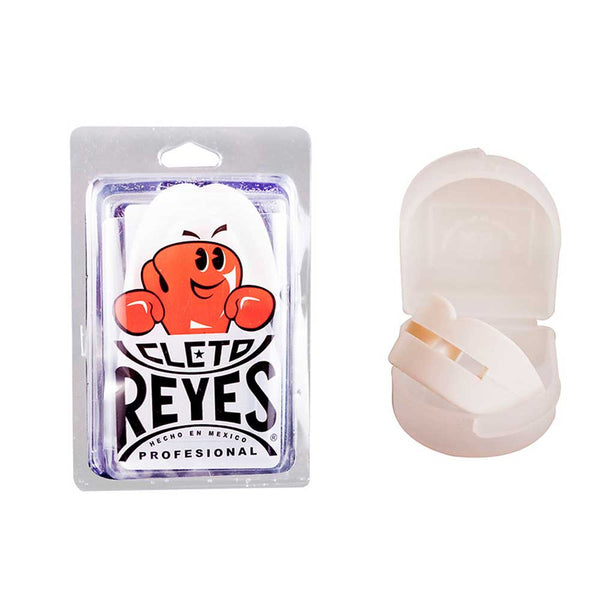
Once molded, you should take good care of your mouthguard. Rinse it with water after each use and store it in a protective case to prevent contamination and damage. Check regularly for signs of wear and replace the mouthguard if necessary.
Remember that a properly fitting mouthguard is essential for maximum protection of your teeth and mouth during physical activities. If you have any doubts about molding your mouthguard, consult a dentist or professional sports coach for advice.
Safety comes first, so make sure you properly protect your mouth with a correctly molded mouthguard.