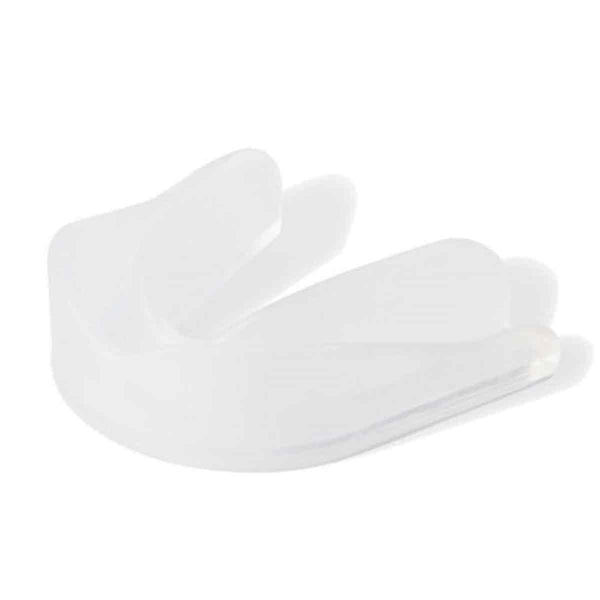
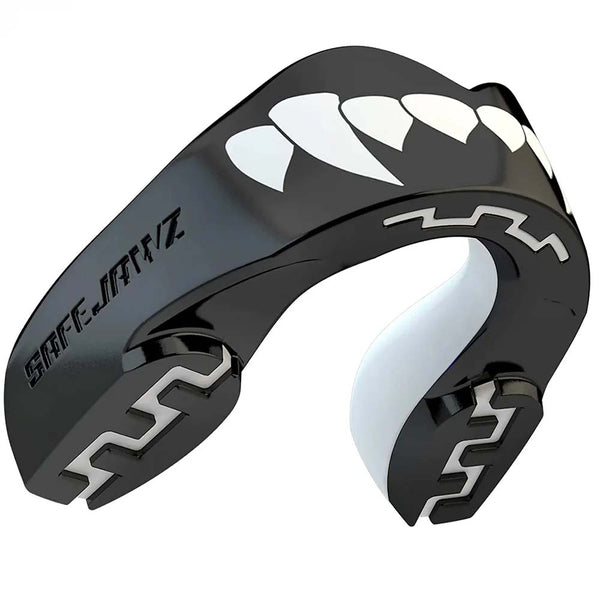
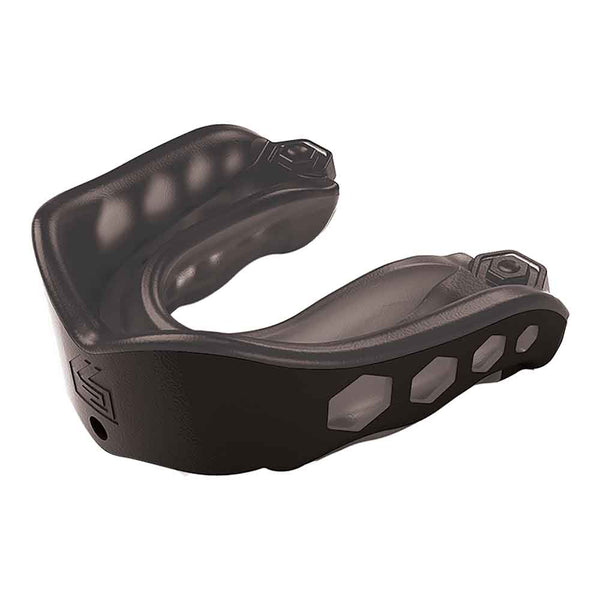
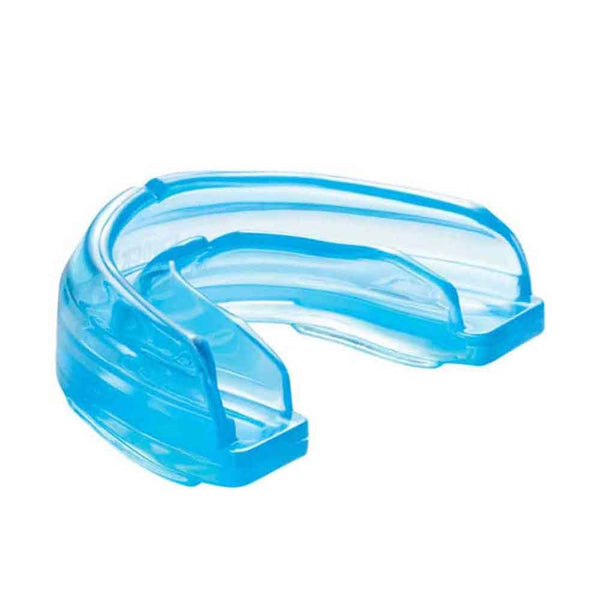
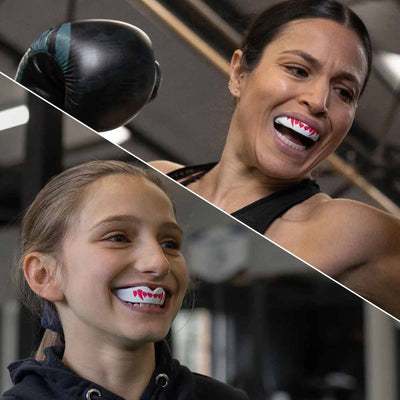
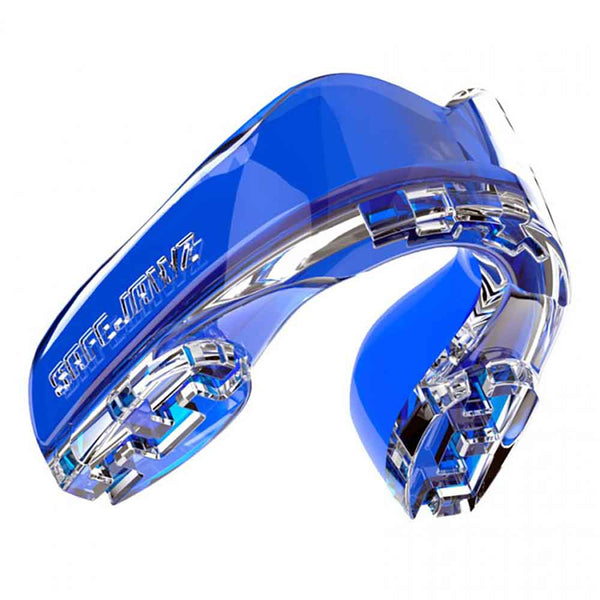
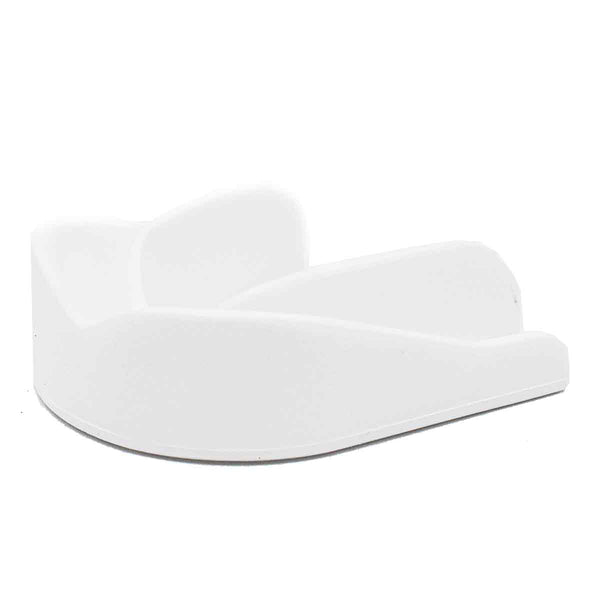
A well-fitting mouthguard makes mouth protection a regular part of your training. It helps protect your teeth and soft tissues during contact and feels comfortable when shaped to fit your teeth. From a basic sports mouthguard to one designed for braces, there are different ways to get the right fit.
Choose the type and size that fit your mouth, then compare the designs to find one you like. Comfort, a secure fit and an easy molding process make it easier to wear your mouthguard consistently during training. A color or distinctive print lets you add your own style.
In this article, you’ll learn about the types of mouthguards available, how to choose one that fits and what to consider when molding, cleaning and replacing it. We’ll also cover the differences for children and people with braces. From choosing your first mouthguard to knowing when it’s time for a replacement.
What does a mouthguard do?
A dental protector, usually called a mouthguard, helps absorb the impact of a blow to the mouth. It can reduce the risk of dental injuries and injuries to the soft tissues in and around the mouth. Besides your teeth, think of your lips, tongue and the insides of your cheeks.
This makes a mouthguard relevant for contact sports such as boxing and other combat sports where your mouth may be hit. It is not just deliberate punches that matter: accidental contact can also happen during a drill.
Combine a mouthguard with controlled contact. A mouthguard is designed to help protect your mouth; it does not protect against concussion. So choose the right equipment and level of contact for your training.
What does research say about mouthguards?
A mouthguard is more than just a locker-room habit. Topsport Topics describes a 2019 systematic review that brought together the results of 26 studies on mouthguards. The athletes studied included rugby, American football, basketball and hockey players.
In that systematic review, athletes who wore a mouthguard were at least half as likely to suffer a mouth injury as athletes without one. Mouth injuries included not only damaged teeth, but also injuries to the mouth, lips and jaw, for example. This supports wearing a mouthguard, but it does not mean the same level of protection applies to every blow or every combat sport.
The athletes studied used different types of mouthguards. The analysis supports wearing mouth protection, but it did not identify the best type or retail model. To make your choice, weigh that general evidence alongside the fit, comfort, and instructions for the model you are considering.
Make mouth protection a regular training habit
A well-fitting mouthguard is part of preparing for contact drills, just like the right gloves and other protective gear. Have it ready before you start, check the fit, and give it a regular place in your care routine afterward. That way, a small piece of equipment naturally becomes part of your training.
That practical value is also reflected in a 2013 fact-check preserved by the University of Groningen. The title ‘Wearing a hockey mouthguard is pointless’ is the claim being examined. The fact-check rates that claim as false and describes the importance experts place on mouth protection.
For martial arts, that means choosing a suitable model that fits well and stays comfortably in place. The article is about hockey; for your mouthguard, also consider its product instructions and the contact involved in your training.
What types of mouthguards are there?
The main distinction is how the fit is achieved. Broadly, there are three groups: preformed mouthguards, self-moldable mouthguards, and mouthguards custom-made for your teeth by a dentist.
You will also see labels such as junior, adult, and suitable for braces. These describe a size group or intended use. They do not automatically tell you how to adjust the mouthguard. So do not assume that a mouthguard for braces should be handled in the same way as a standard moldable sports mouthguard.
Preformed: ready to use straight away
A preformed mouthguard already has a fixed shape. You do not need to shape it to your teeth with warm water first. That is simple, but it also means the fit is not individually tailored to your teeth.
The American Dental Association notes that these models may fit less well, be bulky, and make speaking or breathing more difficult. That is no reason to go by the label alone: check how a particular model actually fits in your mouth.
The advantage is the simple preparation: choose the right version and check the fit according to the instructions. Only heat a preformed mouthguard if the manufacturer instructs you to.
Self-molded: follow the instructions for your mouthguard
With a self-molded mouthguard, the material becomes soft enough to adapt to your teeth during the prescribed molding process. After cooling, the mouthguard takes on its shape for use.
That is the principle behind boil-and-bite. It is not a one-size-fits-all method. Preparation, water temperature, timing and molding technique can vary by model. Nor should you assume that every model can be remolded.
Follow the instructions for your exact model to get a good fit. Have everything you need ready beforehand and take your time with the molding steps. Check the result once the material has cooled as instructed.
The American Dental Association says that a moldable mouthguard can offer a better fit than a preformed model. The practical advantage is that you can adjust the fit at home. With the right size and careful molding, you can improve comfort and help the mouthguard stay in place while you wear it.
A dentist-made mouthguard
A custom-made mouthguard is made by a dentist for your mouth. That makes it different from a store-bought model you mold yourself at home. Both may be called a ‘custom-fit’ mouthguard in everyday language, but they are fitted in different ways.
The American Dental Association identifies a dentist-made mouthguard as the preferred option for a personalized fit and comfort. This type is generally more expensive than a preformed or self-molded mouthguard.
A dentist can also assess what suits your teeth if there are special considerations. This matters if you have braces or fixed bridges, or if a sports mouthguard is difficult to fit. With this guidance, the choice and fit can be tailored to your teeth.
What changes when you have braces?
Braces call for a careful choice. An impact can damage brackets or other fixed components. A well-fitting mouthguard also creates a barrier between the braces and the lips or cheeks.
Choose a model specifically designed for use with braces. That way, you start with a design that takes braces into account. Your dentist or orthodontist can help you choose the right fit and account for changes during treatment.
Preparation depends on the model: some mouthguards for braces are ready to use straight away, while others have their own molding procedure. Follow the instructions for the version you choose.
Many mouthguards are worn over the upper teeth. If you have braces on your lower teeth, your dentist or orthodontist may also recommend protection for those teeth. So the right solution is not the same for everyone with braces.
Junior or adult: how do you choose the right size?
An age label or size category helps with your initial selection, but it is no substitute for checking the fit. Check the manufacturer’s size and age information for the model in question. Do not treat junior and adult as universal sizes that are the same across every brand and version.
Children and teenagers’ teeth are still changing. A mouthguard that fitted well before may therefore no longer be suitable. The American Dental Association notes that children and teenagers may need a new mouthguard more often as their mouths grow and change.
So check it not only when you buy it, but also while you use it. A change in fit is itself a reason to take another look at the mouthguard, even if the material still looks intact.
How should a mouthguard fit?
A comfortable fit combines a close fit, a secure hold and comfort. Check whether the mouthguard stays in place as described in the model instructions and how it feels when you move your mouth. Speaking and breathing are part of that check, as is the space around your gums and the edges of the mouthguard.
Does it keep slipping out of place, does an edge press uncomfortably, or does it feel so bulky that you keep wanting to take it out? Take that seriously. You cannot fix the wrong size, an unsuitable model or a molding process that went wrong by simply getting used to it during training.
Start with the checks in the instructions. For a moldable model, check whether it can be remolded and what guidance applies. If the result is not right or you are unsure how it fits your teeth, have your dentist assess the fit.
Do not cut, heat or reshape the mouthguard on your own initiative. Adjustments that are part of the instructions for one version may not be suitable for another model.
Fitting a moldable mouthguard: a careful approach
A general explanation can help you prepare, but it is no substitute for the product instructions. Following this order helps you avoid having to stop halfway through to figure out what to do.
- Check the model first. Is this actually a moldable mouthguard, is it the right size, and is it suitable for your needs? If you have braces, check before heating it.
- Read the full instructions. Pay attention to preparation, heating, cooling, placement and shaping. Have everything your model requires ready.
- Follow the specified temperatures and times. Heating it longer or at a higher temperature is not automatically better. Do not use an arbitrary boiling time from a general guide.
- Shape it as instructed. Follow the directions for placing and adjusting it. Do not improvise how hard you bite or what steps you take.
- Let the mouthguard cool as instructed. Then assess the fit using the manufacturer's checkpoints.
- Check the fit. Check how securely it sits and how comfortable it feels. If reshaping is allowed, follow the same model-specific instructions.
A pre-formed mouthguard or one made by a dentist does not automatically follow these steps. That distinction matters more than the word ‘mouthguard’ on the packaging.
When should you wear a mouthguard in martial arts?
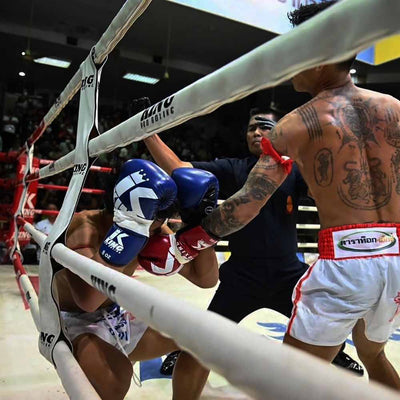
For drills and competition formats where contact with the mouth is possible, a mouthguard should be part of your gear. In boxing and kickboxing, for example, this includes sparren and contact drills with a partner. Also take into account the rules of the training session or competition you are taking part in.
A drill that does not deliberately target the head does not automatically rule out accidental contact. So consider what you and your partner will actually be doing, not just the name of the drill.
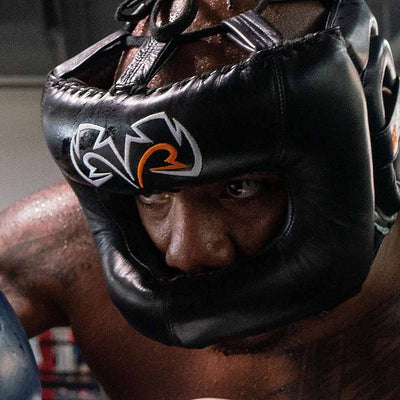
Put your mouthguard in before the contact drill begins. A consistent routine helps you focus on the drill. Pair your mouthguard with the appropriate gloves and other protective gear for that training session.
How do you clean a mouthguard?
Cleaning should be part of every use, not just when your mouthguard smells bad. The American Dental Association recommends, among other things, rinsing before and after use and cleaning regularly in cool, soapy water, followed by thorough rinsing. Also check the care instructions for your model: not every material tolerates the same products or treatment.
Careful cleaning: what research shows
A 2025 study in BMC Oral Health examined mouthguards and storage cases used by ten young Australian football players aged 11 to 12. The researchers found bacteria on both. Used mouthguards also had a rougher surface than new material. In additional laboratory tests, bacteria attached more easily to roughened EVA, a plastic used for sports mouthguards.
The researchers then compared different cleaning methods on EVA test pieces with the bacterium Pseudomonas putida. In that test, brushing with a soft toothbrush and toothpaste removed about 98% of the bacteria; rinsing with cold or warm water removed about 60 to 70%. These are results from a specific laboratory test, not guaranteed percentages for your mouthguard. The study did not test SafeJawz spray or an antimicrobial SafeJawz case, so it does not show how those products perform in comparison.
The practical lesson is clear: remove dirt thoroughly rather than just giving your mouthguard a quick rinse. If the manufacturer of your mouthguard permits brushing, use a soft brush and a suitable cleaning product according to the care instructions. Do not assume that the use of toothpaste in one study is suitable for every material. The researchers also note that the effects of brushing on wear need further study.
Good care is part of your training routine
A 2025 study in PLOS ONE also shows that martial artists take care of their mouthguards. Of the 316 martial artists surveyed in Turkey, 98.4% said they cleaned their mouthguard and 91.5% said they kept it in a box or container. These were questionnaire responses, not checks of how clean each mouthguard was. Still, they show that caring for their equipment was part of how these athletes used it.
Keep it simple: clean your mouthguard, let it dry and store it in the same place every time. Just as you air out your gloves after training, your mouthguard deserves its own routine. A suitable cleaning product and a handy storage case can help you stick to it.
A cleaning spray: a handy addition to your care routine
A spray for mouthguards is easy to take to the gym and simple to use according to the product instructions. It is not just about a fresh scent: researchers have also studied the antibacterial effects of such products.
In 2021, Tanabe and colleagues studied a spray containing cetylpyridinium chloride, also called CPC, on mouthguard material samples. After 60 seconds, the tested spray had an antibacterial effect against Streptococcus sobrinus; the shorter, 30-second treatment was less effective. The takeaway is that both a suitable product and proper use matter. The study examined a product other than SafeJawz. So do not use its timings or results as directions for using SafeJawz spray.
SafeJawz itself has also been included in materials research. In a 2023 study published in Polymers, EVA samples were repeatedly treated with SafeJawz spray, among other products, over three months. The researchers assessed colour and hardness. Overall, the changes in hardness were small; the authors did not describe the colour changes associated with the commercial mouthguard spray as harmful. This is a positive indication regarding the material properties examined under those conditions. It was not a test of bacteria-killing ability or shock absorption, nor was it evidence for all mouthguard materials. Choose a product suitable for your mouthguard and follow the directions for use.
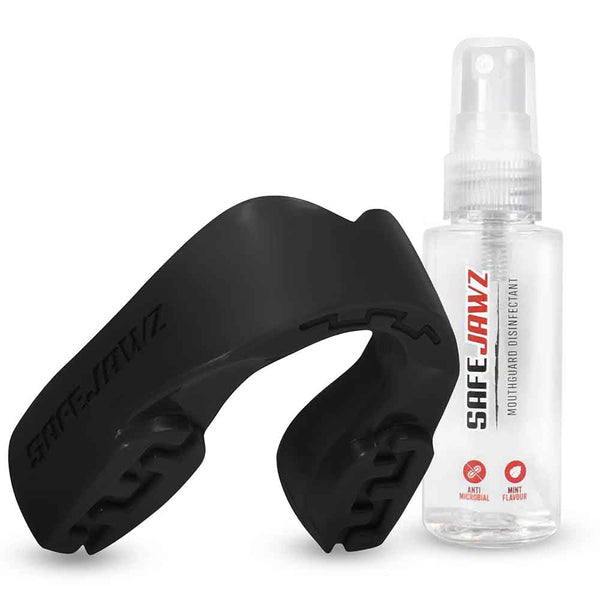
The SafeJawz spray in our range is a practical option if you want to use a product intended for mouthguards. Keep the packaging handy for the directions, and check the care instructions for your mouthguard too. Carefully remove any visible dirt and use the spray as directed. That way, the product has a clear role in your care routine, rather than you just giving the mouthguard a quick spray and putting it away immediately.
An antimicrobial case: a dedicated place for your mouthguard
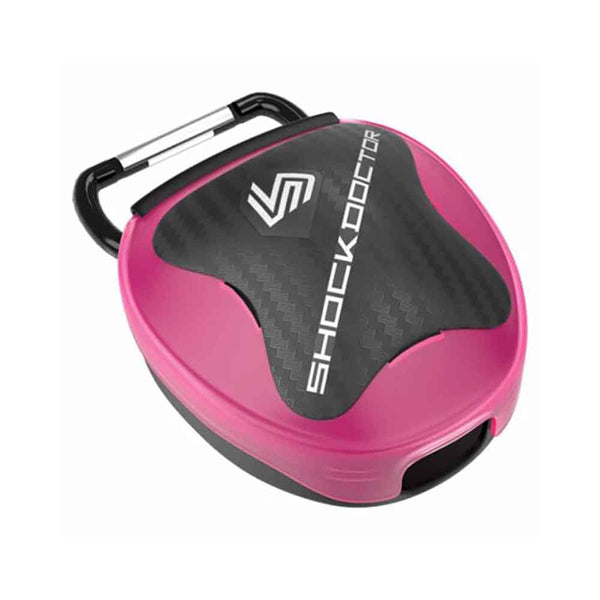
A storage case keeps your mouthguard in one place and stops it from lying loose at the bottom of your sports bag. The SafeJawz Premium protective case combines flexible silicone with antimicrobial additives and a carabiner. You can attach it to your bag, giving your mouthguard a dedicated place among your training gear.
The case and cleaning each have their own role. Clean the mouthguard, then use the case to store and carry it. The antimicrobial features do not replace cleaning the mouthguard or the inside of the case. Follow the care instructions for the case too.
The maintenance studies support paying attention to both the mouthguard and how it is stored. They did not test how well the SafeJawz case works. The practical reasons to choose it are its dedicated storage space, silicone design, carabiner and antimicrobial features, not a promise that it will clean a dirty mouthguard on its own.
Drying, storing and checking
Let the mouthguard and its cleaned case dry before putting them away. Use a ventilated storage case, and don’t leave a damp mouthguard loose at the bottom of your gym bag. While cleaning it, also check for damage, rough edges and changes in fit.
Molding and cleaning are different steps. Just because a mouthguard is treated with heat according to the instructions when you first mold it doesn’t mean you should put it in hot water after every training session. Avoid heat and direct sunlight when storing it, as the ADA also advises. Keep the mouthguard out of reach of pets that might mistake it for a chew toy.
When should you replace a mouthguard?
Don’t wait for a set date if your mouthguard wears out, gets damaged or stops fitting properly sooner. Check the material and fit regularly. Changes to your teeth may also be a reason to have its suitability reassessed.
This applies to children and teenagers because they grow and their teeth change, but adults should not rely solely on how long they have used a mouthguard either. What matters is whether it is still intact and fits properly.
Take your mouthguard to a dental checkup. Your dentist can assess its condition and fit and discuss when it needs replacing. That’s more useful than assuming every model has the same lifespan based on a general guideline in a blog.
Conclusion: a well-fitting mouthguard that’s comfortable to train in
Start with how you’ll use it and your teeth. If you wear braces, that also affects which models are suitable. If you choose a self-molded mouthguard, the right size, the accompanying instructions and a thorough fit check after molding all go hand in hand. If you want a custom fit, a dentist is the right choice.
Next, compare the specific models: the moldable inner layer, how they feel to wear, the available size ranges, and how you mold and care for the mouthguard. A clear model keeps the look understated; a color or print gives your gear a distinctive touch. The separate buying guide includes a model comparison alongside this explanation of types and use.
The best choice is not just the mouthguard you buy, but one that is suitable, fits well and is used with care. With the right model, proper instructions for use and attention to maintenance, you can make an informed choice about this small piece of equipment.