Your sports bag is ready, your bout is on the schedule, and suddenly that first kickboxing match is no longer something for ‘someday’. You are really stepping into the ring. Maybe you are really looking forward to it. Maybe you are mainly wondering why you ever said yes to this in the first place. Those two feelings can perfectly coexist.
A competition day also has its own rhythm: checking in, weighing in, waiting, warming up, and sometimes waiting again. Meanwhile, you do not want to have to search for your mouthguard or discover that you brought the wrong equipment. Good preparation does not eliminate all the nerves, but it does eliminate a lot of unnecessary hassle.
Below, we will guide you through the preparation and the day of the competition. From your first bout arrangements to looking back afterward. There is no secret recipe for winning, but there are practical tips to help you know what you need to arrange and what you can rely on in the ring.
1. Know what you are stepping into the ring for
'A kickboxing match' is not yet a complete description. You want to know which organization and competition format you will compete under, which category you have been placed in, and which rules apply to that bout. That determines what you may do in the ring and what you need to arrange beforehand.
Check the rules for your bout, not those of some random event you saw on television. How are knees and clinch work handled? Which targets are allowed? How many rounds are there, how long do they last, and how much rest do you get between them? What protective equipment is required?
For example, WAKO publishes its own overview of regulations, with documents and amendments for various kickboxing disciplines. That overview is relevant when you compete under WAKO rules. It is not a substitute for the event information of a competition organized by another organization.
Also make sure the agreed details of your bout are clearly recorded: weight class, category, and the experience level under which you are being entered. Be honest about your competition background, even if you have previously competed in another martial art. A bout should not be matched based on missing or embellished information.
2. Take care of the paperwork before you pack your bag
In the Netherlands, the Fightpassport is the digital competition booklet for kickboxing, thai boxing, and MMA. The Dutch Martial Arts Authority describes it as mandatory for everyone competing in these sports in the Netherlands. Recognized federations and ringside doctors use the system.
A Fightpassport number and a competition licence are not the same thing. According to the registration information from the Martial Arts Authority, a new Fightpassport application through the Dutch Martial Arts Federation also comes with an NVB competition licence. If you already have a Fightpassport, you still need to check that your competition licence has been arranged.
It may not be the most exciting part of your debut, but you do want to have it sorted. Discovering at the weigh-in that something is still missing won't make your day any better. Check your registration, keep the necessary details, and check your own status in the Fightpassport. A previous bout or suspension may also be relevant to participation.
If you fight outside the Netherlands, different registration and licensing requirements may apply. Don't assume that a Dutch registration automatically covers all the requirements of a foreign federation or organiser.
3. Prepare for the competition, not just your fitness
A punching bag doesn't step aside when you use your favourite combination. An opponent might do that, or may instead come forward. That's why competition preparation requires more than working up a good sweat: you want to recognise your distance, restore your guard and keep going when an attack unfolds differently than you had planned.
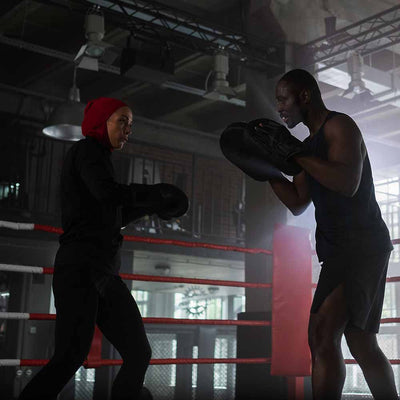
Make the competition situation familiar in your preparation. Work with the rounds and rest periods of your own format, practise responding to a partner, and pay attention to situations in which you normally lose your overview. This could be after missing a kick, when under pressure against the ropes, or when your opponent interrupts your combination.
Sparren can play a role in this, but more or harder sparren is not automatically better preparation. An exercise in which one fighter applies pressure and the other regains distance has a specific purpose. A round in which everyone is mainly trying to prove their point does not necessarily have one.
You don't have to prove how many punches you can take. Good preparation is about moving, defending, choosing and attacking. Fitness helps you keep doing your work, but it is no guarantee of victory and does not make you immune to strikes.
4. Take a simple plan into the ring
You don't need to show your entire technical repertoire in your debut. It's more useful to have a few clear fundamentals: how you find your distance, which combinations you execute well, and what you do after your attack is over.
An attack isn't over once you've landed a hit. You also need to know where your hands, feet, and opponent are afterward. So don't just practice the combination; also practice regaining your stance and responding when the other person answers immediately.
Make the instructions from your corner familiar during preparation. Short words for distance, defense, or an agreed combination are easier to use when you already know them. The bout is not a convenient time to have to decipher a new explanation for the first time.
You don't need to memorize a complicated game plan for that. A few familiar solutions provide guidance when the bout goes differently from what you hoped. Your best plan is not the one that sounds most impressive on paper, but the one you can still recognize under pressure.
5. Don't turn your weight into a last-minute project
An agreed weight class should be clear early in your preparation. Check what has been agreed and how the weigh-in is organized. A weigh-in on the day of the competition presents different practical circumstances from a weigh-in held earlier.
Your debut doesn't have to become a competition against the scales. A professional's aggressive weight cut is not an example you should copy for your first bout. There is no general number of kilos that every debutant can lose without problems.
If your weight does not match the agreed terms, it must be resolved in time as part of the registration. It is not a detail to discuss only in the changing room. A different weight class or an adjusted bout agreement must be clear in advance, not based on haste and pressure on the day of the competition.
So don't let good preparation end in hurried weight loss, dehydration, or an improvised sauna session. Your weight class is part of the arrangements for your bout, not a last-minute gamble.
6. Pack your bag based on the equipment rules
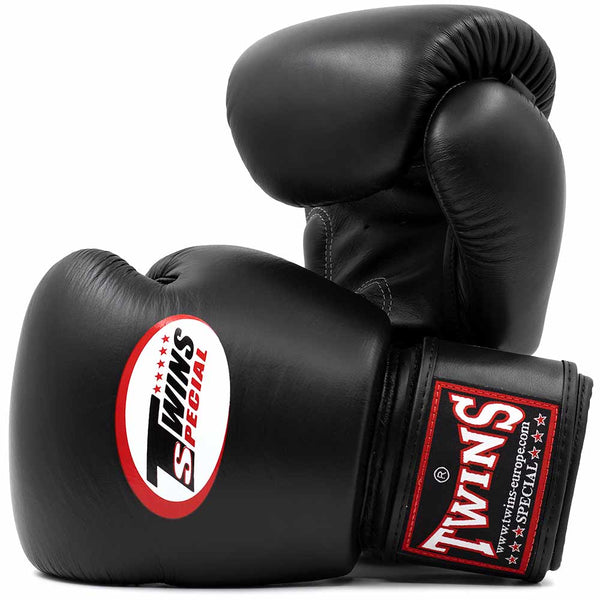
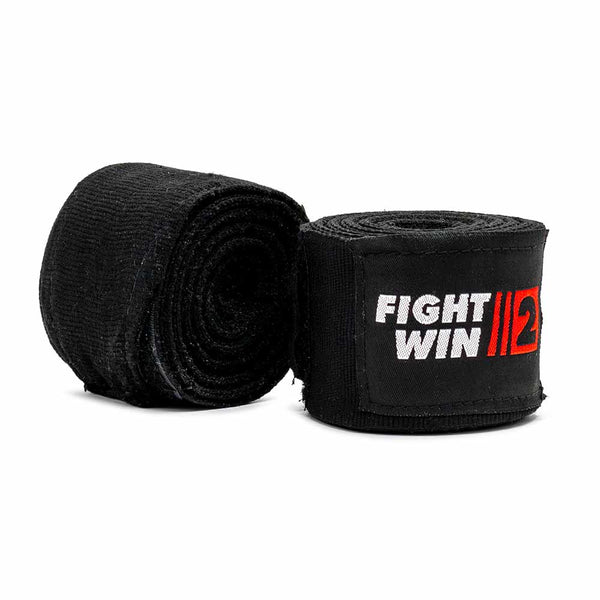
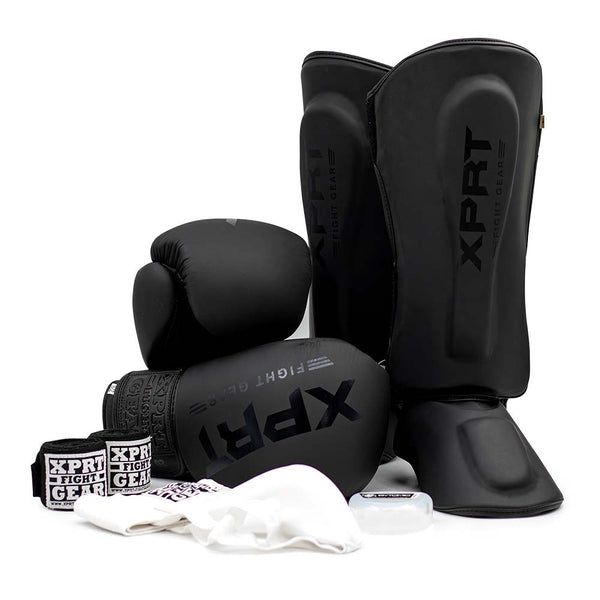
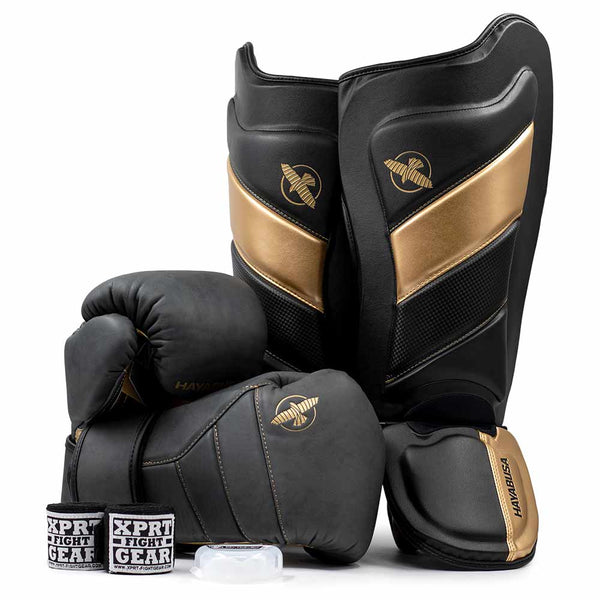
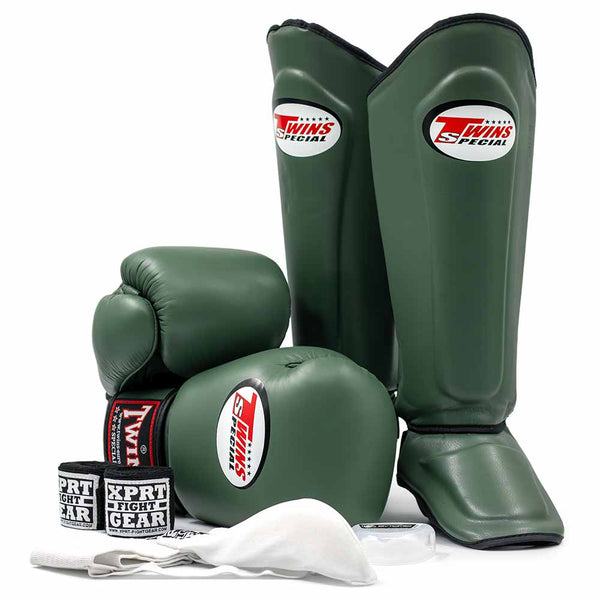
Start your packing list with the event requirements. Which gloves will be used, and who provides them? Which protectors are mandatory? What clothing are you allowed to wear? How are handwraps and any tape checked? Use the information provided by your organization and category.
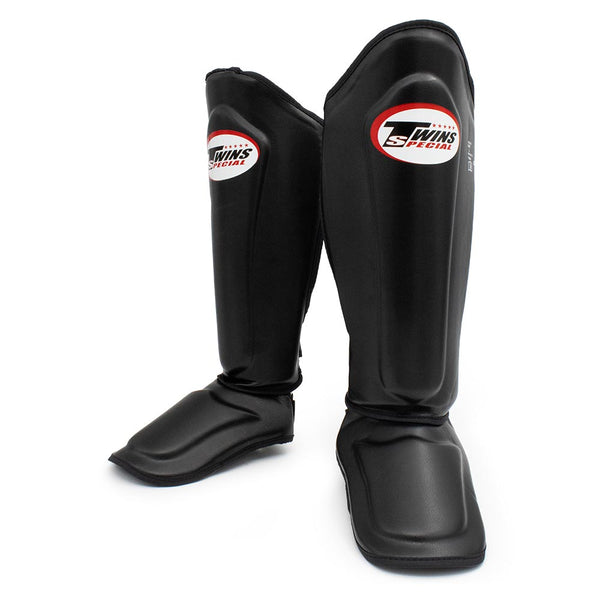
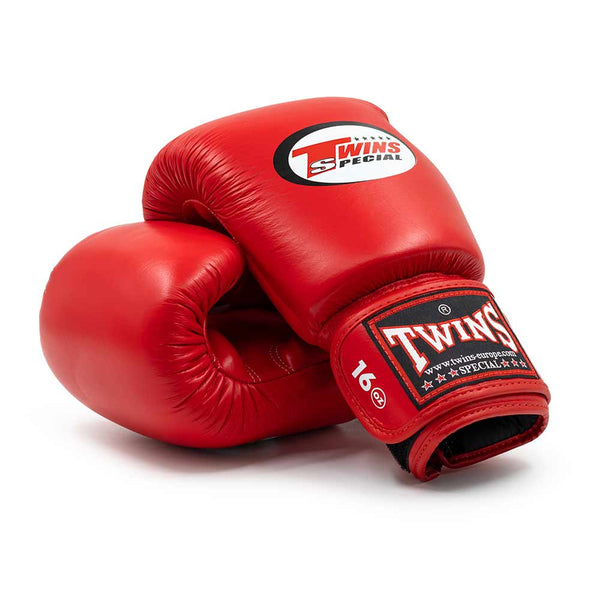
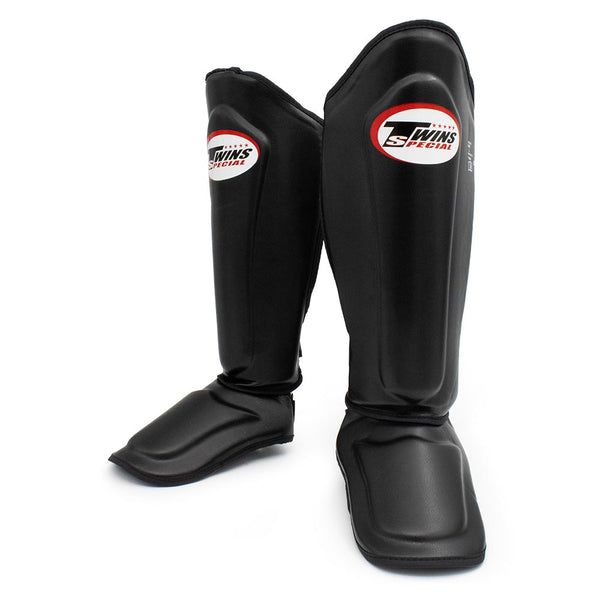
Your regular training equipment is not automatically the right equipment for your bout. Gloves you use at the gym may serve a different purpose than the gloves for the event. There may also be specific requirements for shin guards, headgear, mouthguards, and groin or chest protectors.
Gather the items you need to bring yourself and check them in advance. During your warm-up, you want to think about your bout, not about a clasp coming loose or shorts pulling with every kick. Also, don't use a new mouthguard for the first time on this particular day.
Clean clothes, a towel, slippers, drinks and familiar food will make your day much more comfortable. Keep your registration details and small items in a designated place. Finding your mouthguard somewhere under a pile of wet shirts is not the warm-up you need.
Grooming products are not a universal competition requirement. What you can use and what may be brought to ringside depends on the rules. A long list of oils, sprays and tape is therefore no substitute for a verified equipment check.
7. Make the competition day a clear schedule
Departure time, registration, weigh-in, any checks and your expected position on the schedule are separate arrangements. Write them down. Also check where you need to report and who will inform you of changes to the schedule.
The time listed on a competition schedule is not always the time you will actually enter the ring. Bouts may be cancelled or proceed differently than planned. So make sure you are not completely dependent on a single estimated time.
Agree on who will follow the schedule and how you will be told that your bout is approaching. Otherwise, you may spend half the day asking the same question: are we almost there? Remain reachable for calls and checks, but also give yourself the peace of mind to sit ready in one place.
Arrange your transport, route and practical agreements regarding your support team in advance. The fewer loose ends you have on the day itself, the more room you will have to focus on your own preparation.
8. Keep food, drink and rest familiar
In a changing room, you may encounter all kinds of things: containers of food, bottles, powders and confident stories about what ‘always works’. You don't have to join in. Bring food and drink you know and whose effects during a training day you are familiar with.
There is no mandatory pasta meal for every kickboxer. What is practical also depends on the length of the day, the weigh-in and the time your bout is scheduled. A familiar meal or snack is more useful than a general rule that does not take your schedule into account.
Allow for waiting. Bring enough so you are not dependent on whatever happens to be available for sale at the venue, but don't turn food and drink into a constant experiment. A long day calls for an overview, not a new product every time because someone else is using it.
Schedule rest for the days beforehand as well. You don't have to prove your preparation at the last minute with an extra-hard workout. A regular sleep schedule and a clear plan are more useful than the promise that exactly one extra hour of sleep will lead to a better result.
9. Adapt your warm-up to the schedule
Your warm-up should prepare you for the bout that's coming up, not for an entire evening during which you may have to wait several more times. So stay in contact with the person monitoring the progress of the program.
Warming up is different from exhausting yourself beforehand. You want to move, recognize your distance and combinations, and make the transition to the ring. This is not the time to take one more demanding fitness test.
If the schedule shifts, the time when you need to be ready changes too. Make sure your preparation can adapt to that. A short, familiar routine provides more support than a series of new exercises that you only do on competition day.
And those nerves? They're allowed to be there. You don't first have to become a perfectly calm version of yourself before you can warm up. Keep it concrete: have your equipment ready, know when it's your turn, and do the movements you know. The tension may ease once you get moving, or it may not. Your preparation shouldn't depend on that.
10. Keep your attention on your opponent during the bout
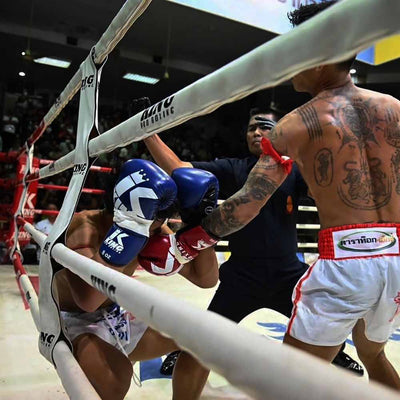
When the bout begins, your plan is tested by someone who has their own plan. An opening that feels natural on the pads may disappear. A combination may be interrupted. That's exactly why you also practiced recovering your stance and distance.
Listen to your corner without taking your eyes off your opponent. Short, familiar instructions are meant to help you choose, not to make you hold a conversation in the middle of an exchange.
Follow the referee's instructions. During an interruption or restart, you want to know what is expected of you. The rules about permitted contact, distance, and behavior don't disappear just because you feel a lot of tension.
Use the break between rounds for the coaching that goes with your bout. Don't try to discuss every event at once. A few concrete instructions are easier to follow than a whole list. Here too, it helps when you already know the words and routine from your preparation.
Also don't try to learn a new breathing technique in the middle of your debut. Fall back on what you have practiced. You already have enough to process without going through a complicated step-by-step plan during a combination.
11. Look beyond winning or losing afterward
A result tells you who won the bout. It does not automatically tell you which parts of your preparation worked well or where you lost your overview. Even after a win, there may be plenty to discuss.
Make the review concrete. Did you manage to get back into position after your attack? Did you recognize the instructions from your corner? Was your equipment in order? Had you planned the fight day well? Questions like these can help you in your next preparation.
After the bout, follow the ring doctor’s instructions and any competition restrictions. Booking another event is not a way to circumvent a medical suspension or other participation restriction. The Fightpassport gives you insight into your own status and record.
Review any footage later, when you’re calm. You don’t have to pause at every missed opportunity right away. Choose a few situations you can learn from. Also take a moment to consider what did work: you fought your first bout, rather than simply collecting a list of areas for improvement.
A short checklist for your first bout
- Bout details: the organization, competition format, category, weight class, rounds, and rest periods are clear.
- Registration: in the Netherlands, your Fightpassport and NVB competition license have been arranged; additional participation requirements have been checked.
- Equipment: you know what the organizer provides and what you need to bring yourself.
- Preparation: you know your key principles and the instructions from your corner.
- Fight day: registration, weigh-in, checks, transportation, and communication about the schedule have been arranged.
- Afterward: follow any medical instructions and participation restrictions; make a concrete review later.
Your first kickboxing bout doesn’t have to be improvised
Your first bout may feel messier than your best round on the pads. Your combination may unfold differently, the wait may take longer, or you may need a moment to find your rhythm. That doesn’t make your debut a failure. It makes it a real bout, with a real opponent and a day you’ve never experienced before.
Take familiar routines and clear agreements into the ring. Not to rule out every surprise, but to have something to fall back on. Prepare seriously, give yourself room to learn, and don’t forget why you wanted to fight that first bout. Despite all the tension, there should be room for enjoyment too.