Punching bag training is one of the most effective ways to burn fat, build muscle and, of course, improve your fitness.
Gyms where you can take specific punching bag training classes can be found throughout the Netherlands. Punching bag training is suitable for everyone who wants to enjoy working out: young and old, men and women.
Equipment for punching bag training at home
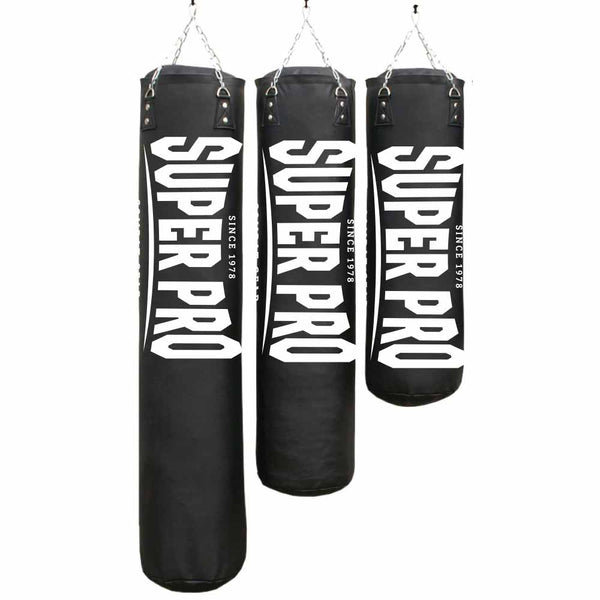
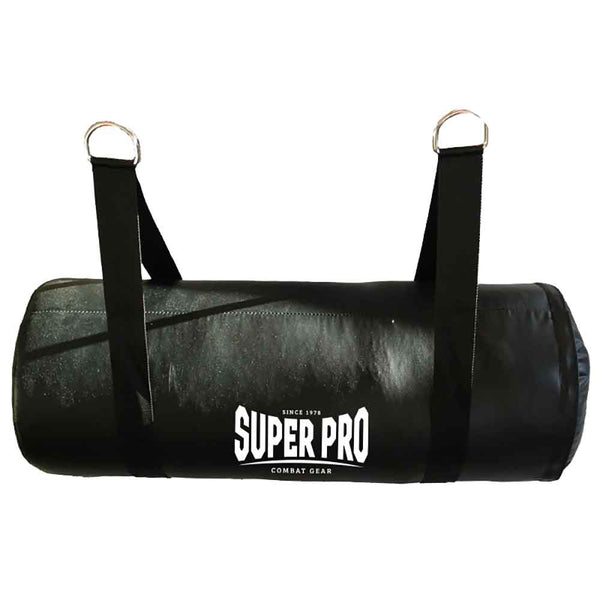
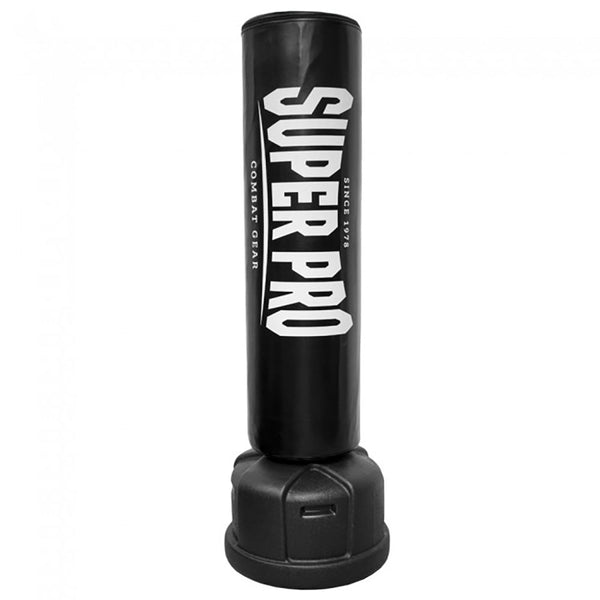
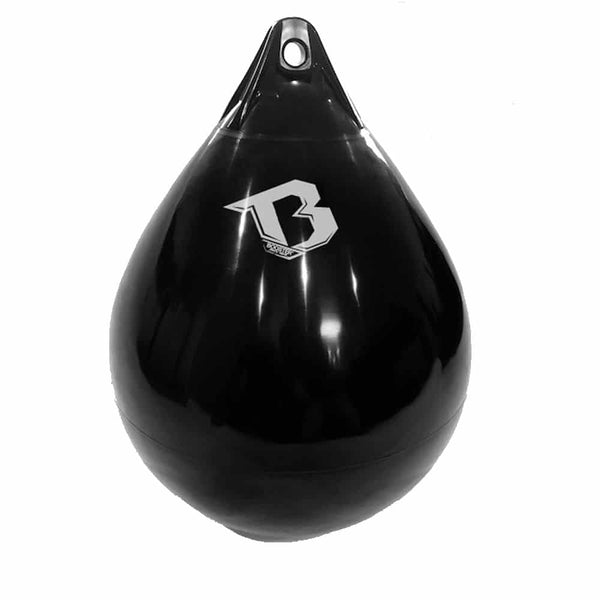
If you want to start punching bag training at home, the first step is naturally to buy a punching bag. Punching bags are available in various lengths. So take a close look at your home situation to determine which punching bag length is most suitable for you.
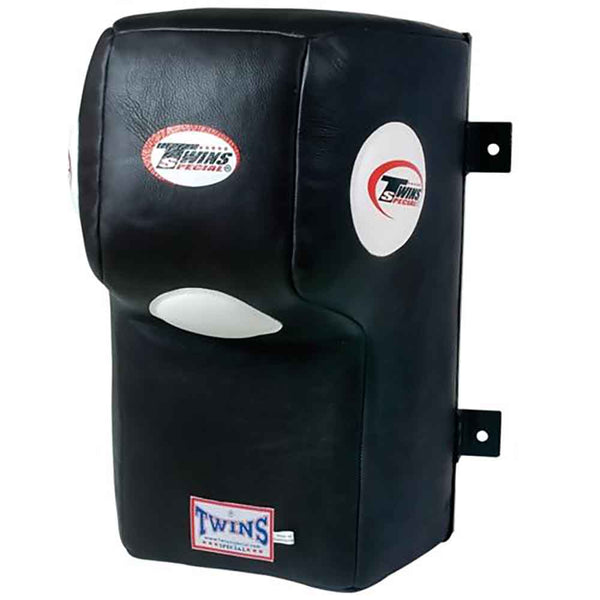
A punching bag can be hung from the ceiling or attached to the wall using a support. Keep in mind that punching bags are quite heavy and make sure everything is mounted securely.
Also make sure that the punching bag is hung at the right height, so that you can perform all aspects of punching bag training properly (high and low punches, high and low kicks), as well as sit-ups using the punching bag if desired.
Boxing gloves and handwraps
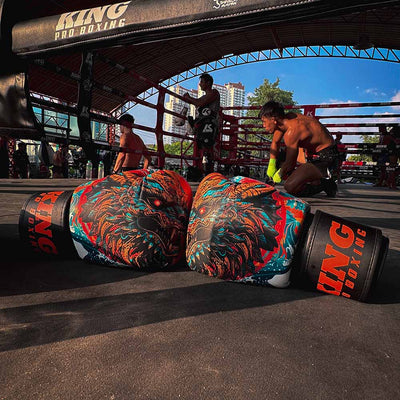
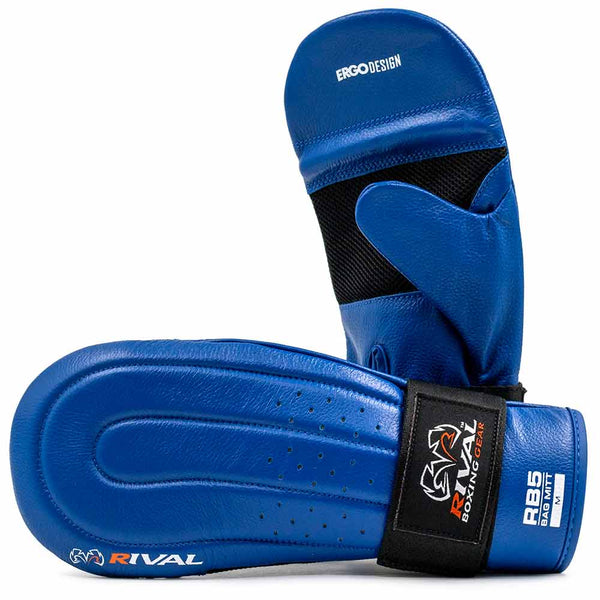
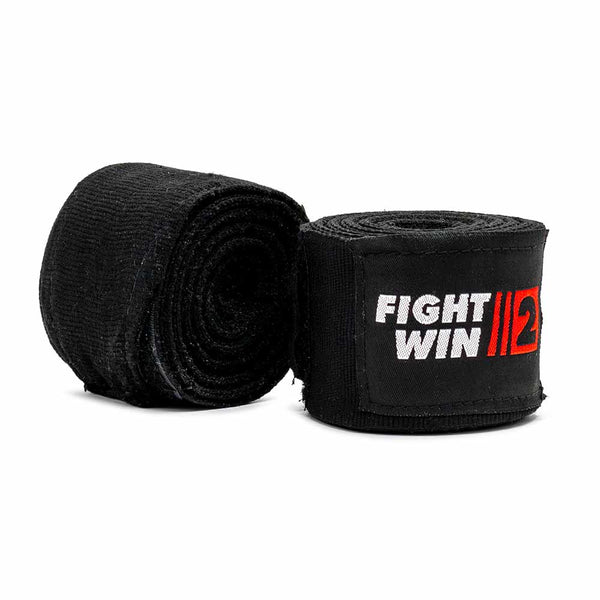
For punching bag training, you will naturally need boxing or bag gloves. Standard Boxing gloves are suitable for this (especially if you want to train with somewhat heavier gloves), but specific bag gloves or MMA gloves are also used for punching bag training. You should also wear handwraps (also called wraps or bandages) under your Boxing gloves.
There is a simple guideline for choosing the size of your Boxing gloves. The size is determined by the weight of the Boxing gloves, expressed in ounces (oz). One ounce is 28.35 grams.
For children, there are 6 oz or 8 oz children's Boxing gloves. 10 oz Boxing gloves are suitable for older children and teenagers, while 12 oz gloves are suitable for lighter men or women.
Adult men usually wear 14 oz or 16 oz Boxing gloves. Incidentally, professional-level bouts are also boxed with only 10 oz Boxing gloves.
Useful tips for an enjoyable punching bag workout
- Do punching bag training with a partner. While one person is working on punches and kicks, the other person can hold the bag steady. You will also find that you train much more effectively when you alternate exercises with another person and take rest periods in between. You can also motivate each other and point out possible adjustments to your technique.
- Play some energetic music. This helps you keep going for just a little longer when you might otherwise have stopped.
- As with every sport, the warm-up is also very important for punching bag training. For example, start with shadowboxing. This can include uppercuts, straight punches and high punches to the rhythm of the music. Follow this by alternating forward kicks with your left and right legs, while continuing to move or hop on the ball of your other foot. You can then do knee raises, lifting your knees high. Follow this with a series of sit-ups. Do not forget to finish by thoroughly stretching all your muscles.
- After the (extended) warm-up, you are fully ready to begin your punching bag training.
You could include the following elements in your punching bag workout:
- Basic: left straight, followed by right straight
- High hook, left/right
- Low hook, left/right (liver punch)
- Straight punch, left/right
- Low kick, left/right
- Middle kick, left/right
- High kick, left/right
Do exercises lasting approximately 2 minutes (followed by one minute of rest), combining several of the elements above. You can gradually build this up to longer rounds and, if desired, shorter rest periods.
Tips for punching
- When punching, keep your other hand high (near your chin).
- When throwing a low hook, bend your knees rather than bending your back.
- When throwing a hook, stand closer to the bag than when throwing a straight punch.
Tips for kicking
- Turn the foot you are not kicking with well outward; your kicking leg will then follow almost automatically.
- Strike the bag with your shin, and for higher kicks with your instep, but never with your toes! You can use shin guards for this if desired.
To vary your punching bag training, you could do sit-ups in between, clamping the punching bag between your knees and throwing a left and right hook at the punching bag as you come up.
A good cool-down is also very important after punching bag training. Shake out all your muscles thoroughly and stretch your arm, leg and abdominal muscles.
With 2 to 3 intensive punching bag training sessions per week, you will quickly notice that your fitness improves, you burn fat and develop more muscle mass.
What else do I need?
You will train best in comfortable-fitting boxing trunks or kickboxing shorts. You can also alternate your training with skipping rope.
In addition, care products such as cooling gel (for injuries) are useful to have on hand.