A white dobok, a carefully tied belt and the recognizable ITF emblem: even before the first technique is performed, the clothing says something about the practitioner. You can see which martial art they practice, what rank they hold and sometimes what role they have in the dojang. The dobok makes Taekwon-do visible.
That is exactly what makes this uniform so interesting. It is practical training wear for turning, kicking, punching and moving, but it also carries tradition. The white fabric, black trim, embroidered symbols and belt each have their place in the whole. You wear not just a uniform, but also a visible connection to the sport.
In this guide, we look at the symbolism of the ITF dobok and the details that matter during training. The focus is on the uniform itself: the origins of its white foundation, the meaning of its trim and how the dobok is worn in the dojang.
1. A uniform that shows what you practice
A uniform creates a sense of shared identity. In the dojang, you can immediately see that everyone is practicing the same martial art, even if they differ in age, experience or background. The dobok visually brings the group together. The belt and trim then show each practitioner’s progress.
That recognizable appearance gives the uniform a distinct role. Names help distinguish activities and objects from one another; clothing does so in a different, immediately visible way. An ITF dobok communicates at a glance something that would otherwise need explaining.
There is a meaningful idea here for your own training, too. As soon as you put on the uniform and tie your belt, you make the transition to practice. You pay attention to your posture, your training partners and the techniques you want to develop. The uniform gives that shared activity a recognizable form.
2. Why the dobok is white
The white jacket and trousers form the understated foundation of the dobok. In the traditional explanation we use for this uniform, white refers to the traditional color of Korean clothing. This connects a modern training uniform to Taekwon-do’s Korean roots.
White also creates a clear sense of unity among all practitioners. The color stays the same, while the belt and trim add their own accents. With a colored belt, your eye is drawn to the rank; with a black belt, the contrast with the white fabric stands out more. The whole outfit remains recognizable as a single uniform.
A well-kept white dobok also reflects the care you put into your training. A clean jacket, neat trousers and a properly tied belt show that you arrive on the mat prepared. It is a simple, everyday way to show respect for your martial art.
3. Jacket, trousers and belt: three pieces, each with its own purpose
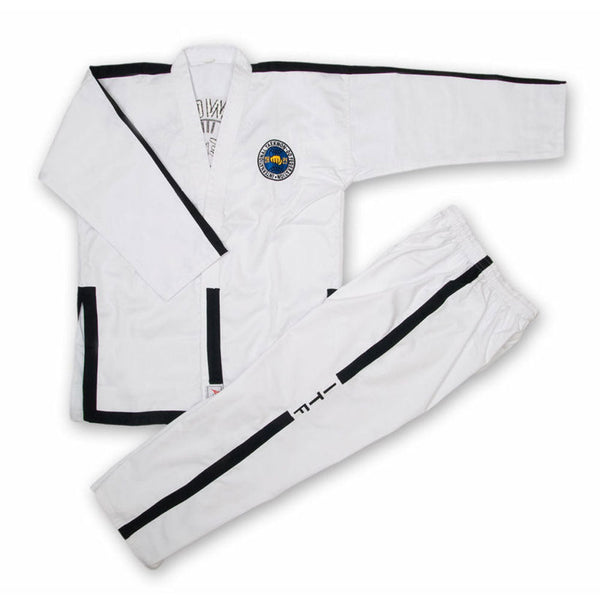
The dobok consists of a jacket or shirt, trousers and a belt. The jacket gives your arms and shoulders room to move, while the trousers allow your hips and legs to move freely. The belt completes the uniform and shows the wearer's grade. Together, these pieces are both functional and symbolic.
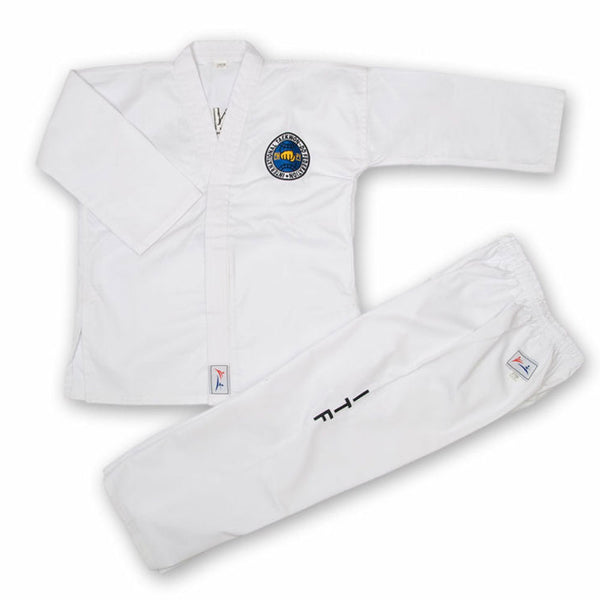
The classic ITF dobok in our range has the distinctive centre fastening. It keeps the front together as you move. This is helpful when rotating your torso, raising your arms and performing a series of techniques. The fastening should move comfortably with you during training.
The trousers have straight legs and a comfortable fit around the waist. On the classic kup dobok, an elastic waistband with a drawstring lets you adjust the fit. The models also have a pocket at the back. For training, what matters most is that the trousers stay comfortably in place as you step, turn and kick.
The ITF emblem on the chest and the Taekwon-do tree on the back give the uniform its familiar identity. On our models, these emblems are embroidered. They are not just decoration: they are part of the look you recognise in an ITF dobok.
4. Kup, Boosabum and Sabum: one uniform, different roles
The white jacket and trousers remain familiar, but the trim says more about the person wearing the uniform. This means there are different versions within the same tradition. The belt shows the wearer's grade; black piping and stripes add information about experience and the instructor's role to the silhouette.
The white kup dobok
For kup grades, from 10th to 1st kup, the white dobok is the foundation. The belt colour shows the wearer's progress, while the uniform itself retains the same understated look. Beginners and more advanced practitioners therefore share a recognisable uniform. The difference lies in their learning journey, not in an ever-changing jacket or trousers colour.
The Boosabum version
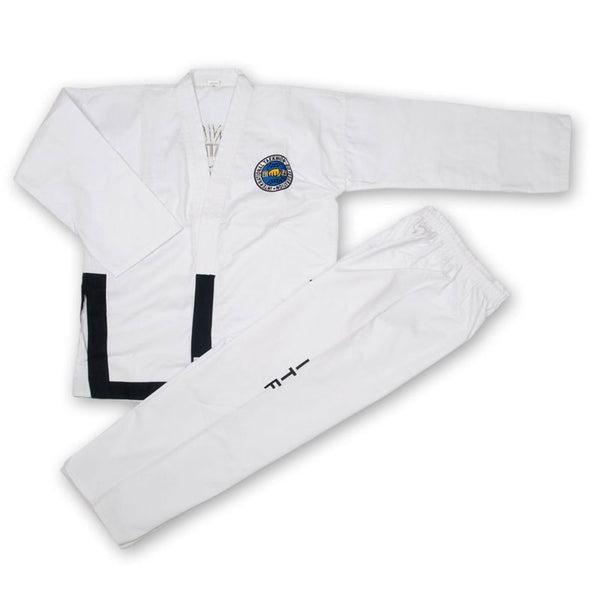
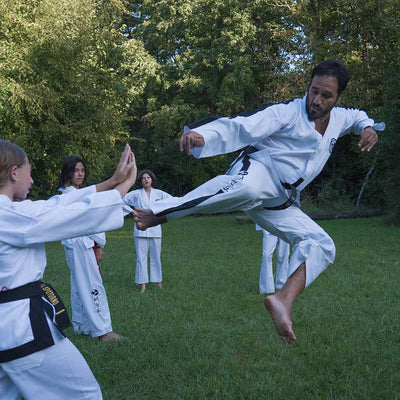
The version for 1st through 3rd dan features black trim along the bottom of the jacket. This trim adds a visible accent to the white base. The uniform shows that the wearer has reached the next stage while maintaining a connection with all other practitioners.
The Sabum version
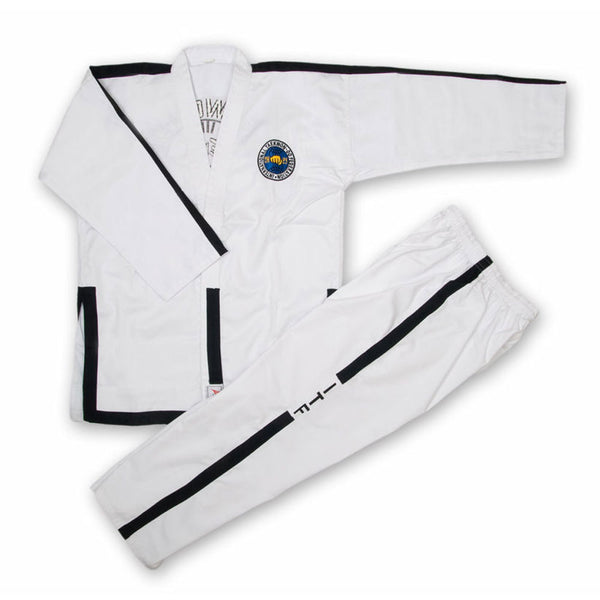
The instructor version for 4th dan and above also has distinctive black lines on the jacket and trousers. These lines give the dobok its own silhouette and make the instructor's role visible. Their meaning comes to life on the mat: through teaching, practising carefully and setting an example for others.
What the versions share is more important than what sets them apart. In every version, the white fabric, belt and ITF symbols remain part of the same whole. The accents change as the wearer develops and takes on more responsibility.
5. Black piping makes progress visible
The black piping along the bottom of the jacket distinguishes the dobok for black belt holders from the all-white kup version. It is a small detail with a clear effect: the white base stays the same, but the finish shows that the wearer has reached the next stage.
Our original explanation links this black trim to the clothing traditions of royal and aristocratic households during the Korean dynasties of Koguryo, Baekje and Silla. Within that traditional symbolism, the trim means more than just a dark contrast. It makes the connection between rank, responsibility and heritage visible.
The instructor version adds black stripes to the jacket and trousers. While the piping identifies the dan holder, those lines give the instructor model its own look. This shows how the same white dobok can reflect different roles within the sport through carefully chosen accents.
6. The belt shows a path of learning
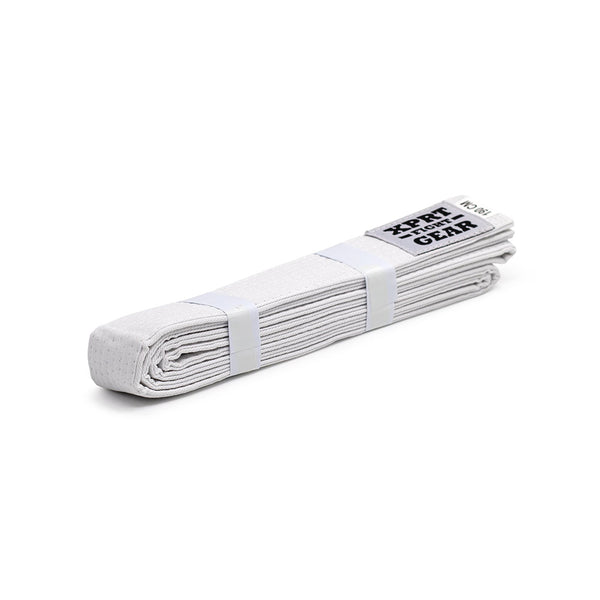
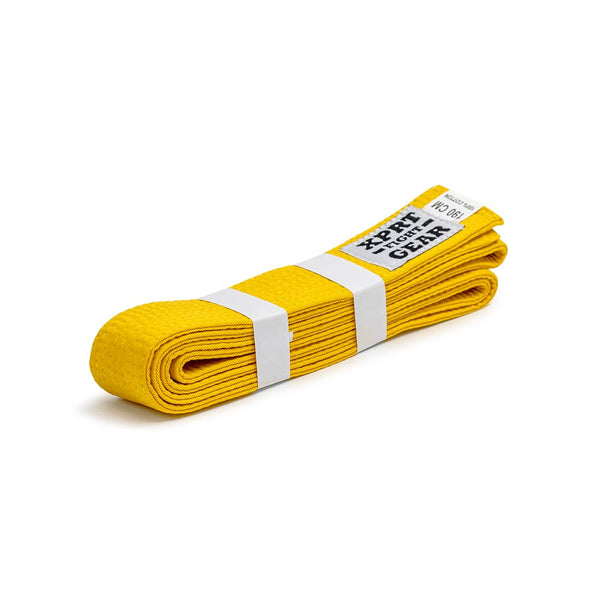
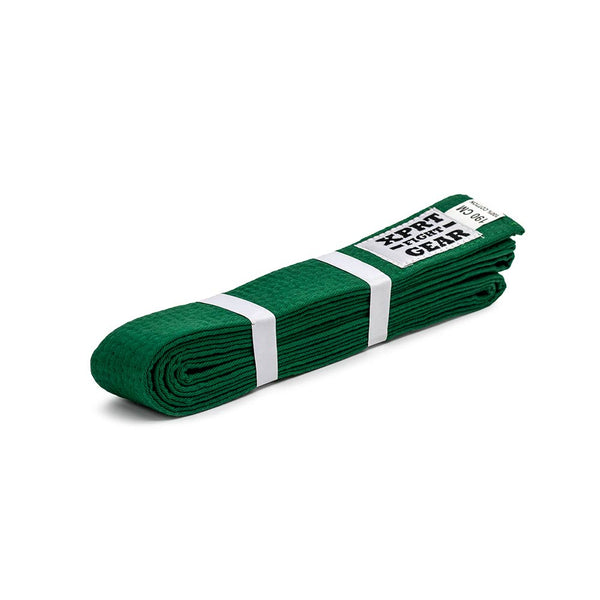
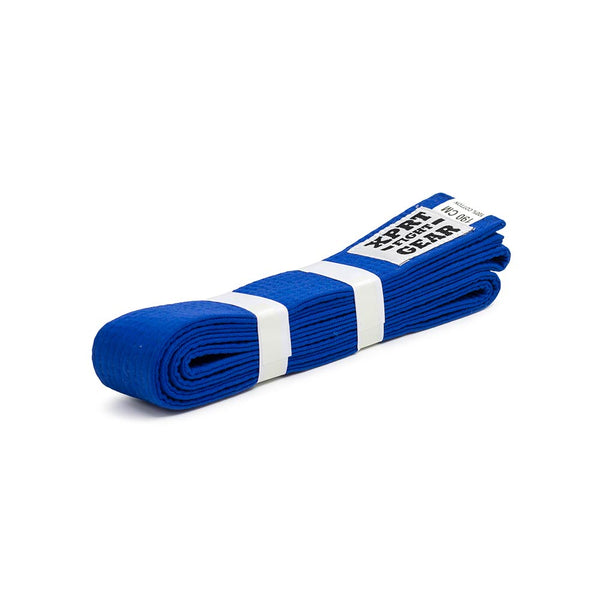
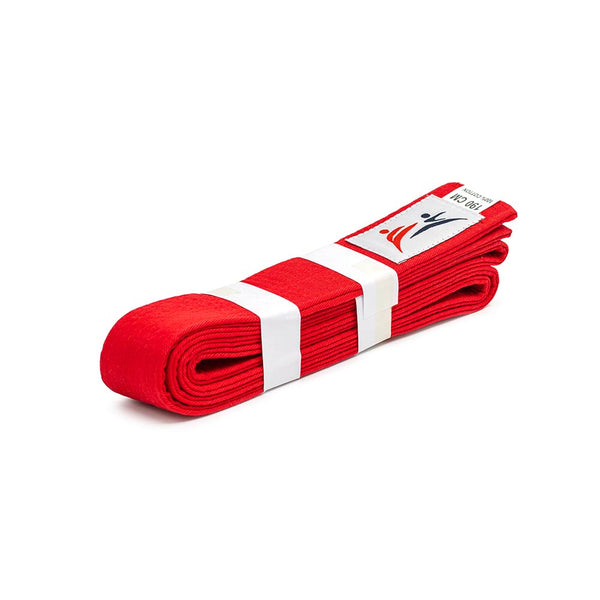
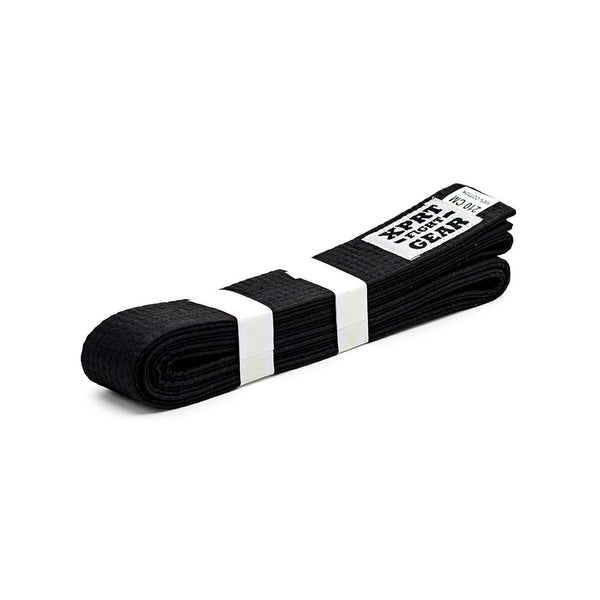
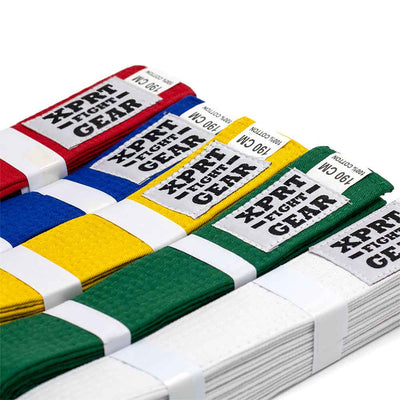
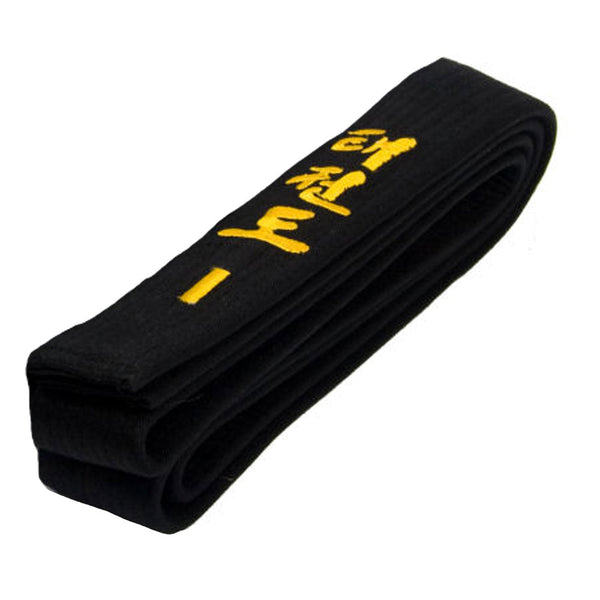
The belt is the clearest sign of rank. Each color marks a step in a practitioner's development. The belt reflects what you have learned and the attention you have given to training. Each new color marks a new milestone.
The original explanation of the dobok also mentions the motivational role of kup and dan ranks. The next belt gives you a goal to work toward, while daily training remains the foundation. You can be proud of your progress and still stay curious about what you have yet to learn.
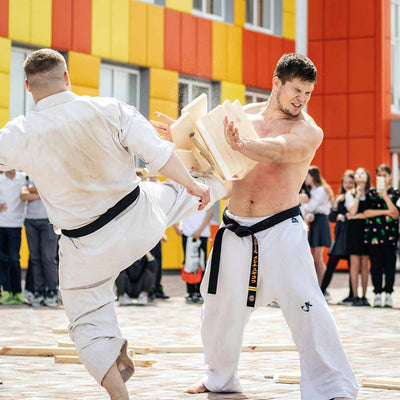
A black belt also adds responsibility to the way the uniform is worn. Experienced practitioners show what their training has taught them through their attitude, dedication and interactions with others. The belt is visible, but the way someone trains gives it meaning.
7. Embroidered symbols and the familiar Taekwon-do tree
The familiar Taekwon-do tree appears on the back of the dobok. The arrangement of the letters and vertical symbols gives the back a distinctive, recognizable look. Together with the chest patch, it makes the dobok clearly recognizable as ITF training wear, even from behind.
Embroidered ITF symbols give the white fabric a distinctive finish. The embroidery has a tactile texture and adds relief to the letters and patches. This stands out especially clearly against the white background. It is a detail you notice both up close and during training.
That is why it is worth looking beyond the front of a dobok. The symbols on the back, the emblem on the chest, the fastening and the finishing of the trouser legs together show how the model is put together. It is this combination that gives the familiar uniform its character.
8. Tradition and the current model
The current ITF dobok model was introduced in 1982. The aim was a uniform that retained its traditional, recognizable appearance while being practical for training and competitions. The connection between heritage and practicality runs throughout the design.
That combination is still easy to recognize today. The white jacket and trousers remain the foundation, the belt shows the rank, and the finishing details distinguish the different versions. Meanwhile, you can choose between classic fabric and a lightweight ribbed fabric. The uniform may feel different, but the dobok retains its distinctive look.
This makes tradition something you actually use. You move in it, wash it after training and put it on again next time. The symbolism lives not only in explanations of the past, but also in the small routines of an ordinary training week.
9. The fabric: tradition that moves with you
A dobok is not just something to look at, but above all something to wear. The fabric moves with you as you turn your torso, raise your arms and perform high kicks. The room around the shoulders, hips and legs gives the uniform its practical character. Its distinctive look and freedom of movement go hand in hand.
Polyester and cotton are used together in dobok fabrics. Lighter ribbed fabrics are also available, with their own texture and feel. The material can vary while the familiar look of the white jacket and trousers remains. This allows the uniform to evolve without losing its recognizable identity.
The finishing details also show how function and appearance come together. The fastening keeps the jacket closed, the waistband helps keep the trousers in place, and the embroidery gives the symbols a tangible texture. These are details you use during every training session, and together they define the character of the dobok.
10. A fit that follows your techniques
A dobok should give you room to move. When you raise your arms, your shoulders should be able to move comfortably, and when you lift your knee, the trousers should not pull unnecessarily around your hips. The straight legs and the fit around the waist work together to make this possible.
Your height is the starting point for choosing a size. Then check the size chart for the model you’ve chosen and consider how much room you prefer around your shoulders, hips and legs. The fabric and cut together determine how the uniform feels as you move.
A good fit also helps you wear the uniform neatly. The jacket closes properly, the trousers fit comfortably and the belt completes the look. The practical and symbolic aspects reinforce each other: you can move freely while wearing a distinctive, well-fitting uniform.
11. Care is part of respecting your dobok
A clean dobok is a good start to every training session. Take the uniform out of your sports bag after training, let it air out and wash it regularly. That way, it stays fresh instead of sitting folded up and damp until the next class. This simple routine reflects the care you take in wearing the uniform.
Our care guidelines for the collection recommend washing at 30 °C with a mild detergent without bleach. Then let the dobok air-dry, not tumble-dry. This is a practical way to take care of the fabric, the fit and the embroidered details.
If ironing is needed, use a low temperature and handle patches and fastenings with care. Follow any stricter instructions on your model's care label. Store the uniform dry so it is ready for the next training session, grading or competition.
12. Your uniform and your attitude go hand in hand
The symbolism of the dobok gains meaning through the person wearing it. The white color, the belt and the piping make a tradition visible; training with care and treating others with respect bring that tradition into everyday practice. The uniform helps make that shared attitude recognizable.
Instructors have an additional role to play here. An experienced practitioner can show what Taekwon-do is about through instruction, patience and careful practice. The instructor's dobok makes that role visible, while their example on the mat gives it substance.
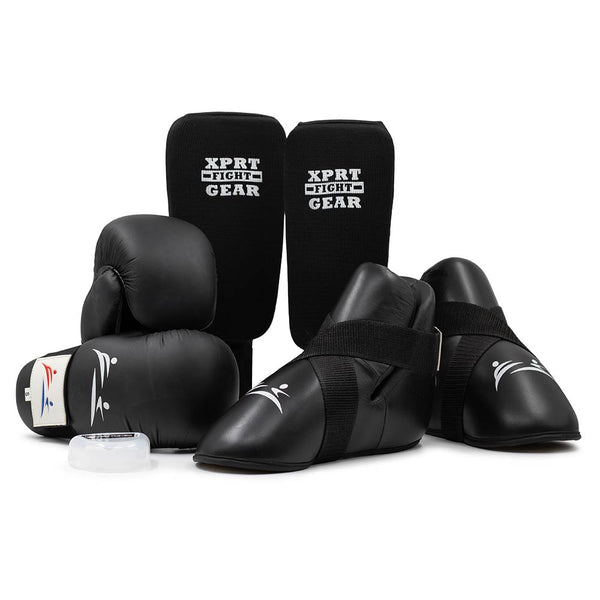
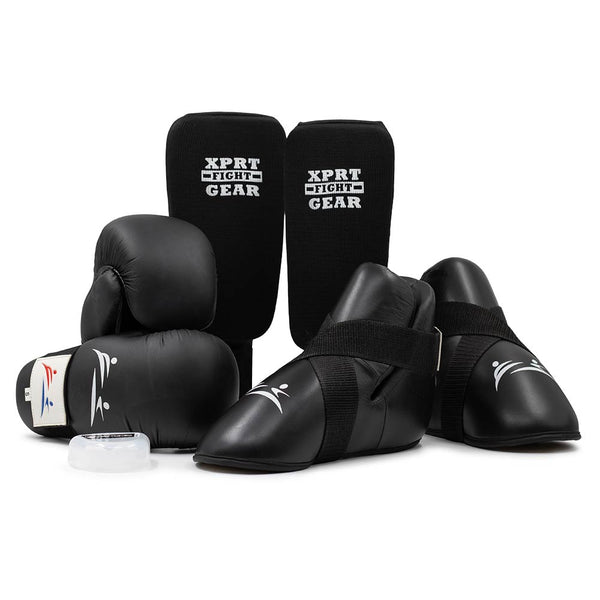
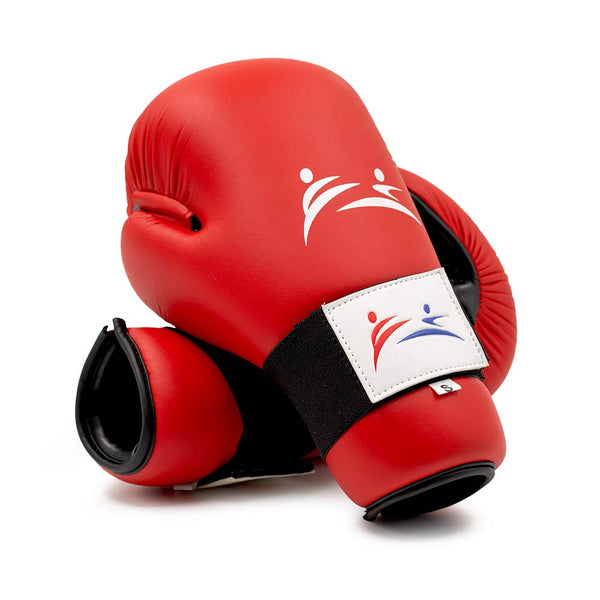
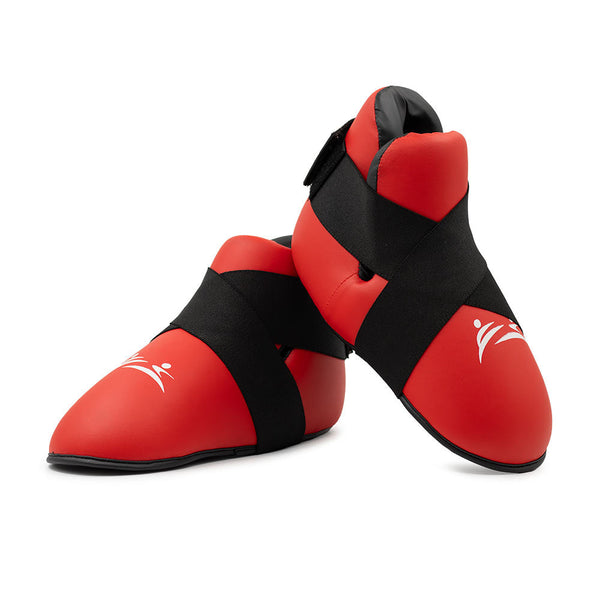
To complete your kit, combine the dobok with the equipment you use in training. The belt is part of the uniform; protective gear and sparring equipment serve their own purposes when you use them. Our ITF equipment guide offers that practical addition to the story behind your dobok.
13. Conclusion: distinctive, practical and full of meaning
The ITF dobok brings form and meaning together. White refers to the Korean clothing tradition, the belt shows your rank, and black piping and stripes give the design its distinctive look. Embroidered symbols and the Taekwon-do tree complete the uniform.
The uniform ultimately takes on meaning in the dojang. You put on your dobok, tie your belt and train with others. Taking care of your uniform, respecting your training partners and being willing to keep learning bring the tradition to life. In this way, the dobok connects the history of Taekwon-do with your own development on the mat.