Sanda is the sporting side of san shou, with strict rules governing which techniques may be used. It is also known as Chinese kickboxing.
San shou is a form of Chinese self-defense and martial arts. It consists of free fighting and incorporates various elements of styles within wushu.
Origins of Sanda
In the 1960s, san shou was developed by the Chinese military at the request of the Chinese government, following their experiences during the Korean War. Various traditional styles were studied, from which techniques were selected and combined with modern insights.
It can therefore be seen as a modern form of wushu, in which an attempt was made to combine the essence of various traditional styles. As an unarmed self-defense system, san shou is comprehensive: it includes throws, joint locks, choking techniques, kicks, strikes, and punches.
Rules of Sanda
Sanda is a full-contact competitive sport practiced in tournaments. Certain techniques that are part of the self-defense system, such as elbow strikes, chokeholds, and arm locks, are not permitted, with the exception of X-treme sanda.
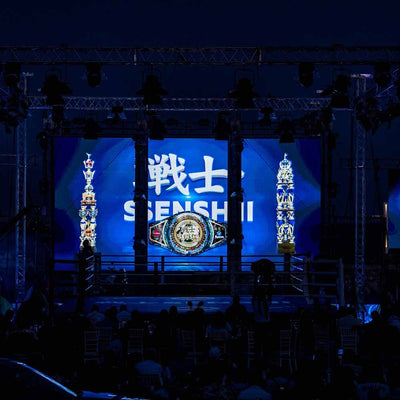
It is also possible to win by knocking the opponent out of the ring, which would obviously not be a relevant criterion in self-defense. Originally, the ring or mat was intended to be an eight-by-eight-meter platform, sixty centimeters high.
This represents a mountain or the roof of a building. Permitted techniques include punches, kicks, and throws. A match can also be won by K.O. or on points.
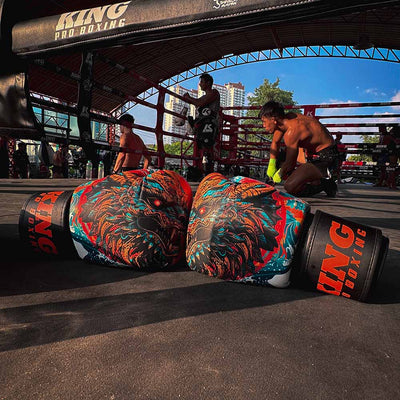
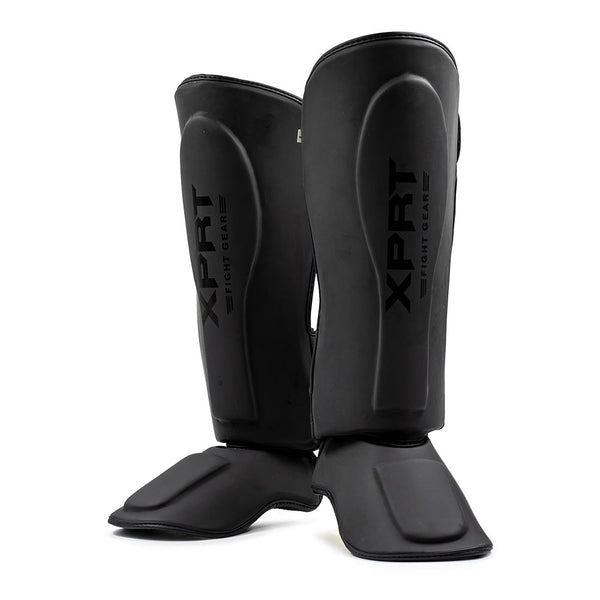
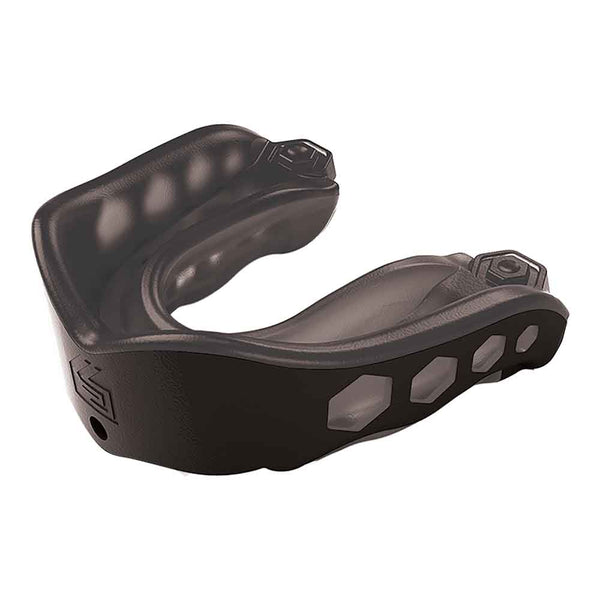
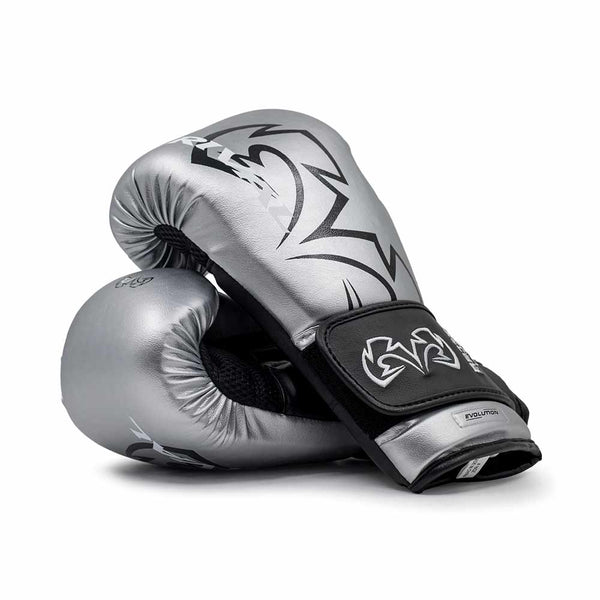
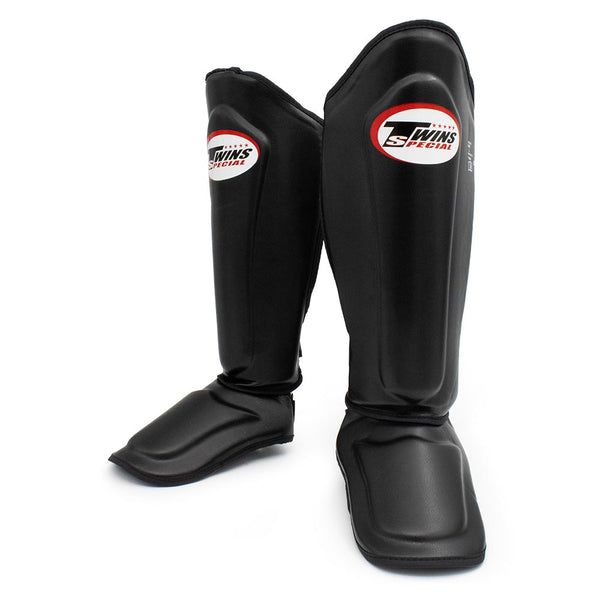
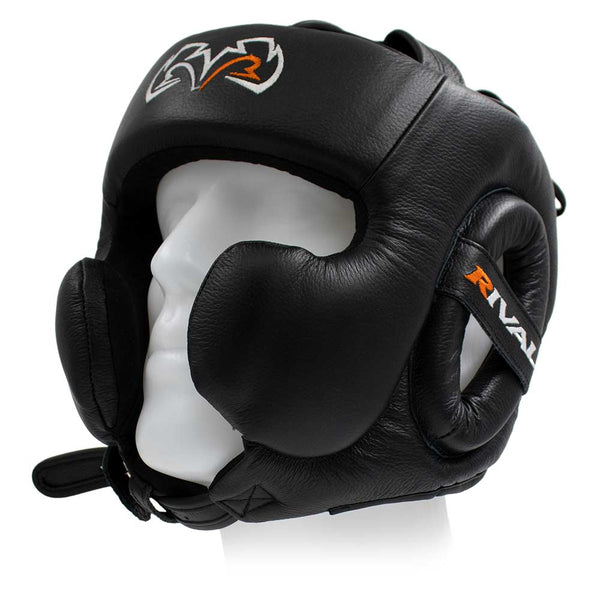
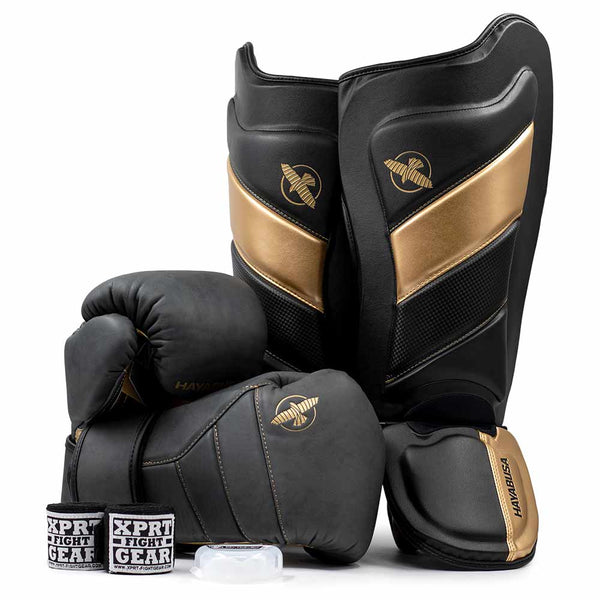
Sanda is practiced with head and chest protection, shin guards, a mouthguard, and boxing gloves. There is also 'X-treme' sanda: this is practiced without chest, head, or shin guards, and knee and elbow techniques are often permitted as well.