Muay Thai is originally a national form of martial arts in which fighters compete with bare hands. It is a tradition to organize various Muay Thai matches during festivals.
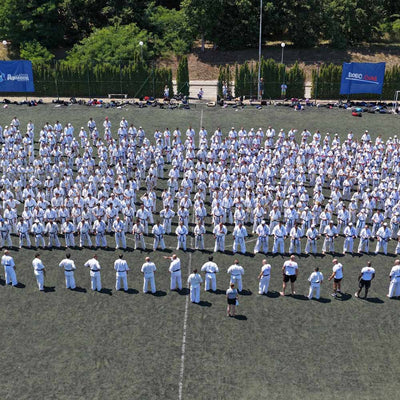
Today, thai boxing is a globally renowned sport practiced by thousands of people. In Thailand, it is an extremely popular sport, and every province has a large stadium where matches are held.
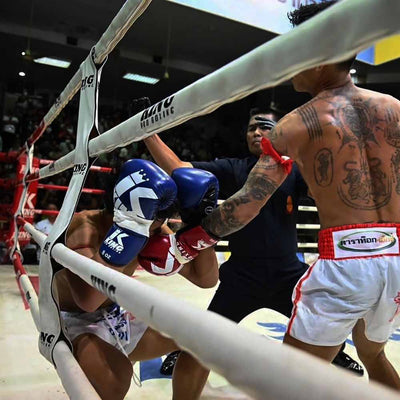
A Muay Thai match takes place in an almost square ring that stands no more than 120 cm above the ground.
Each side of the ring must measure between 5.70 and 8.20 meters. The ring must be enclosed by 4 ropes, which may be between 4.90 and 7.30 meters long on each side of the ring.
The ropes must be supported by 4 corner posts, and their diameter may be no more than 2 cm. The ropes must be wrapped in leather or soft linen to protect the fighters.
The ground outside the ring must be covered with soft mats. Within a radius of 1 meter outside the ring, no one may enter except trainers, judges, and the doctor.
Thai boxing equipment:
When a match is held in a stadium, the following items must be present:
- stopwatch
- gong
- alarm bell
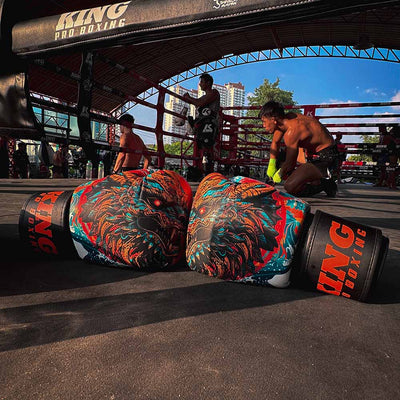
- boxing gloves of various sizes that comply with the guidelines
- water bottles
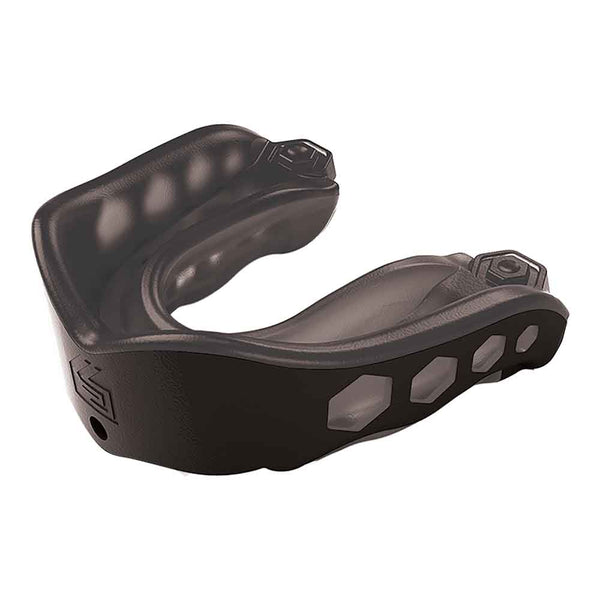
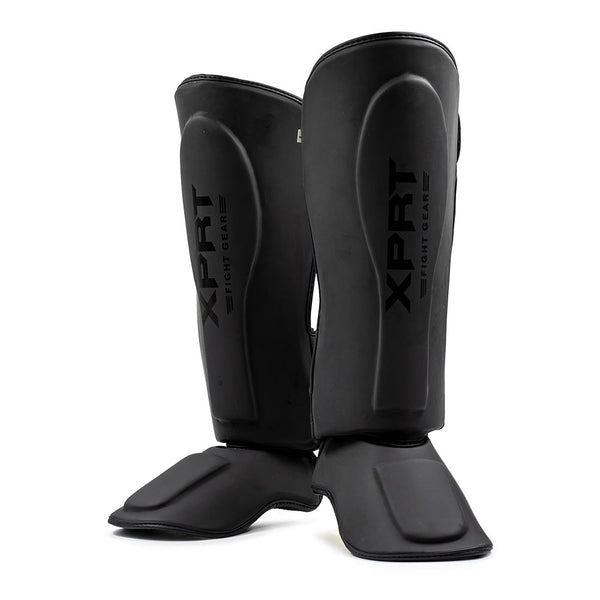
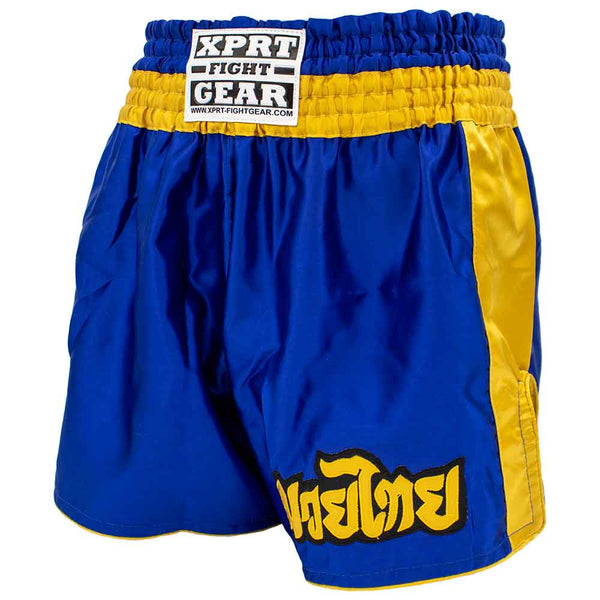
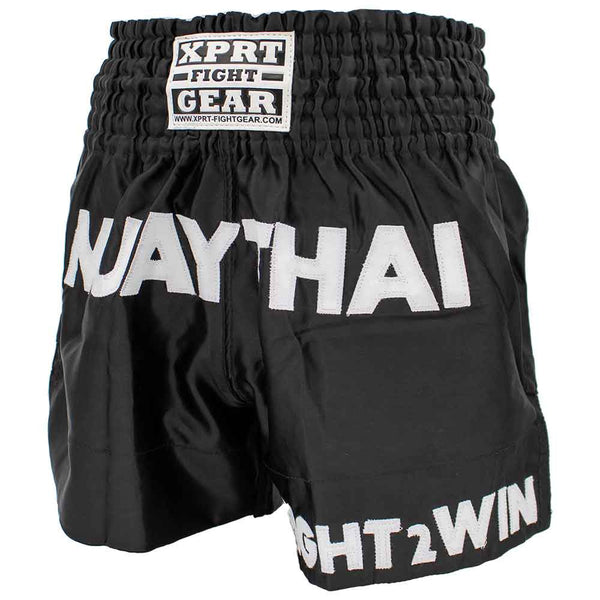
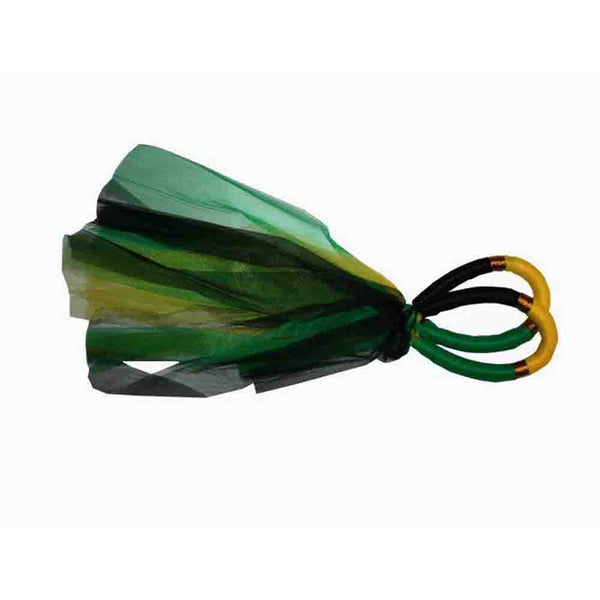
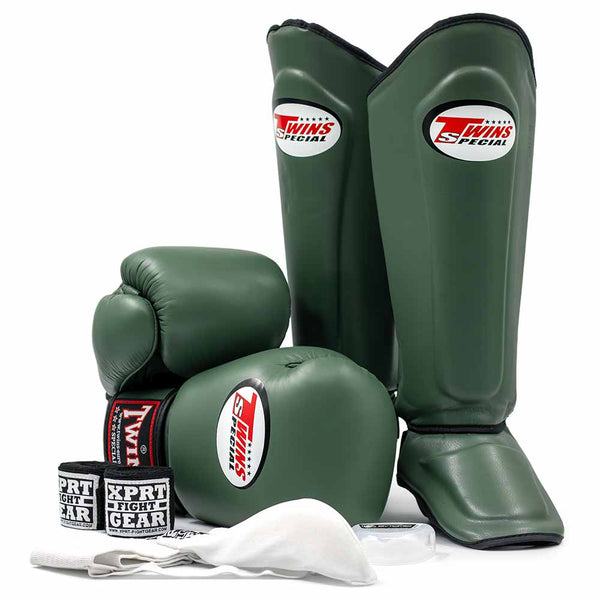
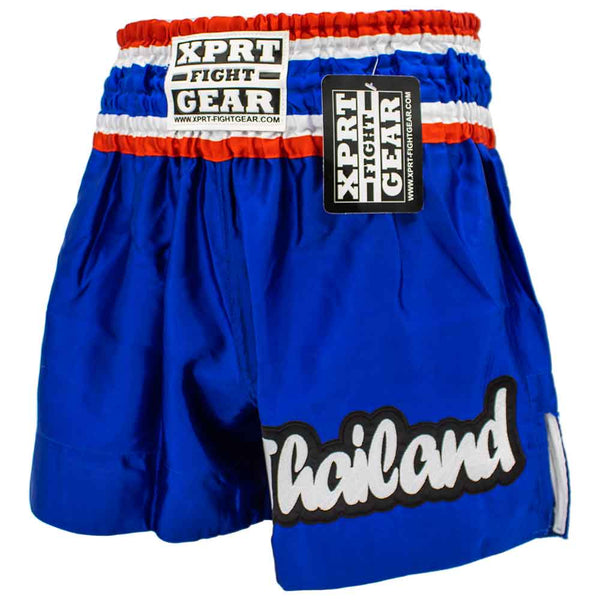
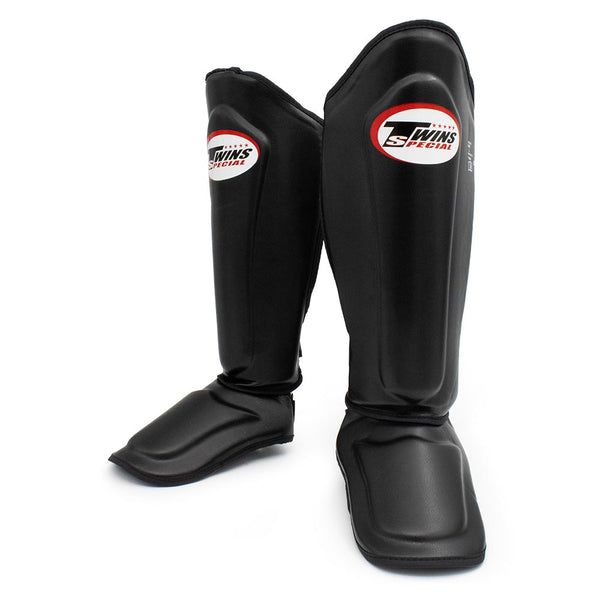
- shorts, handwraps, mouthguards, and head cords
Rules of Muay Thai matches:
- Matches in Thailand must always have government approval
- A Muay Thai match lasts no more than 5 rounds, and a round lasts a maximum of 3 minutes
- There is a 2-minute break between rounds
- Fighters must wear boxing gloves, and these may not weigh more than 6 ounces (172 grams) - Exceptions:
- Fighters must have a medical certificate
- Fighters must be weighed naked and classified accordingly
- Fighters may not use Vaseline
- Fighters may not wear shoes or a T-shirt, but wearing a groin protector is mandatory
- Each fighter may have 2 trainers in their corner
Decision of a Muay Thai match:
The result of a match can be determined in five ways:
- KO (if a fighter goes down from a punch by their opponent and is unable to get up within 10 counts)
- TKO (a decision by the referee if a fighter is no longer able to continue fighting)
- Concession (if a fighter stops the match)
- Disqualification (if a fighter commits a serious violation)
- The judges award their points, and the fighter with the most points wins
Scoring in thai boxing:
Judges have the difficult task of awarding points for punches and kicks. Awarding a point depends on the effectiveness, target, power, and impact of the punch or kick.
Points are also awarded for defensive strength as well as offensive strength. If both fighters have the same number of points, the more attacking fighter wins.
Assigning fouls in thai boxing:
There are many things prohibited in the ring:
- behaving or speaking inappropriately
- intentionally using the head to strike the opponent
- attacking the eyes, pulling hair, and spitting
- deliberately bringing the opponent down and then kicking them
- deliberately kicking a fallen opponent
- continuing to strike an opponent when they are hanging on the ropes
- evading attacks by hiding behind the referee
- deliberately kicking the opponent in the groin
Thai boxing weight classes (Thailand):
- Mini Flyweight no heavier than 105 Ibs. (47.6 kg)
- Junior Flyweight no heavier than 108 Ibs. (49 kg)
- Flyweight no heavier than 112 Ibs. (50.8 kg)
- Junior Bantamweight no heavier than 115 Ibs. (52.2 kg)
- Bantamweight heavier than 118 Ibs. (53.5 kg)
- Junior Featherweight no heavier than 122 Ibs. (55.3 kg)
- Featherweight no heavier than 126 Ibs. (57.2 kg)
- Junior Lightweight no heavier than 130 Ibs. (59 kg)
- Lightweight no heavier than 135 Ibs. (61.2 kg)
- Junior Welterweight no heavier than 140 Ibs. (63.5 kg)
- Welterweight no heavier than 147 Ibs. (66.7 kg)
- Junior Middleweight no heavier than 154 Ibs. (69.9 kg)
- Middleweight no heavier than 160 Ibs. (72.6 kg)
- Light Heavyweight no heavier than 175 Ibs. (79.4 kg)
- Heavy weight heavier than 175 Ibs. (+79.4 kg)