I wake up every day at exactly 5 a.m. Then I go running from 5:30 to 6:30. After that, I have punching bag training from 6:30 to 8 a.m. I’ve been doing this for 3 years, and it’s a choice I still stand by today.
It doesn’t just have physical benefits, such as better fitness and an athletic body. It also gives you a stronger mind and perseverance.
It has also given me a better understanding of how much you can accomplish in a day and how wasteful it is not to make full use of all 24 hours. After my morning training sessions, my day continues like that of a regular student.
Just like everyone else, I have school from 8:30 a.m. until around 5 p.m. Then I have MMA training from 6 to 8 p.m., followed by BJJ training from 8:30 to 11 p.m.
The Morning Running and Punching Bag Training Routine
Before I go running in the morning, I drink at least a liter of water. Then I start with a short warm-up. This includes butt kicks, high knees, jumping, and touching the ground.
Nothing special yet!
After that, I go running through the forest and continue straight to my gym. It’s about 10 km away. I run this distance in an hour. When I arrive at the gym, punching bag training begins.
This is mainly focused on fitness training and technique. We always start with shadowboxing, followed by shadowboxing with weights in our hands. Then we do relay rounds on the punching bags and posts.
We do this for about 20 minutes. After that, I always spend 40 minutes hitting and kicking the pads with my trainer.
MMA Training
A day in the life of an MMA fighter naturally also involves training. The MMA training session from 6 to 8 consists of three parts. The first part is only grappling and ground fighting, the second is stand-up fighting, and the third combines both.
In the first part, we mainly practice technique, and strength does not yet play a role. We practice various takedowns, sweeps, clinches, strokes, and chokes. We also learn how to escape from every hold and choke we practice. So you train both offensively and defensively.
In the second part, both technique and strength matter. We only spar standing up here. We do this in 5-minute rounds per person. We spar against everyone attending the training in a relay format.
Then part 3 begins: all-round fighting. Here, we are allowed to fight both standing up and on the ground. We spar for 20 minutes until the end of training at 8 p.m.
Brazilian Jiu-Jitsu Training
Brazilian Jiu-Jitsu training starts at 8:30 p.m. Here, we train ground fighting at a higher level. Because you are not allowed to punch or kick in BJJ, you do not have to adapt and can focus 100% on grappling.
You also use a completely different fighting stance than in MMA. This BJJ class consists of 2 parts. The first part consists of various techniques for choking someone or breaking their bones.
These include chokes, armbars, leg locks, and many other holds. In this part, we are only practicing and trying to apply the right techniques at the right moment. In the second and final part, we spar for 3 tapouts.
For every tapout, you have to hang upside down from the punching bag for one minute as a punishment, and the trainer is allowed to use your stomach as a punching bag.
What Martial Arts Equipment Do You Need?
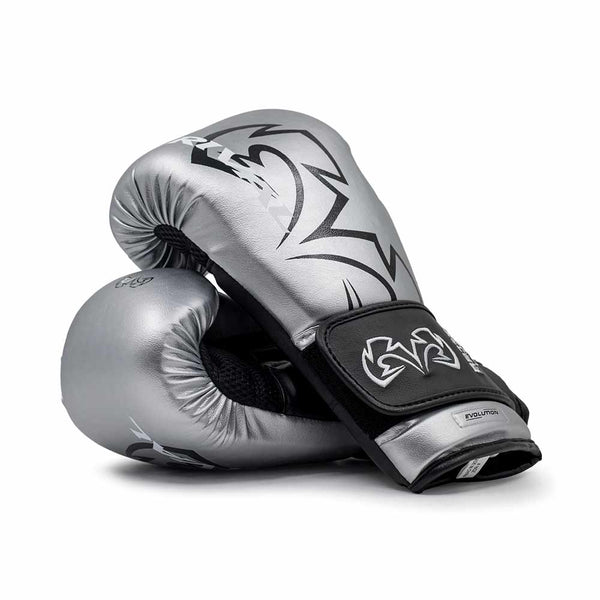
I use different martial arts equipment for each training session. For example, for punching bag training, I use the Rival bag gloves because they fit very comfortably and are top quality.
They also have thick padding that provides me with good long-term protection. With these gloves, I don’t need inner gloves or Handwraps, which I really like.
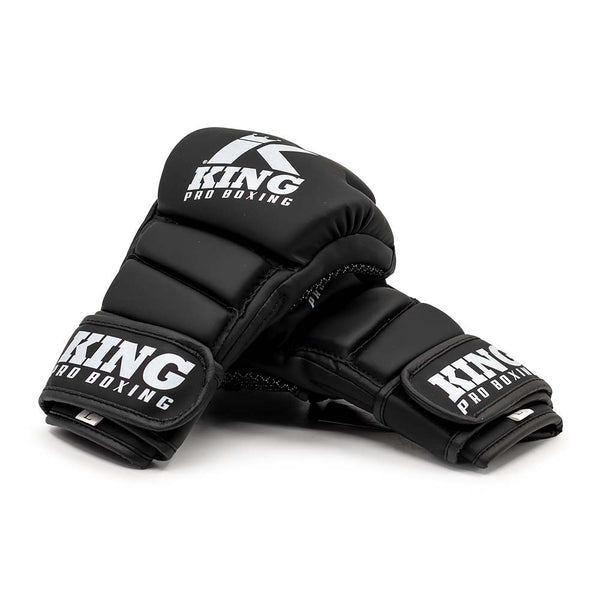
For MMA training, I use different gloves. When sparring, I use 7 oz MMA gloves because they have very thick thumb and knuckle protection, which is very important to me. In addition, 7 oz MMA gloves reduce the risk of injuries thanks to their slightly thicker padding.
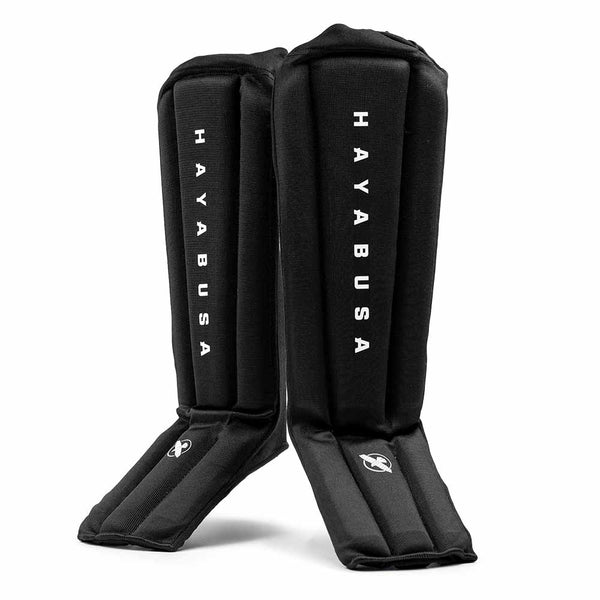
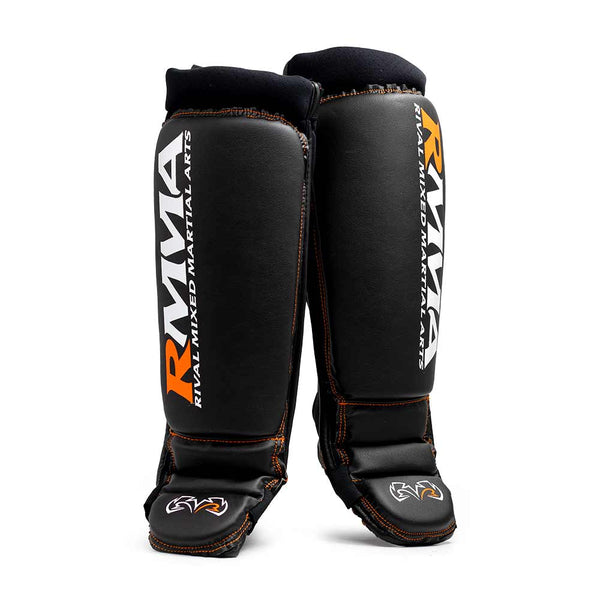
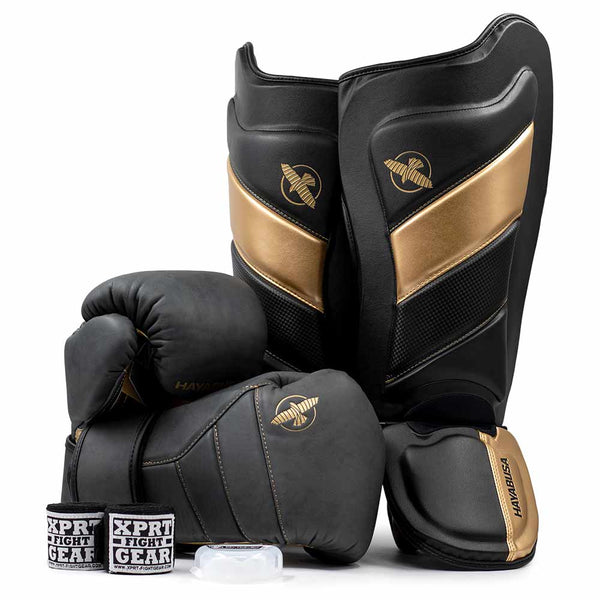
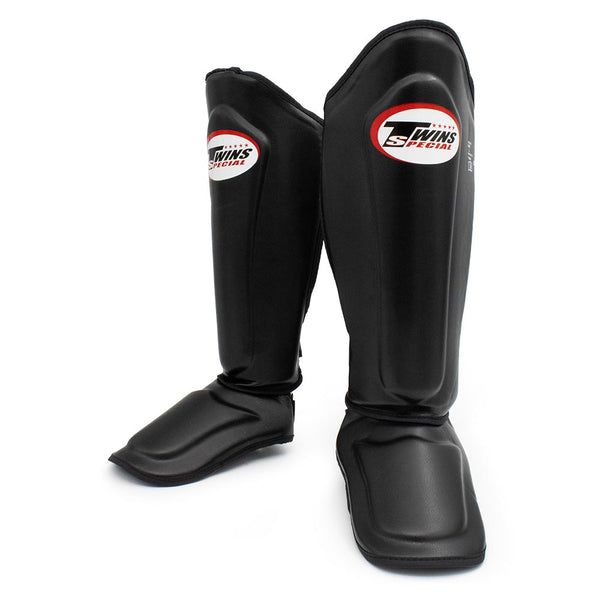
I also use the XPRT Boxing gloves. They are made of genuine cowhide leather and have one-mold foam padding. Underneath, I also wear the Handwraps XPRT for extra protection. I also use the matching XPRT Pro Shin guard. The shin guards are exactly the same quality as the gloves.
But the most important thing of all is a good mouthguard. And of course, it must be CE-approved. Mouthguards provide maximum protection for my teeth, but they also protect against brain damage, and many people don’t know that.