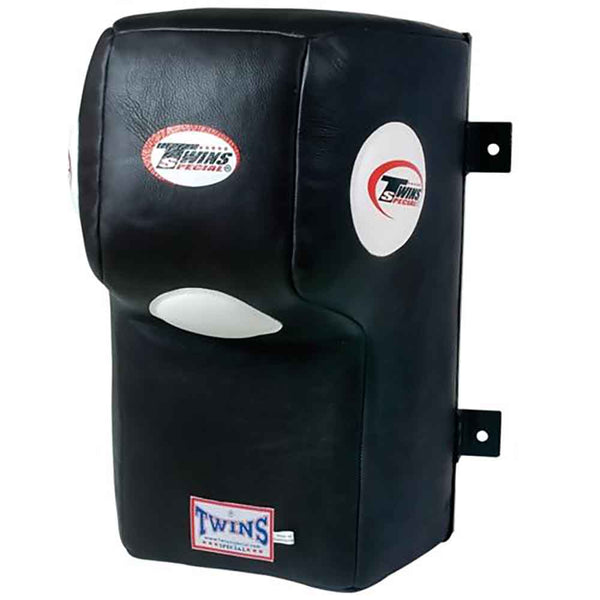
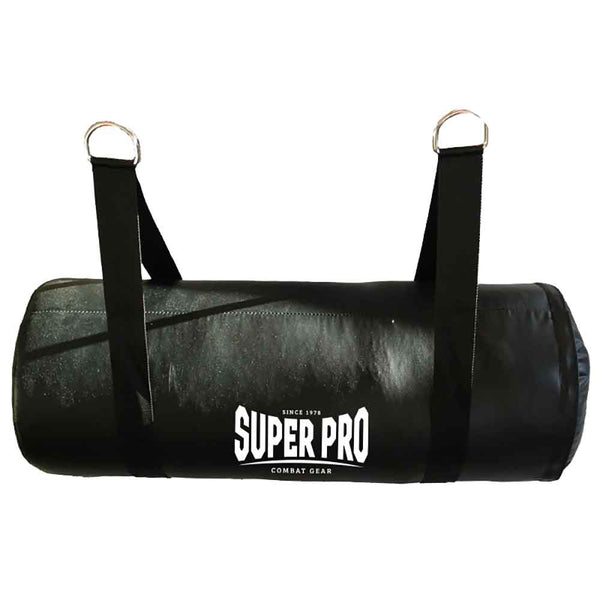
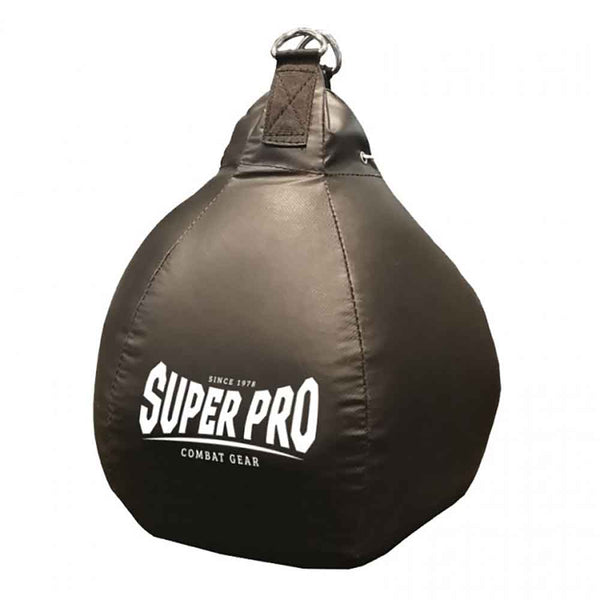
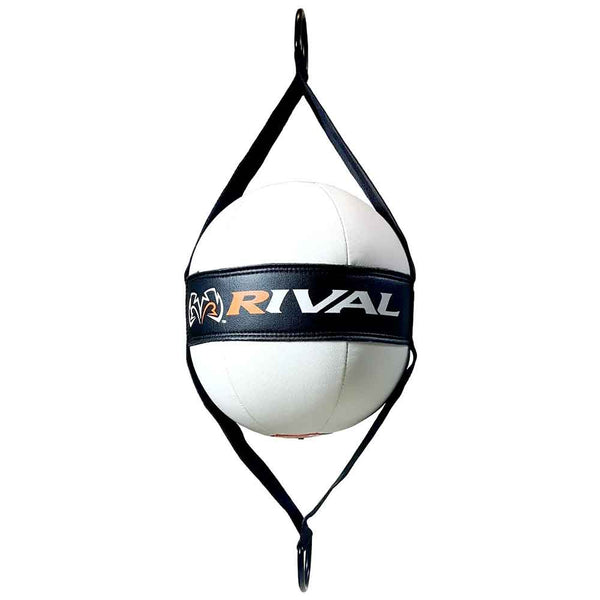
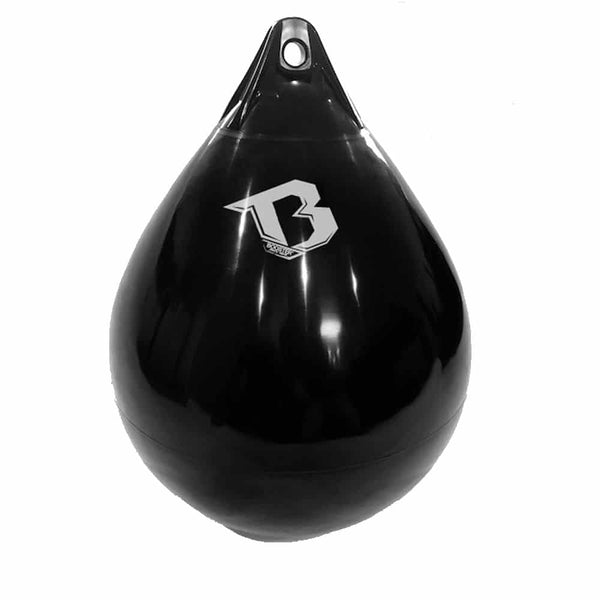
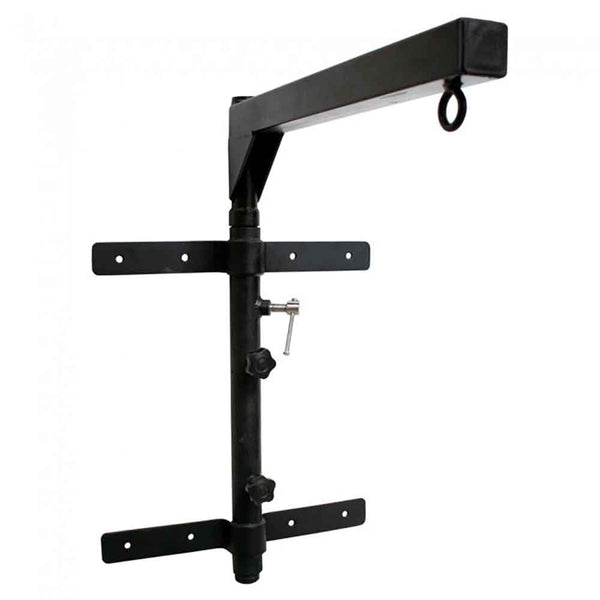
A punching bag is an excellent training tool for boxers and martial artists to improve their technique, strength, and fitness. It allows you to practice your punches, kicks, and movements without needing a sparring partner.
However, to get the most out of your punching bag training, it is important to apply the right techniques and strategies. In this article, we will share some important tips on how to train effectively on a punching bag.
How do you train on a punching bag? Step by step
1. Start with a warm-up
Before you begin training on the punching bag, it is essential to perform a proper warm-up. This helps prevent injuries and prepares your body for the intensive training session.
Start with light cardio exercises, such as jumping rope or shadowboxing. Then, you can do some dynamic stretches to warm up your muscles.
2. Wear the right equipment
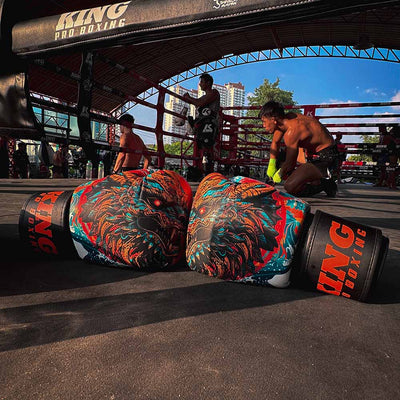
Make sure you wear the right equipment while training on the punching bag. Wear boxing gloves to protect your hands and maintain proper fist formation.
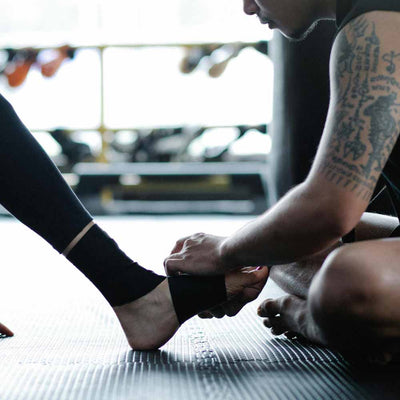
You may also want to use handwraps to provide additional support for your wrists.
Wear suitable clothing and make sure your feet are well supported, whether you are kicking or punching.
3. Work on your technique
Training on a punching bag is not just a matter of throwing random punches and kicks. Work on your technique.
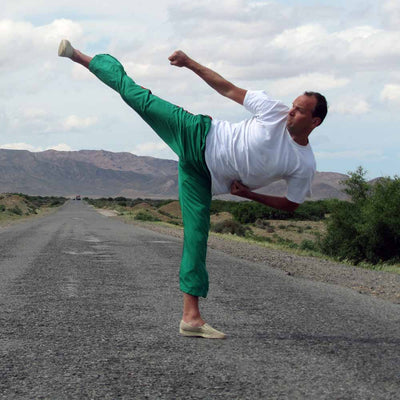
Focus on executing your punches and kicks correctly. Practice your jab, cross, hook, uppercut, and various kicks, depending on your discipline (such as kickboxing or boxing).
Try to make smooth and controlled movements.
4. Vary your attacks
Regularly change your combinations to challenge yourself and improve your reaction time.
Mix punches and kicks in different combinations. This will help you train more realistically and prepare for different scenarios in a real combat situation.
5. Focus on speed and power
In addition to working on your technique, you can also improve your speed and power while training on the punching bag.
Throw explosive punches and kicks to strengthen your muscles and increase your speed.
Work on your breathing and try to maintain a constant flow of powerful attacks.
6. Keep moving
Do not stand still during your punching bag training. Move around the bag, change your angles, and stay alert.
This simulates a real fight situation and teaches you to deal with your opponent’s movements.
7. Intensity and duration
Adjust the intensity and duration of your training based on your fitness level. Beginners should start slowly and gradually increase the duration of their sessions.
Intensive 2–3-minute rounds followed by short rest periods are effective for raising your heart rate and improving your endurance.
8. Cool-down and stretching
After your punching bag training, a proper cool-down is essential. Take 10–15 minutes to lower your heart rate and perform static stretching exercises to relax your muscles.
This helps reduce muscle soreness and maintain your flexibility.
Conclusion: punching bag training
Training on a punching bag can be physically and mentally demanding. Remain consistent and disciplined in your training sessions.
With the right approach and dedication, you can improve your technique, build your fitness, and develop confidence.
Moreover, it is an excellent way to relieve stress and stay in shape.