Bokator

Bokator

Stats

Origin
Cambodia

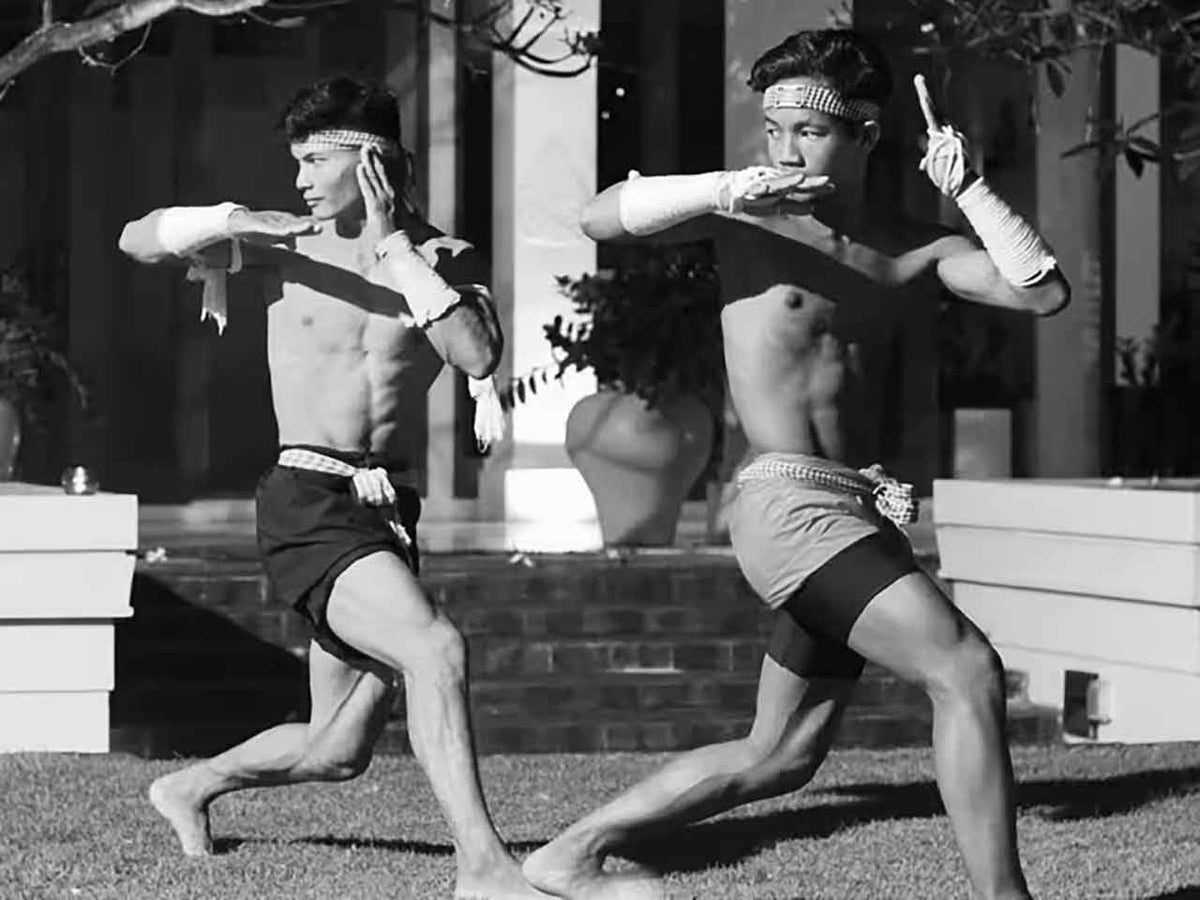
Bokator (also written Bradal Serey or Kun Bokator) is Cambodia's ancient indigenous martial art - one of the oldest codified fighting systems in Southeast Asia, with origins traced back over 1,700 years to the Khmer Empire. Depicted in carvings on the walls of Angkor Wat, Bokator was the combat system of Khmer warriors, using the full body as a weapon: fists, elbows, knees, feet, shins and even the head. Nearly destroyed during the Khmer Rouge genocide of 1975-1979, Bokator survived through the efforts of a handful of masters who fled abroad, and has been painstakingly revived in Cambodia since the 1990s. It is recognised by UNESCO as part of Cambodia's intangible cultural heritage.

History

Ancient Khmer Warriors - Origins at Angkor Wat

Bokator's origins lie in the warrior culture of the Khmer Empire, which dominated Southeast Asia from the 9th to the 15th century. The art is depicted in bas-relief carvings on the walls of Angkor Wat - built in the 12th century under King Suryavarman II - showing warriors in combat postures recognisable as Bokator techniques. These stone carvings are among the earliest visual records of a codified martial art anywhere in the world.

The name Bokator translates roughly as 'pounding a lion' - referencing a legendary founding story in which a Khmer warrior defeated a lion using the art's techniques. Historically, Bokator was reserved for Khmer soldiers and royal guards, passed down through military lineages and kept as a state combat system. Unlike purely sporting arts, Bokator incorporated weapons training, animal-inspired fighting systems and battlefield tactics.

Near Extinction Under the Khmer Rouge

The Khmer Rouge regime (1975-1979) came close to permanently destroying Bokator. The genocide targeted intellectuals, artists, monks and anyone associated with traditional Cambodian culture - including martial arts masters. An estimated 90% of Bokator masters were killed during this period. The art survived only because a small number of masters fled to France, the United States and other countries, carrying the knowledge with them in exile.

The Revival - San Kim Sean and the Return of Bokator

The revival of Bokator in Cambodia is primarily credited to Grand Master San Kim Sean. After training in Bokator as a young man before the Khmer Rouge era, San Kim Sean survived the genocide and eventually returned to Cambodia in 2001, dedicating his life to reconstructing and teaching the art. He founded the Cambodia Bokator Federation and worked to document surviving techniques, train new instructors and establish Bokator as a recognised sport and cultural heritage.

Bokator was formally recognised by the Cambodian Olympic Committee in 2006. The first National Bokator Championship was held in Phnom Penh, and the art has since spread internationally with schools in France, the USA, Australia and across Southeast Asia.

Techniques and the Animal Systems

Bokator uses over 10,000 techniques organised into animal-inspired systems - similar in concept to the animal styles of Chinese Kung Fu but distinctly Khmer in character. Major animal systems include: Crocodile (ground fighting and gripping), Crane (balance, precision striking), Horse (powerful kicking), Elephant (power and strength), Eagle (joint attacks and gripping), Dragon (elusiveness and flexibility) and Lion (aggressive striking combinations). Each system has its own technical curriculum, forms (Kbach) and combat applications.

Training

Training in Bokator

Bokator training begins with Kbach (forms) - pre-arranged sequences that encode the techniques of each animal system. Practitioners learn Kbach before applying techniques in partner drilling and sparring. Training covers: strikes with fists, elbows, knees, shins and feet; throws and takedowns; ground control and submissions; and traditional Khmer weapons (short stick, long staff, sword).

The krama - the traditional Cambodian chequered scarf - is worn around the waist during training and signals the practitioner's grade. Colours progress from white through blue, green, red and brown to the highest level: black krama with gold border, reserved for grandmasters.