
Pencak Silat

Pencak Silat

  • The martial art of the Malay Archipelago - a weapon-first, blade-culture fighting system from Indonesia, Malaysia and the Philippines. Explosive, deceptive and designed for real combat in close quarters.

Stats

Origin
Indonesia
Founded
1000
Governing body
International Pencak Silat Federation

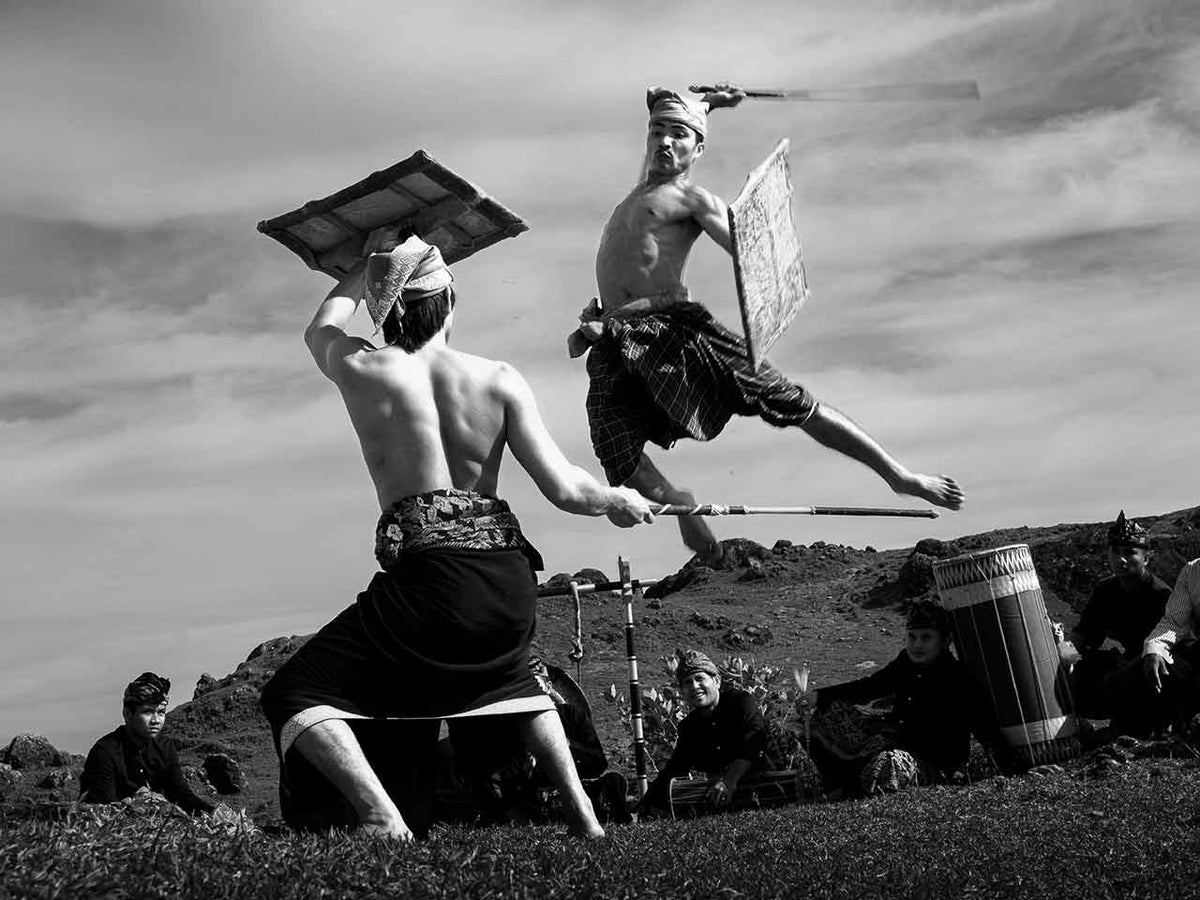
Pencak Silat is the indigenous martial art of Southeast Asia - a comprehensive fighting system encompassing striking, grappling, throws, joint locks, weapons and spiritual practice, developed across the Indonesian archipelago, Malaysia, Singapore, Brunei, the Philippines and Thailand over centuries. The name combines pencak (performance art - the outer expression) and silat (the fighting technique - the inner reality), reflecting the art's dual nature as both combat system and cultural expression. With hundreds of distinct regional styles (aliran) and schools (perguruan), Pencak Silat is one of the most diverse and richly developed martial arts traditions in the world.

History

Ancient Origins in the Malay Archipelago

Pencak Silat's origins are traced to the ancient Malay kingdoms and Hindu-Buddhist empires that dominated Southeast Asia from the 7th century onward - particularly Srivijaya (Sumatra) and Majapahit (Java). The Hikayat Hang Tuah, a 15th-century Malay epic, describes the legendary warrior Hang Tuah as a master of silat - one of the earliest literary references to the art. Silat was the combat system of the Malay warrior class (hulubalang), used in royal courts, on battlefields and in the defence of villages.

The diversity of Pencak Silat styles reflects the extraordinary cultural and ethnic diversity of the archipelago. Sumatran styles (particularly from Minangkabau) are considered among the most technically sophisticated, with a matriarchal cultural tradition that shaped the art's unique character. Javanese silat has strong Hindu and Islamic spiritual elements. Balinese silat retains connections to the island's Hindu-Balinese culture. Each island, and often each village, developed its own approach.

The Four Aspects of Pencak Silat

PERSILAT formally defines Pencak Silat through four inseparable aspects that distinguish it from purely sporting martial arts:

Mental-spiritual (mental-spiritual): Character development, self-control and spiritual growth. Pencak Silat is explicitly a moral and spiritual discipline as well as a fighting art. Many schools have deep connections to Islamic Sufism or pre-Islamic animist traditions.

Culture and arts (seni budaya): The performance dimension - graceful, rhythmically sophisticated demonstrations of technique accompanied by traditional music (gamelan, kendang drums, serunai flute). Silat performance is as much dance as combat art.

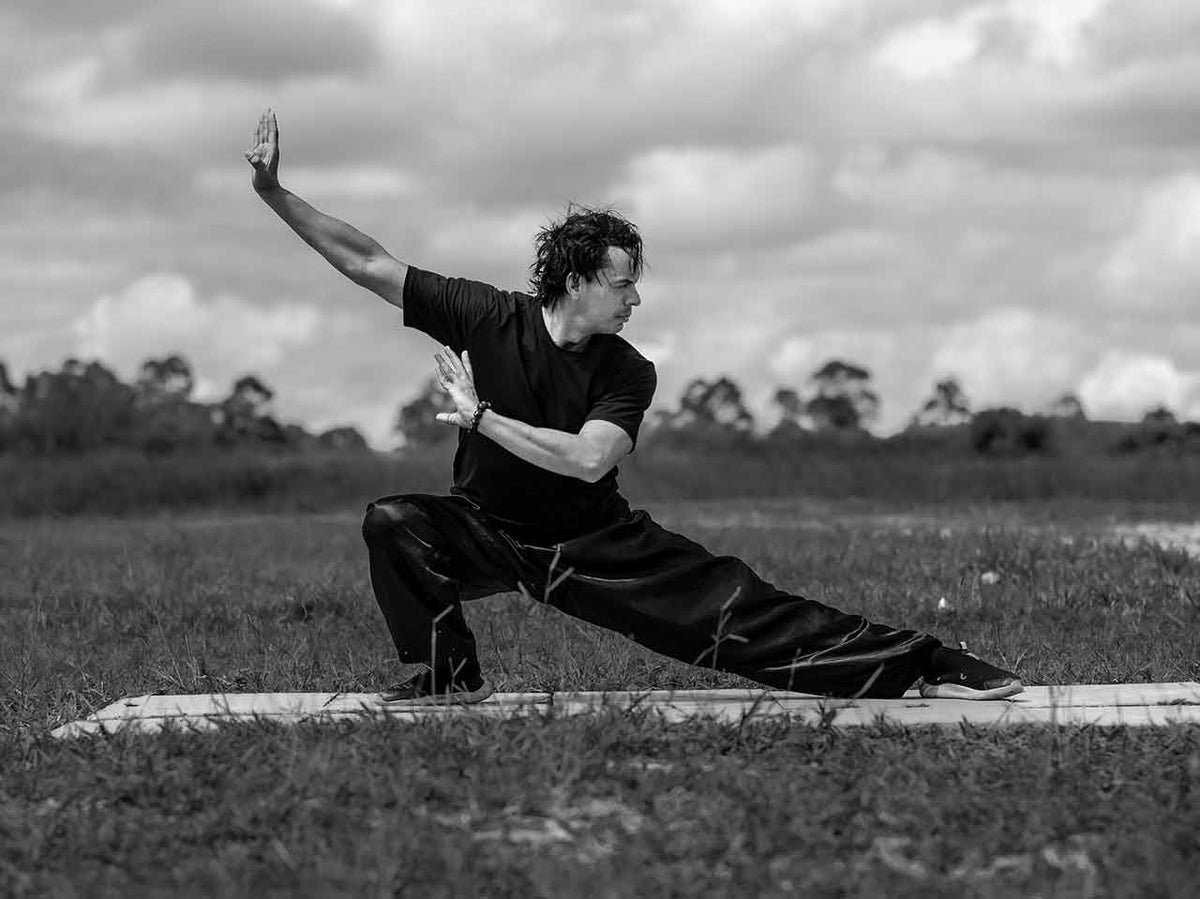
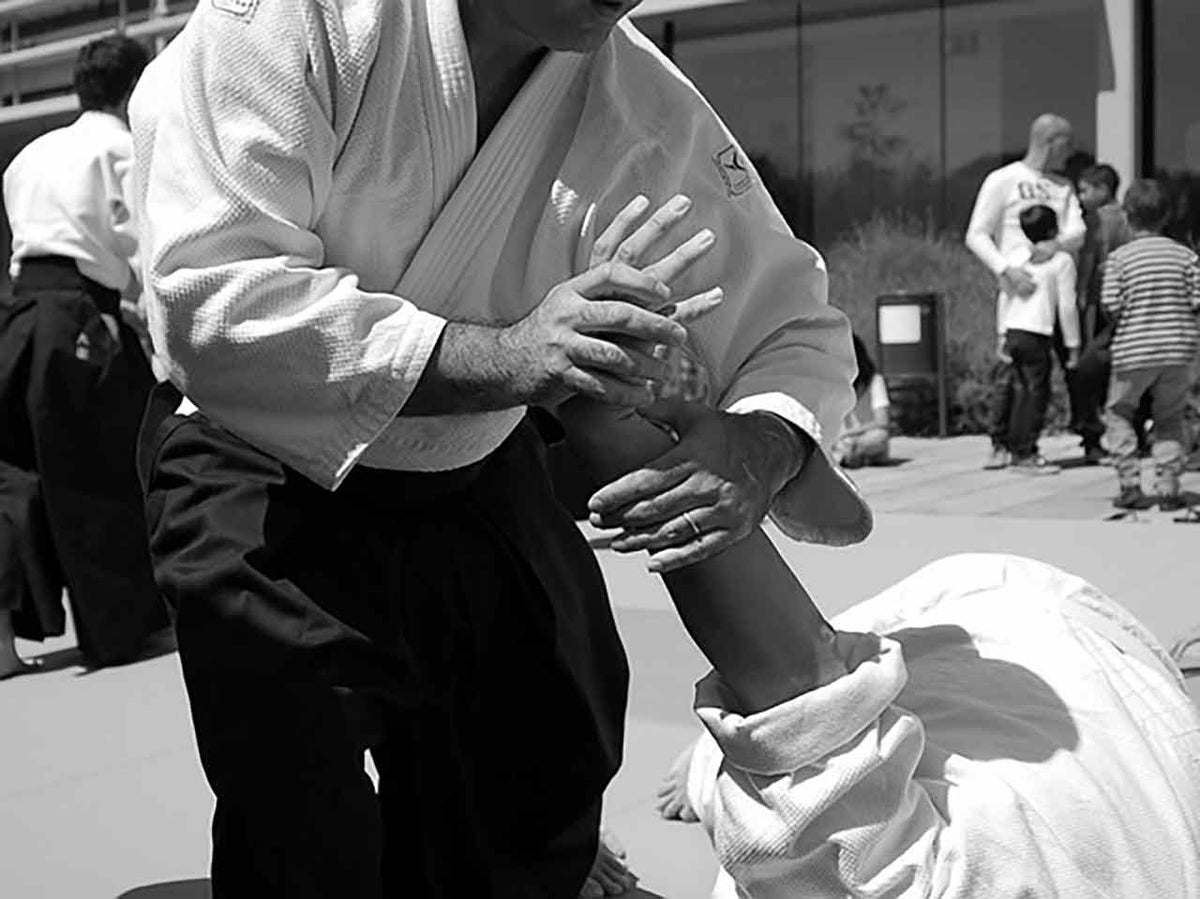
Self-defence (beladiri): The practical fighting application - fast, deceptive, economical techniques designed for real combat effectiveness. Silat's deceptive footwork, low stances and rapid joint-locking make it formidably practical.

Sport (olahraga): The competitive dimension governed by PERSILAT - both sparring (tanding) and artistic performance (seni) categories at World Championship level.

Pencak Silat and the Asian Games

Pencak Silat made its Asian Games debut in 1987 in Seoul and has been a fixture of the Games since, serving as a major platform for the art's international growth. Indonesia dominates the medal table historically, reflecting the art's deepest roots and widest base there. The 2018 Asian Games in Jakarta was a landmark moment - with huge home crowds and unprecedented media coverage making Pencak Silat one of the Games' most watched sports.

Training

Training in Pencak Silat

Training structure varies enormously by style and school. Traditional silat training (latihan) is passed directly from guru (master) to student in small groups, often with a spiritual and character-development dimension alongside the physical curriculum. Core technical elements across most styles include: langkah (footwork patterns), kuda-kuda (stances), buah (applications - the combat techniques), jurus (forms - pre-arranged sequences encoding techniques), and weapons training.

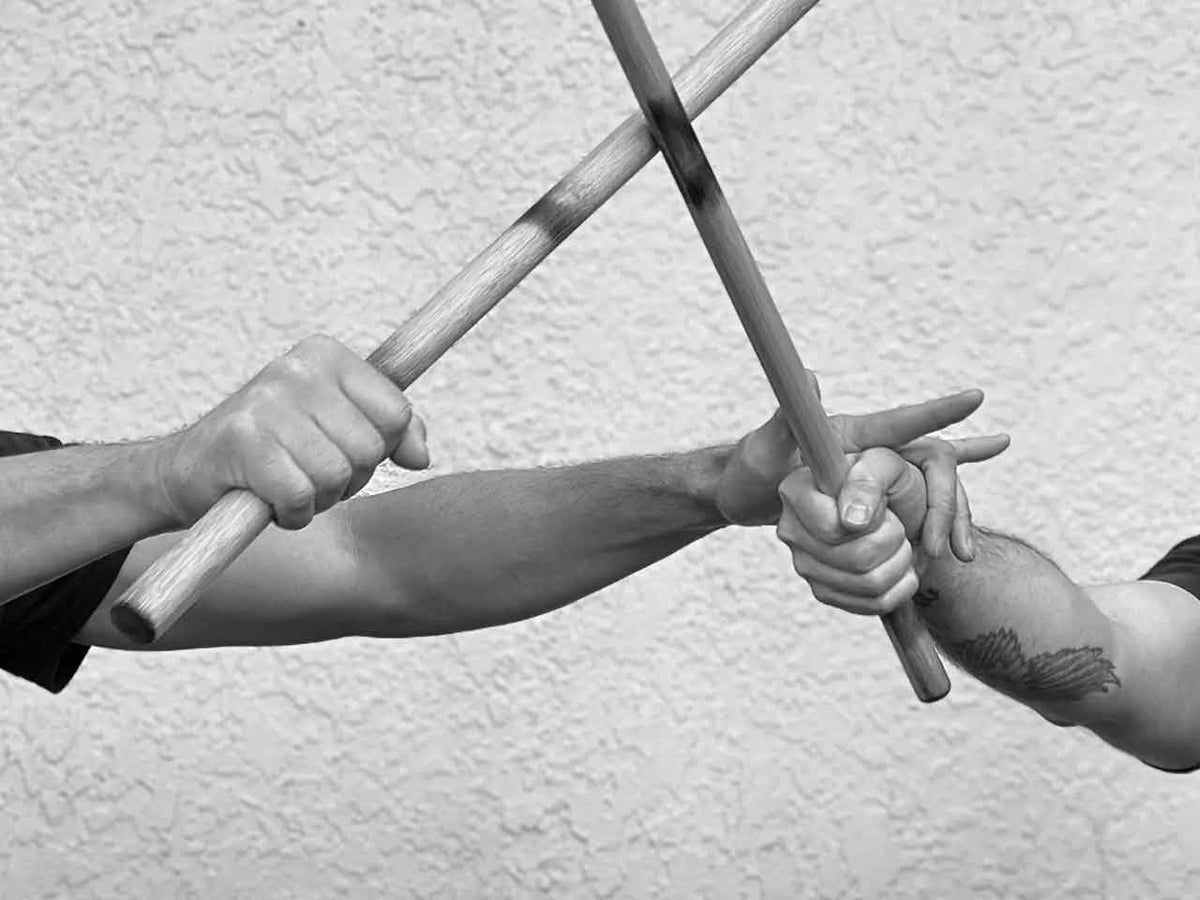
Silat's weaponry is exceptionally rich: keris (asymmetric dagger), parang (machete), tombak (spear), kerambit (curved finger knife), toya (staff) and sarung (sarong used as a fighting tool) are all traditional silat weapons. The kerambit in particular has gained global recognition through its adoption in reality-based self-defence and its appearance in video games and action films.