Judo

Judo

Stats

Origin
Japan
Founded
1882
Governing body
International Judo Federation

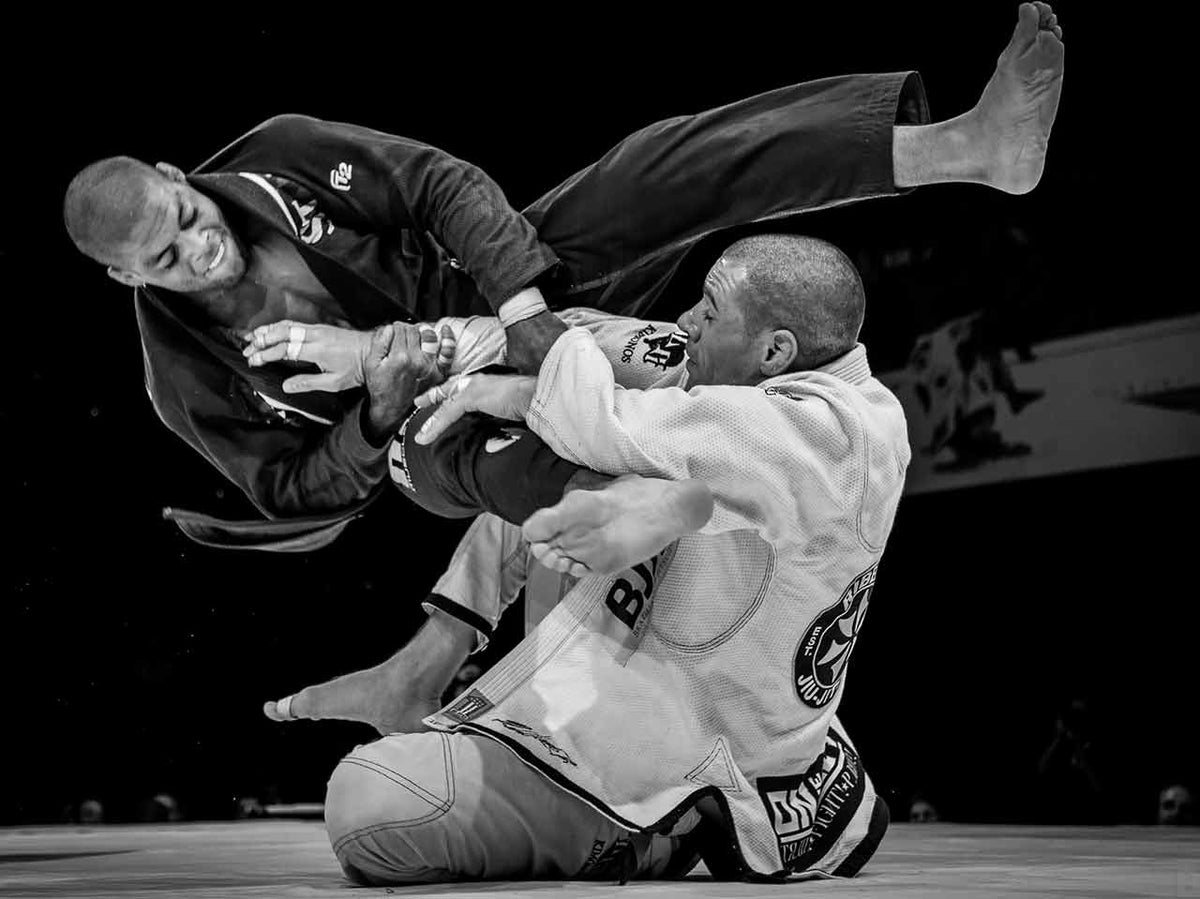
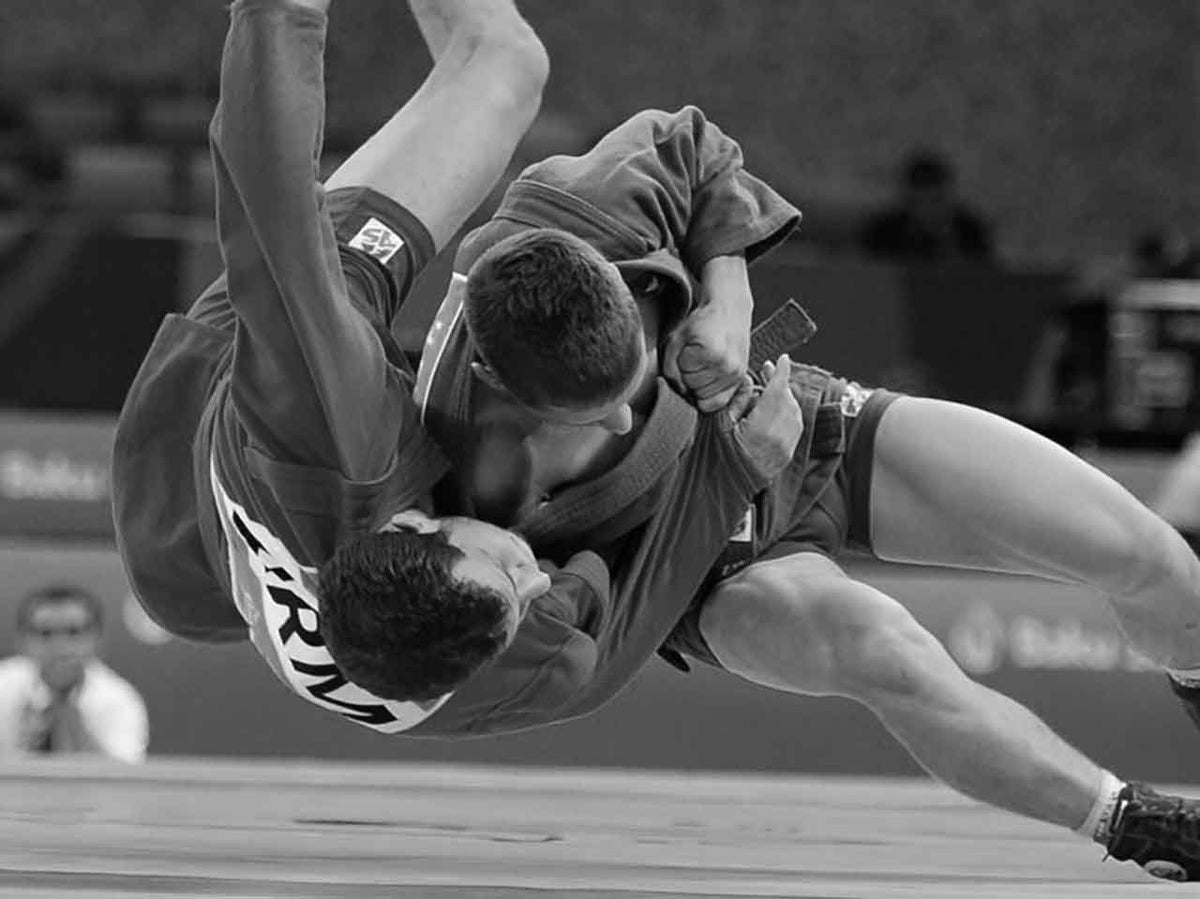
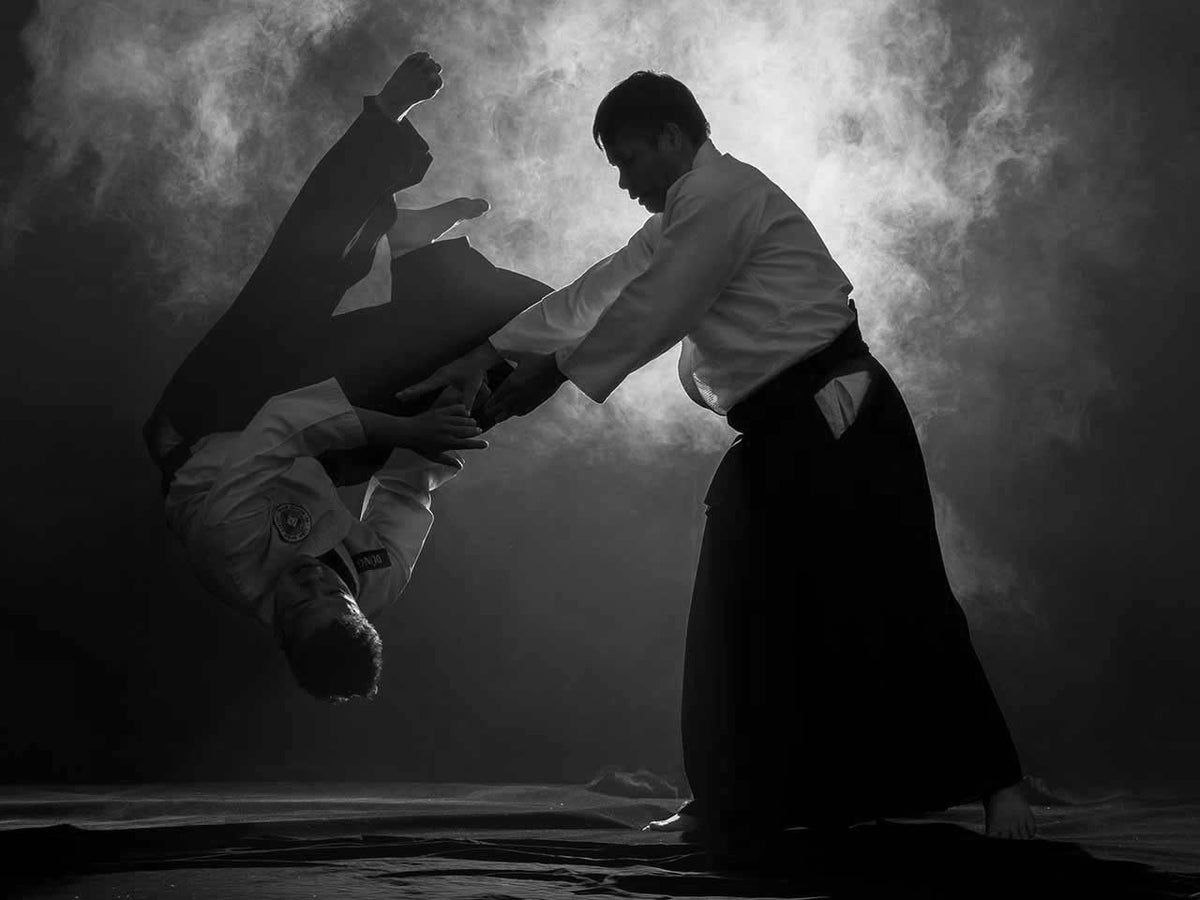
Judo is a Japanese martial art and Olympic sport founded in 1882 by Jigoro Kano. Built on the principle of 'maximum efficiency with minimum effort', Judo transforms the opponent's strength and momentum into their own downfall. Through throws, takedowns, pins, chokes and joint locks, Judo produces complete fighters - and has shaped virtually every grappling discipline that followed it, from Sambo to BJJ to modern MMA.

History

Jigoro Kano and the Birth of Judo

Jigoro Kano was born in 1860 in Mikage, Japan. A small, slight young man who was frequently bullied, he took up traditional Jiu-Jitsu to defend himself. He studied under two of the most respected schools - Tenjin Shinyo-ryu and Kito-ryu - before synthesising their best elements into an entirely new system he called Judo ('the gentle way').

In 1882, Kano founded the Kodokan in Tokyo - the school that would become the world headquarters of Judo. He stripped out the most dangerous techniques from traditional Jiu-Jitsu and created a safe training methodology based on randori (free practice), allowing students to apply full force against resisting opponents without serious injury. This innovation - competitive live training - was revolutionary and became the template for all modern martial arts.

The Kodokan Challenges

Kano proved his system through challenge matches against traditional Jiu-Jitsu schools. The most famous was an 1886 tournament organised by the Tokyo Metropolitan Police, where Kodokan judoka defeated the rival Totsuka-ha Yoshin-ryu school 13 wins to 2. Judo's reputation was established overnight. The Tokyo Police subsequently adopted Judo as their official training system.

Judo Goes Global and Olympic

Kano spent decades spreading Judo internationally, travelling to Europe and America to demonstrate and teach. By the time of his death in 1938, Judo had established footholds across the world. It became an Olympic sport at the 1964 Tokyo Games - fittingly, on home soil. Today, with over 200 member nations, the International Judo Federation (IJF) governs one of the most widely practised sports on earth.

The Dutch Judo Tradition

The Netherlands has produced some of Judo's greatest champions. Anton Geesink's gold medal at the 1964 Tokyo Olympics - defeating the Japanese favourite in their own country - remains one of the most shocking upsets in Olympic history and a defining moment for Dutch sport. Wim Ruska won two gold medals at the 1972 Munich Olympics, and Mark Huizinga claimed gold at the 2000 Sydney Games. Dutch Judo has consistently punched far above its weight on the world stage.

Training

Judo Training

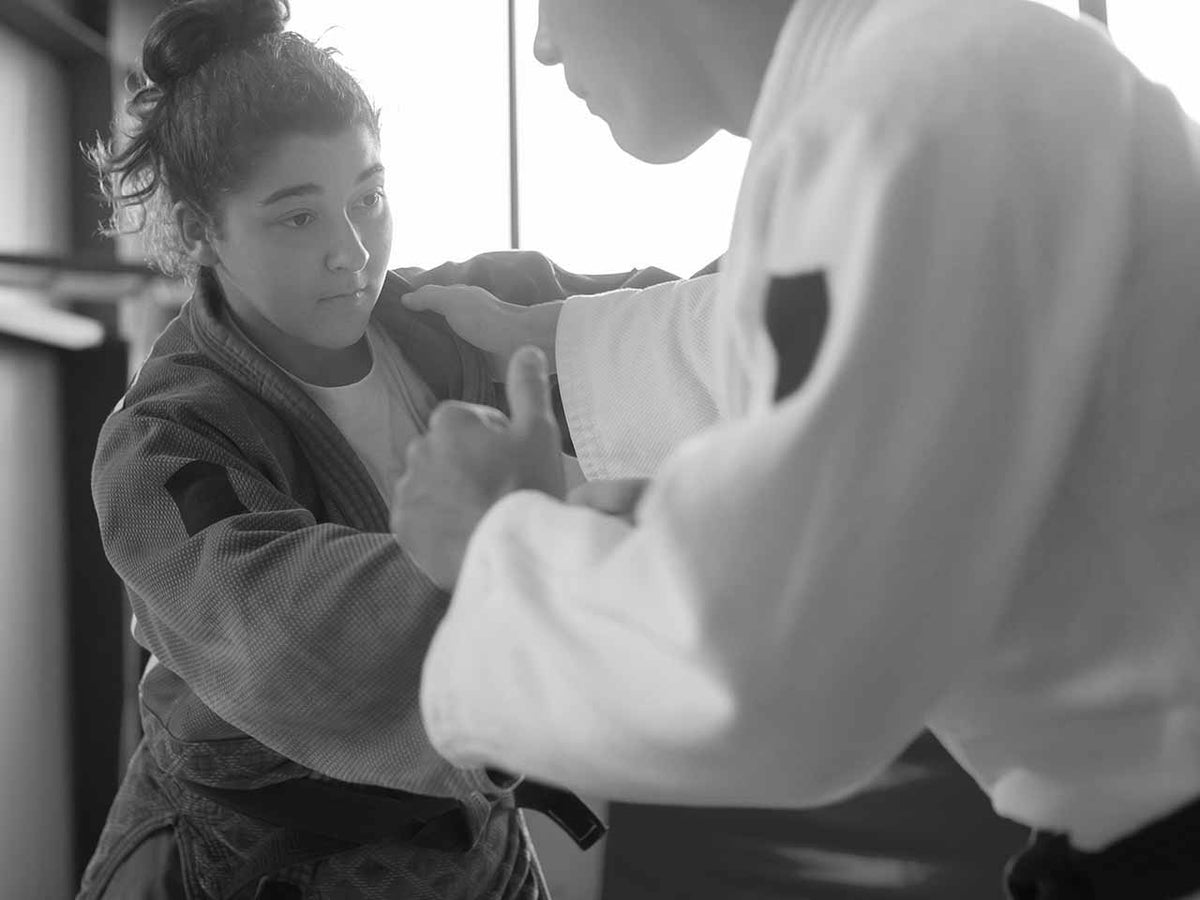
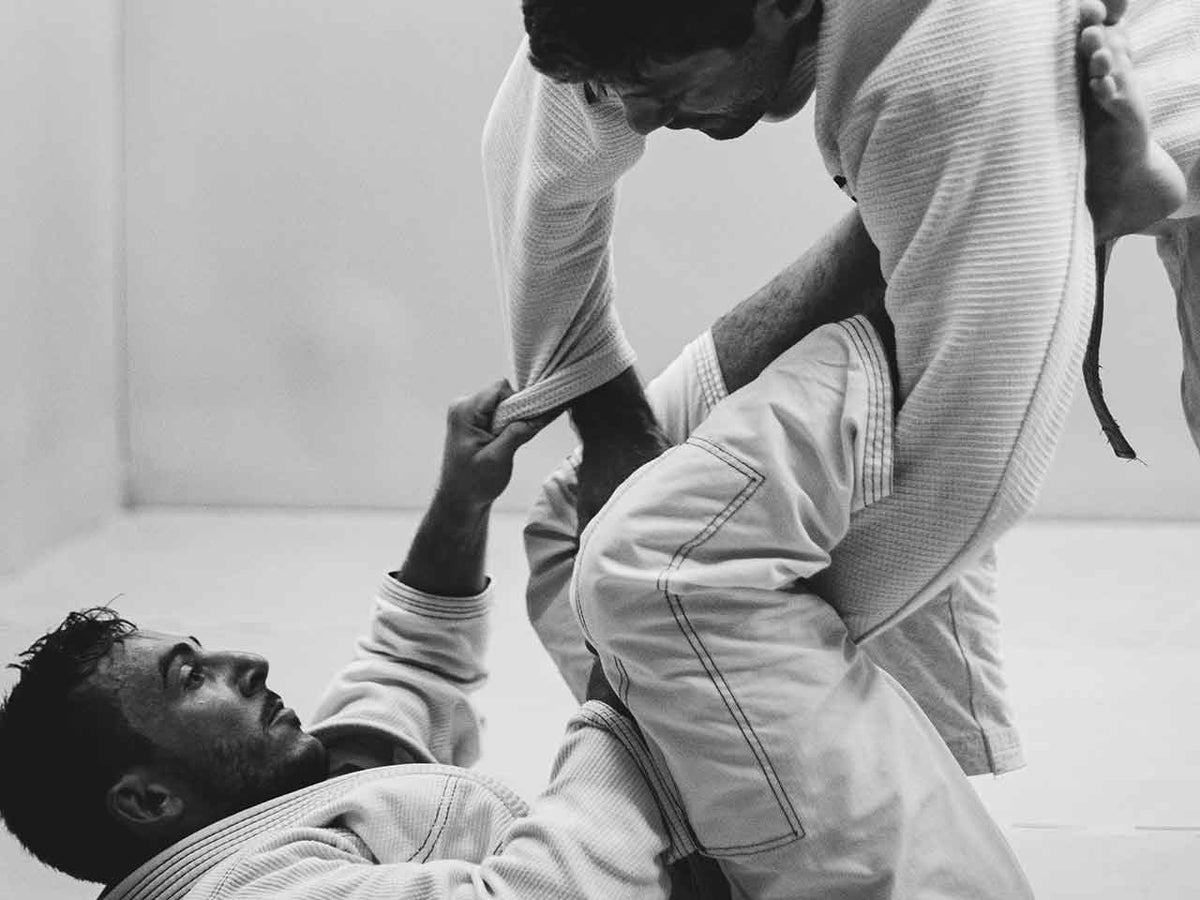
Judo training is conducted in a gi (judogi) on a matted surface (tatami). Classes cover ukemi (breakfalls - essential for safe throwing practice), nage-waza (standing throws), ne-waza (ground techniques including pins, chokes and armlocks) and randori (live sparring).

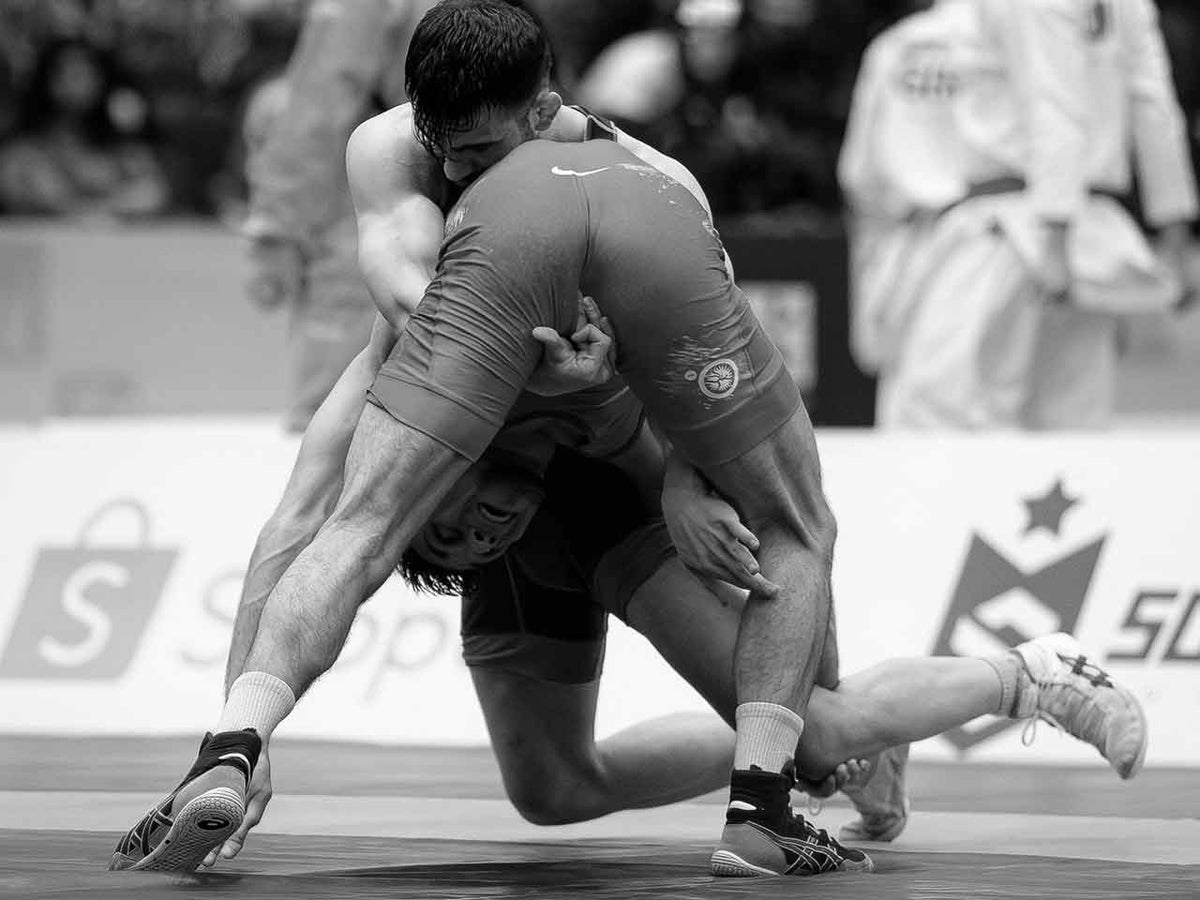
The IJF competition ruleset restricts leg grabs and some ground techniques compared to traditional Judo, but the core throwing repertoire - including iconic techniques like seoi-nage (shoulder throw), uchi-mata (inner thigh throw), osoto-gari (major outer reap) and harai-goshi (sweeping hip throw) - remains the heart of the sport.

The belt system runs from white through yellow, orange, green, blue and brown to black. Progress is earned through technical gradings and competition results. A Judo black belt (shodan) represents genuine proficiency and typically requires 3-5 years of dedicated training.

In the Netherlands

Judo in the Netherlands

The Netherlands is one of the strongest judo nations in the world, with a rich tradition of Olympic and World Championship success. Anton Geesink (1964), Wim Ruska (1972, two golds) and Mark Huizinga (2000) are the headline names, but Dutch judo has consistently produced top-level competitors across multiple weight categories for decades.

The Judo Bond Nederland (JBN) governs the sport domestically, overseeing hundreds of clubs and tens of thousands of active practitioners. Dutch judo's international success is built on a strong club infrastructure, early specialisation and a culture of competitive randori from a young age.