Luta Livre
- Brazil's no-gi submission wrestling - the working-class rival to BJJ that shaped early MMA. Dangerous leg locks, aggressive top pressure and no-nonsense grappling that proved itself in the streets and the cage.
Stats
- Origin
- Brazil
- Founded
- 1909
Luta Livre (Portuguese for 'free fighting') is a Brazilian grappling art and combat sport that developed in parallel with Brazilian Jiu-Jitsu, but without the gi - making it the direct forerunner of modern No-Gi grappling and submission wrestling. Born in the favelas and working-class neighbourhoods of Rio de Janeiro in the 1920s, Luta Livre was the people's alternative to the Gracie family's gi-based BJJ - cheaper to train (no expensive gi required), more direct, and with a fierce competitive tradition. The decades-long rivalry between Luta Livre and BJJ - culminating in a series of legendary inter-style fights in the 1980s and 90s - shaped Brazilian combat sports culture and contributed directly to the development of Vale Tudo and MMA.
History
Origins - Catch Wrestling Meets Brazilian Street Fighting
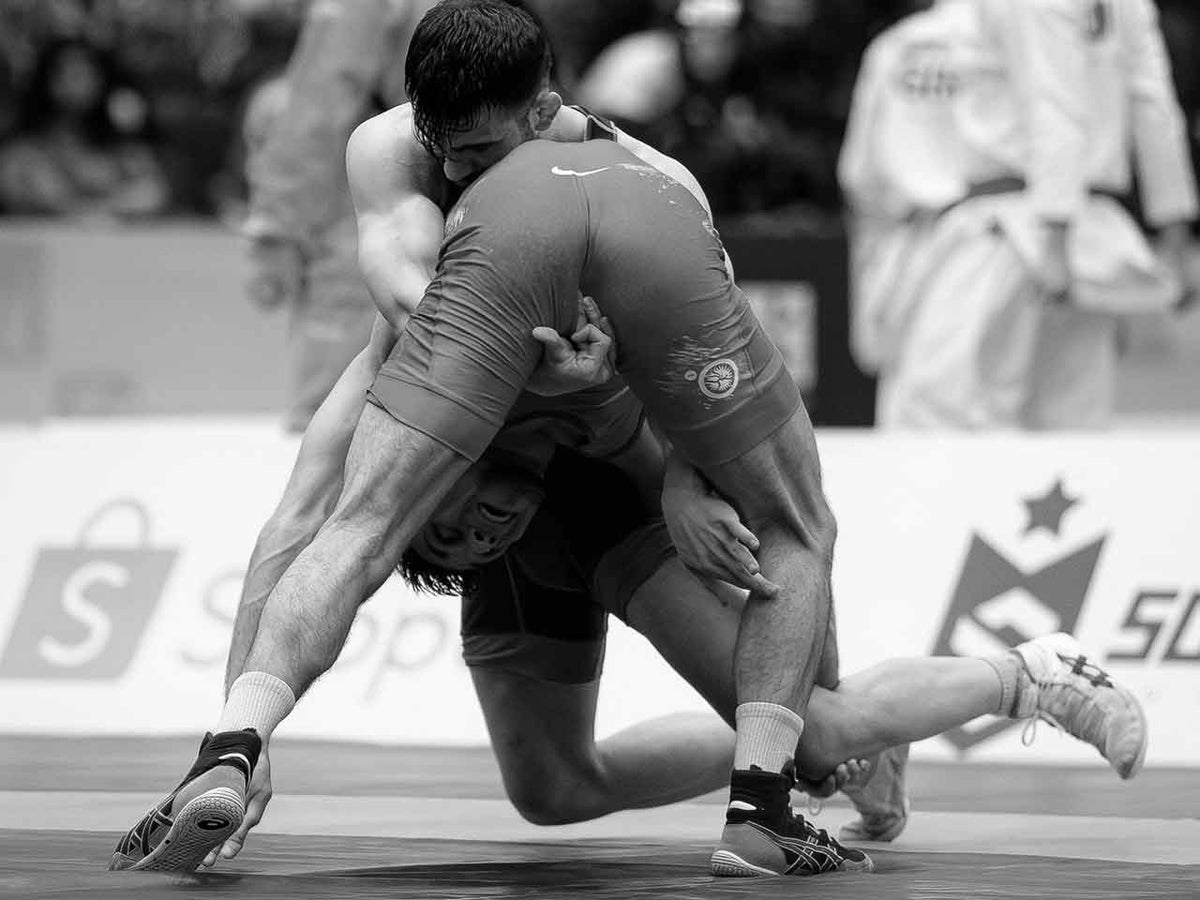
Luta Livre traces its origins to Euclydes 'Tatu' Hatem, a Brazilian wrestler and submission fighter who developed the system in Rio de Janeiro from the 1920s onward. Hatem drew from catch-as-catch-can wrestling (brought to Brazil by European immigrants and traveling fighters), combining its leg locks, chokes and joint locks with Brazilian fighting instincts. His system was taught without a gi - reflecting both the tropical climate and the economic reality of his students, who could not afford the expensive Japanese kimono used in Judo and Jiu-Jitsu.
While the Gracie family built BJJ in dojos with paying students from Rio's middle class, Luta Livre spread through gyms in working-class and poorer neighbourhoods. This class dimension gave the rivalry between the two arts a social and cultural charge that went far beyond technical debate.
The BJJ-Luta Livre Wars
The rivalry between BJJ and Luta Livre produced some of Brazilian martial arts' most dramatic moments. Hugo Duarte - Luta Livre's champion - and Wallid Ismail fought Gracies and their students in a series of high-profile Vale Tudo matches that were the talk of Rio. Duarte notably defeated Rickson Gracie's student in a beach fight that became legendary in Brazilian martial arts circles.
The rivalry reached its peak in 1991 when a planned inter-style event descended into a mass brawl between BJJ and Luta Livre camps at a Rio gym - an incident that shocked Brazilian martial arts and demonstrated how intense the competition had become. The two systems tested each other in Vale Tudo events throughout the 1990s, with results split enough that neither could claim definitive superiority.
Luta Livre and Modern No-Gi Grappling
Luta Livre's emphasis on leg locks - particularly heel hooks - predated their mainstream adoption in BJJ competition by decades. Luta Livre fighters were attacking legs aggressively in the 1980s while BJJ's gi-based competition culture discouraged them. This technical legacy means Luta Livre is now recognised as a significant ancestor of modern No-Gi submission grappling, alongside catch wrestling and sambo. Brazil's Andrea 'Dede' Pederneiras - coach of many UFC champions including Jose Aldo - is a Luta Livre black belt, demonstrating the art's continued relevance at elite MMA level.
Training
Training in Luta Livre
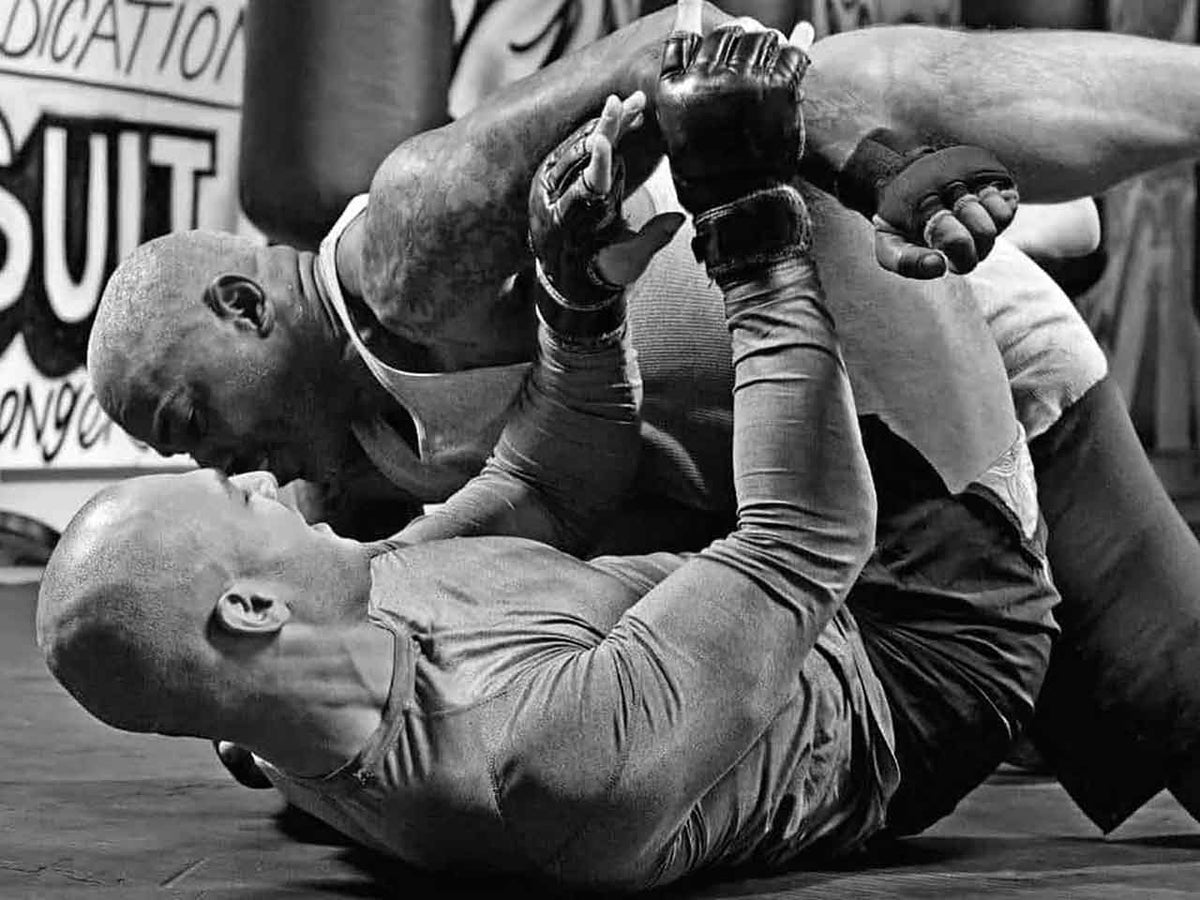
Luta Livre training is No-Gi by definition - shorts and rash guard only, no kimono. The technical curriculum covers: takedowns and wrestling, guard passing and retention, positional control (mount, back, side control), chokes (rear naked, guillotine, arm triangle), and an extensive leg lock system (heel hooks, kneebars, ankle locks, toe holds). The leg lock emphasis distinguishes Luta Livre from traditional gi BJJ and aligns it closely with modern ADCC-style No-Gi competition.
Rolling (live sparring) is central to Luta Livre training culture, as it is in BJJ. The atmosphere tends to be more raw and direct than in some BJJ academies - reflecting the art's working-class roots and its culture of proving techniques against live resistance.
Aankomende events
Wordt geladen...
Historische events
Wordt geladen...
Gear & Equipment
Luta Livre Gear Guide
Rash guard: Long- or short-sleeved compression top—essential for mat protection and hygiene during No-Gi training. No-gi jackets are not used.
Shorts / spats: Board shorts or fight shorts, with or without compression spats underneath. Spats provide additional mat protection and muscle support.
Mouthguard: Essential for sparring. Ground scrambles and wrestling can result in accidental contact.
Ear protection: Recommended for regular training to prevent cauliflower ear caused by wrestling and mat friction.