Capoeira
Stats
- Origin
- Brazil
- Founded
- 1500
- Governing body
- World Capoeira Federation
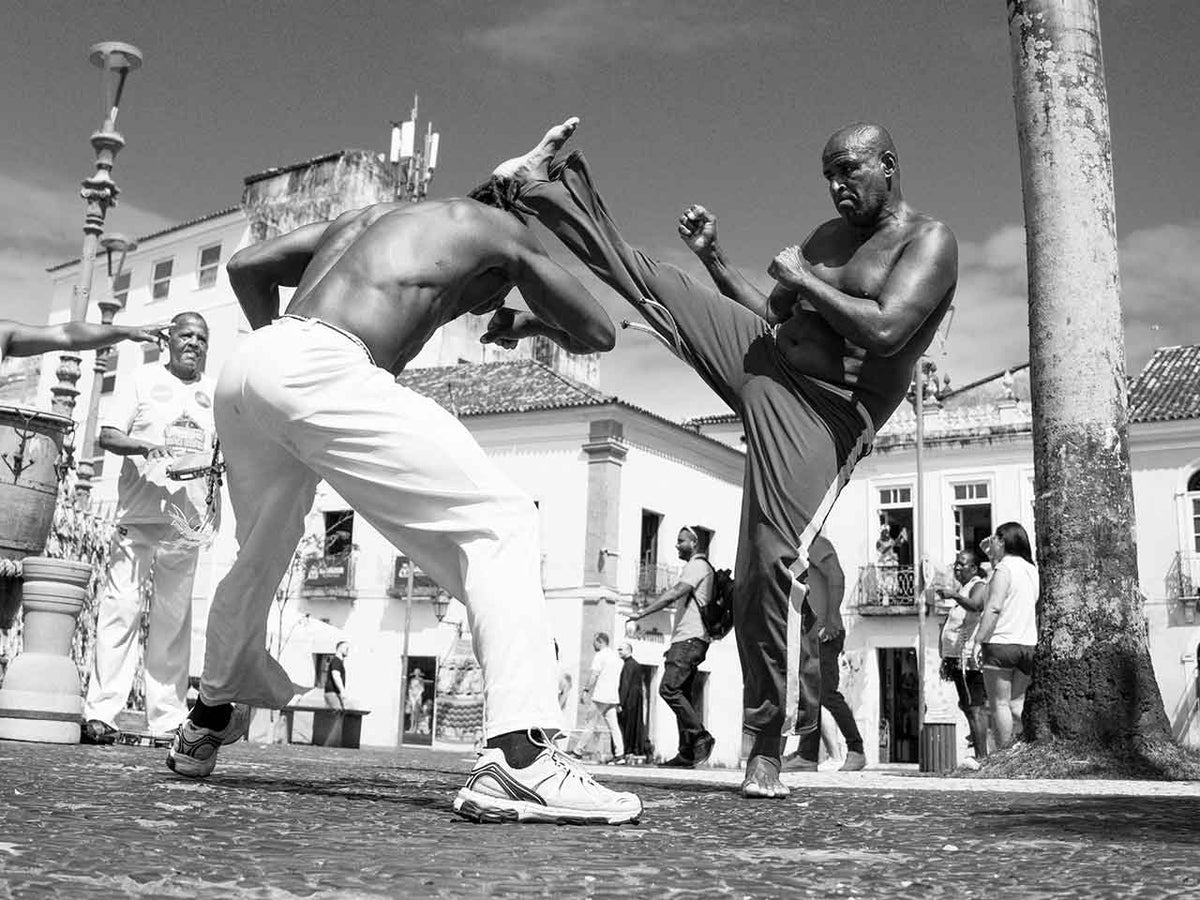
Capoeira is a Brazilian martial art that combines fighting, acrobatics, dance, music and philosophy into one of the most visually spectacular and culturally rich disciplines in the world. Developed by enslaved Africans in Brazil from the 16th century onward, Capoeira disguised its combat techniques within rhythmic movement and music - allowing enslaved people to train fighting skills under the eyes of their captors. Today, Capoeira is practised in over 150 countries, recognised by UNESCO as an Intangible Cultural Heritage of Humanity, and celebrated as one of Brazil's greatest cultural contributions to the world.
History
Origins in Resistance and Survival
Capoeira was born from one of history's darkest chapters. Enslaved Africans brought to Brazil from the 16th century onward carried with them martial arts traditions from across the African continent - particularly from Angola, Congo and other West and Central African cultures. In captivity, stripped of their freedom and weapons, they developed Capoeira as a means of self-defence, cultural preservation and spiritual resistance.
The genius of Capoeira's disguise is still debated by historians. The fluid, dance-like movements may have been a deliberate camouflage for combat training, or the music and ritual may have evolved to create a safe cultural space for practice. Either way, Capoeira survived centuries of persecution - it was criminalised in Brazil from 1890 to 1937 - by passing from master to student in secret.
The Two Great Styles
Capoeira Angola: The traditional style, preserved and championed by Mestre Pastinha. Angola is slower, lower to the ground, more deceptive and deeply rooted in African spiritual and cultural traditions. The ginga (the constant swaying movement) is more elaborate, the malicia (trickery) more pronounced. Angola emphasises the complete art - music, philosophy, history and combat as inseparable elements.
Capoeira Regional: Created by Mestre Bimba in the 1930s. Regional is faster, more athletic, more directly combat-effective and incorporates elements from other fighting arts. Bimba structured Regional with a formal curriculum and belt-like progression (cordas), making it more accessible as a martial art school system. Regional is the more widely practised style internationally today.
Capoeira Contemporanea: A modern synthesis blending Angola and Regional elements. The most common style in international schools, incorporating the athleticism of Regional with greater attention to traditional Angola roots.
The Jogo and the Berimbau
Capoeira is played (not fought) in the jogo (game) within the roda - a circle of practitioners who clap, sing and play instruments. The berimbau, a single-string musical bow, is the soul of Capoeira - its rhythm dictates the speed, energy and character of the jogo. The atabaque (drum) and pandeiro (tambourine) complete the ensemble. A capoeirista who cannot play the berimbau is considered incomplete.
Training
Training in Capoeira
Capoeira training covers: the ginga (fundamental swaying movement), dodges and escapes (esquivas), kicks (ginga, meia-lua, armada, queixada, martelo, benção), takedowns and sweeps (rasteira, tesoura), acrobatic movements (au, macaco, mortal), and ground movements (role, negativa). Music training - berimbau, atabaque, pandeiro and songs - is integral to serious Capoeira practice.
Grades are marked by corda (rope) colour systems, varying by school and style. The Mestre title represents the highest achievement - a lifetime of mastery, teaching and cultural contribution to Capoeira.
Aankomende events
Wordt geladen...
Historische events
Wordt geladen...
Gear & Equipment
Capoeira Gear Guide
Abada: White cotton drawstring trousers worn in training and the roda. Light, loose and allowing full leg mobility for kicks and acrobatics. The corda (coloured belt/rope) is worn around the waist.
Berimbau: Not gear in the protective sense, but essential equipment for any serious Capoeirista. Learning to play the berimbau is part of the art.
Training shoes or bare feet: Capoeira is typically practised barefoot indoors. Outdoor training may use light cross-training shoes.
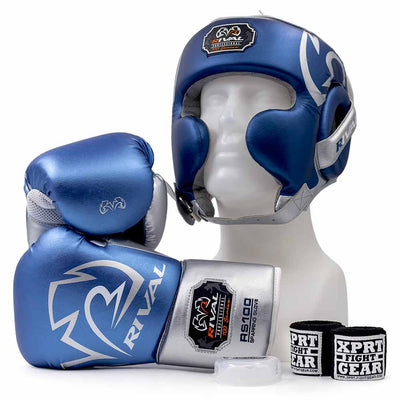
Mouthguard: Recommended for contact sparring and harder jogo sessions where kicks come close.