
Korean
FIGHTBASE
1945Hapkido
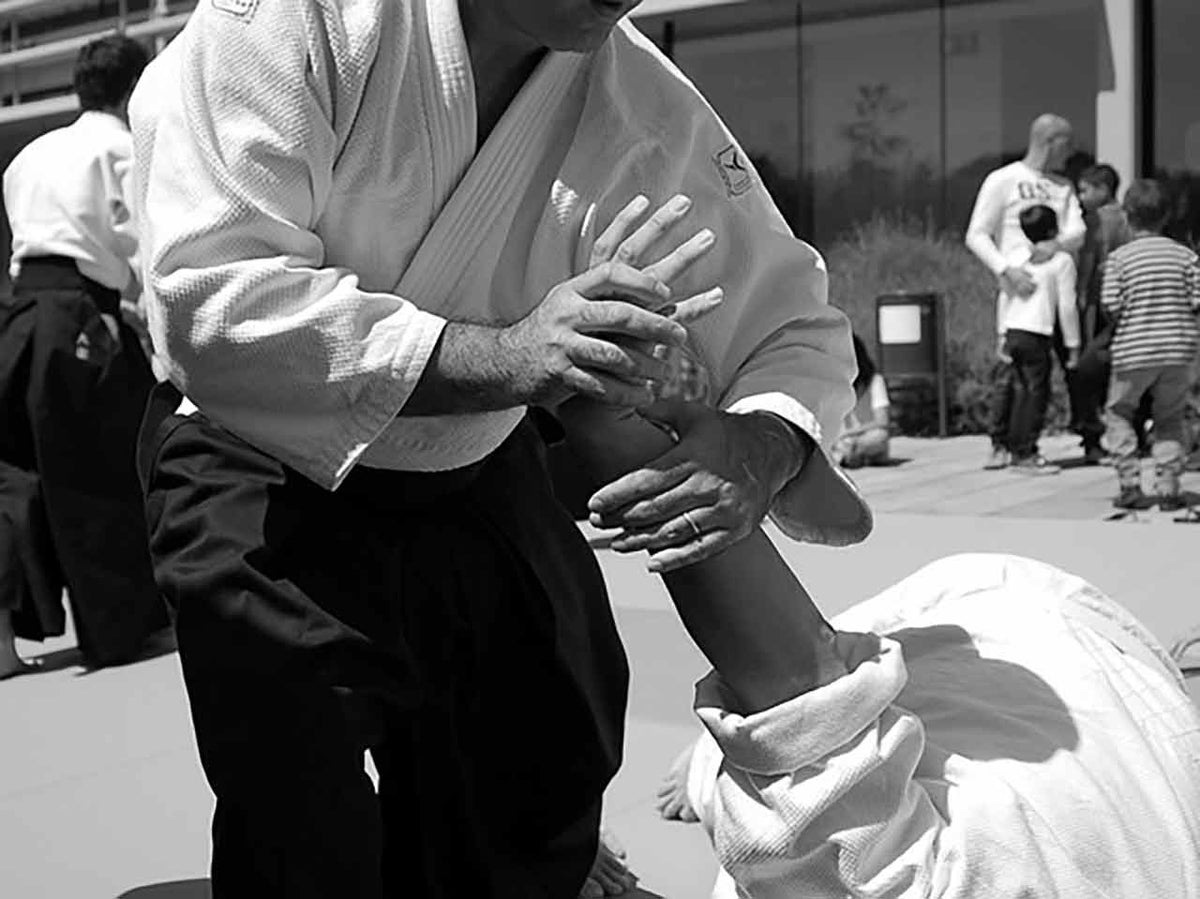
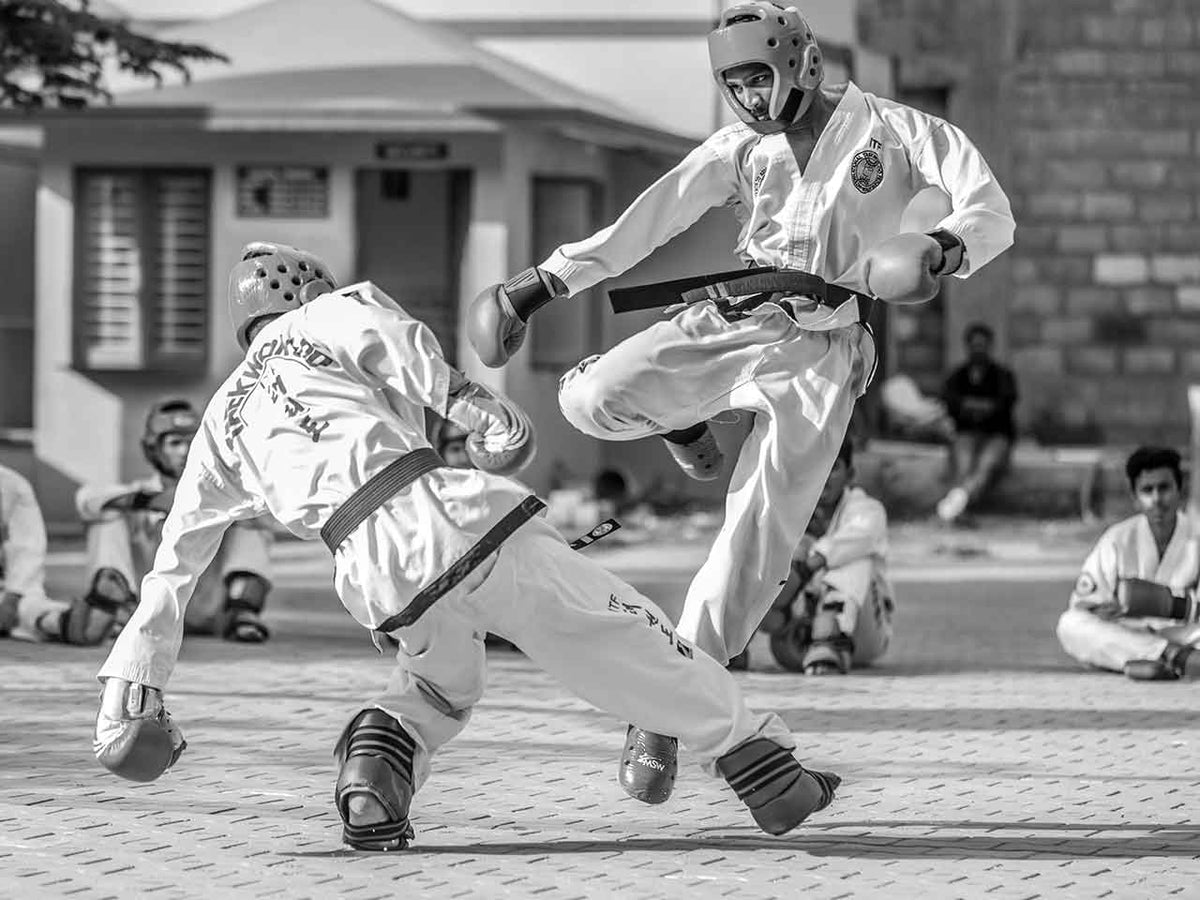
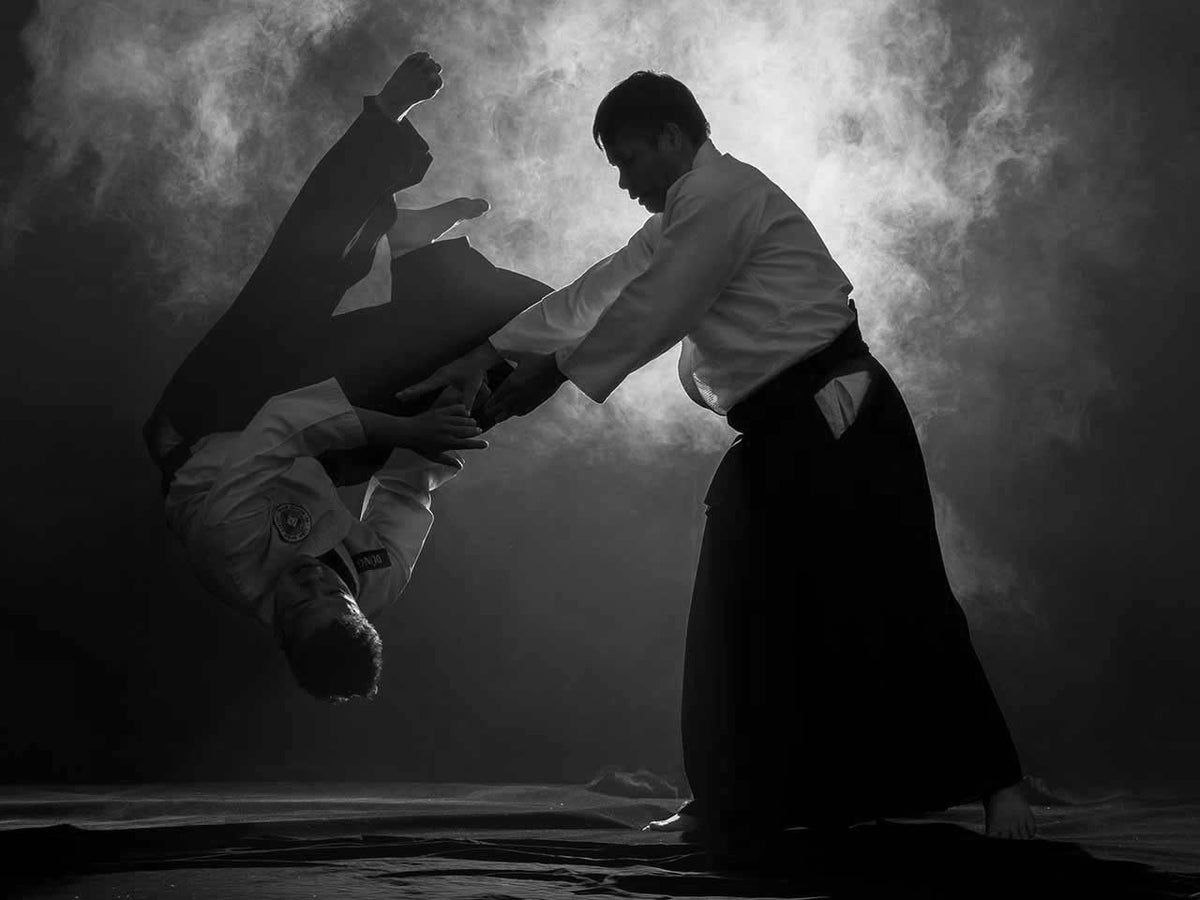
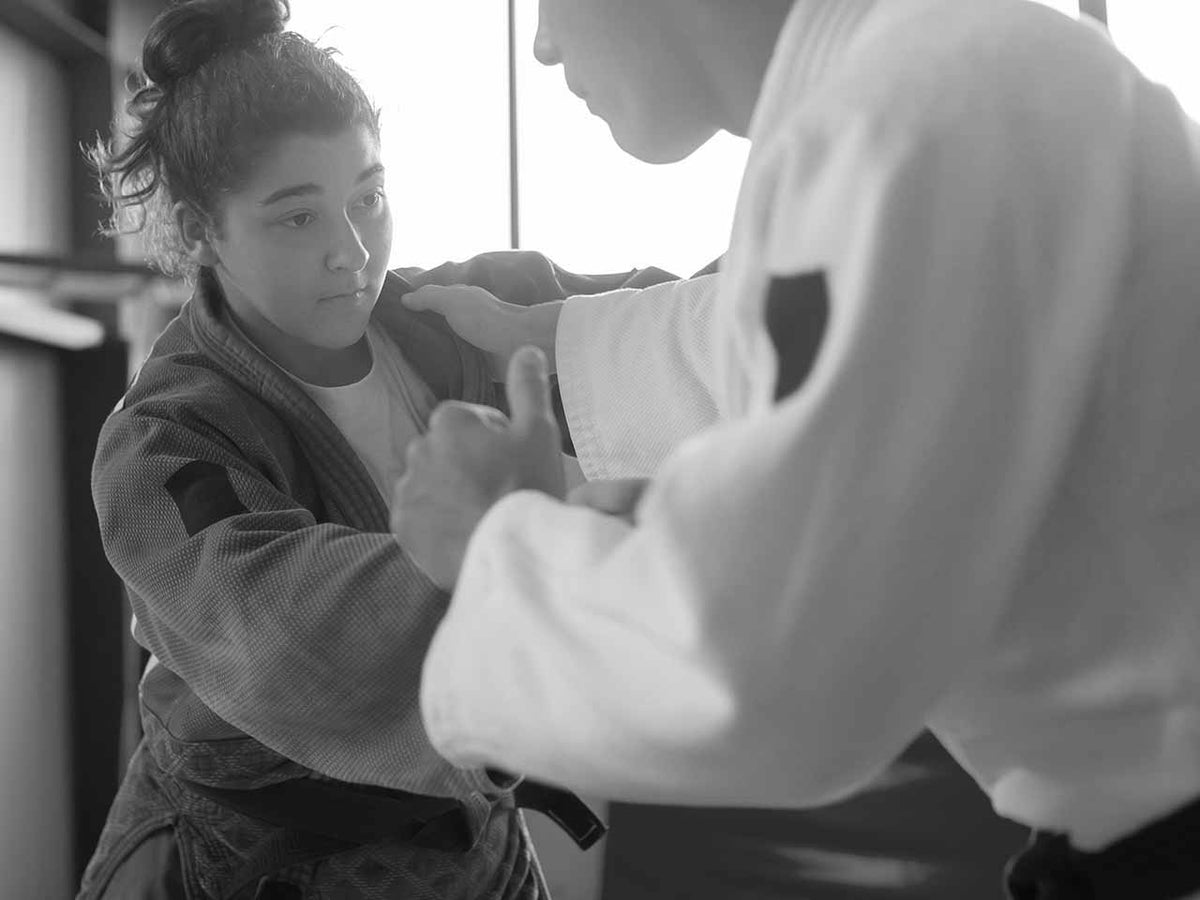
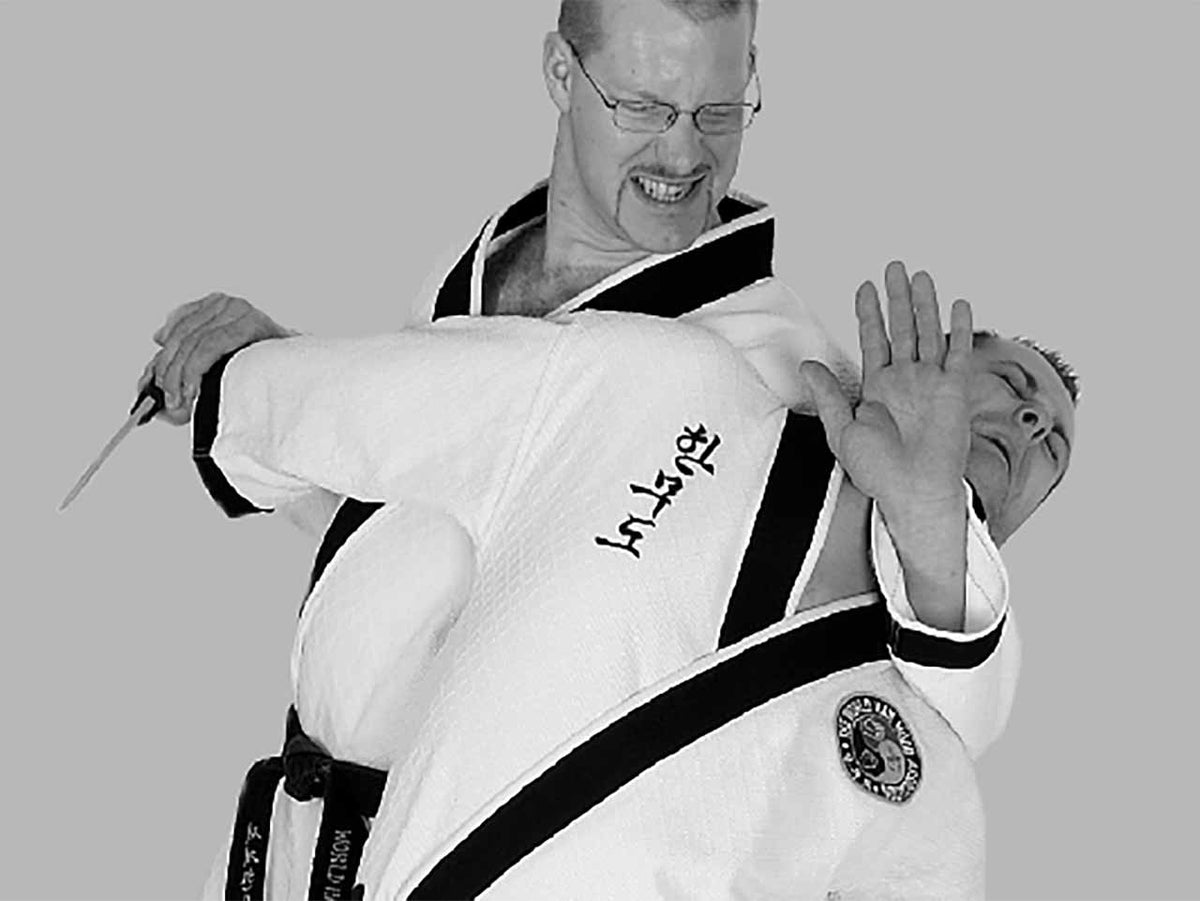
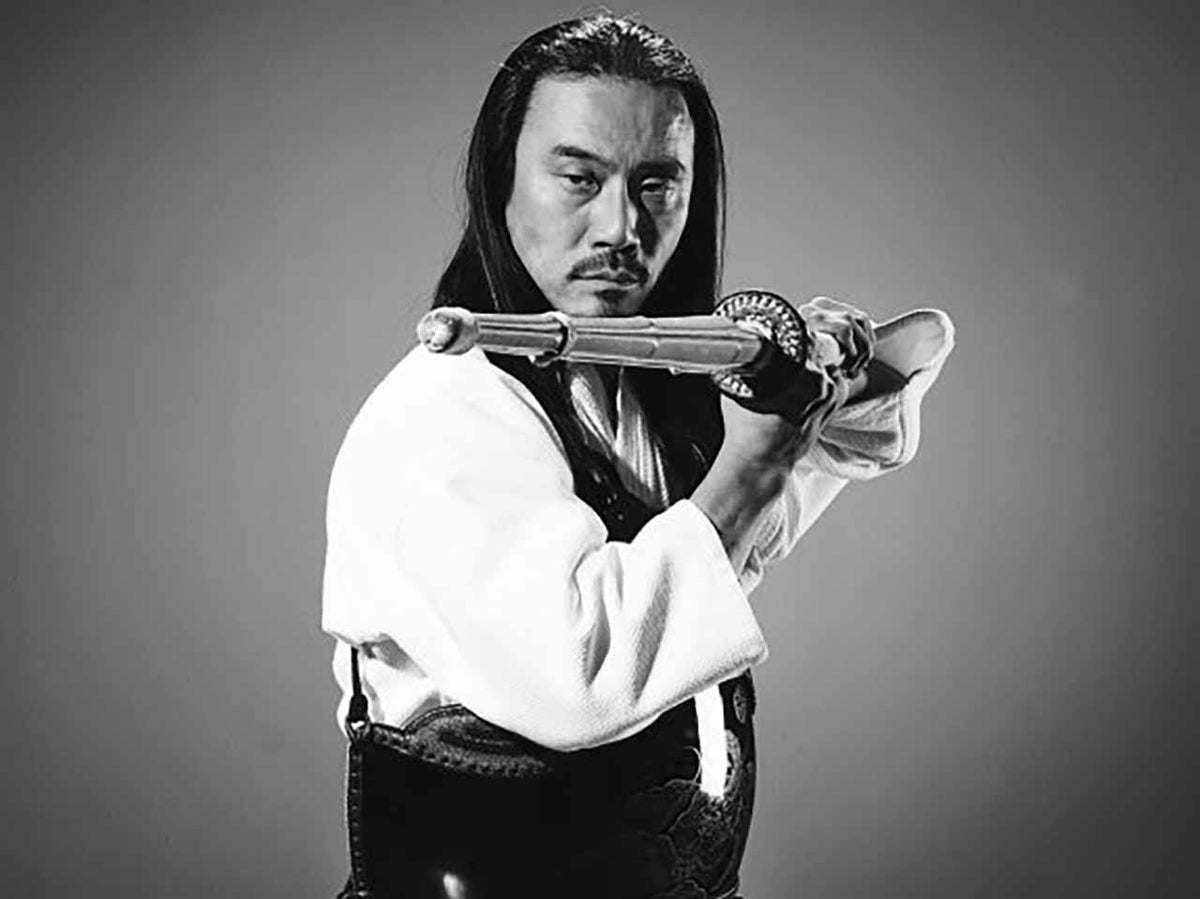
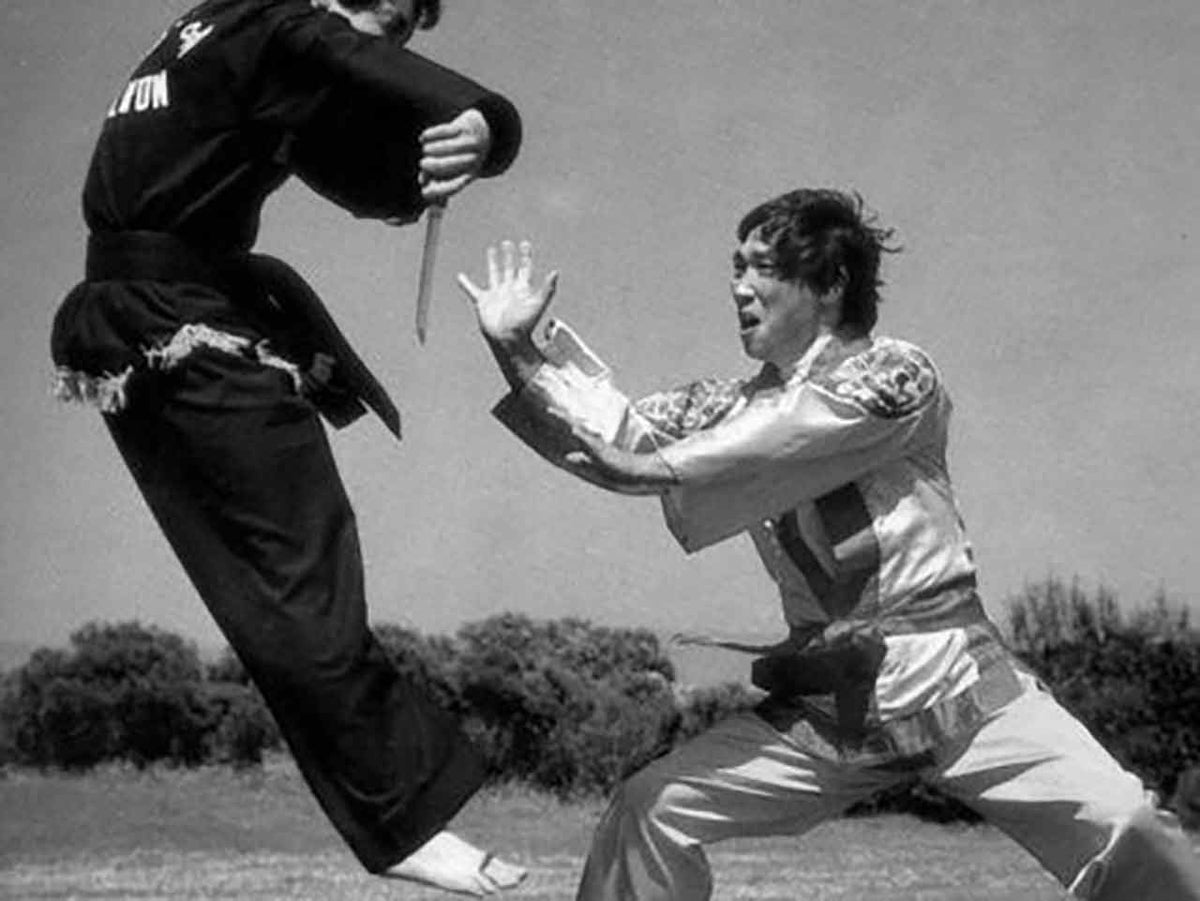
Hapkido is a modern Korean martial art influenced by aiki-jūjutsu, Korean kicking and striking arts, and judo. Depending on their lineage, schools combine joint locks, throws, kicks, strikes, breakfalls, weapons training, and self-defense drills.
- Origin
-
 South Korea
Discover more
01. / Overview
Hapkido
02. / History
03. / Development
04. / Training
17. / Gear
05. / Fighters
06. / Legends
07. / Trainers
08. / Masters
09. / Founders
10. / Promoters
11. / Gyms and training locations
12. / Venues
13. / Iconic locations
14. / Upcoming events
15. / Historical events
16. / Organizations
18. / More about this sport
Related sports
Overview
Trainers
History
Development
Training
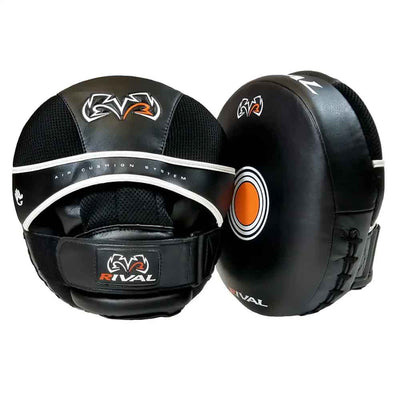
FIGHT2WIN GEAR
View all martial arts equipment


Gear
Fighters
Loading...
The data could not be loaded.
No results found for this sport.
Legends
Loading...
The data could not be loaded.
No results found for this sport.
Trainers
Loading...
The data could not be loaded.
No results found for this sport.
Masters
Loading...
The data could not be loaded.
No results found for this sport.
Founders
Loading...
The data could not be loaded.
No results found for this sport.
Promoters
Loading...
The data could not be loaded.
No results found for this sport.
Gyms and training locations
Loading...
The data could not be loaded.
No results found for this sport.
Venues
Loading...
The data could not be loaded.
No results found for this sport.
Iconic locations
Loading...
The data could not be loaded.
No results found for this sport.
Upcoming events
Loading...
The data could not be loaded.
No results found for this sport.
Historical events
Loading...
The data could not be loaded.
No results found for this sport.
Organizations
Loading...
The data could not be loaded.
No results found for this sport.
More about this sport

Improve FightBase Do you see an error?
Is information missing or is something incorrect? Send us a correction or addition.