Kung Fu

Kung Fu

Stats

Origin
China

Kung Fu (also written Gong Fu - literally 'skill achieved through hard work') is the collective term for hundreds of Chinese martial arts styles developed over thousands of years. From the explosive kicks of Northern Shaolin to the close-range striking of Wing Chun, from the internal power of Tai Chi to the animal imitation styles of Five Animals - Kung Fu encompasses the most diverse body of martial arts knowledge in the world. It is both a physical discipline and a philosophical tradition, inseparable from Chinese culture, history and medicine.

History

Ancient Origins

Chinese martial arts trace their documented history back over 4,000 years, with references to wrestling and striking arts in the era of the Yellow Emperor. The systematisation of Kung Fu into distinct schools accelerated during the Zhou Dynasty (1046–256 BC) and reached its classical peak during the Shaolin Temple era. The Shaolin Monastery in Henan Province—founded in 477 AD—became the most famous centre of Chinese martial arts, with its monks developing fighting systems that spread across China and Southeast Asia over the centuries.

The Major Style Families

Northern styles (Bei Pai): Emphasise long-range techniques, high kicks, acrobatic movements and linear power. Major northern styles include Shaolin Kung Fu, Chang Quan (Long Fist), Praying Mantis, Monkey Style and Eagle Claw. Northern styles use the body's full reach and favour mobility and power generation through large movements.

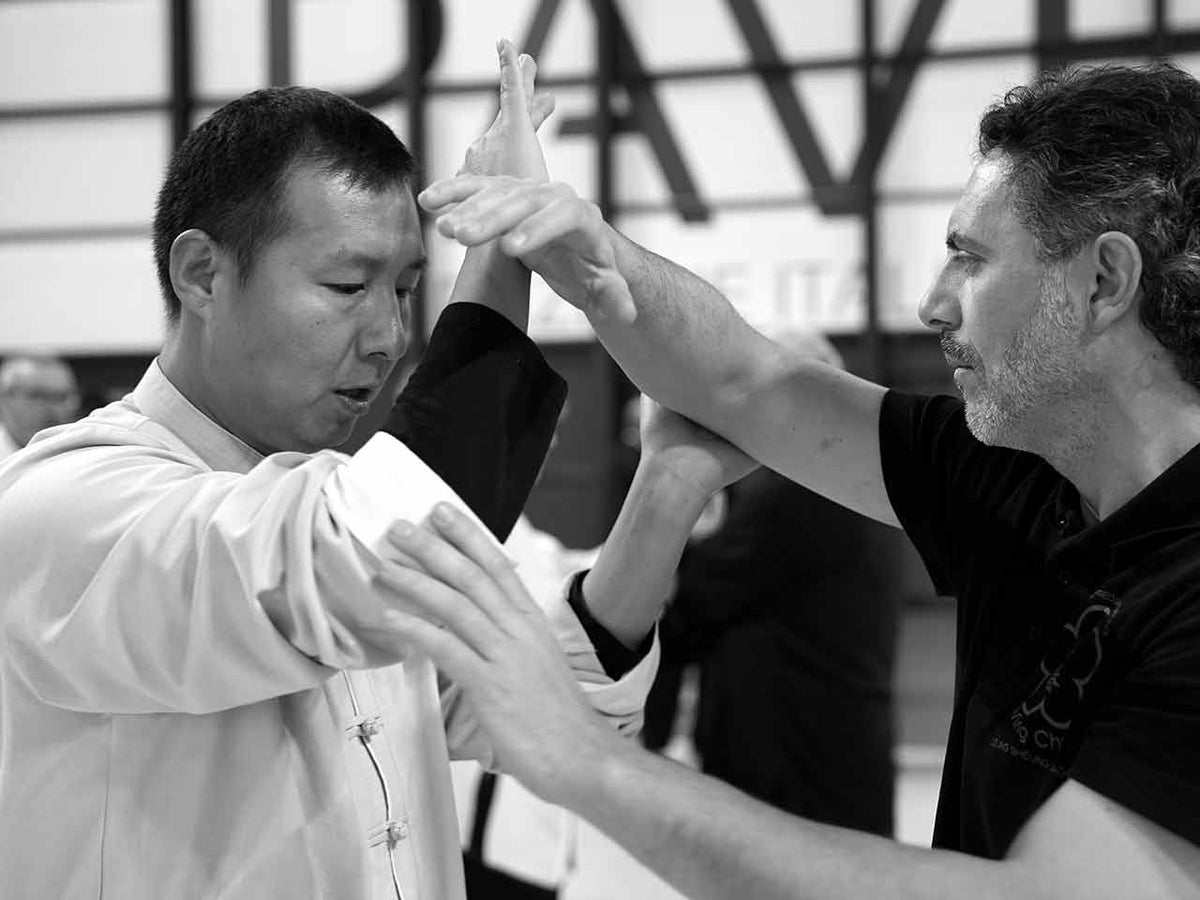
Southern styles (Nan Pai): Emphasise close-range striking, strong stances, hand techniques and short-range power generation. Major southern styles include Wing Chun (famously taught by Ip Man and practised by Bruce Lee), Hung Gar, Choy Li Fut, Five Animals (Tiger, Crane, Leopard, Snake, Dragon) and White Crane. Southern styles are typically more compact and powerful at short range.

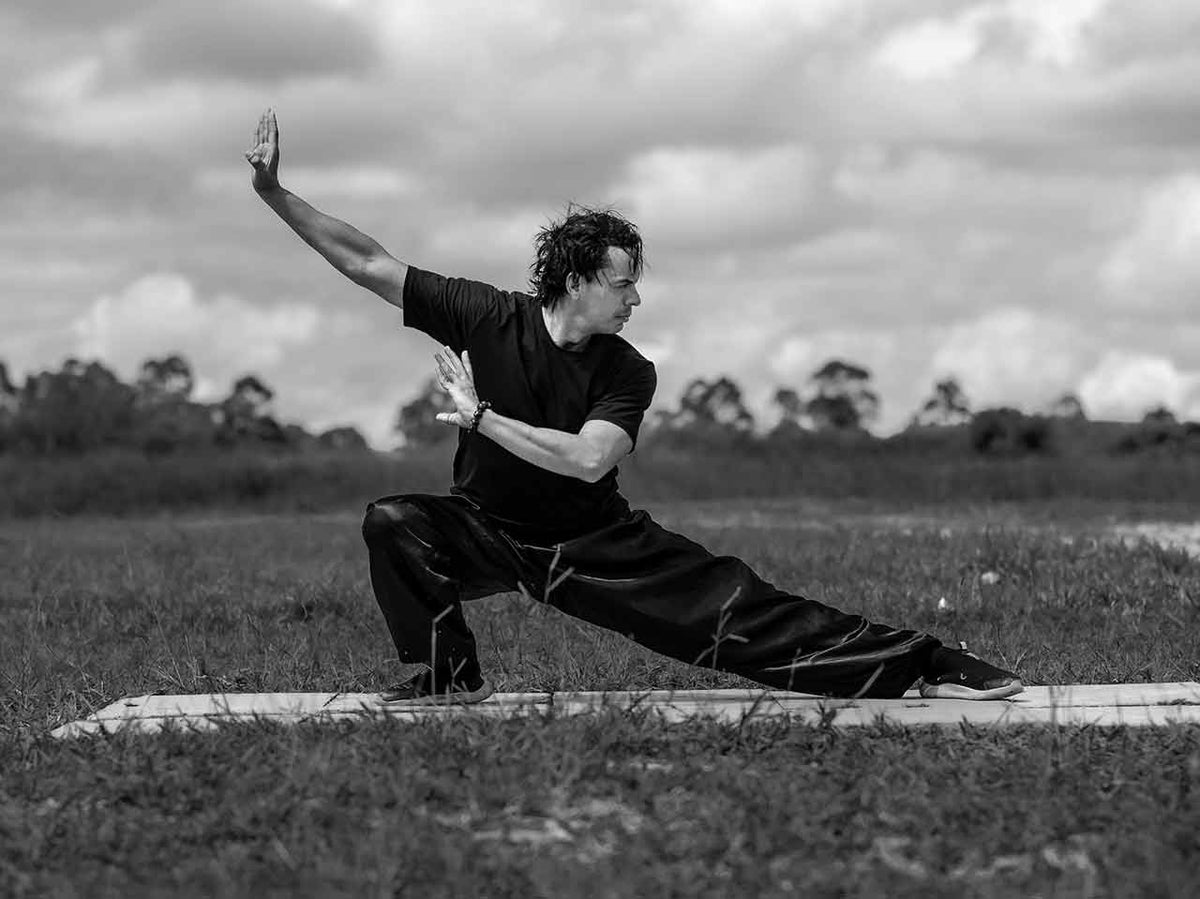
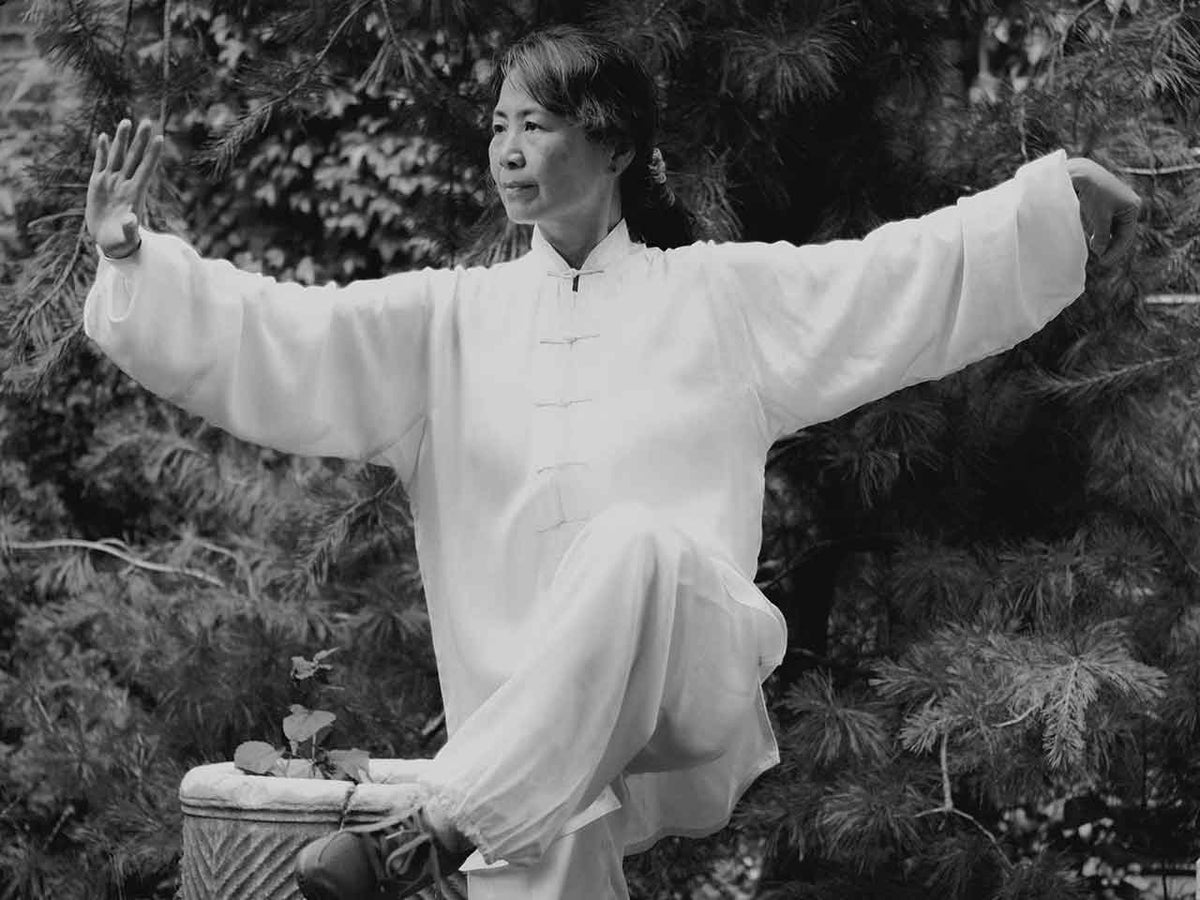
Internal styles (Nei Jia): Focus on developing internal energy (qi/chi), relaxation and whole-body structural alignment rather than muscular power. The three main internal arts are Tai Chi Chuan (Taijiquan), Bagua Zhang and Xing Yi Quan. Internal styles emphasise yielding to force, redirection and effortless power—rooted in Taoist philosophy.

Animal styles: Many Kung Fu systems are built around imitating animal movements and qualities—Tiger (power), Crane (balance and precision), Leopard (speed), Snake (flexibility and penetration), Dragon (elusiveness), Praying Mantis (trapping and joint attacks), Monkey (deception and agility). Each animal system reflects a distinct tactical and philosophical approach to combat.

Bruce Lee and the Global Spread of Kung Fu

Bruce Lee (1940–1973) was the single most important figure in bringing Kung Fu to global consciousness. A Wing Chun student under Ip Man in Hong Kong, Lee emigrated to the United States and began teaching Chinese martial arts—breaking the tradition of teaching only Chinese students. His films, philosophy and the development of Jeet Kune Do (his own synthesis of fighting principles) made Kung Fu a worldwide phenomenon and sparked the global martial arts boom of the 1970s and beyond.

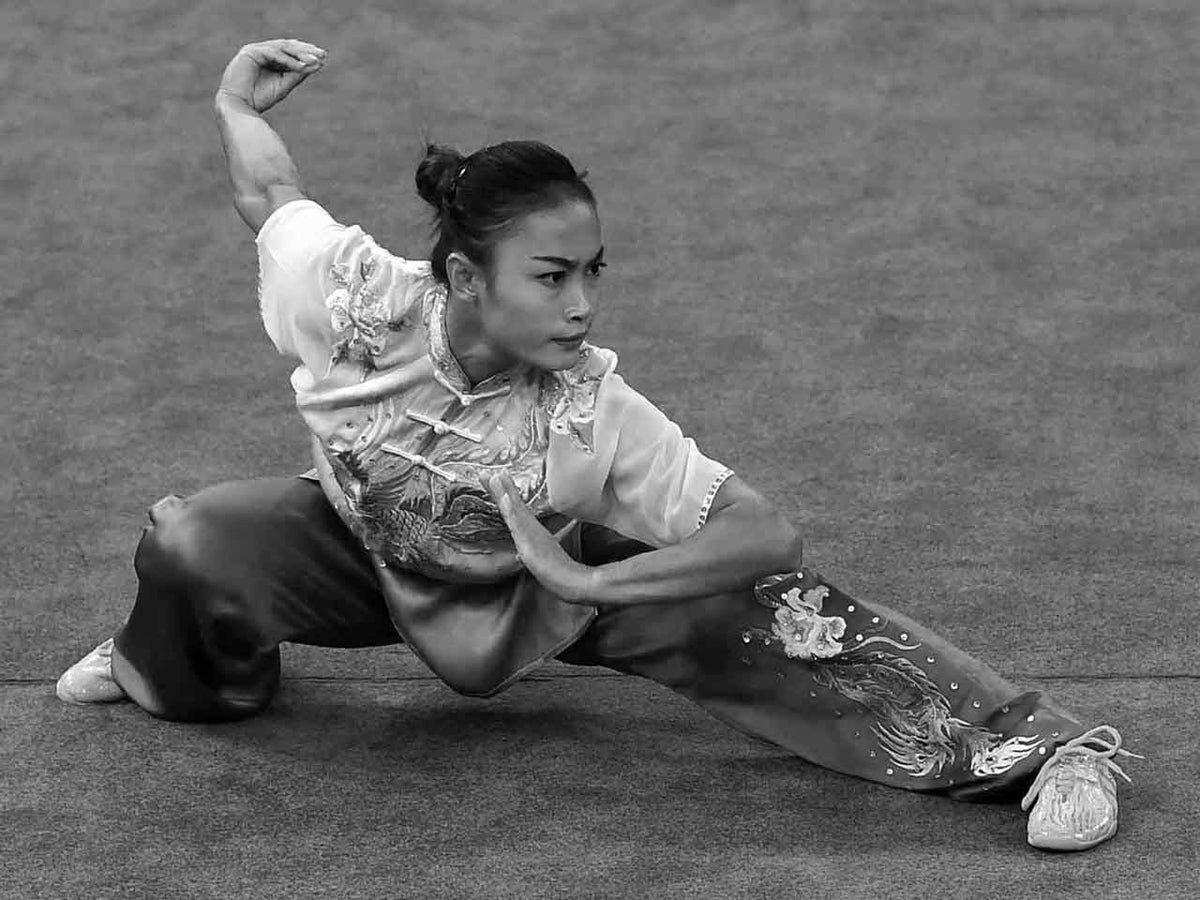
Wushu—the modern competitive and performance form of Kung Fu developed by the Chinese government from the 1950s—has further spread Chinese martial arts internationally through the Olympic movement and global competition.

Training

Training in Kung Fu

Kung Fu training varies enormously by style but typically includes: basic techniques (punches, kicks, blocks, stances), forms (tao lu - pre-arranged sequences), partner drills (chi sao in Wing Chun, push hands in Tai Chi), weapons training (staff, sword, spear, nunchaku) and conditioning exercises (iron palm, stance training, stretching).

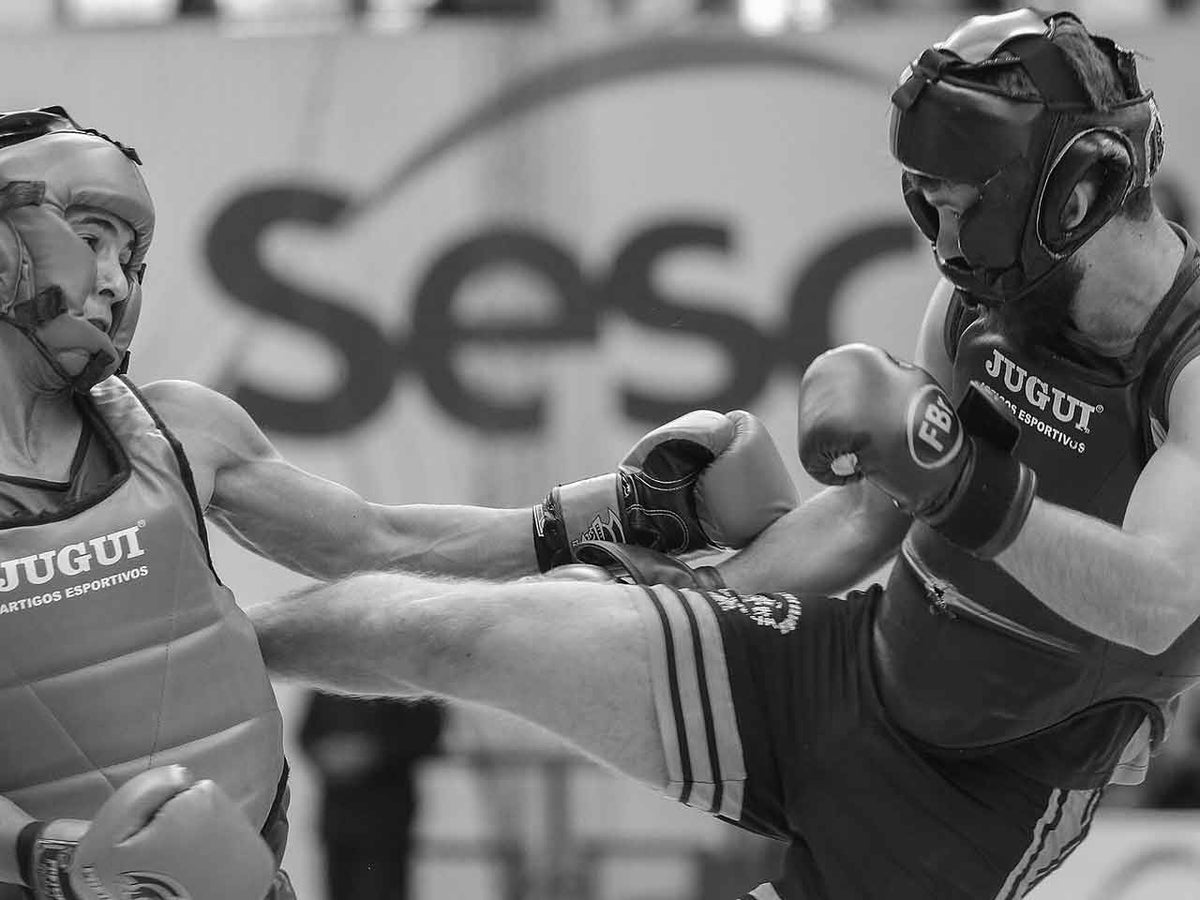
Traditional Kung Fu training is characterised by long-term commitment, repetition and close transmission between master and student. Modern Wushu training in Chinese sports schools is more athletic and standardised, emphasising acrobatic forms and competitive Sanda fighting.