Kempo
- A striking-heavy martial art blending Japanese, Chinese and Hawaiian influences - known for its rapid-fire combination attacks and the American Kenpo system popularised by Ed Parker.
Stats
- Origin
- United States
- Founded
- 1949
Kempo (also spelled Kenpo) is a broad term encompassing a family of martial arts that blend Japanese and Chinese fighting traditions - combining striking techniques from Karate and Chinese Kung Fu with joint locks, throws and ground techniques from Judo and Jiu-Jitsu. The word itself simply means 'fist law' or 'law of the fist' in Japanese (from the Chinese quan fa), reflecting its origins as a transmission of Chinese martial arts into Japan. Unlike Karate or Judo, Kempo is not a single unified system but a family of related styles that share common principles - making it one of the most diverse and adaptable martial arts traditions, particularly in its American forms developed in Hawaii and the continental United States.
History
Chinese Origins, Japanese Transmission
Kempo's lineage traces to the transmission of Chinese martial arts (quan fa) to Japan, primarily through the Ryukyu Islands (Okinawa) and through direct contact between Japanese Buddhist monks and their Chinese counterparts. The monk Bodhidharma (Daruma in Japanese) is mythologically credited with bringing fighting methods from India to China's Shaolin Temple—and from there, versions of these methods eventually influenced Japanese martial arts. Historical reality is more complex and less linear, but the Chinese-Japanese transmission is genuine.
In Japan, Kempo developed through several distinct lineages. Kosho-ryu Kempo, claimed to date back to the 16th century, is one of the oldest documented systems. Shorinji Kempo—founded by Doshin So in 1947—is a modern Japanese system that became enormously popular in postwar Japan, blending striking, joint locks, and a strong philosophical and spiritual dimension inspired by Chinese Shaolin traditions.
American Kempo—Hawaii and Ed Parker
The most globally influential development in Kempo occurred in Hawaii and California through the work of James Mitose, William Chow, and most significantly, Ed Parker. Mitose brought Kosho-ryu Kempo from Japan to Hawaii in the 1940s; his student William Chow developed a more streetwise, practical version incorporating Chinese kung fu influences. Ed Parker—Chow's student—moved to the US mainland and founded American Kenpo Karate, which became the dominant Western Kempo system.
Ed Parker's American Kenpo is notable for its systematic, logical approach to self-defense—techniques are organised by attack category (grabs, pushes, strikes, kicks), with preset responses designed for street effectiveness. Parker founded the International Kenpo Karate Association (IKKA) and the Long Beach Internationals tournament, one of the most influential martial arts competitions in American history. Elvis Presley was among his students.
Kempo vs Karate—Key Differences
While Kempo and Karate share common Okinawan roots and appear similar to untrained observers, they differ in significant ways. Kempo typically incorporates more hand combinations (influenced by Chinese circular striking), more joint-locking and takedown techniques, and a greater emphasis on self-defense scenarios over sport competition. Traditional Japanese Karate styles tend toward cleaner, more linear technique and have a stronger sport-competition culture through the WKF. American Kempo in particular tends to be more eclectic and pragmatic.
Training
Training in Kempo
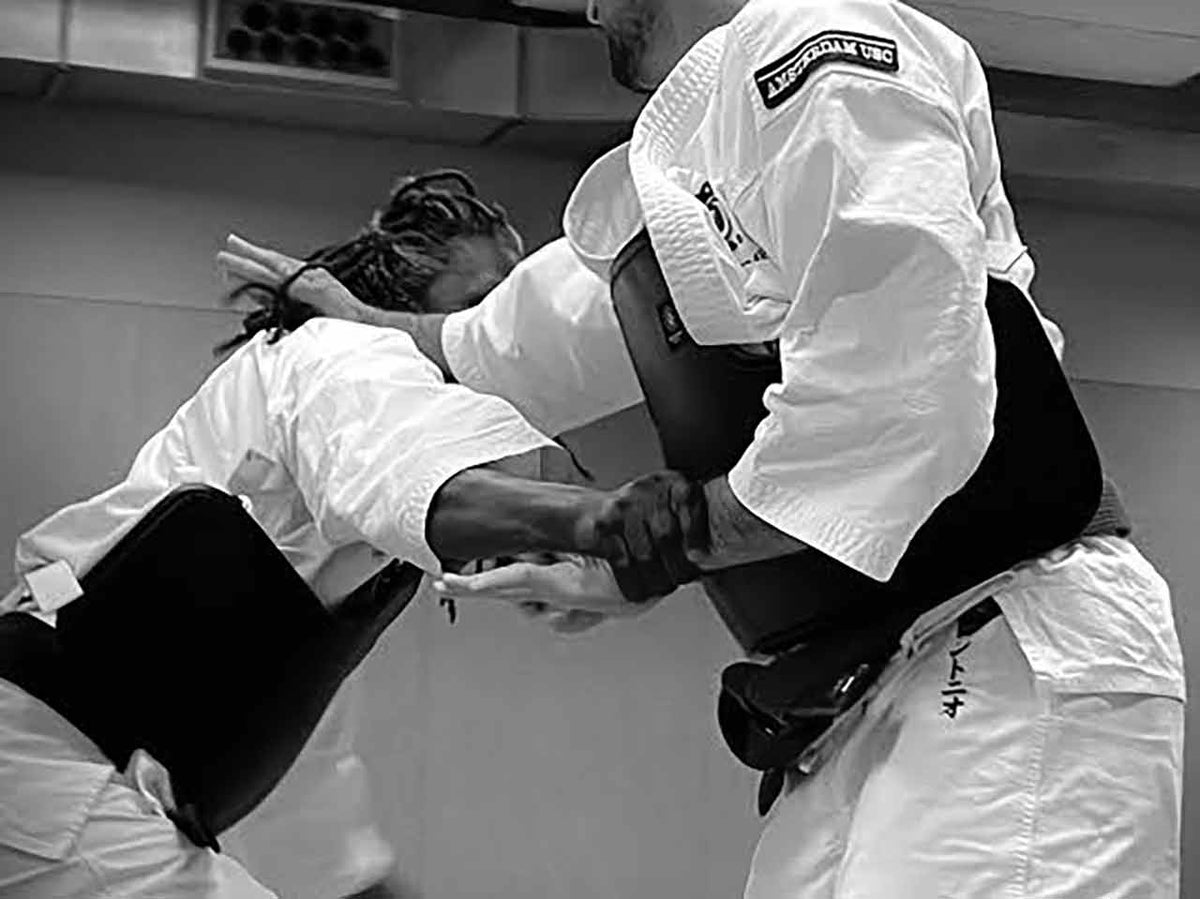
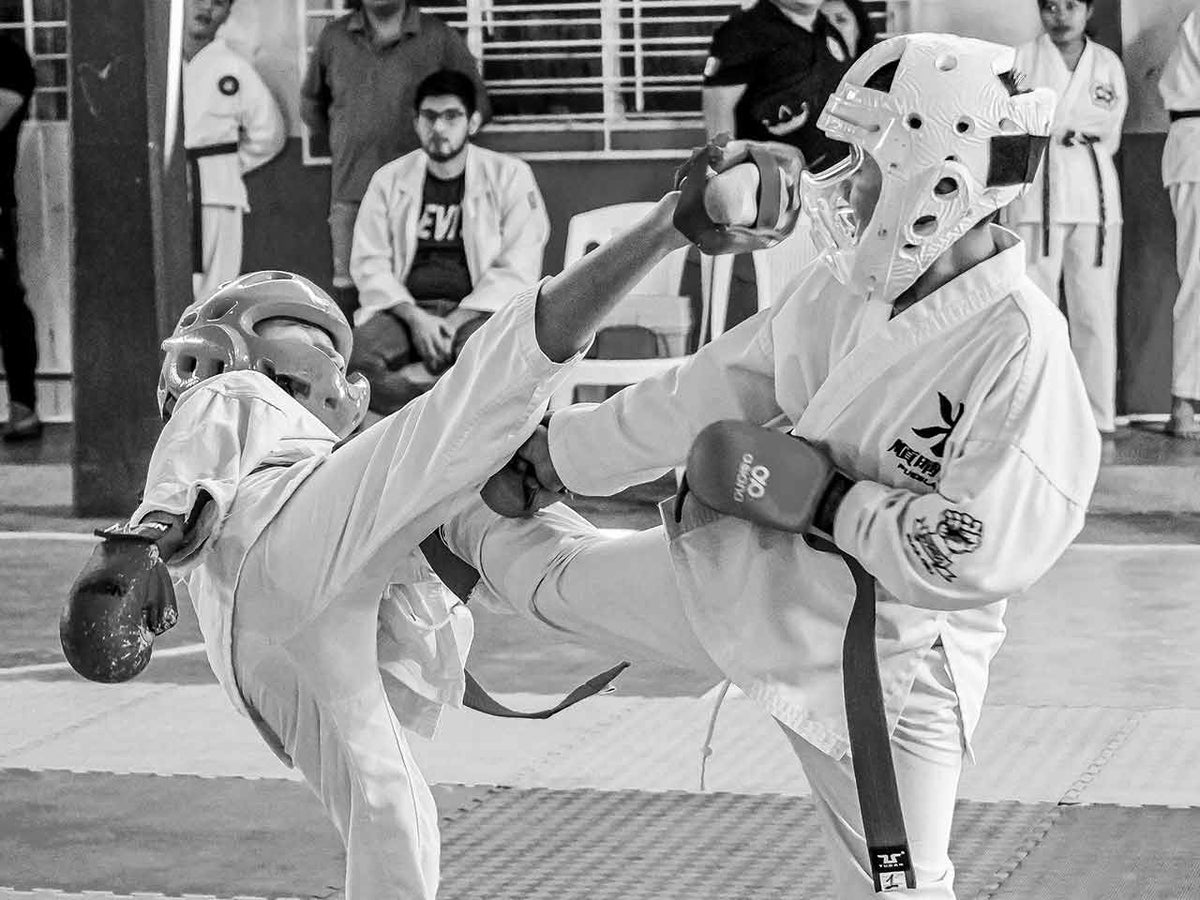
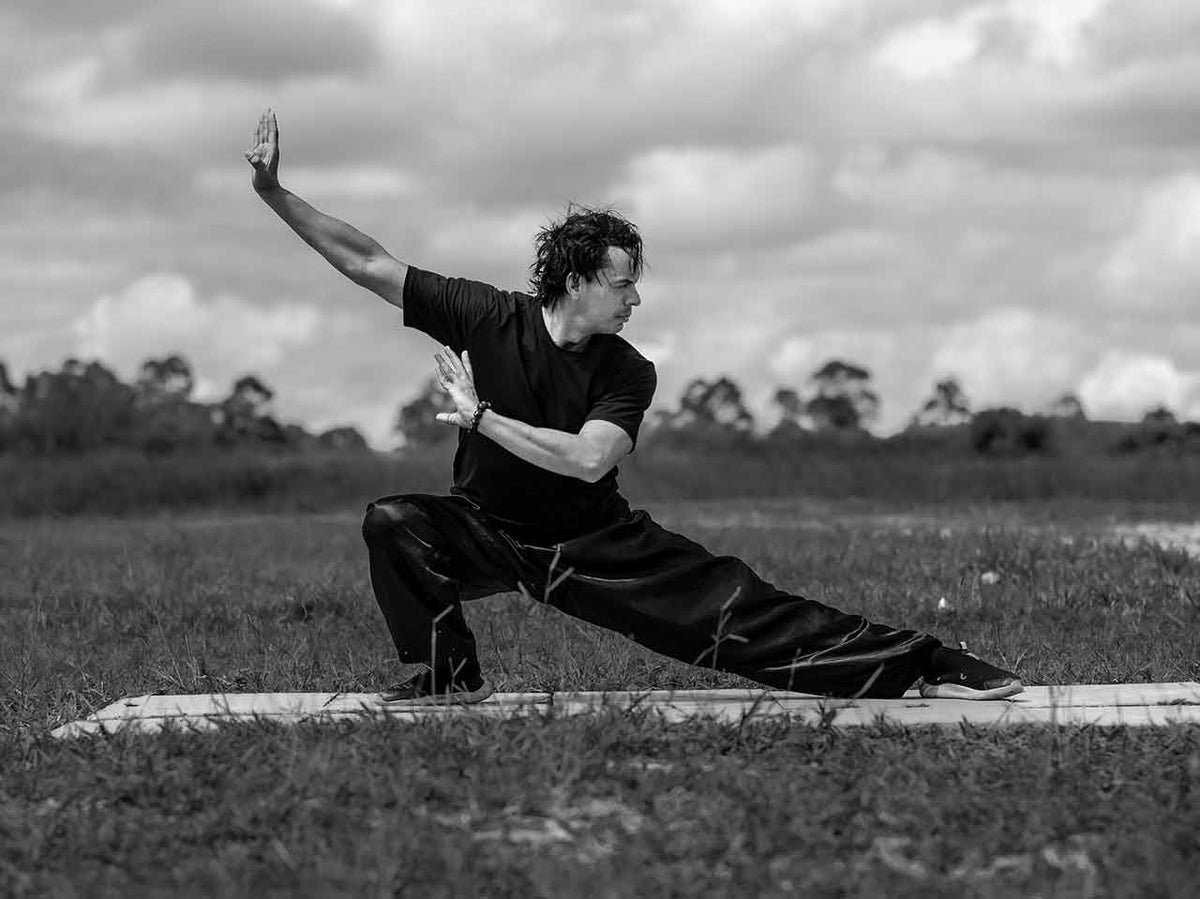
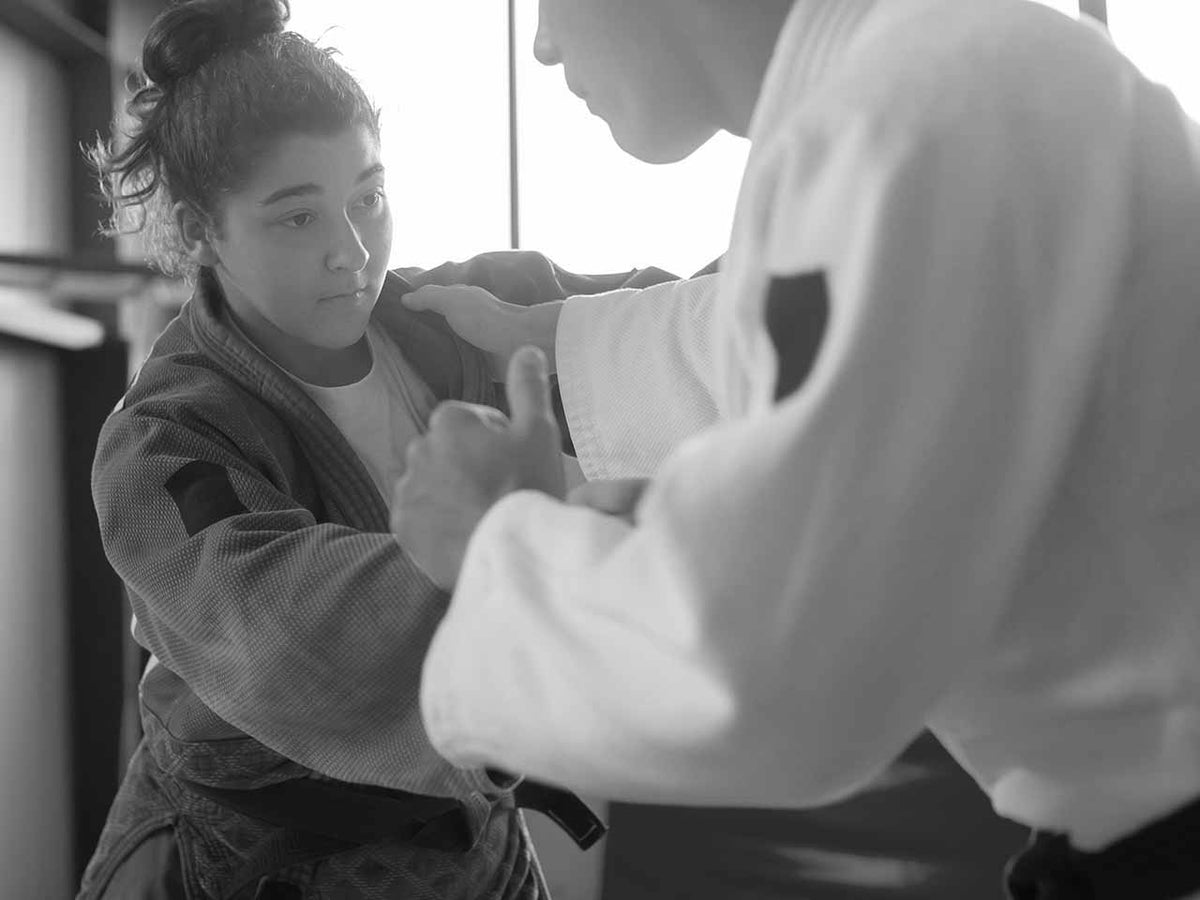
Kempo training varies considerably by system but typically covers: striking combinations (punches, knife hands, elbows, hammer fists - often in longer chains than Karate), kicks (front, side, roundhouse, back kick), joint locks and takedowns from standing, kata (forms - both Japanese and Chinese-influenced) and self-defence scenarios (pre-set responses to grabs, holds and attacks).
American Kenpo systems in particular use an extensive self-defence technique catalogue - Ed Parker's system contains 154 named techniques organised by attack category, each with extensions and follow-up combinations. This systematic approach makes American Kenpo one of the most thoroughly documented self-defence systems in the world.
Aankomende events
Wordt geladen...
Historische events
Wordt geladen...
Gear & Equipment
Kempo Gear Guide
Gi: Kempo uniforms vary by system - traditional Japanese systems use a standard white gi similar to Karate. American Kenpo schools often use black gi as their signature uniform, distinguishing themselves from Karate schools.
Belt system: Varies by organisation. Most Kempo systems use the standard Japanese kyu/dan colour belt progression from white to black, though some American systems have additional colours and intermediate ranks.
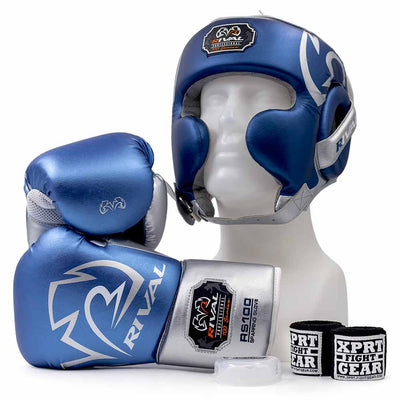
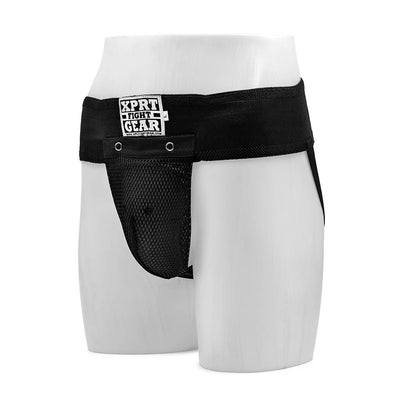
Sparring gear: For contact sparring - gloves, foot pads, shin guards, head guard and mouthguard. Kempo sparring formats range from light-contact point sparring to full-contact kickboxing depending on the school.
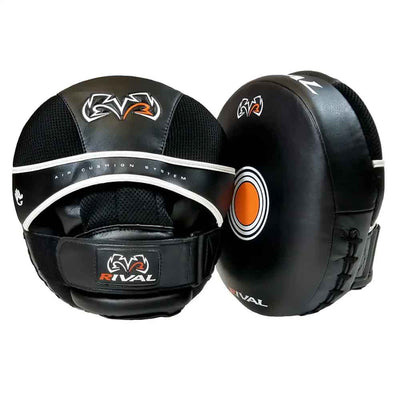
Focus mitts and kick shields: Essential training tools for developing Kempo's combination striking curriculum with a partner.