Four big names in Dutch kickboxing, one training floor and participants who came above all to improve. On October 19, 2025, Ernesto Hoost, Andy Souwer, Albert Kraus and Semmy Schilt shared their experience at the second BEST4 Seminar. The event took place in De Bilt, in the Utrecht region.
What makes a gathering like this special is how small the gap between champion and participant becomes for a few hours. You can watch a demonstration up close, put it into practice and ask questions. Below, we look back at the 2025 edition, drawing on SENSHI’s report and a publication by Fight Game Academy Semmy Schilt.
The second edition: training together in De Bilt
According to SENSHI, the second BEST4 Seminar attracted more than two hundred participants. Fight Game Academy Semmy Schilt puts the number at two hundred fighters. The overall picture is clear: a large international group took to the floor, with participants from the Netherlands, Belgium, Germany and England.
The reports name Sporthallen De Witte in De Bilt as the venue. Utrecht is therefore the region where the seminar took place, not the precise location of the sports hall. This also makes the event a good example of the appeal of Dutch kickboxing: people traveled from different countries to the same training floor to learn.
Participants came from a range of skill levels. What brought them together was not a shared competitive status, but the desire to grow as kickboxers. That gives a seminar its own dynamic: everyone gathers for the same instruction, but each person can take something different from it based on their own training experience.
Four champions, one shared training floor
Ernesto Hoost, Andy Souwer, Albert Kraus and Semmy Schilt made up the BEST4. The reports place them in the world of K-1 and K-1 MAX and mention their roles as SENSHI instructors. For many kickboxers, these names are associated with the international breakthrough and reputation of Dutch kickboxing.
For participants, that ring experience is most valuable when it becomes something they can practice themselves. A fight shows that a combination, defense or tactical choice works. A training session leaves room for the questions behind it: where do you start, how do you judge the distance and what do you do after making your move?
Bringing four instructors together also puts different perspectives on the same training floor. That variety can make a familiar subject interesting again. A tip you've heard many times may suddenly click when explained differently. That's the practical appeal of training with experienced competitive fighters.
Two ninety-minute training sessions
The confirmed program consisted of two ninety-minute training sessions with a break between them. Together, that amounted to three hours of training. SENSHI describes how participants were introduced to different styles, techniques and approaches to training.
That structure gives a seminar a clear rhythm. First comes a training session to get into the work and pick up new tips. The break then offers a chance to recover and share experiences before the group continues.
When you're taking in a lot of information at once, comparing notes is valuable. What stuck with your training partner? Which explanation did you find particularly clear? A conversation during the break can help you put a tip into clearer words and start the next session with something specific to focus on.
The experience behind the technique was also discussed
Alongside the training sessions, there was a Q&A. According to the published recap, the instructors talked about pre-fight nerves, their approaches to different opponents and lessons they had learned during their careers.
That made the day about more than just copying movements. Kickboxing also requires making decisions as the pace picks up, handling pressure and recognizing what an opponent is doing. An experienced fighter's story can make those subjects more tangible, especially when it's backed by real fight experience.
After the training sessions, there was also time to talk with the instructors, take photos and collect autographs. That encounter is part of the atmosphere of a seminar: the people you normally see in fight footage are now on the same training floor.
What you can take from a seminar into your own training
An inspiring day of training becomes even more valuable when you take a useful point to focus on into your next class. It doesn't have to be a long list. One clear tip about distance, balance or bringing your hands back can guide an entire round of practice.
Start with something you picked up during the instruction and can describe clearly. For example, if you're working on a combination, pay attention to your stance afterward too. When throwing a kick, focus on returning to your starting position. That way, you connect the beginning and end of an action instead of practicing only the strike.
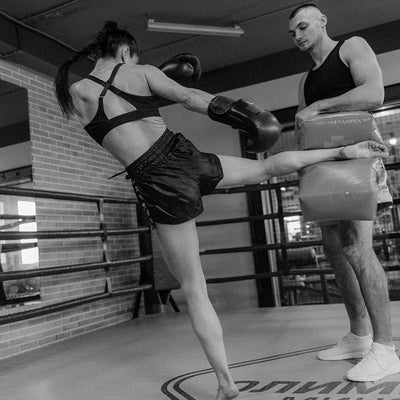
Bag training is a useful setting for practicing a particular point repeatedly. Structured partner drills add the need to respond to distance and movement. These are practical ways to build on inspiration from the seminar, not a reconstruction of specific drills at BEST4.
Focused practice with the right equipment
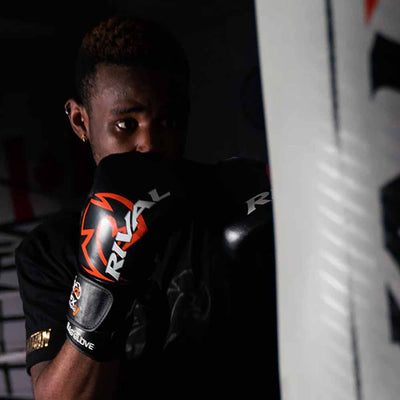
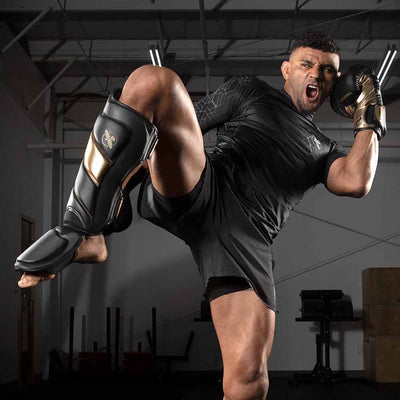
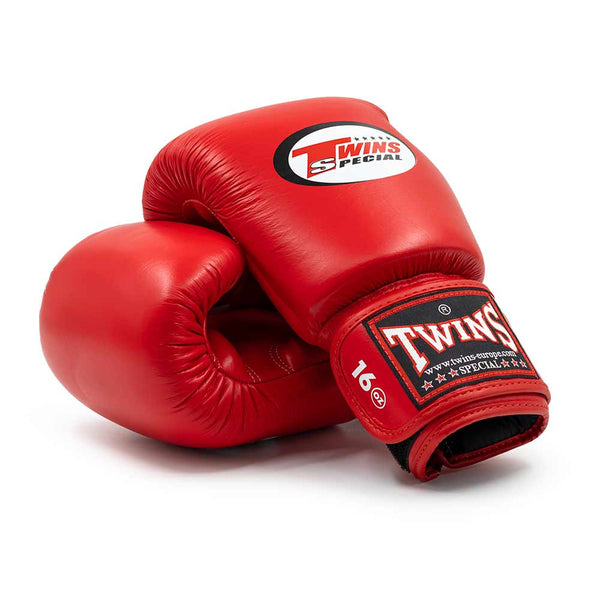
Gloves, shin guards and clothing support the type of training you do. For structured partner drills, freedom of movement, a comfortable fit and gear that stays in place as you move are practical advantages. In bag and pad training, how the gear feels during repeated combinations and how comfortably you can bring your hands back into position also matter.
If you want to keep working on combinations at home or at your club, bag training and partner work can complement each other. Kicking shields let you practice punches and kicks in structured drills; shin guards are suited to technical partner drills involving the legs. The type of drill you choose determines which equipment is appropriate.
The product categories and buying guides accompanying this article can help with that next step. They are recommendations for your own training, not the official equipment list for the 2025 BEST4 Seminar.
BEST4 and the international SENSHI community
The connection with SENSHI was evident in the instructor lineup and the coverage of the event. SENSHI published a recap on October 24, 2025; Fight Game Academy Semmy Schilt published a Dutch-language report on the same date, citing SENSHI as its source.
Those reports describe an event that brought international connections and technical development together. For participants, that meant training alongside people from different countries and learning from four well-known instructors, regardless of their sporting backgrounds.
An additional SENSHI training video accompanying this article comes from the camp held September 11-14, 2025. It provides extra training context and is not a recording of the BEST4 Seminar on October 19.
Looking back: championship experience up close
The strength of the second BEST4 edition lay in the combination of three hours of training, time for questions and a chance to meet four big names in person. On October 19, 2025, De Bilt was the gathering place for an international group of kickboxers looking to expand their knowledge and skills.
Hoost, Souwer, Kraus and Schilt brought not only their names, but also the experience that makes a seminar worthwhile: explanations, perspective and stories from the ring. For participants, the next step happens on their own training floor, where repeated practice can make a useful tip an increasingly natural part of their kickboxing.