Taking the first step into a martial arts gym can feel daunting. Inside, everyone else seems to know where to stand, which gloves to pick up and how an exercise works. You may still be wondering whether to keep your shoes on. That doesn't mean you're behind. It's just your first class.
Starting martial arts responsibly doesn't mean you need to know how to do everything beforehand. It means choosing a suitable class, knowing what's expected of you and practicing in an environment where instruction and clear ground rules are the norm. A beginners' group helps you build fitness and technique; suitable clothing and equipment support what you'll be practicing there.
This guide helps you move from 'maybe I'd like to try this' to a first class that's worthwhile. Not with grand promises about what martial arts will do for your life, but with practical choices: what kind of training are you looking for, what should you bring, how do you recognize a gym where you'll feel comfortable, and when is an exercise not yet right for your experience level?
Choose what you want to practice first, then the sport
A familiar name, an impressive video or an enthusiastic friend: any of these can inspire you to start. But also think about which part interests you. Do you mainly want to learn punches and footwork? Do kicks and combinations sound fun? Or are you more drawn to grips, throws and ground positions?
In boxing, the technical focus is on punches and the movement around them. Kickboxing adds kicks. Judo involves gripping, throwing opponents off balance, throws and ground techniques, among other things. Ground positions and submissions play a major role in Brazilian jiu-jitsu. MMA combines stand-up fighting with wrestling and groundwork.
You're choosing a type of training, not just the name of a sport. Classes can differ even within the same martial art. A recreational beginners' class has a different aim from competition training. A cardio boxing class may use boxing movements without the same technical structure or level of contact as a boxing class.
So read the description of the class you're signing up for. 'Boxing' on the schedule doesn't tell you whether you'll work on a punching bag, practice with a partner or take part in a technical class with contact. A clear description saves you from a surprise at the door.
Find a beginners' class that fits into your regular week
A class that's easy to get to and fits your schedule makes training regularly much easier. Keep that practical fit in mind when choosing a gym. It gives you a comfortable starting point for coming back.
Look at the combination of location, class times and class level. Is there a separate beginners' group? Are new participants guided through a mixed-level class? Can you try a class first? How do you sign up, and what happens if you can't make it one time?
Compare not just how gyms look, but how they explain things. A gym doesn't have to be luxurious to run a well-organised class. But you should be able to understand beforehand what kind of place you're going to and what you'll be practising.
Ask about the practical details of a membership, too. What's included, how do payments work and what terms apply? This doesn't need to be a complicated investigation. The point is to avoid discovering after your first training session that you've chosen a very different package from the one you expected.
Pay attention to the people and how the class is run
A wall full of titles tells you something about sporting achievements, but not how a new participant is supported. During a trial class, look for the things that make an immediate difference to you: is the exercise explained, does someone notice you're new, and can you ask a question without it disrupting the whole class?
Pay attention to what happens between participants, too. Are partners matched appropriately? Is it clear how much contact an exercise involves? Does the trainer step in when someone trains harder or differently than agreed? A good atmosphere isn't just about being friendly before and after class; you notice it when an exercise doesn't go smoothly right away, too.
For kickboxing, thai boxing and MMA, the Keurmerk Vechtsportautoriteit certification is a useful point of reference. It assesses facilities and equipment, coaching standards, health, safety and efforts to prevent inappropriate behaviour, among other things. The Nederlandse Vechtsportbond issues the certification; the Vechtsportautoriteit remains involved in the audits.
That doesn't guarantee nothing can ever go wrong during training. It does help you look beyond advertising or a familiar name. Use the trial class to assess how the coaching and interactions feel in practice. Don't assume the certification applies to all other martial arts, either: the context here is kickboxing, thai boxing and MMA.
Ask four specific questions before the trial class
You don't need to have a full conversation about your sporting future beforehand. Four practical questions are usually a good start: what level is this class for, how much contact is involved, what should I wear and what equipment do I need to bring?
When signing up, say that it's your first class or that you're new to this discipline. Mention any experience you have with fitness, running or other martial arts. That helps the trainer tailor the instruction to what you already know and what you're about to learn.
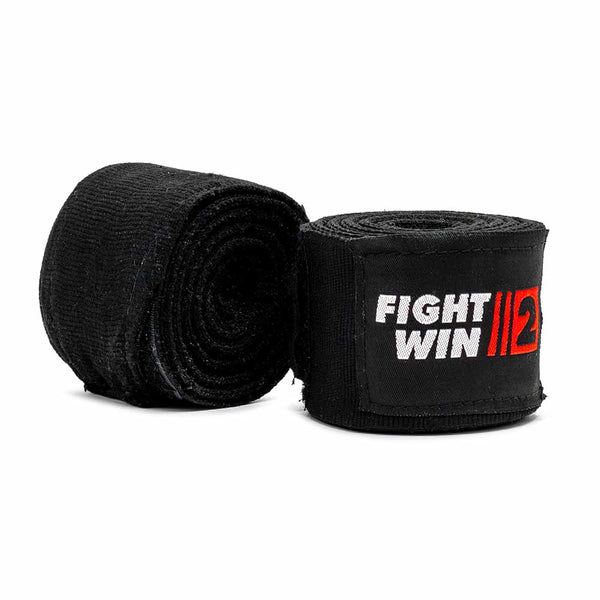
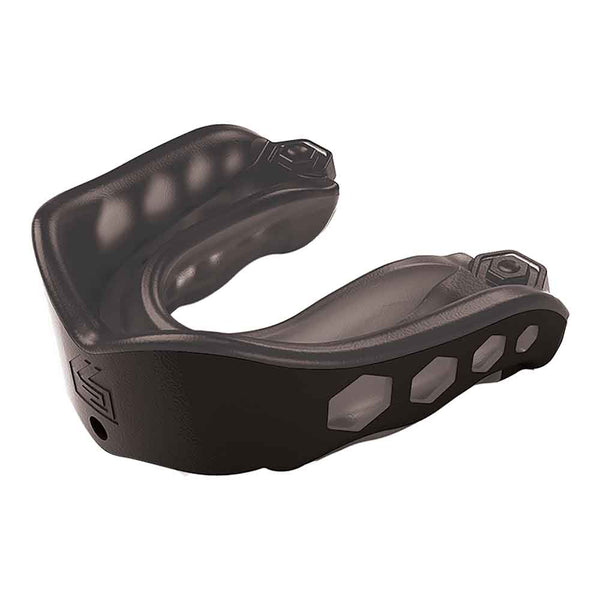
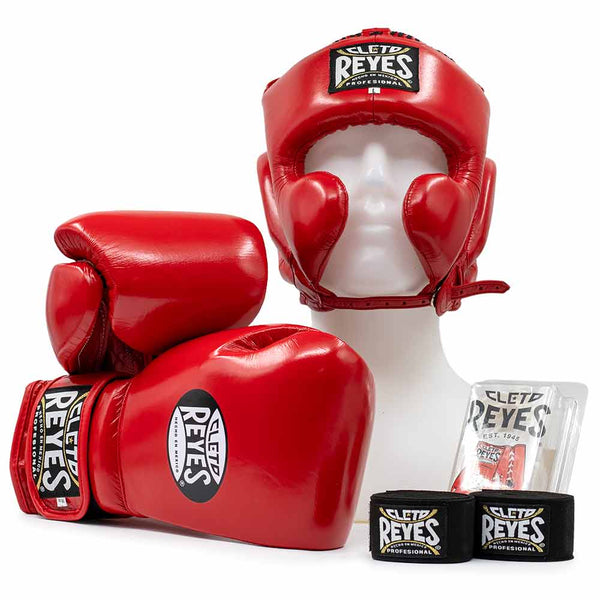
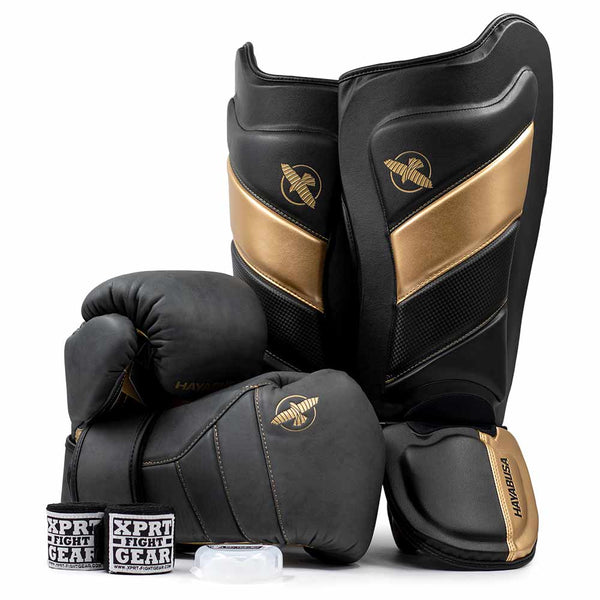
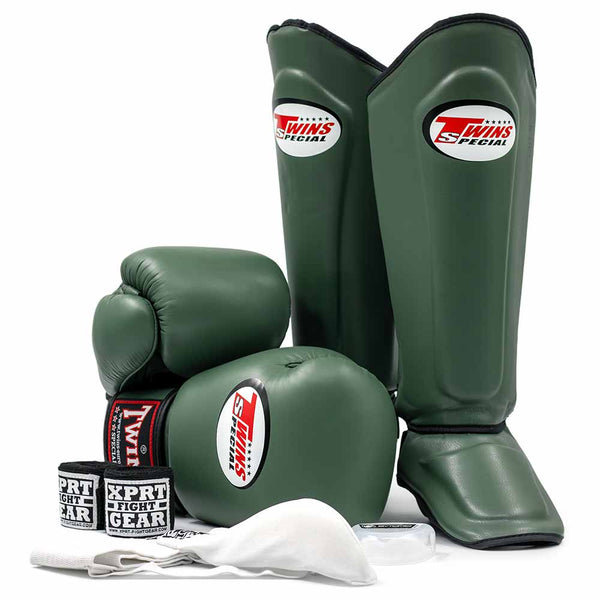
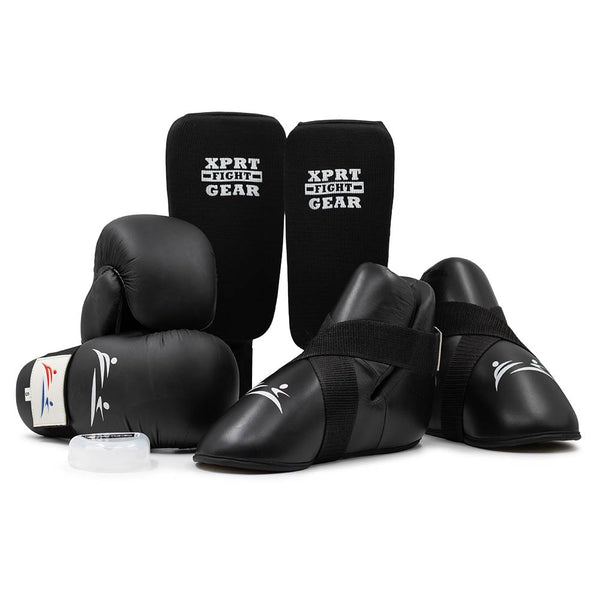
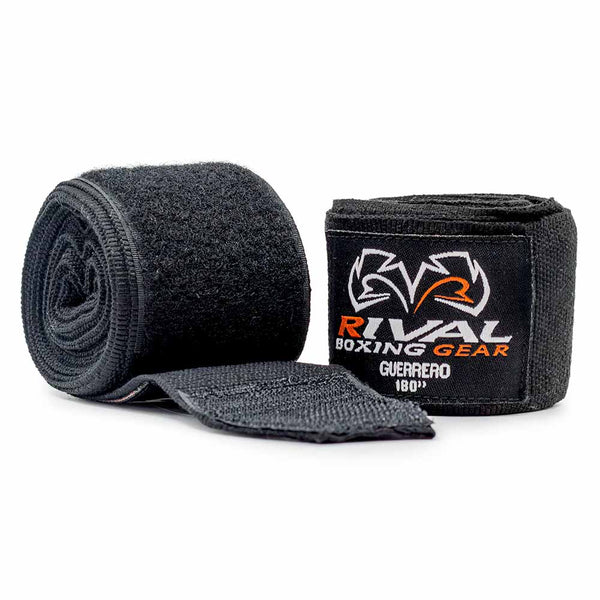
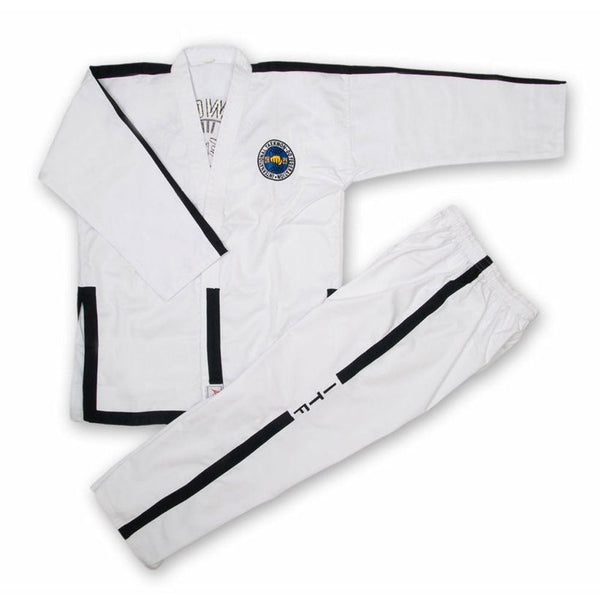
Ask specifically what equipment is available. Are there gloves you can borrow, do you need to bring your own mouthguard, and are there any rules about handwraps? If the discipline requires a uniform, find out whether you can wear regular sportswear for the trial class. Don't assume every gym lends out the same equipment.
Finally, check when you need to arrive. A few unhurried minutes before class give you time to change, put down your things and meet people. That's more pleasant than rushing in when the warm-up has already started.
Bring suitable clothing and equipment to class
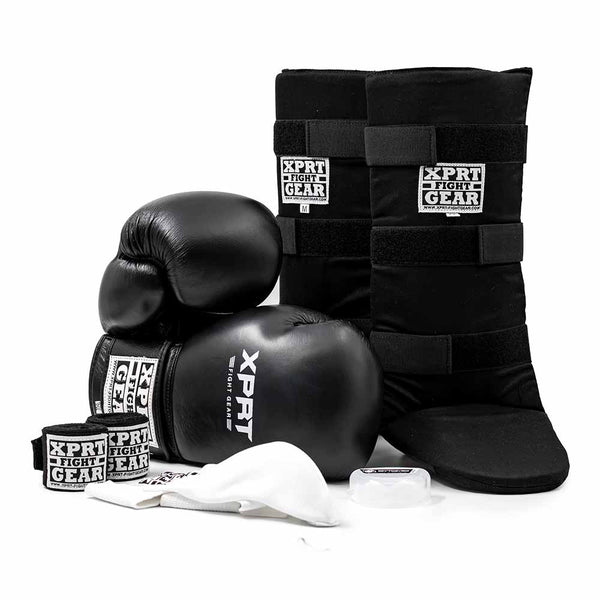
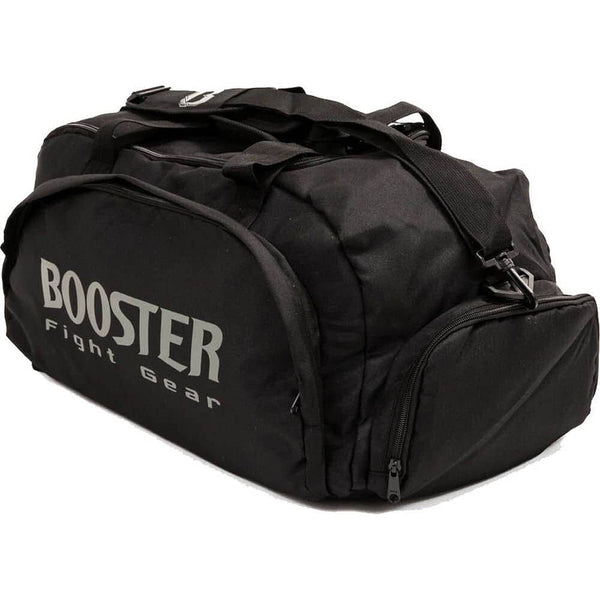
For your first class, what matters most is what you've been told to bring. Think suitable sportswear, a drink, a towel and any requested training equipment. Choose clothes that let you move without constantly pulling at a waistband or sleeve.
The surface and the sport also help determine what footwear is appropriate. On some mats, you train without shoes; other classes have different rules. Follow the venue's instructions rather than a general rule from a video. Flip-flops can be practical for walking outside the training mat.
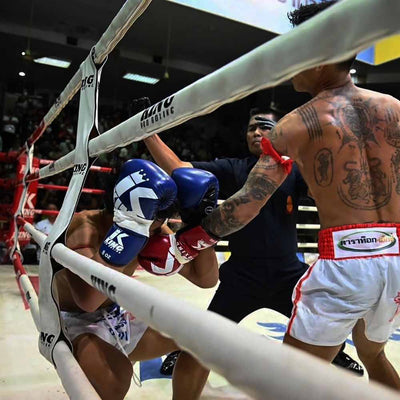
Don't start with a full competition outfit. The small gloves worn in a professional MMA bout or the gear used at a kickboxing event won't necessarily tell you what you need for a beginner class. Bag work, pad work, partner drills and sparren can have different requirements.
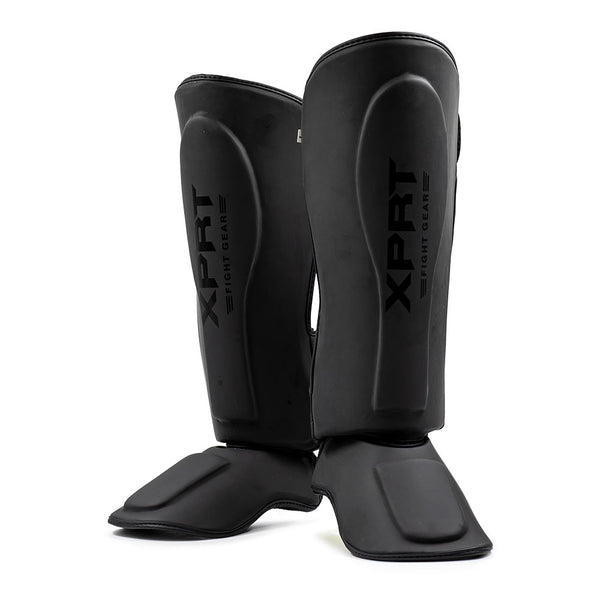
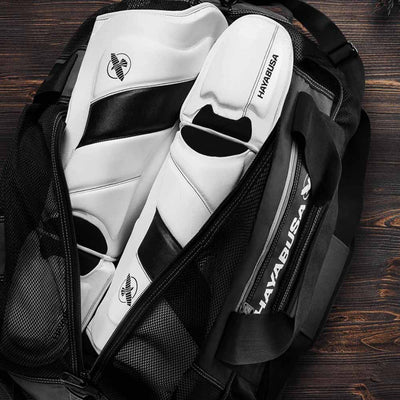
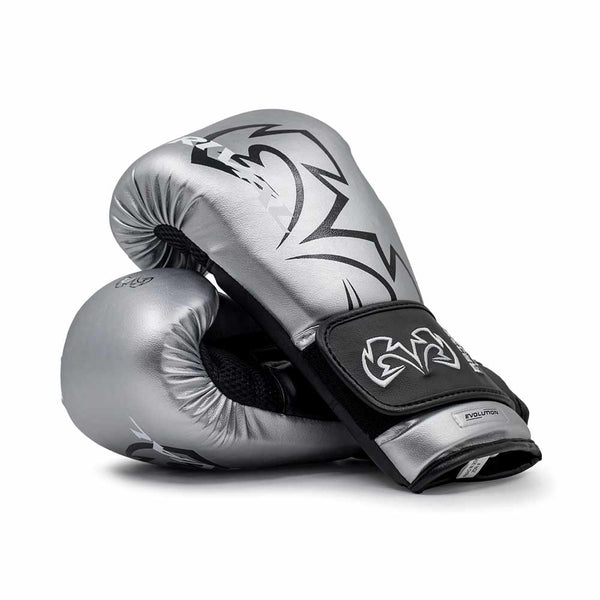
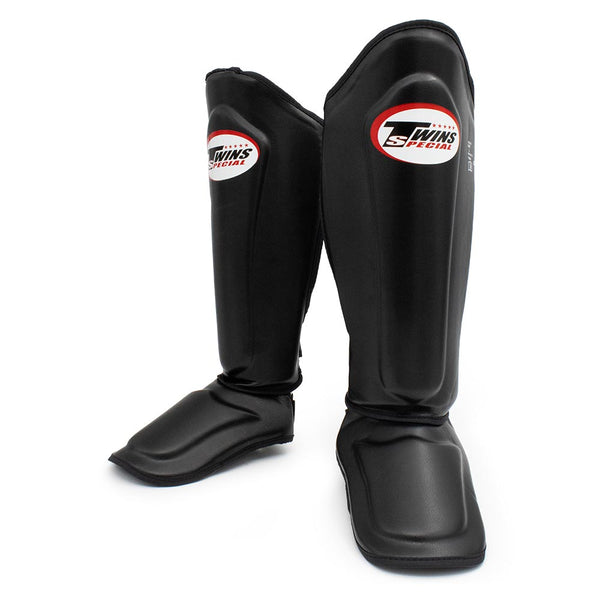
If you need your own equipment, choose it for the type of training. A mouthguard, for example, is not the same as a glove or shin guard: each serves a different purpose. No piece of equipment replaces clear agreements about the drill and contact.
Expect instruction and repetition, not an audition
A first class may include a warm-up, instruction, individual drills and work with a partner or equipment. The exact structure varies. What doesn't have to vary is your role: you're there to learn, not to prove you can already do what everyone else does.
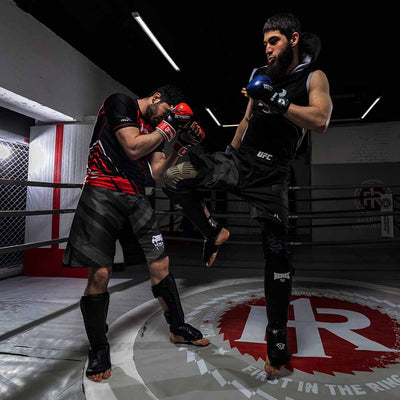
In a stand-up martial art, the starting point can be very small: how you stand, where you keep your hands and how you return to your stance after an attack. In a sport involving throws or groundwork, you might start with positioning, moving on the mat and basic agreements about working together.
A straightforward drill gives you room to focus on learning. When repeating a jab, you can pay attention to your feet, distance and stance. Practicing slowly helps you combine these elements more smoothly over time.
So it's normal to need an explanation again. It's better to ask a specific question than to guess your way through an entire drill: 'Where should my front foot stay?' or 'Do we switch after every repetition?' That way, you can get straight back to it.
Work with a partner, not against a stranger
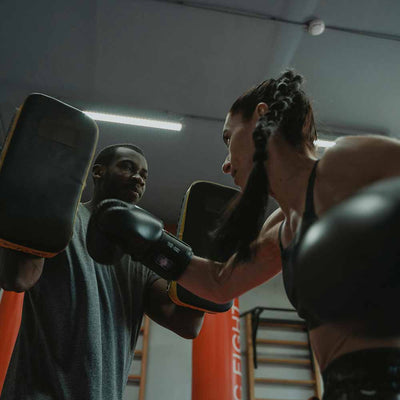
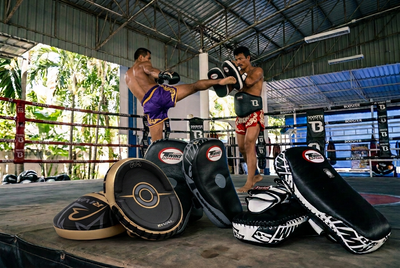
Many drills only work when two people follow the same instructions. For example, one person presents a target and the other performs the technique. Or you take turns practicing an attack and an agreed response. That is different from both trying to win.
Agree on who starts, when you switch and what you'll practice. Keep it straightforward. A partner who keeps adding something unexpected changes the exercise. That may be part of a particular training format, but it shouldn't silently become the new rule.
'A little slower, please' is a normal training request. You don't have to match the pace or level of contact of someone with more experience. An exercise only works when both participants understand what they're supposed to do.
If you're not on the same page, pause the exercise and ask the instructor to help. Perhaps you've understood the instructions differently, the pace isn't right, or you need to be paired differently. Get clear on the exercise first, then continue practicing.
Practicing technique is not the same as sparren
In a technical partner drill, the attack and the other person's response may be agreed on in advance. Sparren gives participants more freedom to choose their own actions, within agreed rules and contact limits. That distinction matters more than whether two people happen to be facing each other wearing gloves.
A beginner's class doesn't have to revolve around open sparren. Ask in advance how the gym handles it and what experience or preparation is expected. That way, the word 'training' won't mean something different to you than it does to the group.
Your first class doesn't have to become a competition. The goal isn't to find out how much contact you can take or to keep up with an experienced participant. You're there to get to know the sport and the teaching style.
Even later on, 'we sparren' is too vague to be the only agreement. Which techniques are included, how much contact has been agreed on, and how do you stop or make adjustments? These are practical parts of the training format, not details that matter only to people who want to compete.
Build a routine you can actually stick to
After an enjoyable trial class, it's tempting to fill your schedule with training sessions right away. Start instead with a routine that fits into your existing week. A regular class where you can practice with focus is a more concrete start than an ambitious schedule that disappears after the first busy workweek.
You don't need to compare yourself with someone who has trained for years. That person recognizes instructions and movement patterns that are still new to you. Focus instead on your own development: do you understand the exercise more quickly, lose track of the sequence less often, or find it easier to return to a good stance after a movement?
Progress can be small and specific. 'I now know when we switch and can perform the combination calmly' is more useful than a general intention to get much better. Choose something you can actually recognize during class.
There is no set number of classes after which every beginner reaches the same level. Background, training style and available time vary. Give yourself room to learn the sport without turning every training session into a test.
Respect shows in your behavior, not just in a bow
Every gym or dojo has its own customs. Sometimes you bow when stepping onto the mat; sometimes class begins with a group briefing. Follow the rules, but also pay attention to everyday behavior: listening during instructions, handling equipment carefully and being considerate of your partner.
Practical care is part of it too. Arrive with clean clothes and well-maintained equipment. Do not absentmindedly pack away used gear while it is still wet in a closed bag after training. Follow the rules on jewelry, nails and the training floor so that minor annoyances do not keep disrupting class.
Respect does not mean you have to accept humiliation or intimidation. Correcting a technique is different from making fun of someone. Discrimination, threats, abuse and sexual misconduct are not part of a sporting culture you simply have to put up with.
The Martial Arts Authority also describes ways to speak with a confidential contact person if you experience inappropriate behavior. You do not have to rely solely on the trainer or gym owner for help. The page on confidential matters lists the current points of contact.
Afterwards, assess more than how tired you are
A training session can feel tough without teaching you much. Conversely, a calm technical class can make a lot clear. So tiredness is not the only measure of a successful introduction.
Ask yourself whether you knew what to do, whether you could ask questions and whether the level of contact matched the explanation. Did they take into account that you were new? Do you want to keep practicing, or did you mainly feel pressured to take part in something you had not chosen?
A trial class is also a chance to get to know the class culture. You do not have to decide after one evening whether an entire martial art is right for you. You might like the sport but want a different group, class time or style of instruction.
Make your next step concrete. Book the same beginner class again, try another discipline or compare a second gym. That way, choosing becomes an experience you can assess, rather than an endless search for the perfect sport on a screen.
Start responsibly, not perfectly
You do not need to master techniques, sports jargon or a collection of gear before your first class. Start with a suitable group and a few clear expectations: what will you practice, what kind of contact is involved and what should you bring?
A good start gives you room to be a beginner. Instruction, repetition and working with a partner are not detours from the sport. They are part of learning.
Choose a class that helps you discover what you enjoy, then build your routine and gear from there. With clear instruction, suitable equipment and a group you enjoy returning to, your sporting journey gets off to a good start.