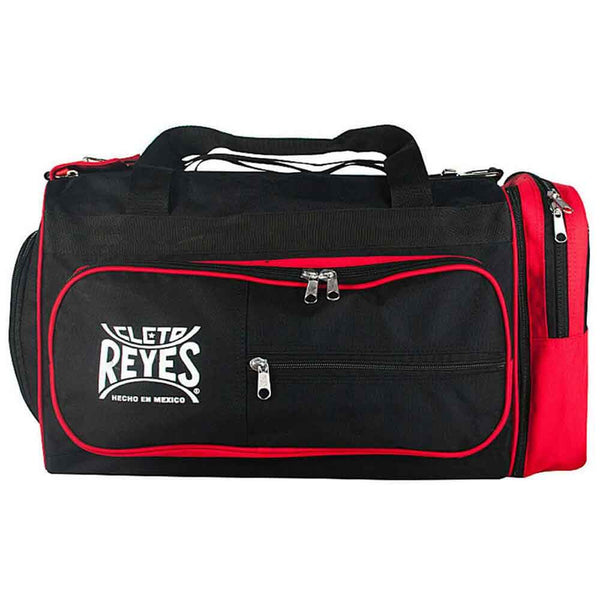
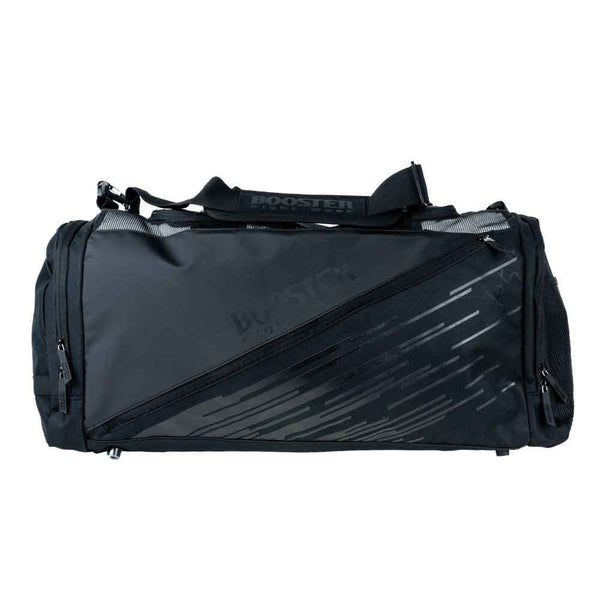
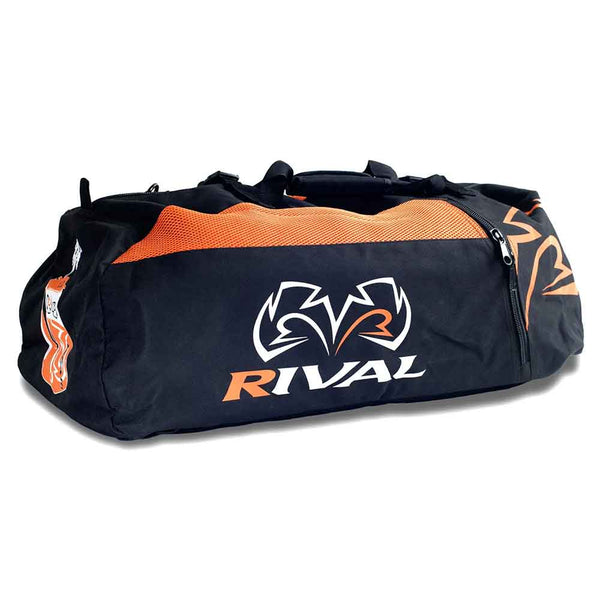
You unzip your bag, grab your handwraps and you’re ready to start. Your gloves are where you expect them, your water bottle is within reach and a clean shirt is waiting for you afterwards. That’s the real value of a gym bag: it turns a collection of loose items into a set of gear that travels with you easily.
That difference is especially noticeable in martial arts. Gloves, shin guards, clothes and a towel all have their own shape and their own place in your training. A gym bag gives each item a set place. You can carry everything neatly, keep used gear separate on the way home and make unpacking much easier.
So why use a gym bag? Because its convenience goes beyond getting out the front door. It starts with stress-free packing, helps you on the way and in the changing room, and carries through to getting ready for your next session.
All your training gear together
A training evening involves more than your time on the mat or at the punching bag. You come home from work, grab your gear, travel to the gym and get changed. Afterwards, you do it all in reverse. A dedicated gym bag ties those moments together: everything you need for training travels together.
It makes the little things easier, too. You won’t put your handwraps among your work clothes one day and at the bottom of a shopping bag the next. Your mouthguard case has its own familiar compartment. When you’re changing, you won’t have to search through several bags for a towel. You open one bag and see what you’ve brought.
Having a set place for everything also helps when you’re getting ready. A glance inside your bag shows whether your gloves, clothes and small accessories are there. Before you leave, check what’s inside. After training, take care of what you’ve used, then restock the bag with what you’ll need next time. That makes your bag a practical part of your training routine.
The good thing is that you don’t need a complicated storage system. An easy-to-access main compartment, a few conveniently placed smaller pockets and a layout you use consistently can make a big difference. You spend less time searching and can keep your attention on your training.
A calmer routine, a clearer head
You might know the feeling: you’re almost out the door when you suddenly wonder where your handwraps are. You check the laundry basket, head back upstairs, and then discover at the gym that you left your towel at home. Keeping a dedicated bag and packing it in the same order makes getting ready easier.
Keep the items that have a permanent place separate from those you put back after use. A dry, clean mouthguard case or training accessory can go back in its own compartment after care. Set out clean clothes and washed handwraps for your next session. Let your gloves and protective gear dry outside the bag before packing them again.
That organization also helps when you do different types of training. You might pack different gear for boxing than for an MMA class. Your regular essentials stay the same, while you swap out larger items to suit the class on your schedule. A wide opening helps: you can see what’s inside without moving everything around first.
That way, a gym bag helps you prepare without turning preparation into a project. A routine that works for you is often the easiest approach. After a few training sessions, you’ll know what needs to go on top, which pocket is for small accessories and what to add just before you leave.
Stay organized on the changing room bench
In the changing room, you’ll notice how useful an organized bag can be. You need different things before training than afterward. If your towel and clean clothes are easy to reach, you won’t have to rummage through your protective gear while others change beside you. A bag with multiple compartments gives you more ways to keep those moments separate.
Give small items a place of their own. A zippered pocket for your keys and wallet keeps them from getting lost among your gloves. Keep your handwraps and mouthguard case where you can grab them as soon as class starts. Bottles should be tightly closed and kept upright, preferably in a dedicated pocket if your bag has one.
The difference is not just the number of pockets. A large main compartment is useful for bulky gear, while smaller compartments help keep accessories organized. A wide opening makes it easier to use that layout. The easier it is to put something back, the easier it is to keep things tidy.
One example is the Hayabusa Ryoko Duffle, with a mesh pocket for gloves, padded compartments for valuables and two bottle pockets. These features are useful in everyday life: different items each have a designated place. Choose an organization system that suits your gear, rather than a bag simply because it has the most pockets.
Practical examples of everyday convenience
What makes a gym bag convenient to use? Some athletes mainly want to pack quickly, while others want to carry their bag on their back or keep damp clothes separate after training. These four examples show how a specific feature can make your training day easier.
Fight2Win Travel: organized packing
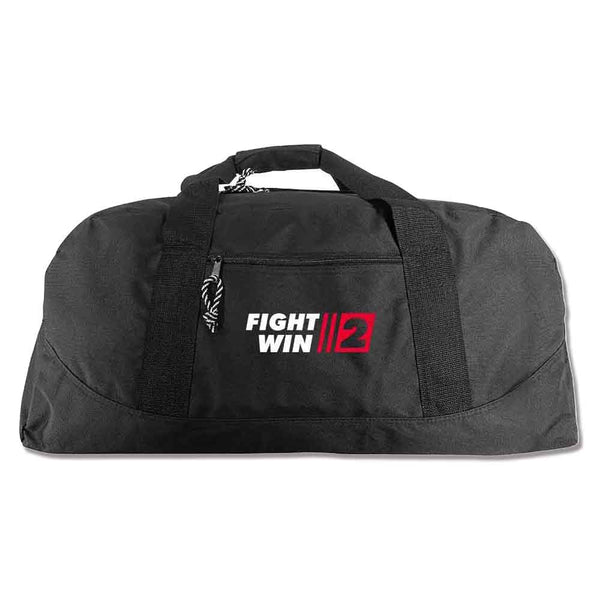
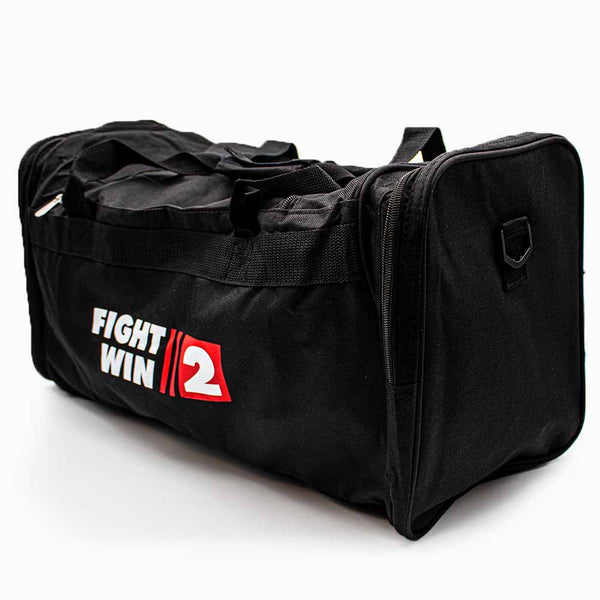
The Fight2Win Travel offers 50 liters of space in an easy-to-access duffel design. Slip pockets and zippered pockets help give small items a place of their own. With the handles and removable, adjustable shoulder strap, you can choose how to carry the bag. A practical option for your regular trip from home to the gym.
Booster B-Force: from shoulder to back
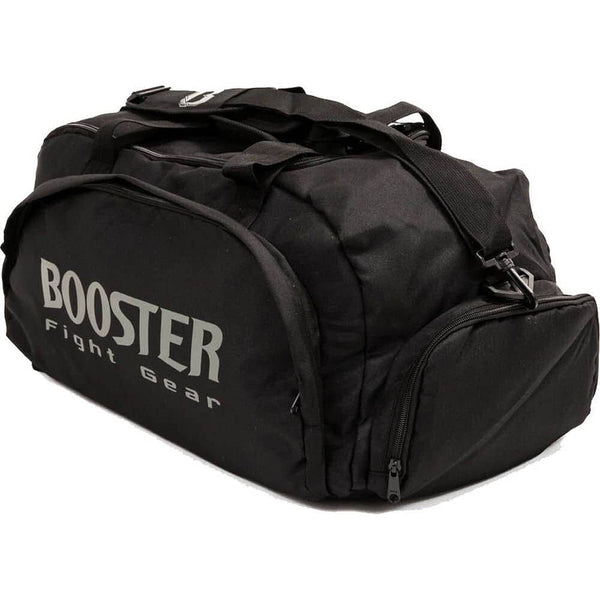
The Booster B-Force's stowable backpack straps give you another carrying option on the move. You can switch between the handles, carrying it over your shoulder and wearing it on your back. That's handy when you walk or cycle first, then want to carry the bag by hand when you arrive. Within the same range, you can choose between 32 litres in S and 43 litres in L.
Super Pro Gym: keep used and clean items separate
The Super Pro Gym's wet compartment gives damp clothes or a towel a separate place on the way home. This keeps the rest of the bag neatly separated from items used after training. The two sizes offer 40 and 75 litres, giving you the same practical layout whether you carry less or more gear.
King Elite Lab: combining work, study and sport
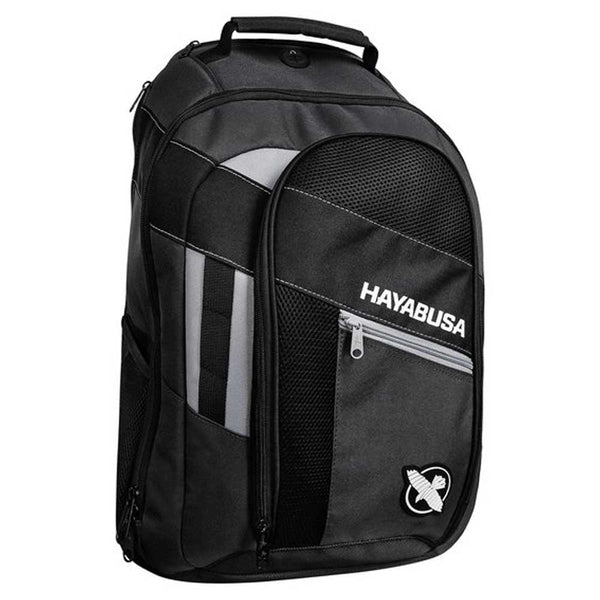
A laptop and tablet compartment makes the King Elite Lab a good choice when your training day starts on the move. You can carry what you need for different destinations in one backpack. Its capacity expands from 30 to 55 litres, giving you extra space on busier days. The padded back helps make it comfortable to carry.
Give your gear the space it needs
Boxing gloves aren't a stack of T-shirts. They take up space, hold their shape and often travel with other bulky gear. For kickboxing, there are also long shin guards to fit in. A gym bag lets you arrange these items sensibly, with clothes and smaller essentials in the spaces between.
That makes packing easier than having to keep pushing things in and rearranging them. Position your protective gear so it keeps its shape and the zip closes without force. A little spare space helps you find what you need and makes packing up after class easier too. By then, your handwraps are unrolled and your clothes are folded differently than they were at home.
Capacity is about more than litres. A bag's length, opening and compartment layout all determine how usable the main compartment is. A longer compartment can be useful for shin guards. For a compact boxing kit, a smaller bag with an easy-to-access opening may help you keep things organised.
Consider your gear as a whole. If you bring two pairs of gloves, headgear or clothes for two classes, extra space is practical. The aim is a bag that holds your gear comfortably and is easy to use. The largest size makes sense when you need the space; a compact size is great when it fits your training kit.
Clean on the way there, used items separate on the way back
On the way to training, your clothes, handwraps and towel are clean. On the way back, it's a different story. That's when a well-designed gym bag proves its worth. A separate compartment for used items helps you keep everything organised without your damp shirt touching your clean clothes.
A wet compartment is meant to keep things separate temporarily while you’re on the go. For example, you can put your used towel and workout clothes in it, then take them out together when you get home. A separate, suitable bag inside your sports bag can also help you keep clean and used items apart. Make unpacking part of your routine when you get home, and it stays simple.
Mesh serves a different purpose. The open material allows air to reach the contents more easily. That’s useful for a glove compartment or a ventilated panel. A model such as the Booster Performance combines a mesh top with a water-repellent wet compartment: airflow for some items and temporary separation for others.
Once you’re home, take your gloves and protective gear out of the bag to give them some air. Wash and dry used clothing and towels according to their care labels. That way, using your bag and caring for your gear go hand in hand: the compartments help during transport, while unpacking and cleaning prepare your gear for the next training session.
Easier to carry along your route
A bag shouldn’t just be easy to open on a bench. You also take it through an entryway, across a parking lot, to the station or on your bike. The carrying options determine how convenient that is. Handles are practical for short distances and loading, while a shoulder strap or backpack straps offer other advantages.
A backpack keeps your hands free. That’s useful on a longer walk or when you need to grab other things along the way. Use both straps and adjust the bag so it sits securely against your back. Pack heavier items close to your back so they move around as little as possible while you walk.
A hybrid bag combines the easy access of a duffel with two backpack straps. You can switch how you carry it without repacking your gear. Stowable straps are handy: when you use the handles, you can tuck the backpack straps away. A standard long shoulder strap gives you another option, so consider which carrying style you’ll actually use.
Wheels can be useful when you have a lot to carry. On suitable surfaces, you can roll a wheeled bag instead of carrying it the whole time. You’ll still need to lift it on stairs and when loading it. The practical question is always the same: what makes it easier to carry your gear along your usual route?
Straight from work or class to training
A sports bag can help you fit exercise into a busy day. If your gear is already neatly packed, you can head straight to training after work or class. Your workout clothes won’t get lost among your everyday things, and you’ll know where your gear is when you arrive.
It’s also important to keep different types of items separate. A laptop needs a different place from a water bottle, while used clothing should be kept apart on the way home. A backpack with a dedicated laptop compartment can help with that. Check the stated compartment dimensions when comparing bags if you want to carry a specific device.
Even without a laptop, a consistent layout is helpful. Your everyday small items stay in their pocket, your training kit goes in the main compartment and your clean shirt remains easy to reach. That way, you don’t have to reorganize everything at the end of the workday. Your bag helps you transition between the two parts of your day.
How a bag looks matters too. Some athletes like a bold martial arts bag, while others prefer a more understated duffel or backpack. After all, you’ll take it to more places than just the gym. A bag you enjoy using is easier to make part of your daily routine.
Keep multi-day training and tournaments organized
At a tournament, training camp or sports weekend, the value of a well-organized bag becomes even clearer. You’ll have clothes for different occasions, perhaps extra protective gear and things for the journey. Sort them logically in advance, and you’ll find what you need faster when you arrive.
Pack according to when you’ll need things. Keep what you need on arrival or for your first training session within easy reach. Spare clothes and items for later can go deeper in the main compartment. Give used clothing a separate, designated place during the trip so your clean clothes stay organized.
An expandable bag can be handy when the amount of gear you carry varies. The Twins CBBT2 Travel 2.0, for example, has an expandable lower mesh compartment and hidden backpack straps. It shows how extra space and another way to carry the bag can go together. A wheeled bag, meanwhile, makes it easier to transport a lot of gear.
Ultimately, convenient travel comes down to a combination of space and organization. A large bag works best when you can also find what you’ve packed. By thinking through your training plans in advance, you’ll know which items belong together and which you’ll want to access along the way.
Six steps to a smoother bag routine
A bag is most convenient when you use it in a consistent way. These six steps follow on from one another, from getting your kit ready to preparing it for next time. That way, your bag becomes a useful part of every training session.
- Get your training kit ready. Lay out what you need for the planned class. Think gloves, any protective gear, clothing, handwraps, a mouthguard, a towel and a water bottle.
- Pack the bulky items first. Give your gloves and protective gear a logical place. Fill empty space with soft clothing and keep the closure easy to reach.
- Give small items a designated pocket. Always put your keys, handwraps and mouthguard case in the same place. Make sure bottles are tightly closed before packing them.
- Separate used items after class. Put damp clothing and your towel in the designated compartment or a separate suitable bag. Keep clean clothes separate from them.
- Unpack as soon as you get home. Take out your clothes for washing and let your gloves and protective gear air out outside the bag. Open the wet compartment and smaller compartments too.
- Get ready for next time. Pack your bag again only when the bag and your gear are dry. Add clean clothes and handwraps, and check what you need for your next class.
Having a set place for everything makes that routine feel more natural. Keep what works well. Move anything that keeps ending up in an awkward spot. That way, your system adapts to your training.
A fresh bag is part of good gear care
A well-maintained gym bag makes it more pleasant to take your gear with you again. After training, start by removing damp items. Leave the main compartment and other pockets open to dry in a well-ventilated area. Check corners and separate compartments too, where a damp towel may have been.
Remove loose dirt and wipe dirty areas with a soft, slightly damp cloth. If needed, use a mild cleaner suitable for the material and test it on an inconspicuous area first. Then let the bag dry completely before packing it again. Avoid direct heat.
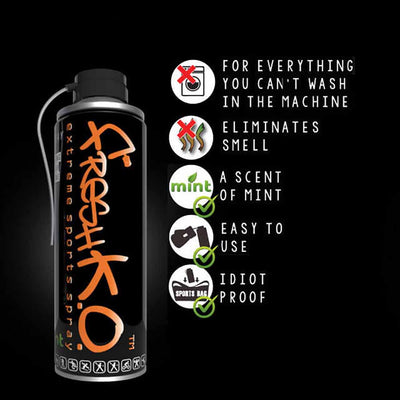
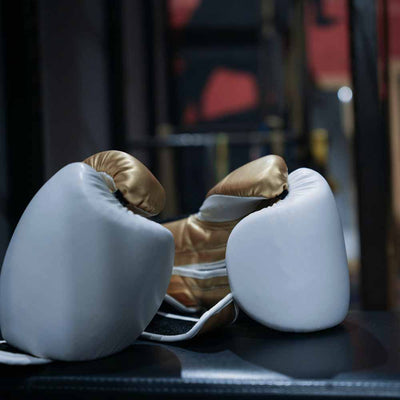
Give the same attention to what is inside. Boxing gloves should not go in the washing machine, dryer or under water. Wipe the outside with a soft, slightly damp cloth and care for the inside appropriately. Deodorizers can be a useful addition. A suitable glove spray is intended for use inside, not on the outside of gloves or protective gear.
For clothing and towels, follow the care label. The CDC emphasizes that athletes should wash and dry used textiles after use. In everyday practice, that mainly means taking used items out of the bag and caring for each item properly. The bag helps you stay organized; you then care for the contents as needed.
Why how you carry your bag matters
If you regularly walk with your gym bag, it is worth looking at how you carry it as well as what is inside. Two straps, a proper fit and securely packed contents let you carry the bag differently than you would with a single shoulder strap. Your usual route determines which options you use most often.
In 2025, researchers studied how 26 healthy adults walked while carrying different types of bags. The participants walked for ten minutes in each condition, carrying a backpack, shoulder bag or crossbody bag, among others. The researchers found differences in walking measurements, including greater asymmetry in some measurements when carrying a bag on one side. The weights varied somewhat between conditions.
A 2023 biomechanical computer simulation also examined different ways of carrying a bag. For the body model used, carrying it as a backpack produced a more balanced distribution and a lower calculated load than the one-sided methods studied. It was a simulation in a standing position, not a real-world test of martial arts bags.
The practical takeaway is simple: pay attention to how you carry and pack your bag. Adjust the straps to fit, keep heavy items close to your body and choose a carrying option that suits the distance and your comfort. Consider that alongside space, compartments and appearance.
Which features would make things easiest for you?
Once you know why you want to use a sports bag, comparing options becomes easier. If staying organised matters most, look at how the bag opens and how its compartments are arranged. If you want to keep your hands free, look for backpack straps. If you often bring damp clothes home, a separate compartment is a useful feature. That way, each feature has a clear purpose in your day.
Start by gathering your usual training kit. See which items take up a lot of space and what you want to grab quickly. Then compare the exact model, listed capacity and dimensions. S and L depend on the model: Booster B-Force has capacities of 32 and 43 litres, while Super Pro Gym has capacities of 40 and 75 litres. So the size letter alone doesn’t tell you how much space you’ll get.
With expandable models, it’s also worth looking at both the regular and expanded configurations. Extra space is useful on a long training day, while on other days you can carry a more compact bag. Size charts are guidelines, not definitive advice.
Ultimately, keep it practical. How do you travel, what do you need to bring and what do you want to find easily on the go or in the changing room? Those three questions help you identify the features you’ll really appreciate. Brand, colour or a retro look then comes down to your personal preference.
A sports bag makes more than just transport easier
A sports bag gives your gear a dedicated place and makes your training day easier to manage. You can pack in a familiar way, find your things more easily and keep clean and used items separate on the go. With a suitable carrying option, you can take the bag comfortably wherever you’re headed.
That convenience continues after the last round. When you unpack at home, take care of your gear and lay out clean things for next time, you’re already preparing for your next training session. The bag ties all those steps together, from leaving home to returning.
That’s why a sports bag is such a practical addition to your gear. Not just because everything fits inside, but because it makes your gear easier to manage. Choose the space, layout and carrying options that suit your training, and give your things a place that works for you.