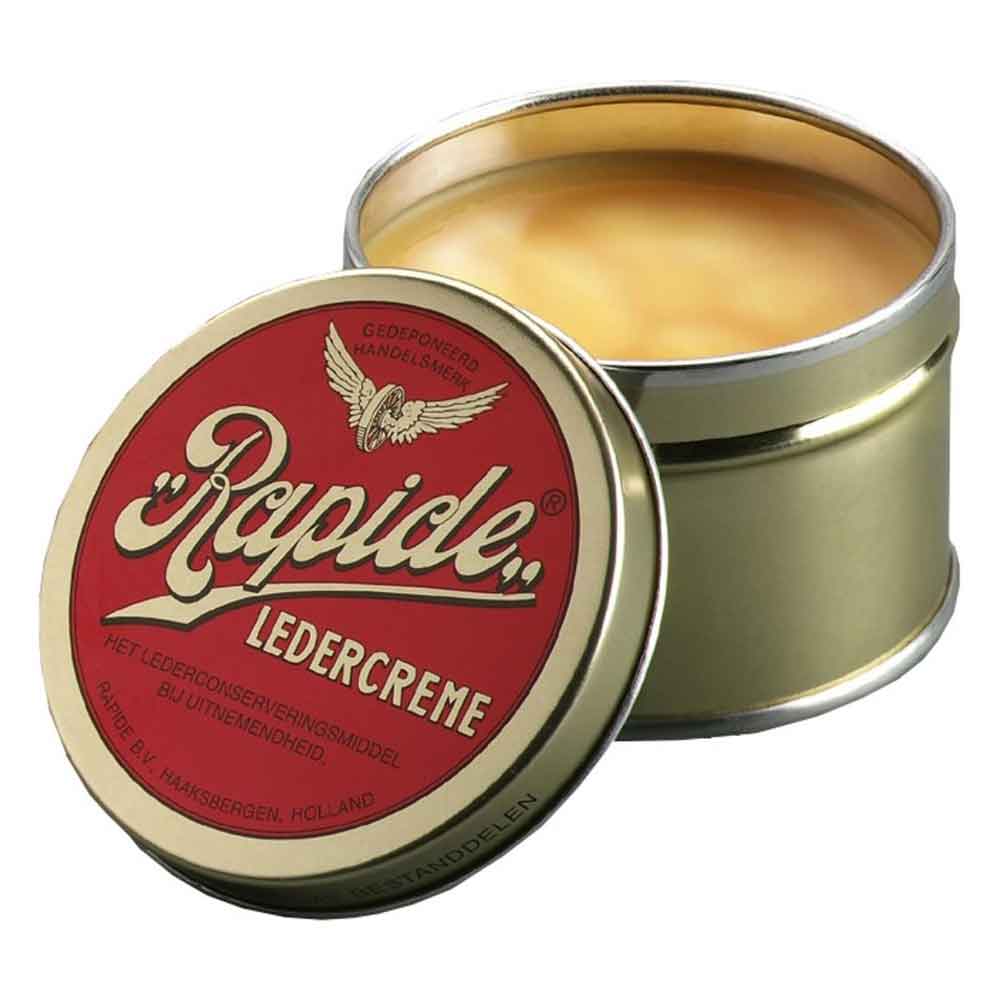
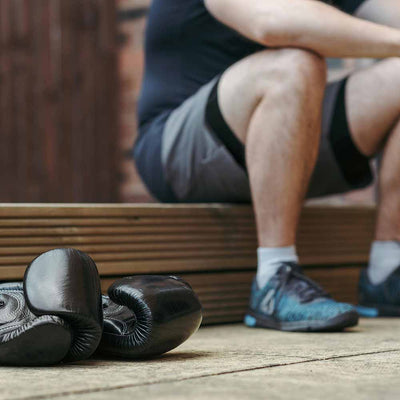
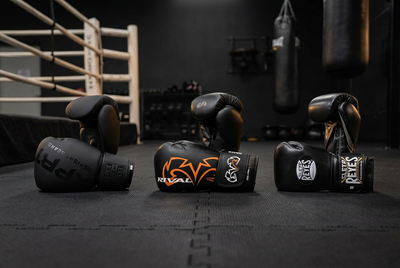
Leather boxing gloves, bag gloves and headgear deserve better than being left at the bottom of your gym bag. With a soft cloth, a little attention and a thin layer of suitable leather cream, you can keep the leather exterior in good condition. We use Rapide Original for this. Below, you’ll learn which materials to treat, how to do it and what to avoid using on the exterior.
Why use leather grease on your leather equipment?
Leather flexes when you make a fist, put on your gloves or adjust your headgear. A supple, well-cared-for exterior feels better than leather that has become dry and stiff. Leather grease is intended to care for that leather and keep it supple. It is not a cleaner for the inside or a way to repair damaged padding.
If you train regularly, we recommend applying a thin leather treatment about once a month. You don’t need to wait until the leather feels stiff, but you don’t need to apply it after every training session either. Clean, check and treat only when needed: that makes maintenance a small, regular habit.
First, the material: smooth leather is different from microfiber
Use leather cream on a suitable smooth leather exterior. Do not apply grease to PU or synthetic microfiber. A glove can look like leather without being made of leather; the product description will help you tell the difference. Suede and nubuck are not suitable for the leather grease treatment described here.
Choose your care product based on both the material and the manufacturer’s care instructions. A leather exterior alone is not a reason to use leather cream. For its equipment, Rival recommends a cloth and a mild cleaner suitable for sports equipment, and advises against petroleum jelly, oils and heavy creams. Follow Rival’s own care routine for Rival models.
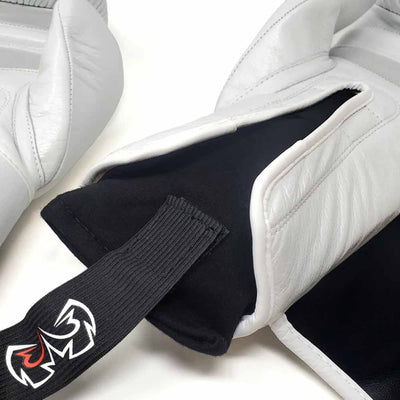
Check the individual parts too: a leather exterior does not mean the lining, ventilation panels and fastenings need the same care. Keep cream off those parts. With colored leather and printed surfaces, always test it on an inconspicuous area first.
Rapide Original: leather cream and leather grease are the same product here
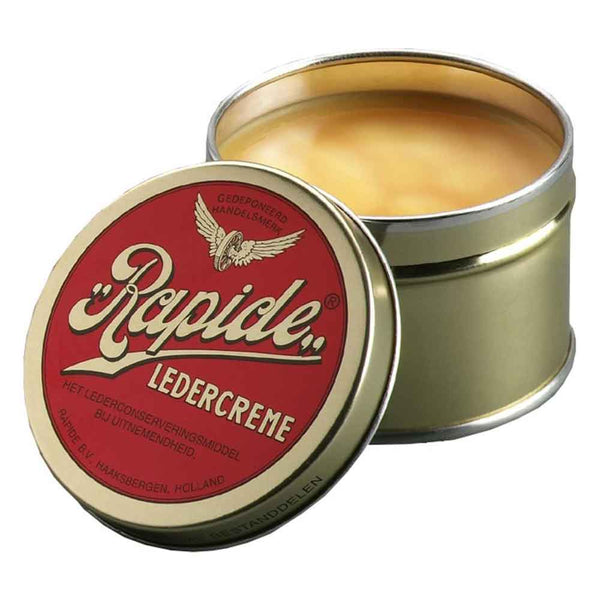
The tin says Leather Cream, while our online store lists it as Leather grease Rapide Original. According to Rapide, it is the same care product under different names. It contains mineral oils and waxes and is intended for the care of smooth leather.
Rapide is a care product for smooth leather. Use it when the material finish and care instructions for your item allow this treatment. Apply a small amount, spread it thinly and wipe away any excess. This keeps leather care simple and targeted.
Care for your leather exterior in six steps
- Check the material, care instructions and condition. Treat only smooth leather for which this care is suitable. Check the seams, closures and any damage at the same time. Cream cannot repair damaged padding or loose seams.
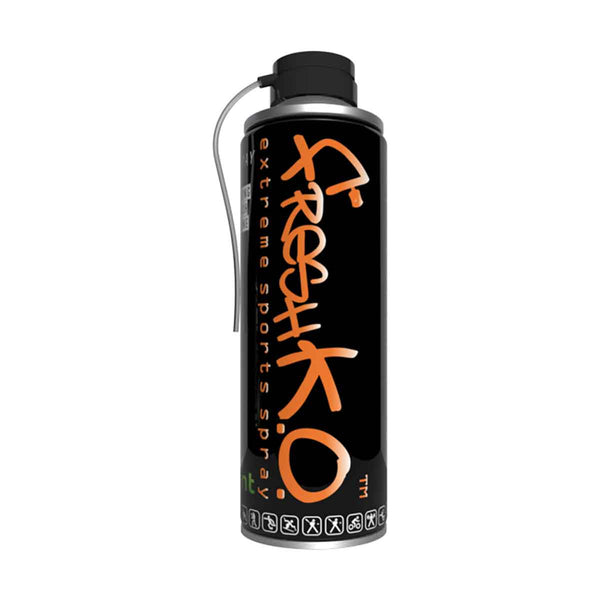
- Clean the exterior. Use a soft, slightly damp cloth and then let the leather dry. Do not use Sukkiri or FreshKO on the outer material, and do not submerge your equipment.
- Test on an inconspicuous area. Rub in a small amount of cream there and check the result before treating a larger area.
- Apply a thin layer. Put a little Rapide on a soft cloth and spread it over the smooth leather. Keep the cream away from the lining, padding, openings and closures.
- Let it absorb and wipe away any residue. Use a clean, dry cloth. The surface should feel cared for, not be covered by a visible layer of grease.
- Check before training again. It is best to treat your equipment after training. Before your next session, check that the material is dry and does not leave greasy residue on your hands, training partner or punching bag.
How much cream should you use, and when can you train again?
Start with a small amount. You can always spread a little more over a dry area, while a layer that is too thick just means more wiping. Put the cream on your cloth rather than applying a large amount directly to the glove. Work carefully across the different leather surfaces and wipe away any residue once the cream has absorbed.
Our practical advice: do this after training and leave your equipment at room temperature until the next day. Then check the result. If the exterior remains greasy or sticky, wipe away any remaining cream and do not use the item for training yet. A radiator, hair dryer or hot car will not speed up the treatment.
Leather bag gloves: care for the exterior, check the striking surfaces
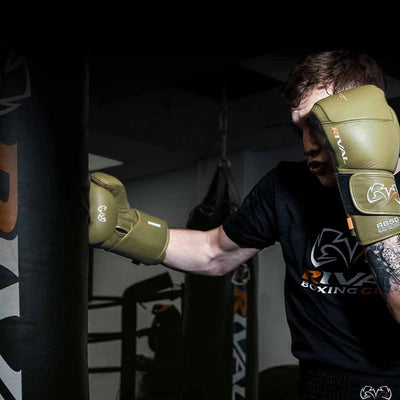
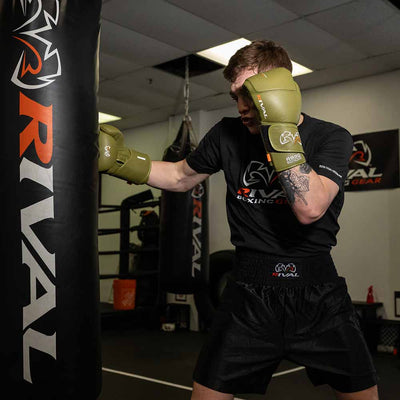
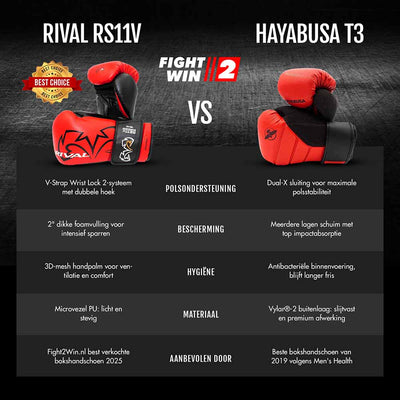
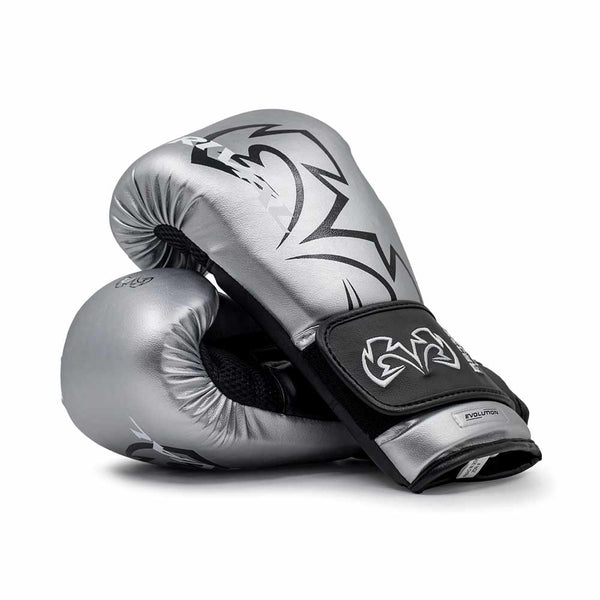
During bag training, the striking surfaces repeatedly come into contact with the punching bag. Wipe away dirt after training and check the leather before treating it. Our Fairtex bag gloves with open thumbs, for example, are made of cowhide; that is a different material from the synthetic microfiber used in the Rival RB11 Evolution.
For a leather model whose manufacturer permits this treatment, spread a thin layer of cream over the suitable outer leather surfaces. Do not fill seams, ventilation holes or thumb openings with cream, and keep the closure clean. When checking the glove, pay attention to wear on the striking surface, but do not try to repair peeling material or a tear with extra grease.
Do not train on the punching bag again until the surface no longer leaves greasy residue. Caring for the outside is separate from drying the inner lining: take your gloves out of your bag after training and let them dry thoroughly inside too.
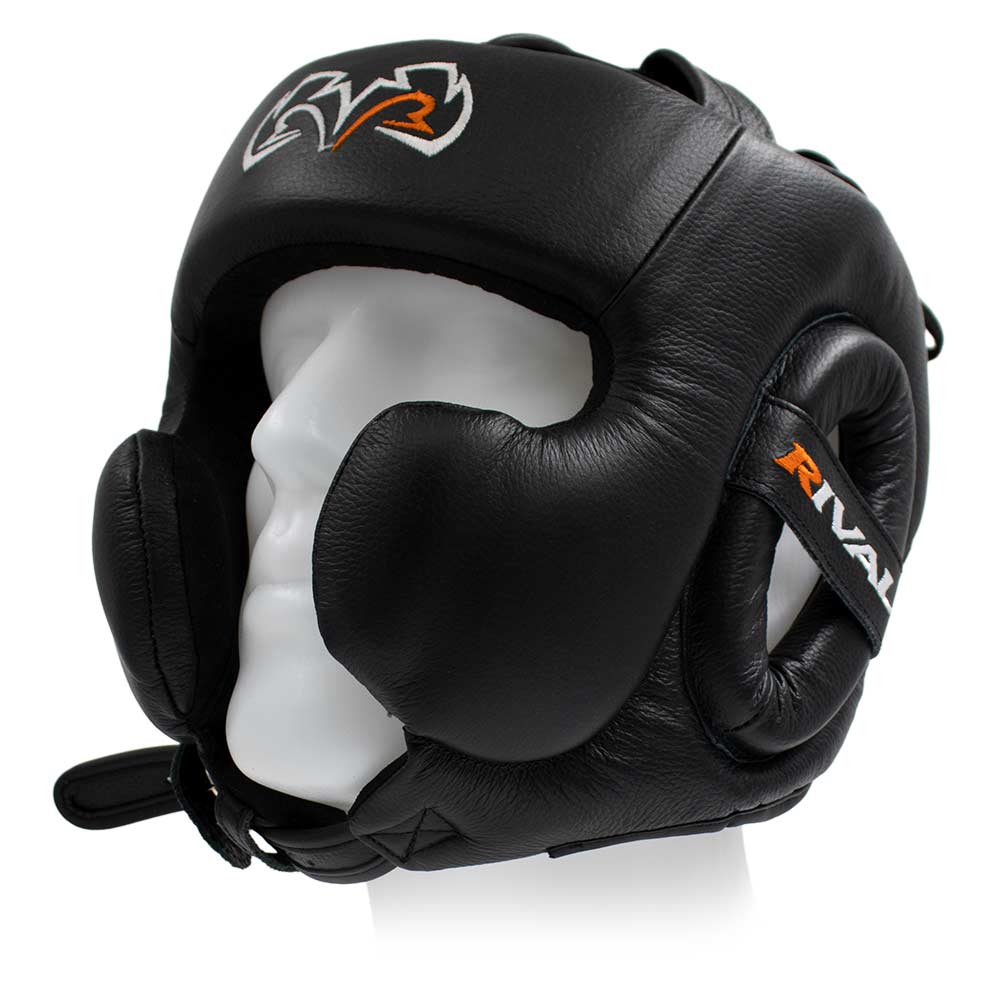
Leather headgear: grease only the appropriate exterior areas
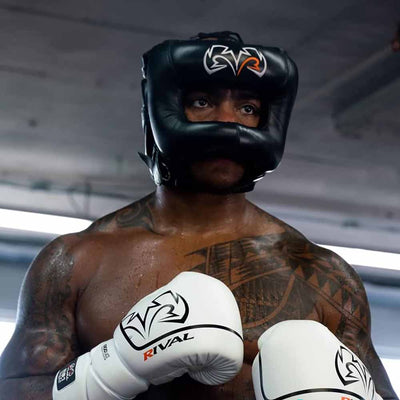
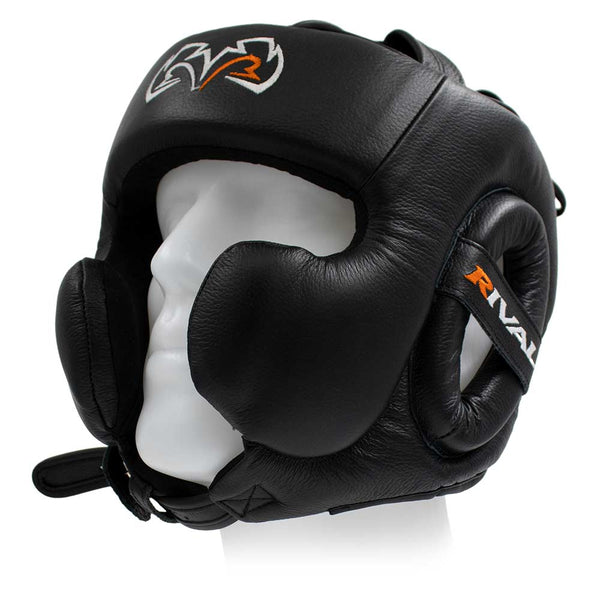
Leather headgear also benefits from attention to its exterior. Clean it first and let it dry. If leather treatment is compatible with the care instructions for your model, apply a thin layer to the suitable smooth leather. It has more nooks and crannies than a glove, so use your cloth to work on individual sections rather than coating the whole item generously.
Keep the inner lining, padding, chin strap, laces and hook-and-loop fasteners free of leather grease. The parts that touch your face must not become greasy, and the fasteners must keep working properly. Carefully wipe away any residue along the edges. Do not use the headgear again until no cream rubs off.
Not all headgear is made of leather. Clean a synthetic exterior and let it dry, but do not grease it. Leather care also cannot make worn padding or a broken closure usable again: keep checking the entire headgear.
Outside and inside: don’t use the same product everywhere
Do not use Sukkiri or FreshKO on the outer material of your gloves or headgear. Not even if the exterior is made of PU or synthetic microfiber. In this routine, a sports spray is no substitute for the soft, slightly damp cloth you use to wipe down the outside.
Keep the care routines separate. Clean the outside with a cloth; care for suitable smooth leather with Rapide as needed. Sukkiri is our first choice of spray for caring for the inside of your gloves; FreshKO is the alternative. Let the lining dry thoroughly after use. Leather cream should not go inside the glove.
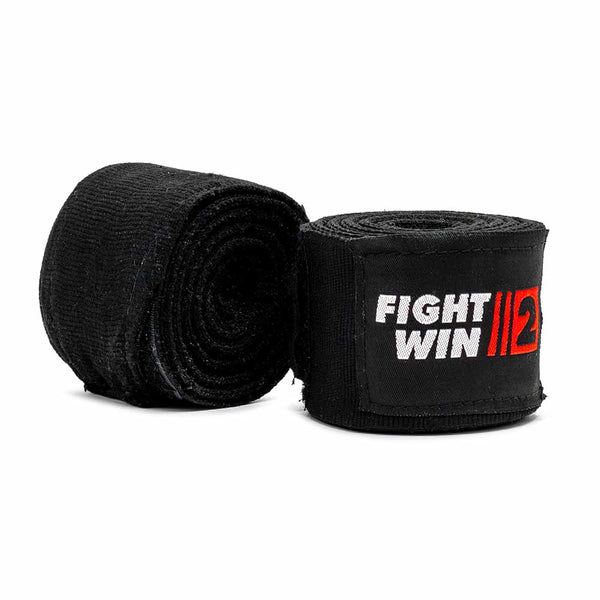
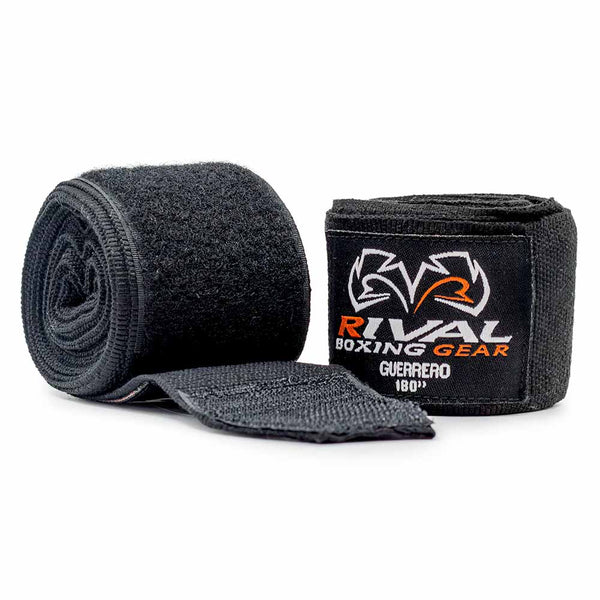
Use clean handwraps or inner gloves when training, and a deodorizer while your gloves dry. This also gives the inside some attention, without spraying the leather exterior or applying grease to the lining.
Check your leather equipment and care for it as needed
If you train regularly, we recommend applying a thin layer to suitable smooth leather about once a month. This is our practical Fight2Win guideline. For example, make it a regular check-in when you clean and inspect your gloves and leather headgear.
If the leather feels dry or stiff, check it sooner. If it's still supple and has a layer of care product on it, skip another treatment. The goal is well-cared-for leather, not an ever-thicker layer of cream.
Even if you're not training for a while, it's wise to check your gear occasionally. Don't automatically apply an extra-thick layer of grease before storing it. Clean it, let it dry thoroughly and check the condition of the leather.
Common mistakes: applying too much or treating the wrong part
The most common misconception is that more cream means better care. A thick layer left sitting on the surface isn't what you want. Wipe away any excess and use less next time.
Another mistake is treating everything the same way: a leather striking surface, synthetic ventilation panel, inner lining and hook-and-loop closure all serve different purposes. Let the material guide you. Don't put damp gear back in a closed bag or try to hide damage under a fresh layer of cream.
After care: store dry, ventilated and away from heat
Let your gear dry at room temperature, with space around it. Not on a radiator, in a dryer or in a hot car. Do not wash boxing gloves in the washing machine or submerge them in water.
Put your gear away only when both the outside and inside are dry. Keep your tin of leather cream tightly closed and store it in a cool, dry place, away from heat and direct sunlight. Keeping a cloth with your care products also makes the next care session easier.
Conclusion: apply a thin layer, rub it in well and keep the inside and outside separate
For leather boxing gloves, leather bag gloves and leather headgear, the basics are the same: clean them, let them dry, test a small area and apply a thin layer of care product to the appropriate leather exterior. Rapide Original is our choice for treating that leather, provided the manufacturer allows it for your model. Rival advises against oils and heavy creams; follow its own care instructions for that gear. If you train regularly, start by checking it about once a month and treating it where needed.
Keep the different parts clearly separated. No leather grease on PU, synthetic microfiber, lining or fasteners. No Sukkiri or FreshKO on the outer material. That way, you use each care product where it belongs in this routine and won't turn up to your next training session with greasy or still-damp gear.