Most people see only the ring. The punches, the kicks, the sweat on the canvas. They see the result, but not the minutes in the changing room when you check your bag for the third time. Not the moment your opponent’s name is announced and you suddenly become acutely aware of your breathing. Not the thought that pops into your head: have I done enough to be here?
That’s the other side of combat sports. You train your body to move under pressure, but you also have to learn where your attention goes when things get tense. To the crowd? To a missed punch? To everything that could go wrong? Or to the next action you can execute well?
A strong mental game takes shape in that last part. Through preparation, familiar routines and the ability to return to your plan after an interruption. Not just on fight day, but on an ordinary training night too.
Making room for nerves in your preparation
You can look forward to a fight and dread it at the same time. The chance to show what you’ve trained for comes with the uncertainty of facing a real opponent. You know which combinations you’ve mastered. You don’t yet know how your opponent moves, how much room you’ll have or what the first round will feel like.
There’s often more to it than just your opponent. Maybe your friends are in the crowd. Maybe you’ve been working toward this date for weeks. Maybe, above all, you want to prove you belong at this level. That can make a match feel much bigger in your mind than the task you need to start with.
A useful starting point is to recognize what’s happening without immediately judging it. Do you notice yourself rushing? Make your next step concrete. Finish your warm-up, check your gear at the agreed time and choose your first technical focus. That way, you make room for the nerves in your preparation instead of letting them dictate all of it.
What actually makes you feel outmatched?
Being outmatched can feel very real. An opponent looks bigger, moves faster or starts with a lot of pressure. It can also be an impression you form before the match: an impressive training video, a well-known competition record or a crowd that seems to be there mainly for your opponent.
Distinguish between what you observe and the story you tell yourself about it. “He keeps putting pressure on me after my jab” is information you can work with. “He’s better than me at everything” is a much broader judgment that doesn’t point to a clear next move. The difference isn’t about sounding tough, but about how useful your observation becomes.
You can develop that habit in the gym. After a drill, describe what actually happened: where did you lose distance, when did you stay in place, and when did your defense work? This makes a big, vague impression more manageable. What remains is a technical problem you can train to address.
Calm is knowing where to focus your attention
A calm fighter doesn’t have to have a blank expression. One moves around a lot, another says very little, and a third looks for a bit of lightness just before the fight. Appearances don’t tell you exactly how well someone is keeping their attention on the task.
In the ring, what helps most is information you can act on: distance, balance, your opponent’s stance, an opening and room to move away again. The more you constantly judge yourself, the more attention goes to commenting on the action instead of the action itself.
A brief cue helps you choose what to focus on. Think of bringing your hands back after a punch, moving after a combination, or regaining your position before attacking again. These aren’t complete fight plans. They’re familiar anchors that help you return your attention to what you’re doing in a high-pressure moment.
Choose those anchors well before fight day. That way, you’ll also know what it feels like to follow the cue correctly.
Make your preparation familiar
A routine is made up of actions that give you a sense of direction. You lay out your gear the same way, know when you’ll warm up, and use a familiar technical drill to get moving. Just before the start, you bring one key point back to mind.
That’s different from a superstition that everything depends on. A useful routine still works if the schedule changes, you have to wait longer, or the space is different from what you expected. The exact chair you sit in matters less than what that moment is for: getting focused, warming up, getting in sync and being ready.
A meta-analysis of pre-performance routines examined task-focused thoughts and actions before athletic performances, both under normal conditions and under pressure. The findings support practicing such routines. For a fighter, the practical takeaway is to develop a familiar preparation that fits both training and competition.
So try out your routine on a training day too. Then you’ll discover which parts really help and which just create extra hassle. Fight day then becomes a chance to use a routine you’ve practiced.
The words you tell yourself
During a round, there may be a second commentator in your head. It has opinions about your speed, your conditioning, your opponent and that one missed attack from twenty seconds ago. Sometimes that commentary helps. Sometimes it just keeps talking while you’re already dealing with a new situation.
Self-talk becomes useful when the words point to an action. “Hands back” gives you clear direction. So does “Move after the combination”. A long debate with yourself about how good you really are gives you less concrete information at that moment.
Research on self-talk in sport shows that practised self-talk strategies have beneficial effects on average. The task and how you practise matter. A technical cue, a motivational word and a complete fight plan are different things. So choose words that fit what you need at that moment.
You don’t have to overcome every unpleasant thought before you can move on. Notice the commentary and refocus on your task. That keeps your attention on a step you can take, without also having to produce a perfect inner monologue during the round.
Visualization: practise the execution, not just the victory
Imagining your hand raised after the result is announced can be motivating. But there is much more you can use for mental practice: your feet on the floor, regaining your stance after an attack, the moment you create distance and the instruction from your corner that brings you back to your plan.
Choose a situation you know from training. Imagine how you start, what you notice and how you perform the movement. Picture what happens next, too. After the combination, for example, you keep your balance or move off the line. That way, you mentally rehearse the whole action, including returning to a useful position.
Include a small disruption now and then. An attack misses, your opponent moves or you need to find your rhythm again. Then imagine how you resume the drill. That makes the mental imagery more than a film where everything goes right on its own.
A large 2025 review discusses mental imagery across a range of sports performances. That research provides a basis for using mental imagery alongside physical practice. For your martial art, draw specific scenarios from movements and drills you actually train.
The gym is also a place to train your focus
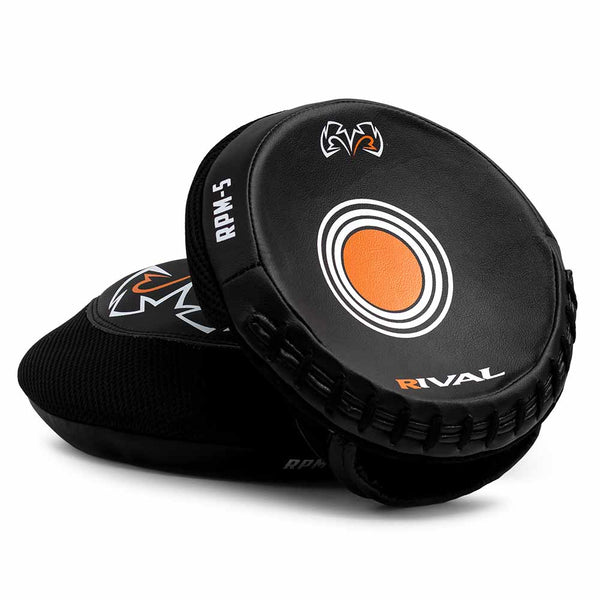
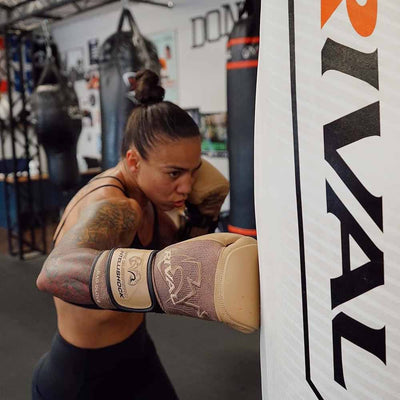
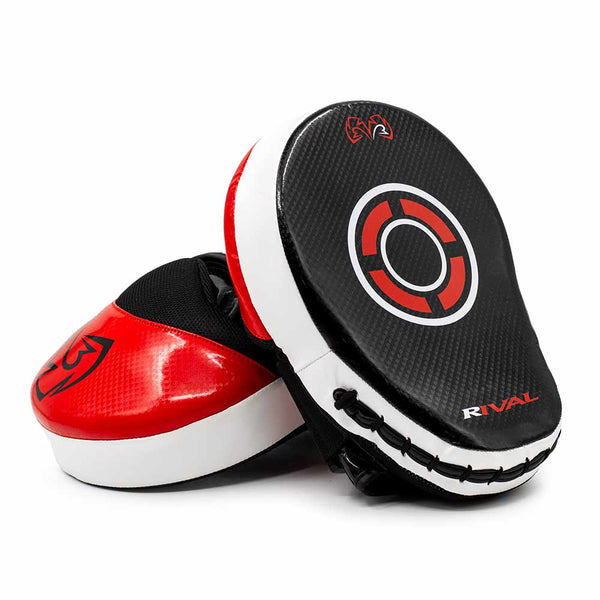
Bag and pad training lend themselves well to a clear mental focus. You can devote a round to bringing your hands back, repeatedly finding your position, or performing the last action as carefully as the first. That way, you train not just the combination but also your ability to stay with a task.
Make your focus point observable. “More focus” is hard to assess afterward. “Get back into a good stance after every combination” is something you can evaluate. Start with a straightforward exercise and add complexity once you can perform it consistently.
Even an ordinary interruption can teach you something. The timer goes off, you approach the exercise the wrong way, or a combination doesn't work out. How do you pick up the exercise again? By consciously recognizing that moment, you practice the mental shift you may need later in a round.
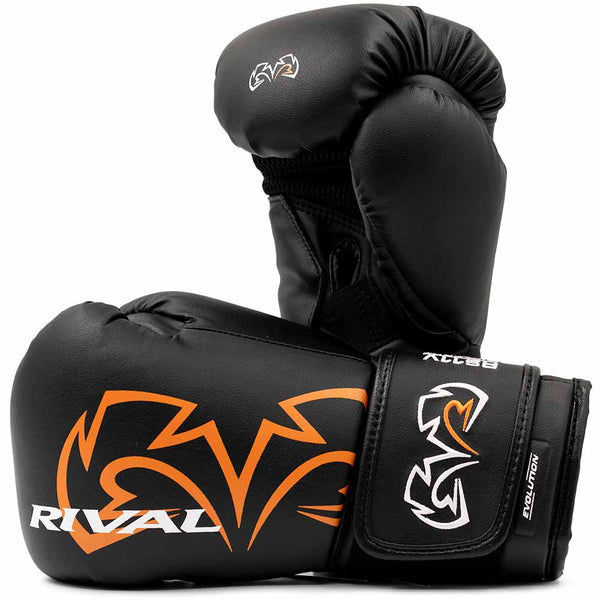
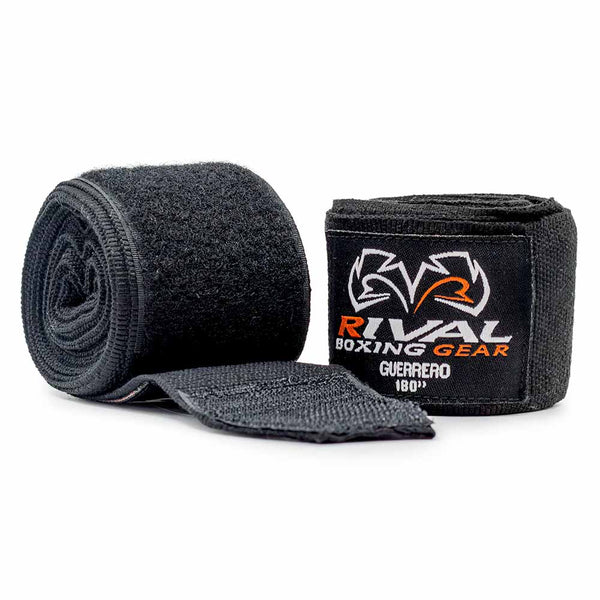
Appropriate equipment is part of that practical preparation. Gloves suited to your training, carefully applied handwraps, and suitable equipment for bag and pad training make the session feel familiar and focused. The mental work lies in the task you perform with them and the attention you keep bringing back to it.
After a mistake comes the next action
A mistake can stay with you longer than the action itself. You miss an opportunity and try to make up for it immediately. You lose your balance for a moment and get angry with yourself. Or you notice that you mainly want to show that the last action didn't affect you.
A practical reset starts small. First, get back into a good stance. Then find your distance. After that, return to the agreed task. It doesn't need to be a complicated ritual; its value lies in a familiar sequence that brings your attention back to the situation.
Practice this when you make technical mistakes in controlled training drills. A failed combination then becomes a chance to carry out your recovery action. You learn that a round is made up of successive moments, and you can still influence what you do next.
That is different from ignoring physical symptoms. If you have pain or symptoms after an impact, stop the exercise and report what is happening. Mental resilience means continuing to act thoughtfully, including recognizing when safety must come first.
The voice in your corner
Between rounds, you take in information from outside the action. Someone who isn't in the middle of the exchange can spot patterns you may not see as clearly: the same response after each of your attacks, an opening on one side, or a pace that leaves you stuck.
Good communication makes that information useful. One or two clear instructions are easier to take in than a full analysis while you’re still trying to recover and listen. It helps if the words are already familiar from your preparation.
That’s why it helps to coordinate before the fight. Which cues do you use together? What’s the first thing to focus on? And how do you tell your coach what you notice during the round? You build a shared language, so your corner can draw on something familiar during the fight.
Working together matters in training, too. On the pads, you can hear a cue, act on it, and immediately feel what changes. That gives the words a familiar movement, rather than just a meaning on paper.
Confidence has a foundation
There’s a difference between giving yourself a pep talk and being able to point to what you trust. A combination you’ve performed many times. A defensive move you’re getting better at recognizing. Preparation you’ve completed and a task you can keep following under increasing pressure.
Keep those experiences specific. After training, write down one thing you did well and one thing you’re still working on. That gives you a record of your progress that goes beyond how you happen to feel when you walk out the door.
Even a difficult session can offer useful information. Maybe you got back to your task more quickly after a mistake, or recognized sooner why a combination wasn’t working. Those are concrete things to build on in your next training session.
Progress then becomes something you can describe. You don’t have to turn it into a grand story about being unbeatable. You know what you’ve practiced, what you can fall back on, and what next step you want to take.
A practical mental competition routine
Keep your routine short enough to remember and clear enough to practice. The sequence below is a practical starting point. Adapt it to your sport, competition schedule, and preparation, and practice the key parts in the gym.
- Before you leave: get the basics ready. Check the gear you need and the arrangements at a quiet moment. Make sure you know what to bring and when you’re expected, so you don’t have to spend the last few minutes sorting out details.
- During the warm-up: stick to what you know. Use familiar movements and focus on your first technical priority. Repeat a short cue you also use in training.
- Just before the start: choose your first task. Focus your attention on a specific task, such as judging the distance and getting back into position after your action. Start with what you can do, rather than thinking through every possible competition scenario at once.
- Between rounds: take stock and refocus. Listen to the key instruction from your corner and carry the agreed task into the next round. Clearly tell your corner any relevant information about how you are doing.
- Afterwards: record one success and one thing to work on. Look at your execution and how you responded to changes, as well as the result. Turn what you learned into a specific task for your next training session.
The mental game matters even when there is no competition
These skills also have a place in recreational classes. Staying focused on a new combination, taking in an instruction and starting again after a messy round are familiar parts of learning to move. You can make progress in these areas without a competition date on the calendar.
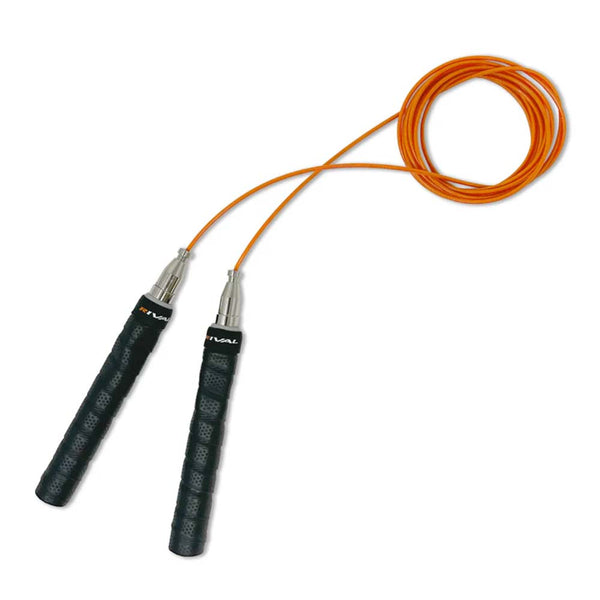
A clear training task gives you direction. On the punching bag, you can repeat a combination carefully; on pads, you respond to a partner and work on your execution. A jump rope is a practical addition for rhythm and warming up. These are different ways to give your training a clear structure.
Choose equipment that suits the way you train. For contact training, the right protective gear and agreed rules are part of your preparation. In the showroom, you can compare equipment and see how different models fit, making it easier to choose for your training.
What this has in common with preparing for a competition is the habit of training with purpose: knowing what you are practising, noticing when your attention drifts and returning to the next action.
More control, round after round
A fighter’s mental game shows in small decisions. How you prepare. Which information you take seriously. What you say to yourself and how you move on when an action does not go as planned.
Routines, focused self-talk and mental imagery give you ways to work on this. Training makes them familiar; competition asks you to use them when the moment feels bigger. That way, confidence has a foundation in preparation and execution.
At Fight2Win, the mental side is part of the full picture of martial arts. Alongside technique, fitness and the right equipment is the ability to observe, make choices and find your bearings again. That is where the difference emerges between being swept along by a round and consciously taking part in what is happening.