An Olympic judo medal, a sold-out boxing event, a UFC world title, a tactical chess match on the BJJ mat: women have made their mark on combat sports in all these arenas. Some became global stars. Other pioneers first had to help establish a competition program, a stage or a full-fledged title fight. Together, they have shaped a sporting landscape in which a girl starting to train can find many different role models.
The Netherlands has a notable place in that story. Lucia Rijker, Ilonka Elmont, Jorina Baars, Marloes Coenen, Germaine de Randamie, Denise Kielholtz and Nouchka Fontijn represent different generations and disciplines. Beyond the Netherlands, the story runs from Rusty Kanokogi and Christy Martin to Katie Taylor, Claressa Shields, Amanda Nunes, Stamp Fairtex and countless other champions. Their stories are about technique, the pressure of competition, perseverance and the opportunities a sport offers when talent is truly given room to grow.
This is therefore an in-depth journey through women's combat sports. From Dutch pioneers to top international bouts, from punches and kicks to throws, chokes and kata. It focuses on the careers themselves, the historic moments that made a difference and what a new generation of athletes can learn from these examples.
1. A place of their own on the mat, in the ring and in the cage
The history of women in combat sports has many different starting points. Judo developed its own international competition program. Boxing gained an Olympic stage. Kickboxing and Muay Thai produced stars through different federations and promoters. In MMA, high-level women's bouts took place even before the UFC introduced a women's weight class. And in Brazilian jiu-jitsu, women's competitions, teams and role models grew around the major tournaments on the mat.
That makes the story more interesting than a single famous breakthrough. For a judoka, the first Women's World Championships in 1980 may be a fundamental milestone. For a female boxer, London 2012 holds similar significance. For many MMA fans, 2013 marks the year Ronda Rousey and Liz Carmouche fought the first women's bout in the UFC. Each of these events built on the efforts of people who had trained, organized and fought before them.
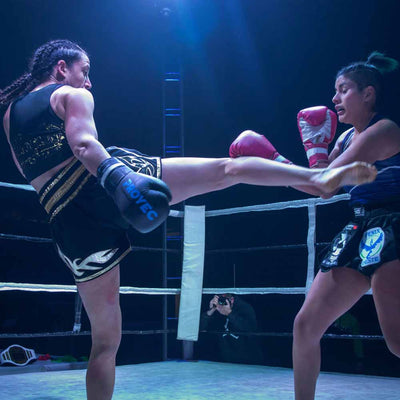
The differences between the sports also deserve attention. A boxer learns to control distance through footwork and punches. A Muay Thai fighter combines that with kicks, knees and clinch work. A judoka looks to break an opponent's balance and execute a decisive throw. A BJJ practitioner works from positions toward control and a submission. MMA brings several elements together. The women who excel in these sports therefore demonstrate different kinds of skill.
The words ‘no longer the exception’ refer here to women’s rightful place in the story of sport. Women champions belong in the history, the major competitions and the everyday practice of martial arts. At the same time, their individual paths still matter: one career opens an Olympic door, another brings a new weight class into view, and yet another mainly inspires people at their own gym.
2. Pioneers who first had to open up the stage
Rusty Kanokogi is one of the clearest examples of someone who changed more than her own competition results. The American judoka was allowed to train in the 1950s but faced restrictions when she wanted to compete. In 1959, she entered a judo competition in Utica, New York. According to the history recorded by the International Judo Federation (IJF), her team won, but she had to give up her medal after it became known that she was a woman.
Kanokogi continued to develop and left for the Kodokan in Tokyo in 1962. She later organised competitions and helped build a full programme for women. In 1980, the first Women’s World Judo Championships took place in New York, with Kanokogi playing a key role as an organiser. The IJF even describes how she put up her own home as financial security to make the championship possible.
Further progress followed. Women’s judo appeared on the Olympic programme as a demonstration sport in 1988 and became a full Olympic event at Barcelona 1992. That timeline shows how much organising can go into a medal. Before later champions could win their finals, their predecessors had to make sure those finals existed.
In professional boxing, visibility at major fight nights played a similar role. Christy Martin reached a large audience in the 1990s. Her fight against Deirdre Gogarty in 1996, on a night when Mike Tyson was the main draw, became a well-known milestone for women’s boxing on television. Martin brought a distinctive, attacking style and showed a broad audience that a women’s fight could have its own story and appeal.
Kanokogi and Martin changed different sports in different ways. One built structures; the other made use of a major commercial stage. Both paths matter for understanding why later generations had more opportunities to develop as top-level athletes in their own right.
3. Lucia Rijker: Dutch excellence on two fronts
Lucia Rijker is a key figure in Dutch martial arts history. She first built an international reputation in kickboxing and then also made a major impression in professional boxing. That combination makes her career remarkable: her name stands for expertise in two related but clearly distinct competitive sports.
The specific rules of boxing demand their own technical refinement. Without kicks, more attention shifts to stance, footwork, head position, choosing punching angles and building pressure. Rijker's transition shows how a strong martial arts foundation can be developed into a more specialized skill set. Her boxing career ended undefeated, with seventeen wins in seventeen professional bouts.
Those numbers tell part of the story. Just as important is that Rijker competed at a time when a big name, a suitable opponent and an attractive contract were less likely to come together for women. Her international standing was built not only on results, but also on how she represented her sport: with technical skill, seriousness and high ambitions.
Her recognition by the International Boxing Hall of Fame underscores her sporting significance. She was among the first group of women selected for induction. Her career thus connects the Dutch kickboxing scene with the international history of women's boxing.
For a new generation, Rijker is also a good example of a fighter with an identity of her own. She did not simply fit a single mold. Kickboxing and boxing posed different challenges, but her career remained defined by dedication to her craft. That is also the value of old fight footage: you see not an abstract pioneer, but an athlete finding her range, reacting and doing her work in the ring.
4. Ilonka Elmont: world titles and a broader impact on sport
Ilonka Elmont, known as The Killer Queen, is one of the Dutch athletes who helped shape international women's martial arts. Her Thai boxing career earned her seven world titles. On her own website, she dates those championship years from 1999 to 2009. That represents a sustained period at the top, in which success had to be built and repeated over several years.
Elmont's story also makes it clear that the history of Dutch martial arts is internationally interconnected. Her Surinamese background, her sporting career in the Netherlands and her later work in the community show that a champion can have an impact in different places. A nickname and a title make someone recognizable; the influence behind them often reaches beyond the competition schedule.
Through the Ilonka Elmont Foundation, she works to help children with disabilities take part in sports. The Surinamese government describes that work as a partnership focused on physical activity, sports and participation. This gives her career a second chapter: the experience and public profile of a world champion are put to use to help more children find a place in sports.
That next chapter is an essential part of the story of women in combat sports. Champions later become organizers, mentors, trainers, ambassadors or founders. Their achievements bring not only a list of honors, but also opportunities to make the sporting environment more accessible to others.
Elmont's path follows a recognizable pattern: first pushing boundaries herself in combat sports, then expanding the practical opportunities available to other athletes. Her world titles remain the foundation of her sporting achievements. Her work outside the ring shows how that foundation can have a much longer-lasting impact on society.
5. Jorina Baars: a chapter of her own in Dutch stand-up fighting
Jorina Baars is an important name for anyone seeking to understand Dutch women in kickboxing and Muay Thai. Her career shows that a top fighter's development spans many years of training and different stages. Her website features a timeline of championships and international fights, with achievements from several phases of her career.
For a large international audience, her bout with Cris Cyborg at Lion Fight in 2014 became a defining moment. The fight pitted an experienced Dutch specialist against a world-famous MMA fighter under Muay Thai rules. That contrast showed how much experience in a specific sport matters. Distance, clinch work, rhythm and what the rules allow all shape the demands of a fight.
Baars won the bout after five rounds by unanimous decision, claiming the first Lion Fight women's welterweight title. She found success with a front kick early in the fight; after that, she continued to impose her technical style with knees and kicks. Its significance goes beyond the result of a single fight. The audience saw a specialist who represented her discipline with conviction. At a time when MMA was attracting a great deal of media attention, it was a high-profile demonstration of the level women had reached in Muay Thai.
Her career also fits into a broader Dutch tradition: years of practice, close attention to combinations and fight rhythm, and a continual effort to refine what works at the highest level. That takes patience, a good training environment and the ability to read different opponents. A reputation is not built only on the night when the most cameras are present.
When discussing world titles in kickboxing and Muay Thai, it helps to keep the organization and rules in mind. Multiple governing bodies and promotions have their own championships. A career becomes clearer when each title is placed alongside the specific event and year. For Baars, that gives a much richer picture than simply counting championship belts.
6. Marloes Coenen, Germaine de Randamie and Denise Kielholtz
Dutch influence on women's MMA began well before the first women's fight in the UFC. Marloes Coenen was already competing in Japan around the turn of the century, as international women's competitions developed through other organizations and tournaments. That early career matters: it connects the major American stages that came later with a period when female MMA fighters had to build their fight experience in various places.
Coenen won the Strikeforce bantamweight title in October 2010 by defeating Sarah Kaufman with an armbar. That concrete sporting achievement challenges the sometimes oversimplified idea that women's MMA began in 2013. Her career also shows how influential ground fighting can be in a sport where punches and kicks are often the first things new audiences notice.
Germaine de Randamie brought a strong stand-up background to MMA. The Iron Lady built her reputation through kickboxing and became the UFC's first women's featherweight champion on February 11, 2017, at UFC 208. She defeated Holly Holm on points. This marks a distinct Dutch chapter in the development of new UFC weight classes.
Moving from a stand-up discipline to MMA requires a broader range of techniques. An opponent can change the distance not only with punches and kicks, but also with a takedown or a clinch against the cage. A strong specialist must therefore learn to make her strengths work in a wider range of fight situations. De Randamie's career shows how those skills interact.
Denise Kielholtz represents another path. In 2016, she became a world champion in the Bellator Kickboxing program after defeating Gloria Peritore, while also building an MMA career. In 2021, she fought Juliana Velasquez for the Bellator MMA flyweight title. She lost that fight by split decision. Her kickboxing title and her MMA title challenge are therefore two distinct achievements under two sets of rules.
Together, these three Dutch fighters show the breadth of the story. Coenen was part of the early international development of women's MMA. De Randamie connects Dutch kickboxing with a historic UFC title. Kielholtz shows how a champion from the ring can also build a distinctive approach to competition in the cage. Their names belong alongside one another, while leaving room for the differences between their careers.
7. Nouchka Fontijn and the Dutch Olympic boxing tradition
Nouchka Fontijn became a particularly prominent Olympic figure in Dutch women's boxing. She won silver at the 2016 Rio Olympics and bronze at the 2020 Tokyo Olympics, which were held in 2021. Two Olympic podium finishes across different cycles speak to a sustained presence at the highest international level.
Olympic boxing has its own rhythm. An athlete works toward qualification, a tournament schedule and the possibility of several bouts in a short time. A strong opening round must be followed by recovery, fresh preparation and a different opponent. That calls for technical skill and the ability to be ready again and again for a specific bout.
Fontijn made that world familiar to a Dutch audience. Her bouts showed how important it is to set the pace, land clean punches and build a performance over the available rounds. The medal is the visible end result. Behind it lie years of training, international tournaments and adjustments to details that make a difference at the highest level.
The Dutch story continues with boxers including Chelsey Heijnen, who represented the Netherlands at the 2024 Paris Olympics. This creates continuity between generations. A young athlete sees not just one exceptional medalist, but also that another Dutch female boxer can follow the same international path.
That recognition is valuable for the development of a sport. An international bout feels closer to home when a Dutch name is in the corner. At the same time, the bout itself remains central: footwork, punch selection, defense and reading an opponent. These are precisely the things that beginners and experienced boxers alike can study.
8. London 2012: Nicola Adams, Katie Taylor and Claressa Shields
The introduction of women's boxing at the 2012 London Olympics was a historic milestone. Olympic boxing titles for women were awarded for the first time in three weight classes. Nicola Adams won the flyweight title at up to 51 kilograms, Katie Taylor the lightweight title at up to 60 kilograms, and Claressa Shields the middleweight title at up to 75 kilograms.
Those three names represent different styles and different sporting cultures. Adams became a familiar British face of the home Olympics. Taylor brought Ireland's strong boxing tradition to a global stage. Shields, from the United States, showed at a young age how great her international ambitions were. Together, they were the first trio of Olympic champions in women's boxing.
For Katie Taylor, Olympic gold built on an already strong amateur career. Her work rate, combinations and ability to keep boxing at a high tempo became part of her distinctive style. She later built on that reputation as a professional. Her career thus bridges two major stages: the Olympic tournament and the major commercial title fight.
Claressa Shields and Nicola Adams defended their Olympic titles at Rio 2016. That makes their achievements especially impressive. A second Olympic cycle means qualifying again, managing expectations and continuing to improve while opponents study you closely. Winning a second time is an elite sporting challenge in its own right.
Shields went on to become a major champion across multiple weight classes in professional boxing as well. Her career has been marked by big ambitions and a strong presence outside the ring. At its heart is her development as an athlete: from Olympic tournament boxing to title fights with a different number of rounds and a different career path.
London 2012 was both an endpoint and a beginning. It was the culmination of efforts to get women's boxing onto the Olympic program. At the same time, millions of viewers saw three champions whose careers continued after that summer. The sport gained not only medals, but also memorable stories that continued to resonate long after the tournament.
9. Taylor, Serrano and Brækhus: professional boxing on major stages
The fight between Katie Taylor and Amanda Serrano on April 30, 2022 gave professional women's boxing a defining moment. For the first time, two women headlined the main arena at Madison Square Garden in New York. Taylor defended her undisputed world lightweight title and won after ten rounds by split decision.
What made that evening special was the combination of sporting significance and presentation. It featured two established champions, the main event and a fight that delivered in the ring. Taylor and Serrano brought a fast pace, pressure, counterattacks and different ways of taking control of a round. The crowd saw a boxing match with all the tension of a major title fight.
Amanda Serrano also came to New York with a long international career of her own. The Puerto Rican champion won world titles in multiple weight classes and developed a reputation as an aggressive, dangerous boxer. Her name is therefore associated with more than her meeting with Taylor. That fight was a notable chapter in a career that had already achieved sporting significance long before.
Cecilia Brækhus belongs to another important phase of professional women's boxing. In 2014, she unified the four major world titles at welterweight: WBC, WBA, IBF and WBO. She was the first woman to hold all four belts at once. She retained that undisputed status until 2020.
Brækhus thus showed what a long reign as champion can mean. It is not just about the night the last missing belt is won. Then come new opponents, new preparations and the pressure to retain the position. Her career helped further shape the idea of an established, internationally recognized world champion in women's boxing.
With achievements like these, precise wording matters. A title from one sanctioning body, a unified championship and undisputed status describe different situations. Taylor, Serrano, Shields and Brækhus each have their own record of achievements. Keeping the period, weight class and title structure in view makes their sporting significance even clearer.
10. Ronda Rousey and Liz Carmouche: a milestone in a broader MMA story
On February 23, 2013, Ronda Rousey and Liz Carmouche faced each other in the main event of UFC 157. It was the first women's fight in UFC history. Rousey defended the bantamweight title she had received when the division was introduced and won in the first round with her trademark armbar.
The lead-up began in 2012, when the arrival of women in the UFC was announced. The distinction between the announcement and the fight may seem small on paper, but it matters in a historical timeline. The first fight itself took place in 2013. Women's MMA had already existed for years in other organizations, with Marloes Coenen, Gina Carano, Cris Cyborg and Miesha Tate among its recognizable names.
Rousey brought an Olympic judo background into the cage. She had won bronze in Beijing in 2008 and developed an MMA style in which throws, control and a quick transition to an armbar played a central role. Her athletic profile was therefore very clear. Spectators recognized not only her name, but also the technical challenge she posed to her opponents.
Liz Carmouche is just as much a part of this historic moment. A first main event takes two fighters. She put Rousey under pressure and made it a real title fight before Rousey could bring the bout to her preferred finish. It introduced a new UFC division through a full-fledged fight, not merely an announcement at a press conference.
Rousey's later fame extended beyond MMA, including her move to WWE. In combat sports history, what matters most is the combination of her judo foundation, her early run of title wins and her role in introducing women's fights to the UFC. Her visibility helped a large new audience discover a sporting world that had already been developing for much longer.
11. Amanda Nunes and Cris Cyborg: two great careers with distinct identities
Amanda Nunes became one of the defining champions in the history of women's MMA. She won the UFC bantamweight title in 2016 and added the featherweight title in 2018 by defeating Cris Cyborg. She thereby became the first woman to hold UFC titles in two weight classes at the same time.
That status as champion in two divisions is a concrete historical achievement. Nunes had to develop an effective fight strategy for different opponents and prove herself in more than one division. Her career is often associated with explosive punches, but her success also came from combining striking, control and experience in a range of fight situations.
Her victories over major names made her record especially memorable. Rousey, Cyborg and other established champions each presented a different sporting challenge. That variety is what makes a long championship career interesting: a successful plan against one opponent has to be adapted when the next brings different strengths.
The UFC selected Nunes for its Hall of Fame class of 2025. That was a later recognition of her place in the sport's history. For a historical account, it makes more sense to use those established milestones than to cite a current ranking that could change after the next event.
Cris Cyborg, meanwhile, has a career of her own that extends far beyond her meeting with Nunes. She had already been a champion in Strikeforce and Invicta FC before winning the UFC featherweight title in 2017. Her name was therefore associated with several major organizations in the development of women's MMA. She helped put those organizations on the map and brought a distinctly aggressive presence to the cage.
Looking at Nunes and Cyborg side by side gives a richer picture than treating one fight as the whole story of a career. Their meeting was historically important. The years before and after show how two different champions built their own influence on the sport.
12. Shevchenko, Jędrzejczyk, Zhang and the international breadth of MMA
Valentina Shevchenko shows how a strong stand-up background can develop into a broad, technical MMA skill set. She is known for her timing, distance management and careful choice of when to attack. On December 8, 2018, she won the flyweight title at UFC 231 by defeating Joanna Jędrzejczyk.
That title win is a useful historical reference point. The rest of her career spans multiple championship periods and opponents. Tying a specific achievement to a date and weight class keeps the story clear without presenting a snapshot that may change as an eternal truth. Shevchenko also represents the international reach of elite competition: the top women in the sport come from different backgrounds, development paths and training bases.
Joanna Jędrzejczyk became one of the defining figures of the UFC strawweight division. She won the title on March 14, 2015, by defeating Carla Esparza and went on to defend it successfully five times. Her high pace, combinations and pressure made her fights, for many fans, an example of refined stand-up fighting in MMA.
A long title reign takes more than a strong start. Opponents study the champion, look for patterns and prepare specifically for her strengths. Jędrzejczyk's run shows how important it is not only to master techniques but also to keep applying them under changing pressures in a fight. In 2024, she was recognized with induction into the UFC Hall of Fame.
Zhang Weili won the UFC strawweight title in 2019 by defeating Jéssica Andrade. She became the first UFC champion from China. Her victory therefore carried significance beyond her weight class: a large international audience was introduced to a new champion from a different part of the world who had followed her own path in the sport.
The meeting between Zhang and Jędrzejczyk at UFC 248 in 2020 became an exceptionally intense five-round title fight. Zhang won by split decision. What makes the fight particularly interesting historically is how these two technically skilled fighters kept presenting each other with new challenges: combinations, counters, changes of pace and the ability to return to measured fighting after a heavy exchange.
Rose Namajunas also played a part in the development of the strawweight division. She ended Jędrzejczyk's title reign in 2017 and gave the division a new technical identity. Together, these fighters show how the sport evolves through competing styles. There is no single fixed profile a successful female MMA fighter must fit.
13. Tiffany van Soest and Anissa Meksen: kickboxing specialists
International women’s kickboxing has its own stars, its own bouts and its own technical history. Tiffany van Soest is an important name in that story. In 2016, she won GLORY’s first women’s super bantamweight world title. That gave the promotion a champion around whom it could build a recognizable women’s division.
Van Soest’s bouts show why footwork is such a valuable part of kickboxing. An attack does not begin with the punch or kick alone. A fighter’s position, the angle from which she comes in and the way she moves after a combination all help determine how her opponent can respond. That technical dimension makes it worthwhile to watch full rounds rather than just isolated highlights.
Anissa Meksen also became one of the biggest international names in stand-up fighting. She won titles under various organizations and became a GLORY champion. Her move to ONE Championship was announced in 2020, following the international record of achievements she had already built.
Her career shows how top fighters move between organizations and sometimes between closely related rulesets. The opportunities and the way bouts are structured remain important. Kickboxing and Muay Thai share many techniques, but differ in areas such as the scope for clinch work and elbows, and how actions are scored. A specialist prepares for the specific bout she is going to fight.
Van Soest and Meksen therefore deserve their own place alongside the better-known MMA names. Their significance lies in the art of stand-up fighting: establishing distance, finishing combinations, responding to attacks and controlling the pace of a bout. It is an international elite sports story with its own value.
14. Phetjeeja and Janet Todd: different paths to the international top
The development of women in Muay Thai and kickboxing is also reflected in the careers of Phetjeeja and Janet Todd. They come from different sporting backgrounds but met on a shared international stage. In March 2024, Phetjeeja unified the ONE atomweight kickboxing titles by defeating Todd.
That meeting marked both a new chapter for Phetjeeja and a farewell for Todd, who retired from competition after the bout. It is a familiar pattern in elite sport: a title fight is more than a result; it is also a moment when two careers intersect. One athlete moves forward, while the other looks back on the path she has taken.
Phetjeeja represents a Thai fighting tradition in which extensive competition experience plays an important role. Todd developed her career in the United States and became known at ONE in both kickboxing and Muay Thai. Their presence on the same stage shows how far the sport's elite level has spread internationally.
For viewers, these bouts are also interesting because the differences between fighters remain visible. The way they move, choose their exchanges and maintain pressure reflects individual strengths that can play out very differently under the same rules. Women's kickboxing gains depth precisely because several strong styles face off against one another.
The full designation is therefore always important when placing that bout in its historical context: ONE, atomweight, kickboxing, March 2024. It describes the achievement precisely and gives both fighters their own place in the story, even as later title fights change the current picture.
15. Stamp Fairtex: championships in three different sports
Stamp Fairtex brings together several strands of modern combat sports. The Thai fighter won world titles in Muay Thai and kickboxing at ONE Championship before developing a successful MMA career. In September 2023, she defeated Ham Seo Hee to win the ONE atomweight MMA world title.
The title fight took on added significance that evening when Angela Lee announced her retirement. That meant the bout between Stamp and Ham was for the undisputed world title. Stamp won by TKO in the third round, having built momentum with stand-up attacks and also created a dangerous situation on the ground along the way.
The result made her a champion in three different sports over the course of her career at ONE. That is the most accurate way to describe the achievement. She won titles in Muay Thai, kickboxing and MMA at different stages. Each discipline presented a new challenge and required further development.
Her move to MMA makes her story particularly interesting. An experienced stand-up fighter has to learn to deal with takedowns, ground positions, control and submissions. Her previous skills remain valuable, but are put to use in a broader competitive setting. The bout with Ham showed how those elements can alternate within a single fight.
Stamp is also a recognizable figure to an international audience. Her presence outside the ring and her seriousness during a fight exist side by side. That reflects a broader development in the sport: female champions do not all have to be stars in the same way. A distinctive personality can go hand in hand with a career built on substantial athletic achievements.
16. BJJ: Leticia Ribeiro, Bia Mesquita, Michelle Nicolini and Ffion Davies
Brazilian jiu-jitsu has its own history of female champions, in which tournament competition, teams and the passing on of knowledge play major roles. The IBJJF Women's Hall of Fame includes names such as Leticia Ribeiro, Bia Mesquita, Michelle Nicolini, Hannette Staack, Kyra Gracie and Luanna Alzuguir. That list shows how many different generations have contributed to the sport's development.
Leticia Ribeiro combines achievements at the highest level with influence as a coach. In BJJ, that second role has a lasting impact. An experienced champion not only develops her own approach to competition, but also helps training partners and students build positions, find solutions and develop a recognizable style. In this way, knowledge can spread through a team far beyond her own competition days.
Bia Mesquita built an impressive record at major international championships. Guinness World Records lists ten individual gold medals at the IBJJF World Championships between 2012 and 2021. That count refers to specific world titles within that competition. It is a powerful illustration of sustained success across multiple tournament years.
Michelle Nicolini won eight IBJJF world titles. She belongs to a generation that brought women's BJJ to international prominence. When considering her later achievements, it is useful to distinguish between the adult world championships and the Masters tournaments: they are different categories, each with its own competition schedule.
Ffion Davies represents the next phase of that international spread. In 2022, she became the first British champion in the adult black belt division at the IBJJF World Championships. That brought a major title to an athlete from Wales in a sport whose name and history are closely tied to Brazil. Her achievement shows how varied international training paths have become.
What makes this sport special is how visible small solutions are. A grip, the position of a knee or the direction in which someone applies pressure can change a whole range of possibilities. A successful match comes from connecting those details: establishing position, recognizing the reaction and moving on to the next step. That makes matches featuring skilled BJJ practitioners valuable to watch again.
Women have made a full contribution to that technical development. Their influence can be seen in world titles, but also in instruction, training groups and the examples that new practitioners can study. The history of BJJ becomes richer when those paths are traced as carefully as the careers of the best-known men.
17. Judo: from Rusty Kanokogi to Ryoko Tani and Edith Bosch
Rusty Kanokogi’s early efforts take on added significance when you look at the champions who later stood on the Olympic judo podium. Ryoko Tani is one of the great names in that history. The Japanese judoka won five Olympic medals, including gold in Sydney in 2000 and Athens in 2004, and became a seven-time world champion.
That run spans several Olympic cycles. Judo demands a combination of technical specialization and adaptability. A judoka develops preferred entries and throws, but must also be able to execute them against different grips, at different paces and in different match situations. Opponents, meanwhile, try to keep the champion from reaching her strongest position.
Tani’s significance lies in more than her medal count. Her long presence at the top made her a familiar example of competitive judo at the highest level for several generations. An Olympic career spanning multiple Games demands fresh preparation and renewed proof of sporting excellence each time.
For the Netherlands, Edith Bosch is an important name. She won silver at the 2004 Athens Olympics and bronze at Beijing 2008 and London 2012. Her Olympic record also shows that she spent many years among the world’s best. Three podium finishes make her a prominent figure in Dutch judo history.
Judo stories also bring a different kind of combat sport to this overview. The decisive moment can come from a slight shift in balance, a well-timed movement or the right moment to turn in. The lead-up is often a battle for grips and position. That technical work is as much a part of the history of women fighters as a combination in the boxing ring.
Kayla Harrison forms a striking bridge between Olympic judo and modern MMA. The American won judo gold in London in 2012 and Rio in 2016, then built a championship career in the cage. On June 7, 2025, she defeated Julianna Peña at UFC 316 with a second-round kimura and won the UFC bantamweight title. That gave the transition from judoka to MMA champion another concrete, historic milestone. Her career shows how a strong foundation in balance, grips and control can be developed further in a sport that also involves stand-up exchanges and other ground-fighting situations.
From Kanokogi’s organizing efforts to the medals won by Tani and Bosch, there is a long thread connecting them. First, women had to gain access to competitive judo. Then came careers that brought sporting excellence to that stage and made it familiar to new generations.
18. Kaori Ichō: four Olympic titles on the wrestling mat
Kaori Ichō is among the most impressive Olympic champions in combat sports. The Japanese wrestler won gold at four consecutive Games: Athens 2004, Beijing 2008, London 2012 and Rio 2016. Her Olympic record thus spans twelve years from her first title to her fourth.
That first edition, Athens 2004, was also the Olympic debut of women’s wrestling. Ichō was therefore part of the first generation of Olympic champions from the start and remained at the top as the field continued to grow. That makes her career both a personal success story and a thread running through the sport’s development.
Wrestling demands control of balance, direction and body position. An attack on the legs, a response to an opponent’s pressure or a transition after a failed attack can open up a new opportunity. It is a constant process of acting and reassessing, against an opponent who is just as actively looking for her own solution.
What makes Ichō especially remarkable is her consistency. Four consecutive Olympic titles mean four long preparations, four times facing the pressure of the tournament and four times delivering when the decisive matches arrived. Her name shows that the history of women in combat sports also includes exceptionally long runs of success.
For fans who mainly follow boxing, kickboxing or MMA, this offers a valuable broader perspective. The wrestling mat has its own champions and historic moments. Anyone who wants the full story should also look at the athletes who have made their mark on the Olympic programme through control, takedowns and positioning.
19. Jade Jones and international taekwondo
With Olympic gold in London 2012 and Rio 2016, Jade Jones wrote a remarkable chapter in international taekwondo. The British taekwondo athlete from Wales won both titles in the under 57-kilogram category. First at the home Olympics, then again four years later.
Taekwondo has a distinctive style of competition in which distance, reaction speed and choosing the right moment to kick are all clearly on display. Athletes must spot opportunities while their opponent moves, threatens and tries to score. A small change in stance or distance can make the difference between an effective attack and a missed opportunity.
Jones’ first title gave British taekwondo a major moment in the spotlight. An Olympic victory in front of a home crowd can suddenly bring a sport to the attention of people who had barely followed it before. Her second title showed that she could maintain that level through another Olympic cycle.
Her career thus adds a different path to this overview than, for example, the move from kickboxing to MMA. Here, the focus is on long-term development within a single Olympic discipline. Training means continually refining a specialized approach to competition and preparing for opponents with different styles.
For girls starting taekwondo, a name like hers offers a concrete example. The sport is not just a class or a belt test, but also an international competitive arena in which women play leading roles. That gives daily practice a broader perspective, both at the recreational level and for those who later want to compete.
20. Sandra Sánchez: the precision and presence of kata
Kata also deserves its own place in karate. Sandra Sánchez won gold in the women's kata at the Tokyo 2020 Games, held in 2021. She became one of the recognizable faces of karate's Olympic debut. Her achievement centers on a different form of competition from a direct fight between two opponents.
A kata is a set sequence of techniques that displays control, balance, rhythm, power and quality of execution, among other things. It is a distinct discipline within karate, with its own judging criteria and its own elite training requirements. Sánchez’ Olympic title was therefore a kata title. Kumite, the competition format involving a direct opponent, has a separate competition program.
That difference is precisely what makes her place in this story valuable. Martial arts offer multiple ways to demonstrate technical mastery at the highest level. In kata, the quality of every transition is part of the performance. The whole must be convincing while the details remain precise: the stance, the direction, the finish of a technique and the rhythm between movements.
Sánchez shows how visible this kind of expertise can become on a major stage. Her Olympic success gave karate an internationally recognizable face. It also helps illustrate the breadth of the sport: a martial arts career can involve head-to-head bouts, but it can also focus on a specialized form of competition where technical execution takes center stage.
Such differences belong in a complete overview of female martial arts stars. A judo title, an MMA belt and Olympic kata gold are different achievements. Taking each of them seriously side by side shows how many different skills and paths for development the martial arts world offers.
21. What research shows about women's experiences
The history is made up of champions, but the everyday experience in a gym is at least as important. A class is where newcomers discover whether they enjoy the sport, whether they can develop and whether they want to remain part of the training environment. That is where the foundation is laid for a recreational sporting journey, competitive ambitions or a later role as a coach.
A 2023 scientific scoping review by Rosie Lindsay and colleagues brought together 53 studies on women’s experiences in martial arts. The authors describe several recurring themes. Positive experiences of growth, strength and self-confidence sit alongside the influence of established expectations, social dynamics and ways of interacting within the sport.
A scoping review maps out what knowledge is available and what patterns emerge from it. That is well suited to this subject, because experiences in a judo club, an MMA team or a recreational training group can differ. The findings are especially useful for taking a closer look at the conditions in which athletes develop.
In practice, three things matter. Athletes want to be treated as serious participants, have room to learn skills and be part of a group with clear expectations about contact and working together. That combination provides a positive foundation for practising regularly and gaining experience with different training partners.
Role models can help with that. Names like Fontijn, Nunes or Davies show what is possible within a discipline. The everyday training culture brings that larger example into your own class: practising a technique, being able to ask questions, taking the next step and feeling that your contribution to the group is welcome.
22. Finding a sport and training environment that suit you
The different champions in this story show how many options there are. If you enjoy footwork, combinations and punches, boxing offers a focused setting for developing those skills. Kickboxing adds kicks. Muay Thai also gives knees and clinch work an important place. If you enjoy working on grips, balance and throws, you may find a lot to enjoy in judo. BJJ places a strong emphasis on ground positions and submissions.
MMA brings together different elements. That makes the classes varied and offers a clear path for development: working on your feet, understanding the transition to a takedown and learning what to do on the ground. Taekwondo and karate each have their own technical traditions, competition formats and class structures. So no single choice is automatically right for everyone. The kind of training you enjoy can help you decide which direction to take.
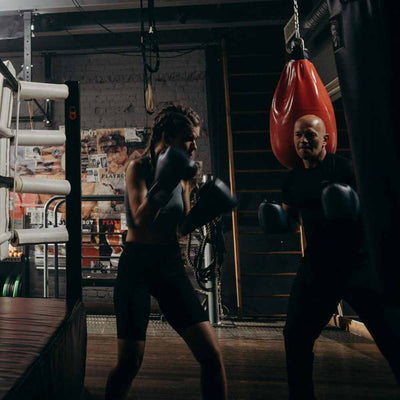
You get the best first impression during the class itself. Pay attention to how techniques are explained, how training partners work together, and how the exercises are structured. A class where you understand what you're learning gives you ways to recognize your progress. Over time, small improvements become more noticeable: your stance improves, you spot an opening sooner, or you move out of a difficult position more calmly.
A practical approach helps you turn inspiration into a training routine of your own:
- Choose the type of movement that appeals to you. Think about punches and footwork, punches and kicks, throws, or groundwork. The sports stories above give examples of what's possible in each discipline.
- Experience how a class is structured. Pay attention to the warm-up, the technical instruction, how people work together, and how the intensity is adjusted. This helps you discover what training feels like in practice.
- Build a consistent routine. Training regularly makes it easier to recognize techniques when you encounter them again and develop them further. Finding a manageable place for training in your week provides a comfortable foundation.
- Set clear expectations. During partner drills, match your pace and level of contact to each other. In groundwork, tap out in time and release immediately; in standing drills, work together in a controlled way toward the goal of the round.
A women's class can be a comfortable way to start. A mixed group may suit you just as well. The quality of the instruction, how people treat each other, and the type of training all matter when making that choice. What matters is finding an environment where you enjoy practicing and can develop step by step.
23. Choosing equipment for your sport and needs
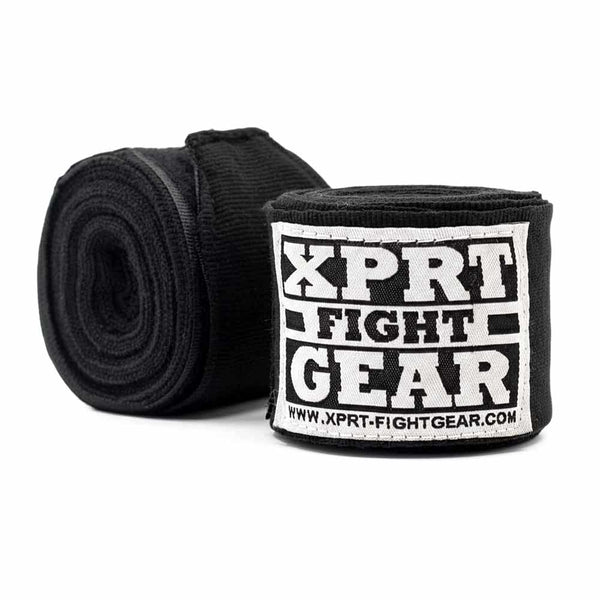
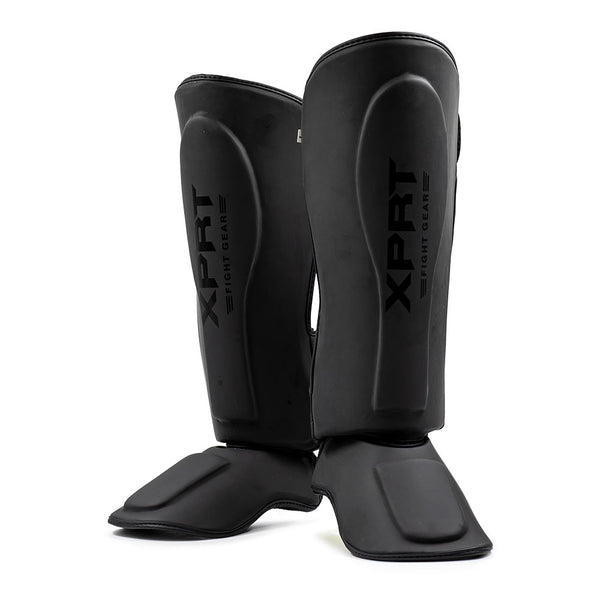
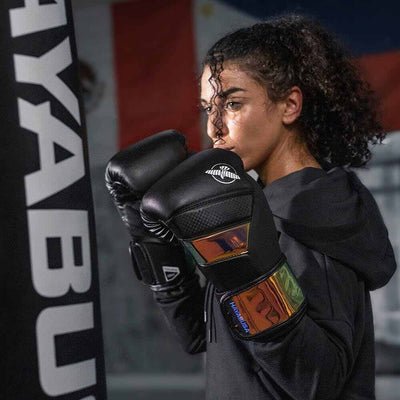
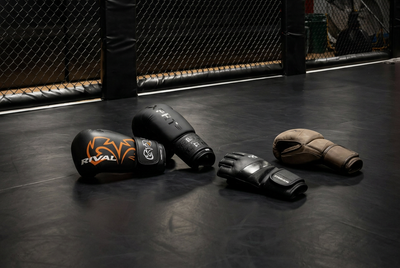
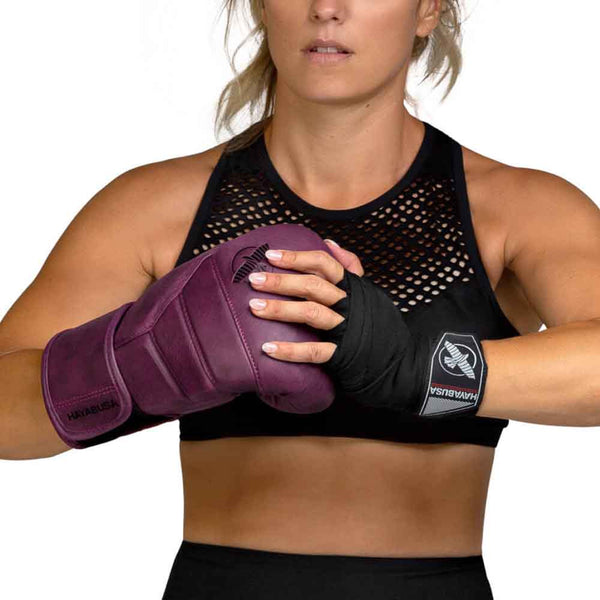
Suitable equipment supports your training. For boxing and kickboxing, well-fitting gloves and handwraps are a sensible starting point. For kickboxing and Muay Thai, add shin guards for partner drills. A mouthguard is essential for contact training; sportswear should allow you to move freely and suit the exercises you do.
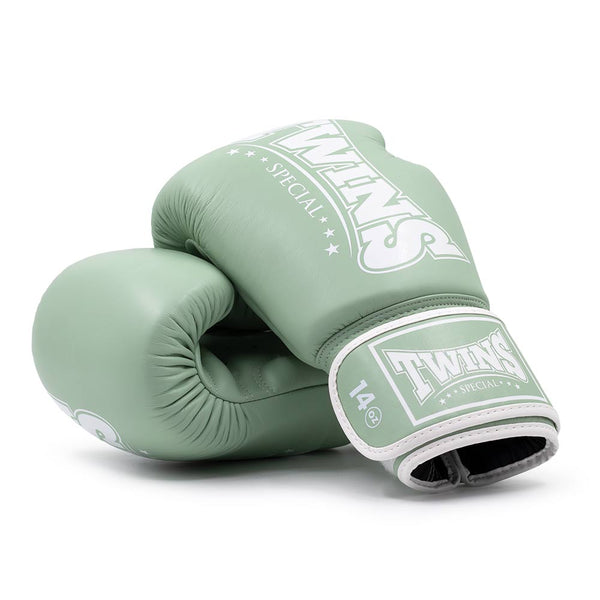
When choosing gloves, consider the room for your hands, the closure, and the intended use. The number of ounces describes the weight of the glove and is related to the model and its purpose. The fit also depends on the construction and the room around the hand and wrist. A women's model may fit comfortably, but many other models can fit well too. This keeps the focus on the features that make a difference during training.
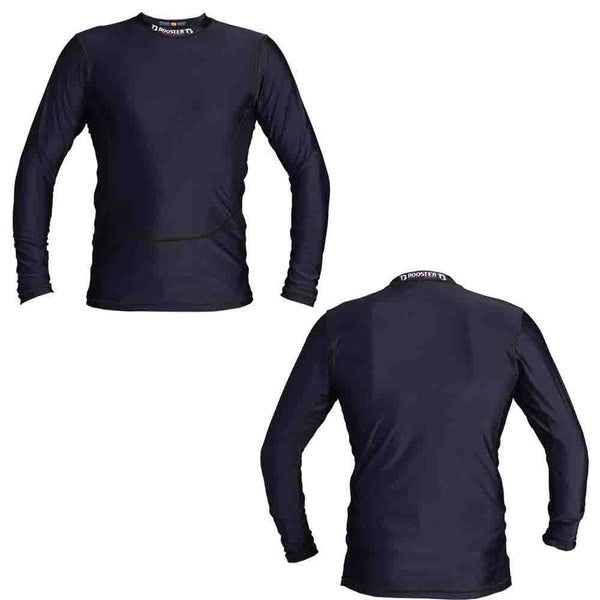
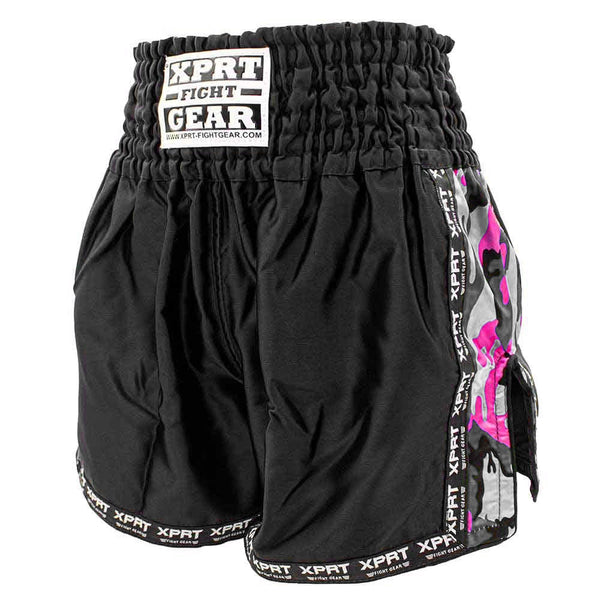
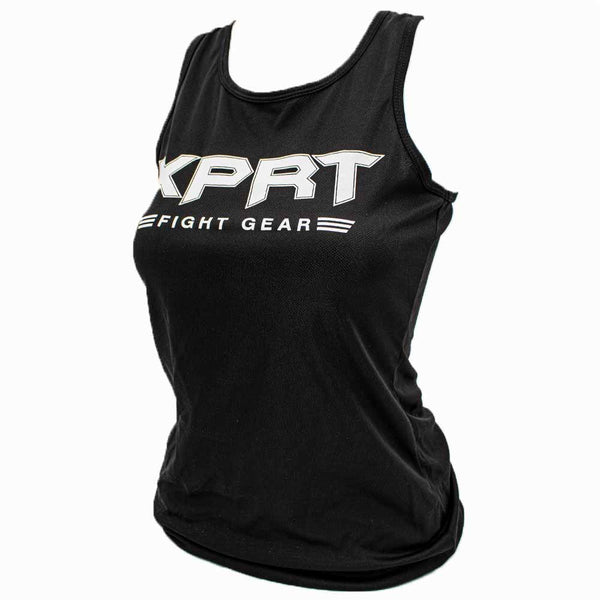
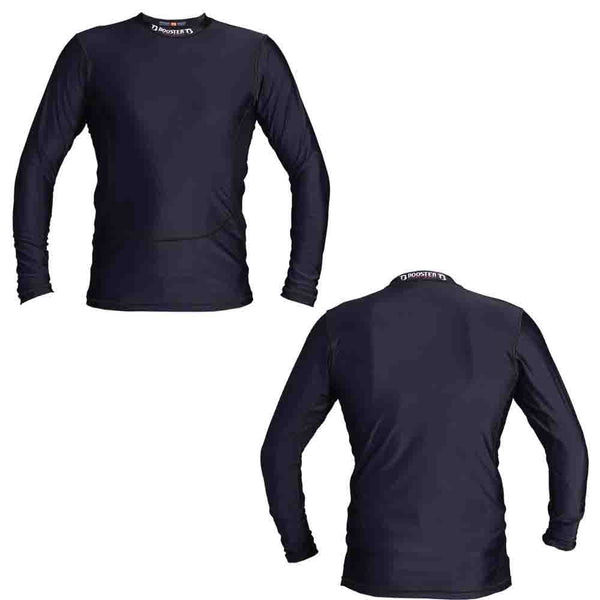
For groundwork, different clothing features matter. A rashguard fits closely and stays in place while you move and roll. Suitable training shorts have no hard parts that get in the way. For gi training, wear the uniform appropriate to the discipline. For boxing and kickboxing, shorts, tops and sports bras can be chosen for freedom of movement, support and comfort during training.
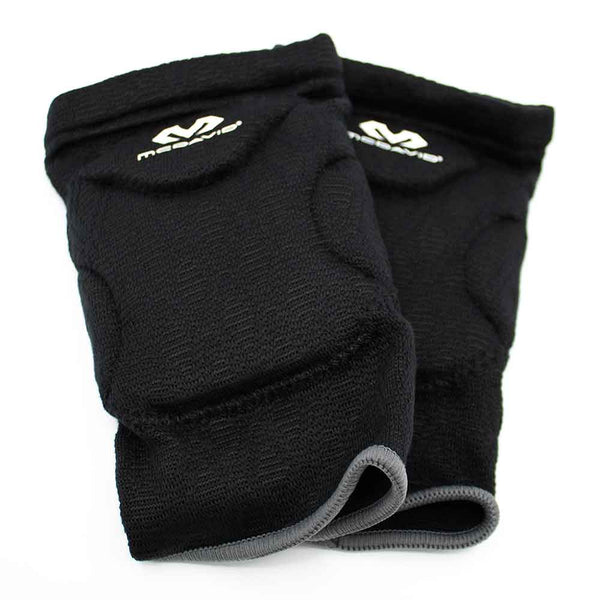
A women’s groinguard is a specific additional option for situations where protection in that area matters. Other accessories, such as a sports bag, towel and care products, help you organize and look after your gear. The right combination depends on the sport and how the gear is used; someone training in BJJ needs a different set of equipment from someone who mainly works on the bag and pads.
In the Fight2Win showroom, you can compare the fit of different gloves, protective gear and clothing. That lets you feel the differences between models firsthand. The product categories featured alongside this article relate to everyday training and offer a practical complement to the historical stories.
24. A history carried forward by new generations
From Rusty Kanokogi, who helped open up competitions, to Kaori Ichō, who won four Olympic titles: women’s influence on martial arts has been built through many different kinds of work. There are organizers, technical innovators, long-reigning champions and athletes whose big night brought an entire discipline into the spotlight.
The Netherlands is very much part of that history. Together, Rijker, Elmont, Baars, Coenen, De Randamie, Kielholtz, Fontijn and Bosch represent a broad sporting landscape. Internationally, Taylor, Serrano and Shields connect Olympic and professional boxing; Nunes, Rousey, Shevchenko and Zhang give MMA different faces; Ribeiro, Mesquita, Nicolini and Davies show how rich the history of BJJ is on the mat.
The most compelling common thread is skill. Choosing the right distance, setting up a grip, finishing a combination, recognizing a position under pressure: these are the actions that make up the sport. The big names built impressive careers from them. In gyms, new practitioners discover and develop the same kinds of skills every week.
That is where this story continues. In a first boxing class, a judo tournament, a BJJ round, a pad-training session or a child who sees themselves in a champion. Women’s history in martial arts is already rich. Each new generation adds its own names, its own competitions and its own reasons to keep training.