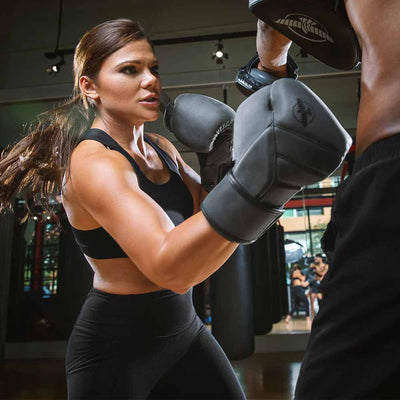
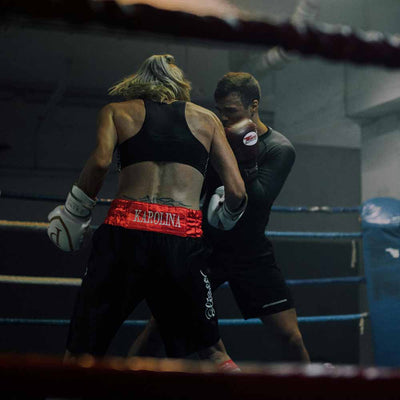
The rhythm of the pads, a powerful roundhouse kick, then straight back upright for the next combination. Muay Thai has a character all its own. You use fists, elbows, knees and shins, work at a distance and in the clinch, and enter a sport with deep roots in Thailand.
That calls for practical gear: boxing gloves, handwraps, shin guards, a mouthguard, a cup and shorts that let you move freely. But a mongkhon, the Wai Kru and pra jiad tell another part of the story. They are not alternatives to protective gear. They show that thai boxing is also a tradition passed down from teacher to student.
In this guide, we take both sides seriously. First, what that Thai background means, then the gear you train with. That way, you can choose more than just a pair of good-looking shorts: you will also understand what you encounter in the gym and around the ring.
What do you need for Muay Thai?
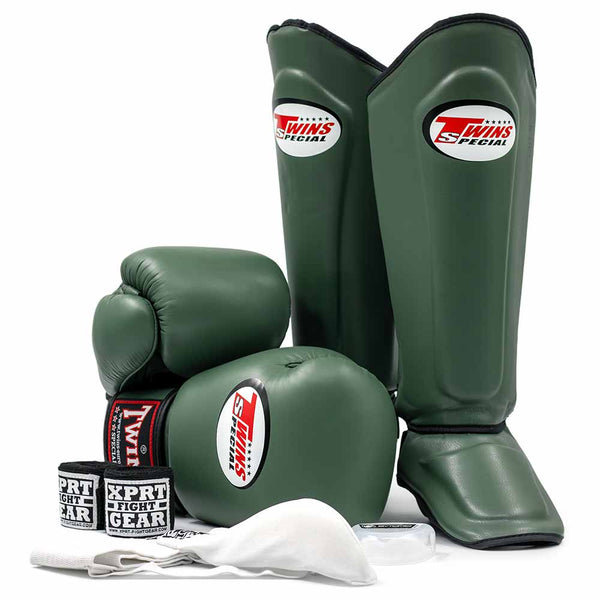
For a regular Muay Thai session, build your kit around the drills you do. On the punching bag and Thai pads, wear gloves with handwraps. Once you practise kicks with a partner or add sparring, shin guards, a mouthguard and a cup each have their place. Loose-fitting shorts are part of the whole session.
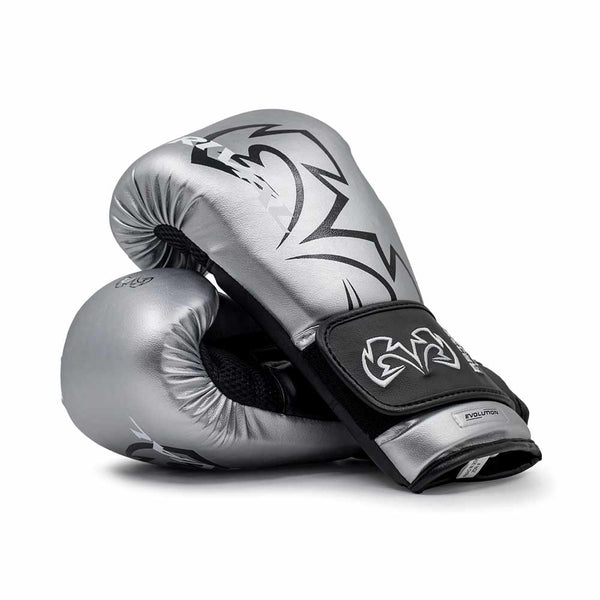
- Boxing gloves: for punching the bag and pads and for suitable partner drills.
- Handwraps: to wrap your hands under your gloves.
- Shin guards: for practising kicks and blocks with a partner.
- Mouthguard: for contact training, not just competition.
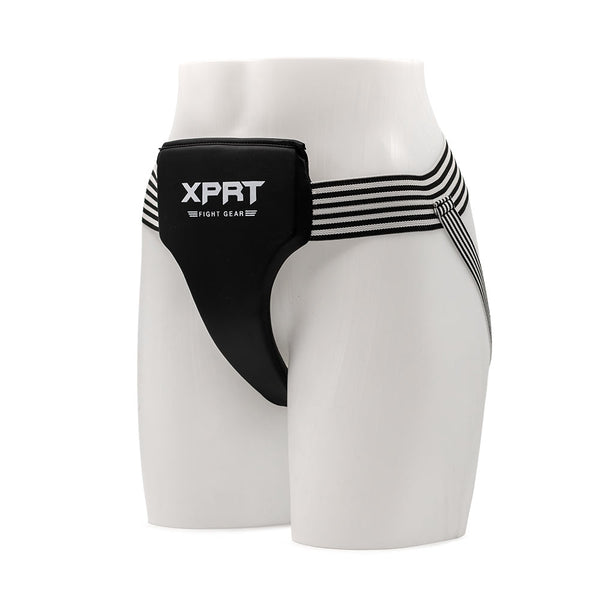
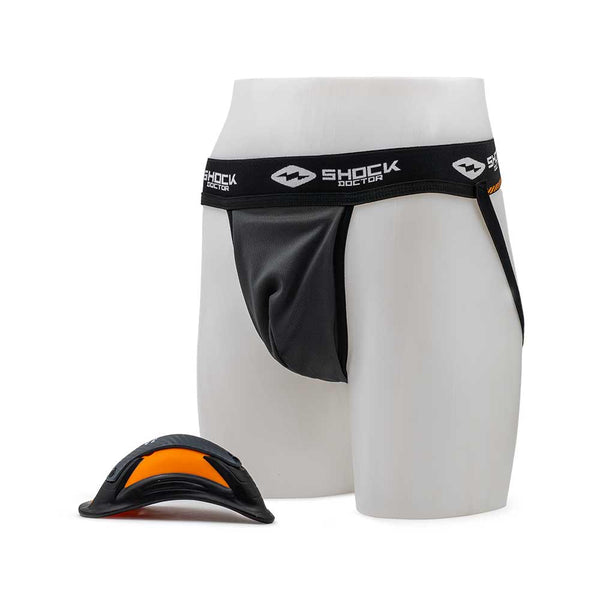
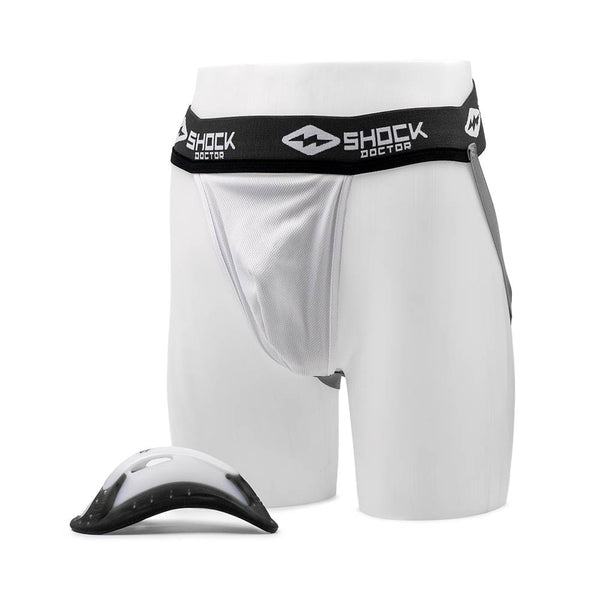
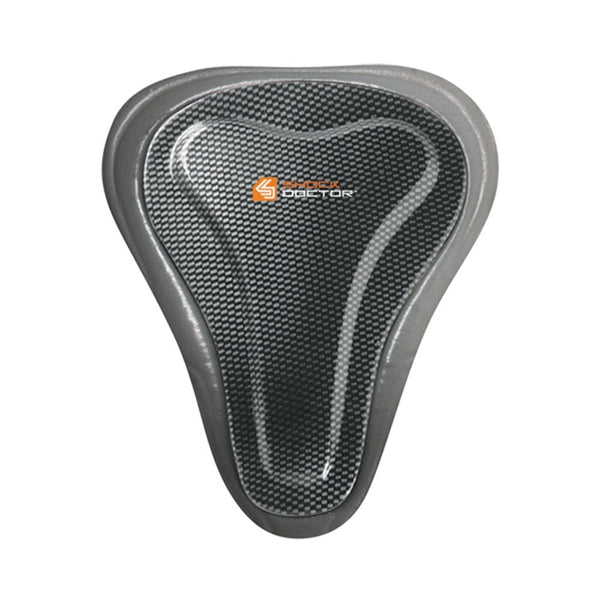
- Cup: as a groinguard for partner drills and sparring.
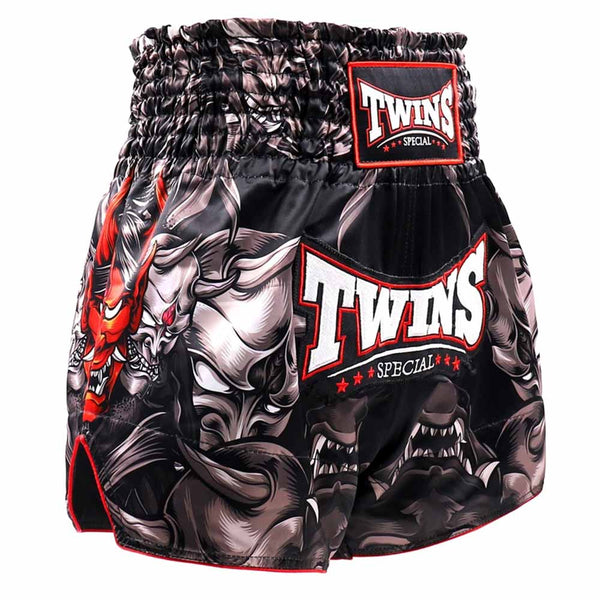
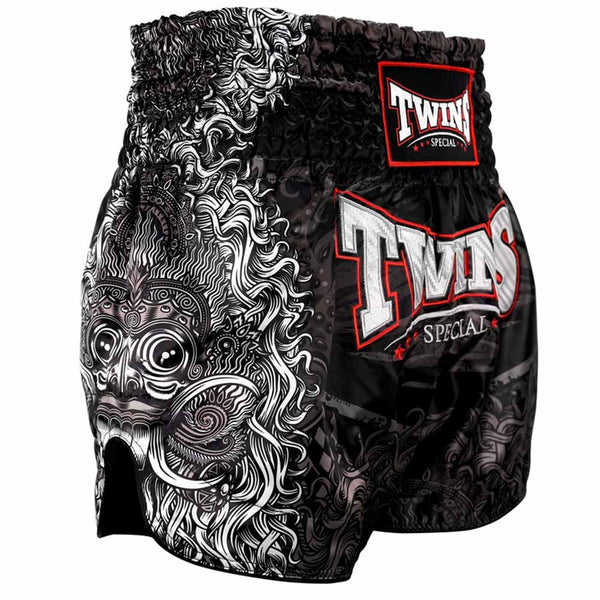
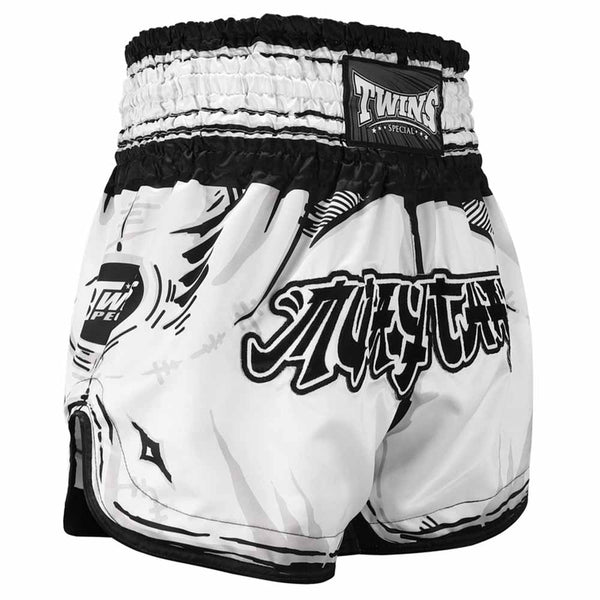
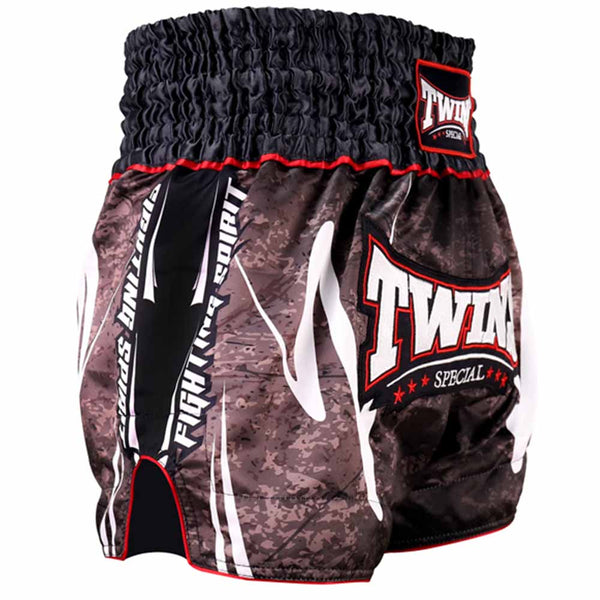
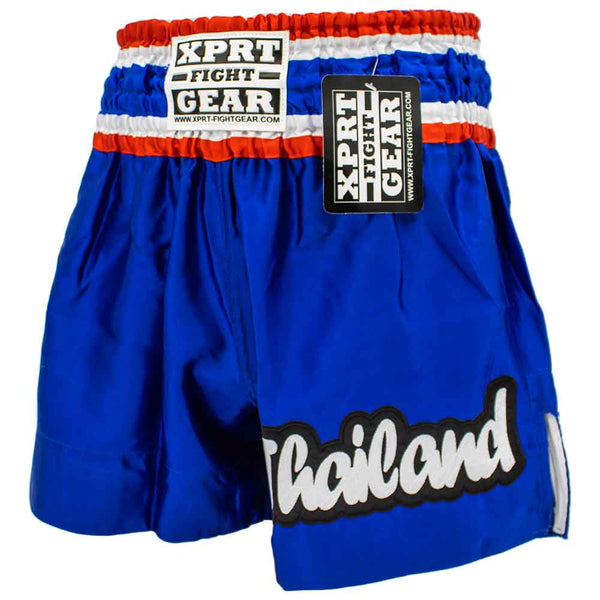
- Thai boxing short: with room to kick, knee and move.
Elbow pads come into play when elbow drills are part of the class. Ankle guards are an optional addition to your training gear. Thai pads are useful if you train with a partner on your own. We discuss the mongkhon and pra jiad separately because they have a different meaning from this training gear.
Thai boxing is more than kickboxing with elbows
The nickname the art of eight limbs refers to two fists, two elbows, two knees and two shins. In training, you notice this especially in the transitions: a punching combination can lead into a kick, a knee or clinch work. Stance, distance and balance come into play throughout.
That does not make Muay Thai simply a more extensive version of kickboxing. Kickboxing has different rules and has developed in its own way, with influences from karate, boxing and Muay Thai, among others. Knees are not excluded in every form of kickboxing, either. The difference lies in how the techniques, clinch, competition format and cultural background fit together, not in a ranking of the sports.
Muay Boran and images of bound hands belong to a different historical and traditional context from your regular class with boxing gloves. An evocative traditional image is therefore not an instruction to sparren in the same way. For our training selection, we focus on modern thai boxing.
Wai Kru and Ram Muay: respect takes shape
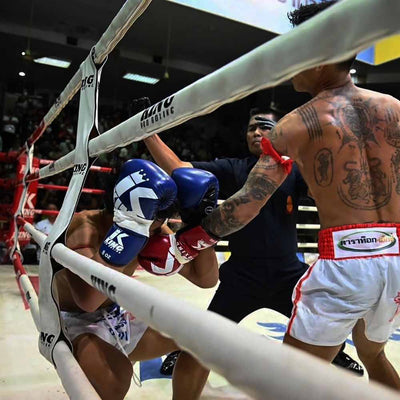
Before a traditional Muay Thai fight, you will often see a ritual preparation. The Wai Kru expresses respect and gratitude to teachers, ancestors and those who have passed on the art. The Ram Muay is the accompanying sequence of movements you may see during that preparation. In everyday language, the two terms are often used together.
It is not just an attractive opening for the audience. The movements connect the fighter, the school and the tradition. IFMA also pays attention to this outside the fight, for example through Wai Kru workshops where participants learn about its meaning and practice. There is also a separate cultural competition discipline.
That does not mean every school uses exactly the same movements, duration or form. Nor does a regular class in the Netherlands automatically include the full ceremony of a fight in Thailand. Knowing the meaning does help you watch the preparation attentively, without treating it as an exotic performance or a mandatory religious belief.
Our Fight2Win selection for Muay Thai
This Fight2Win selection gives you a concrete starting point for Muay Thai, with the Twins Yaksha as our favorite gloves and the Shock Doctor Gel Max as the mouthguard. These are separate products, not a fixed bundle with one shared size. Choose each item based on its fit and the exercises you will use it for.
Twins FBGVL63 Yaksha
Our favorite Twins gloves for this combination. Choose the weight in oz and the fit for your training.
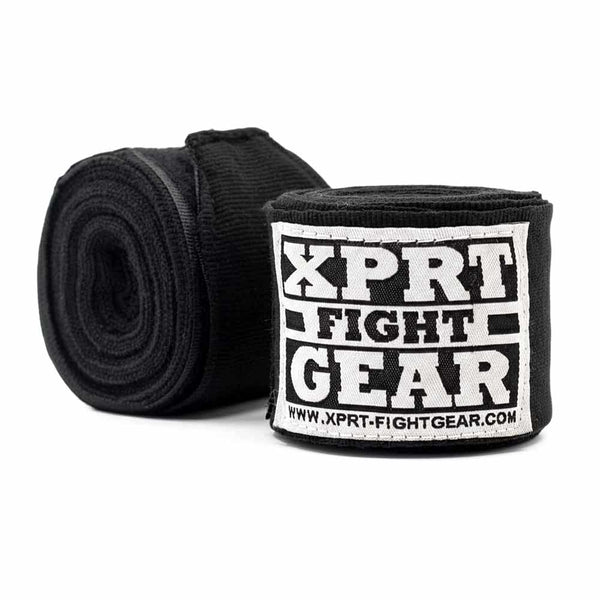
XPRT Easy Stretch 450 cm
Slightly stretchy 450 cm handwraps to wear under your gloves.
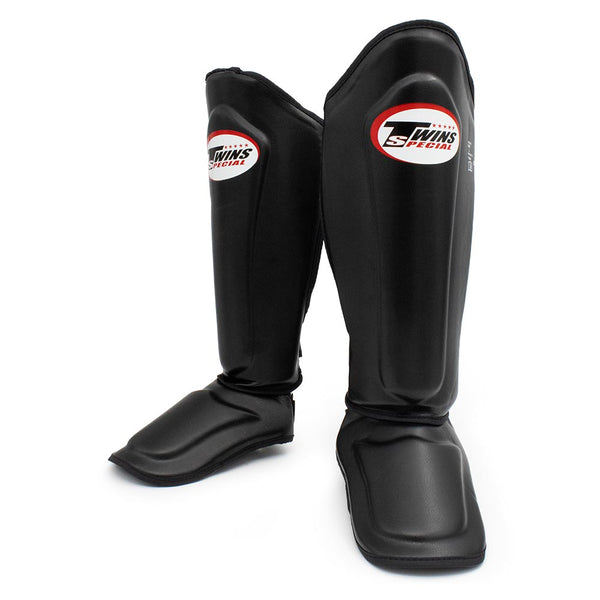
Twins SGL7
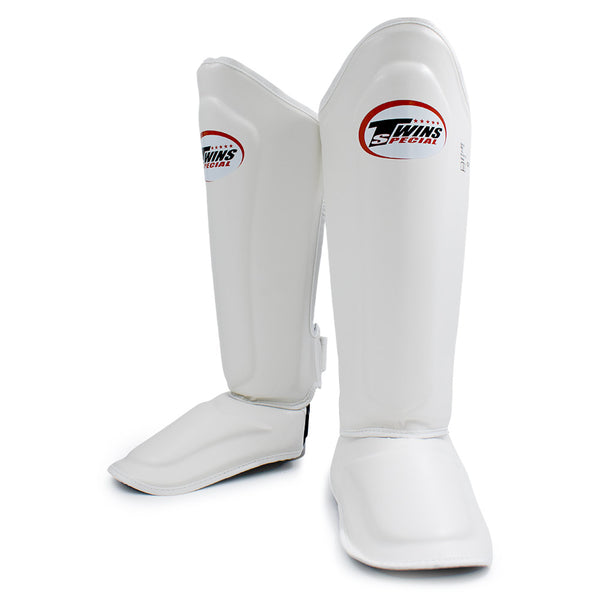
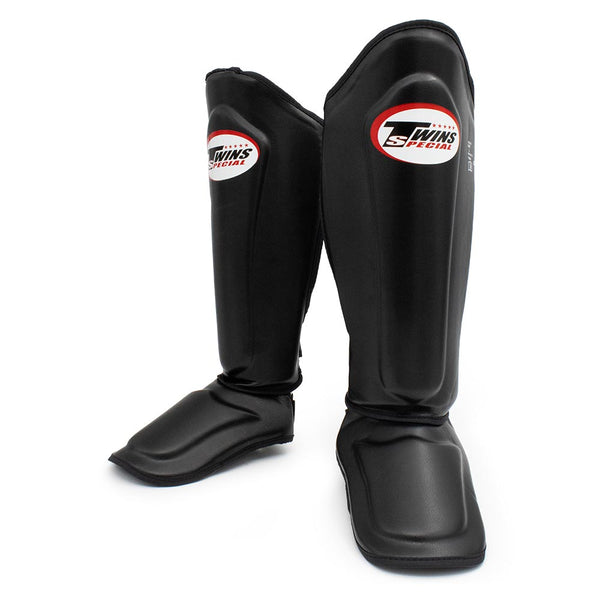
Shin guards with foot protection for kicks and blocks with a partner.
Twins TTE
Classic black shorts with room for kicks and knees.
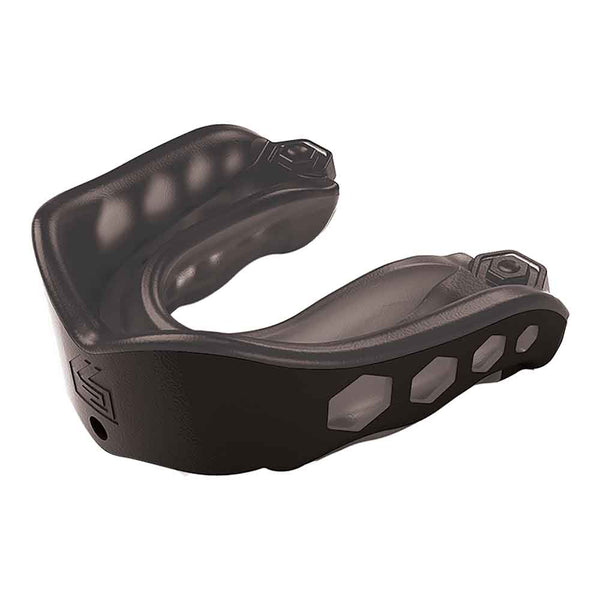
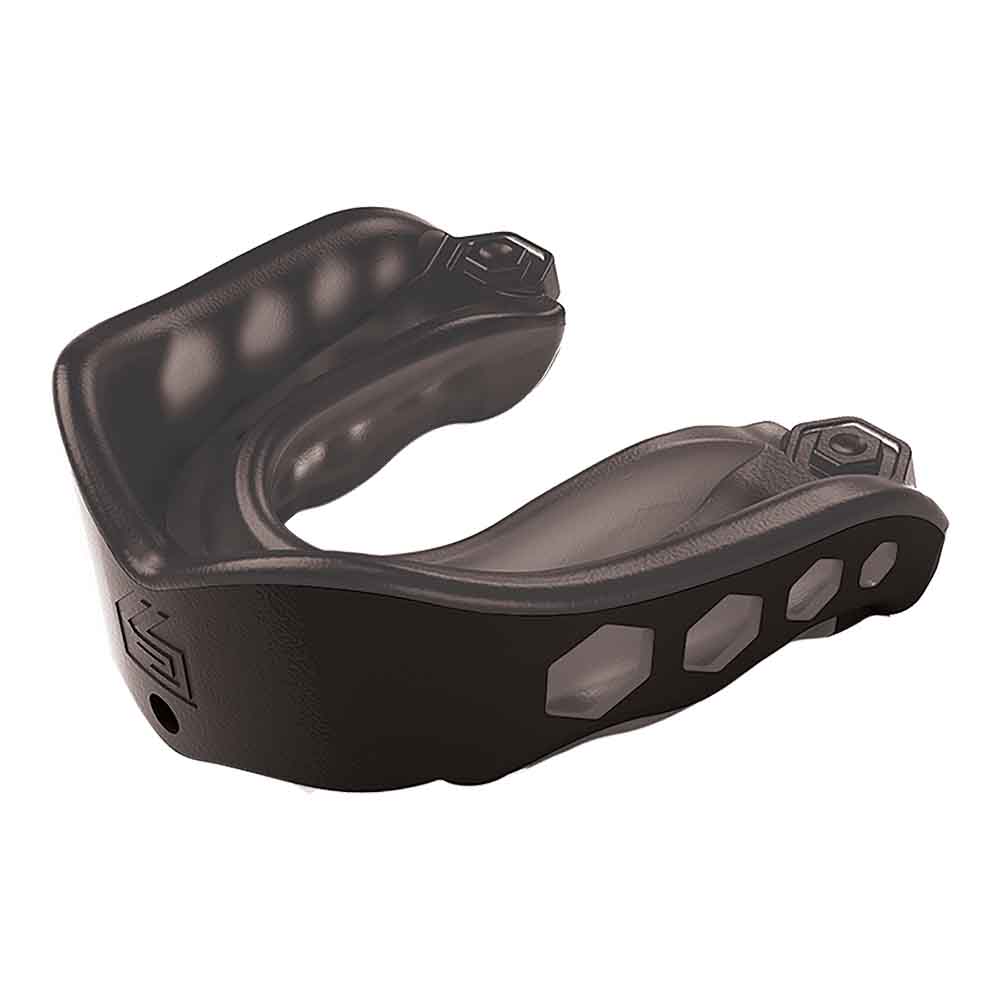
Shock Doctor Gel Max
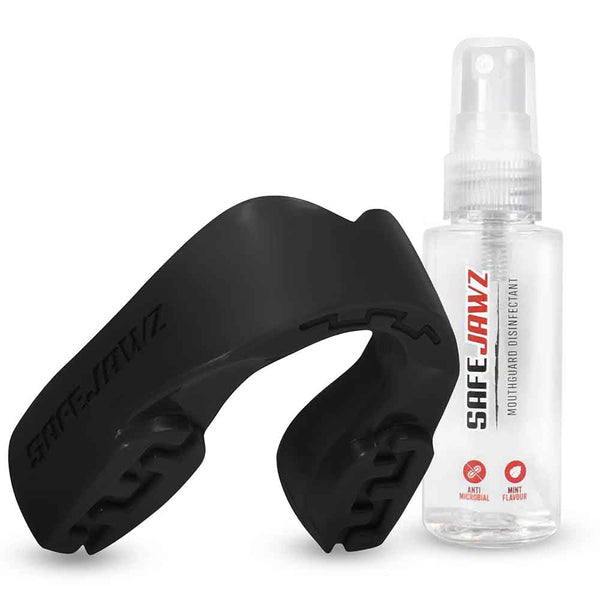
Our go-to mouthguard. Shape it according to the instructions and check the fit.
XPRT Basic
Training stick for men; the women's version has a different shape.
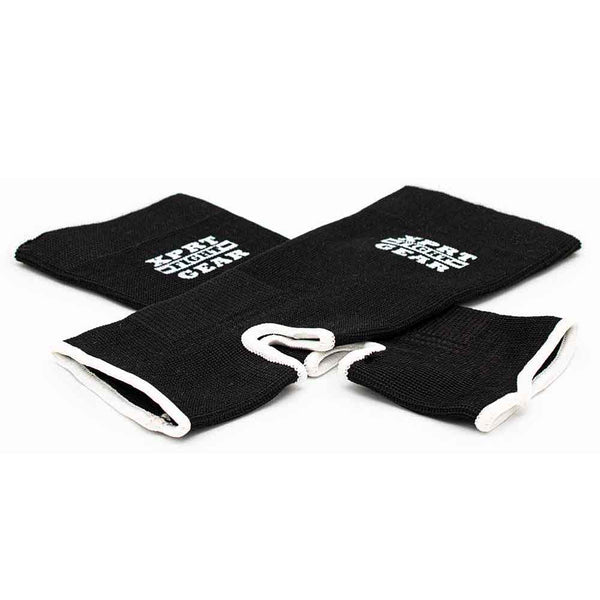
XPRT Stretch
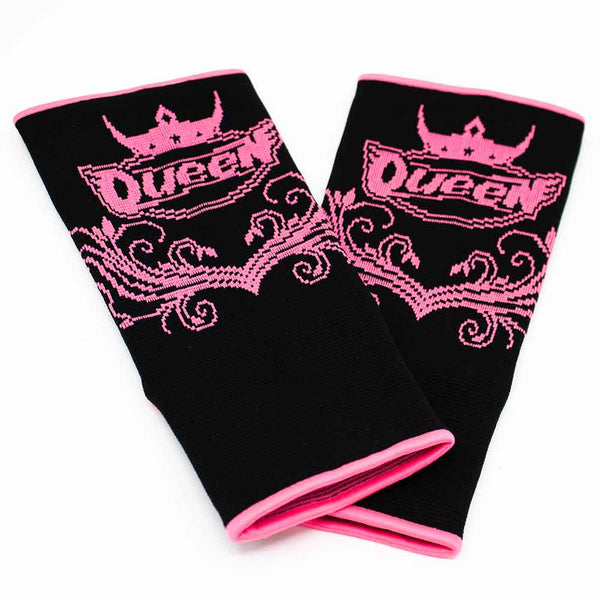
Our selection of additional ankle guards for training, not for the IFMA format described here.
The XPRT ankle guards are an addition to your training gear. Ankle guards are not permitted in the IFMA competition format described here. Choose Elbow pads and your own Thai pads based on the exercises you do; pra jiad retain their own traditional meaning.
The mongkhon is not headgear
The striking headband with the trailing cord is called a mongkhon, also spelled mongkon or mongkol. You see it during traditional preparation and the Wai Kru. It is a ritual item, not a training helmet or protective padding.
How it is handled is part of a school’s tradition. It is therefore more than a striking headband worn with sportswear. How a school approaches that preparation can vary. That meaning is what makes it interesting: behind each athlete is also a line of teachers and students passing on the art.
For your gym bag, the distinction is simple: a mongkhon says something about preparation and the connection to tradition. You use gloves, shin guards and other protective gear for the exercises themselves. A headband cannot take their place.
Pra jiad: the traditional arm rings
Pra jiad are the belts you see worn around the upper arms. You may also encounter the spellings prajiad and prajead. They are part of traditional Muay Thai gear and can have symbolic meaning within a school or for the wearer.
They are not upper-arm guards. Nor does a color indicate the same rank everywhere. Some organizations and schools use their own grading systems; that does not make any color sequence an international standard for every Muay Thai gym. Buying an arm ring does not, in itself, mean you have earned a rank.
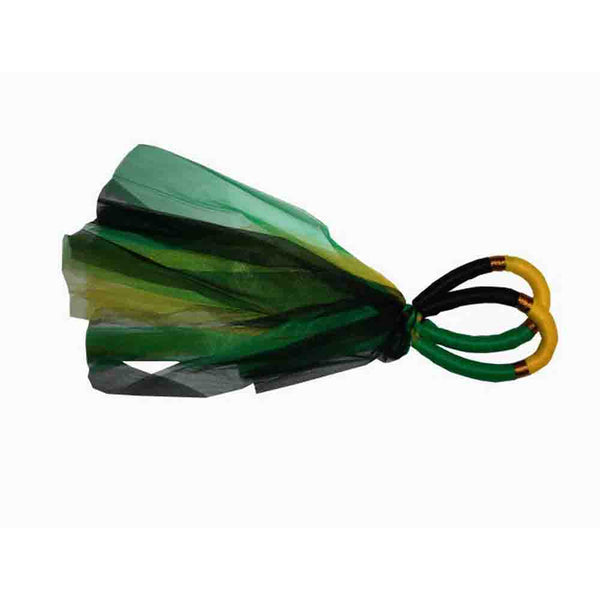
Fight2Win Prajead Classic
The Classic is green with dark accents and flared fabric strips. The arm rings come as a pair and are adjustable. A traditional addition for anyone who wants this side of Muay Thai reflected in their gear.
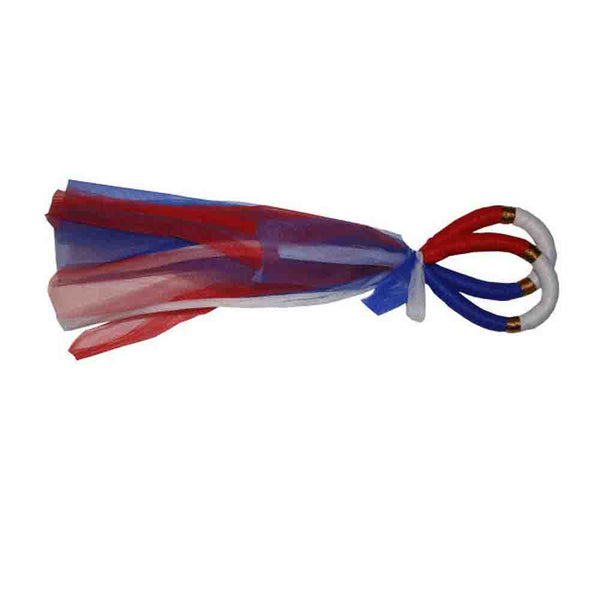
Fight2Win Prajead Thailand
This version combines red, white and blue. This pair is adjustable too. The difference from the Classic is its appearance, not a higher rank or proven protective effect. The rules on arm rings and loose cords still matter when wearing them at an event.
The music is part of both the atmosphere and the tradition
Music gives traditional Muay Thai events their distinctive atmosphere. It is more than background sound: it connects the preparation and the fight with Thai tradition. The gray context box explains how it also has a place within the IFMA format.
Boxing gloves for punches, pads and partner work
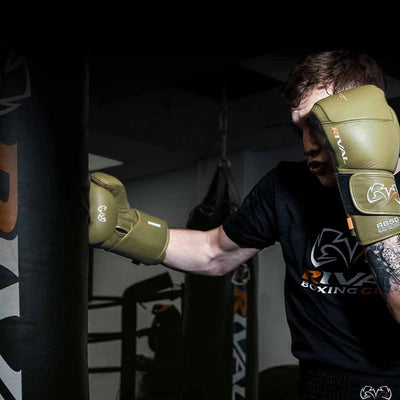
For Muay Thai, you use boxing gloves. Seeing small gloves at some events does not make MMA gloves the standard for regular training. Start with the type of exercise: bag work and pads place different demands on the padding than sparren with a partner.
A glove should fit comfortably when you wear handwraps and let you make a proper fist. Oz indicates the weight, not the full picture of how much room there is for your hand. Choosing solely by gender or body weight overlooks differences between models. For sparring, the glove requirements for the class also matter.
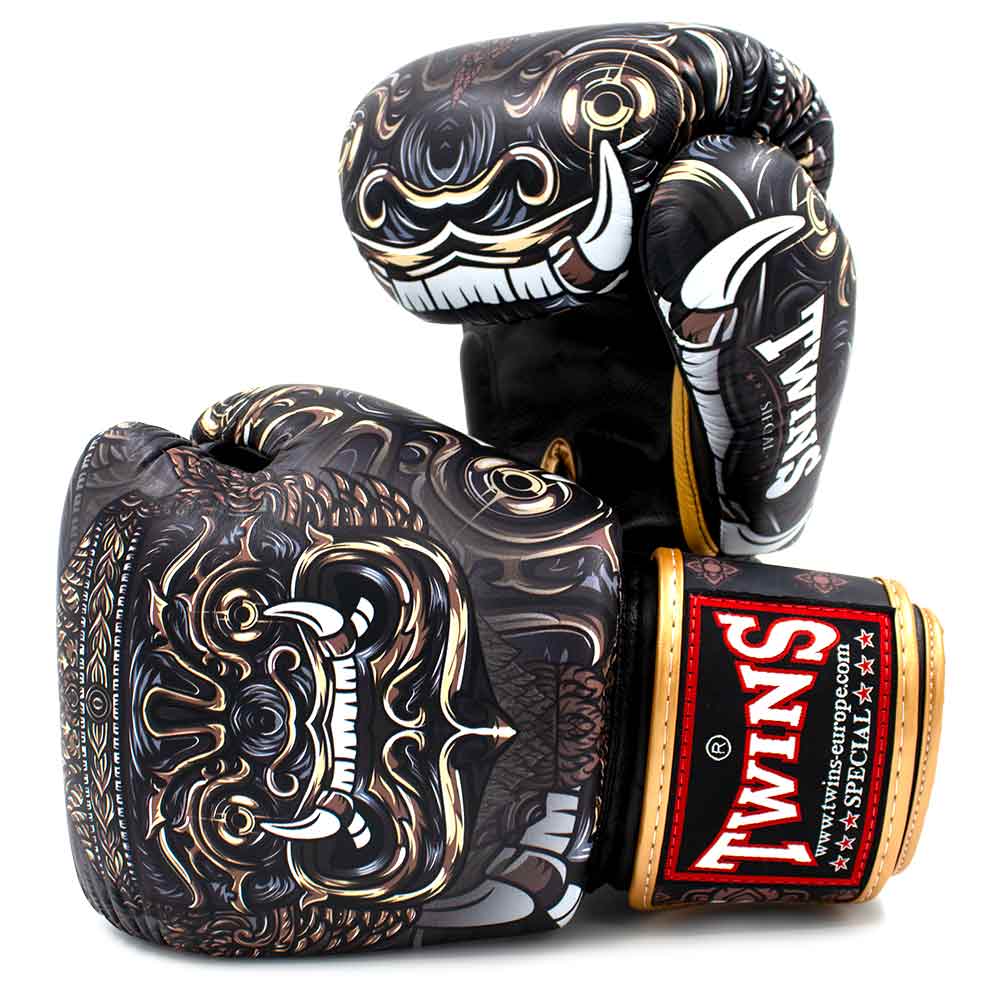
Twins FBGVL63 Yaksha
Our favorite Twins version in this guide combines leather and hook-and-loop fastening with the distinctive Yaksha design. The dark gloves have gold-colored accents and recognizable faces on the backs. Check the fit with handwraps and choose a weight that suits your training. The red BGVL3 and Barong also appear in the product row.
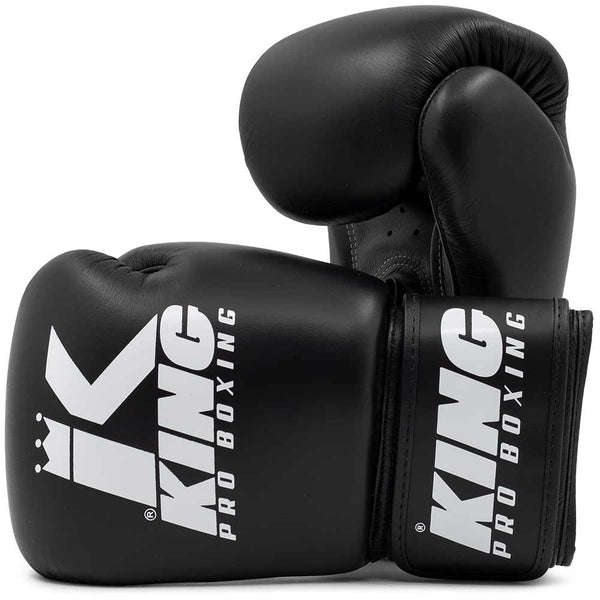
King Pro Boxing BGVL3
This is also a leather model with a wide hook-and-loop fastening. Its relatively short wrist section is a specific difference worth comparing with the Twins. Focus on the room inside with handwraps and how the fastening fits around your wrist, not just the logo.
Don't use hard or worn bag gloves for sparring. Check the padding and exterior regularly. A striking Thai look doesn't change that practical distinction.
Handwraps under your gloves
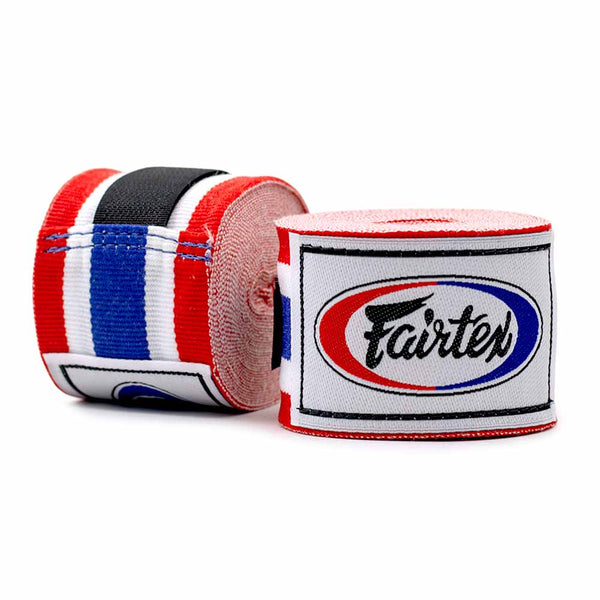
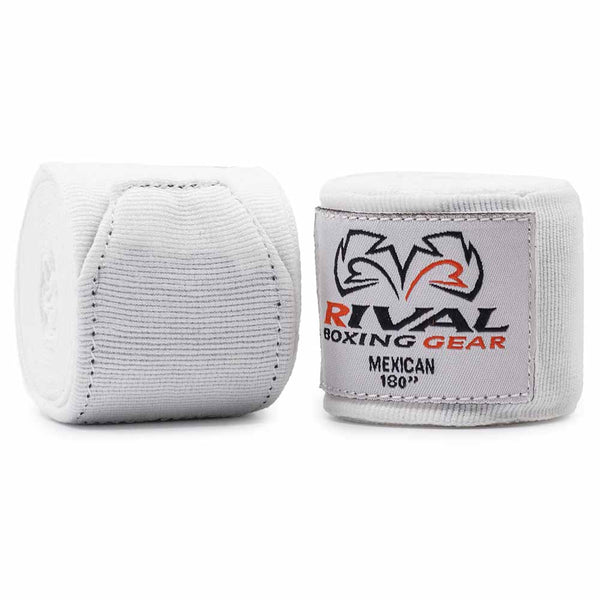
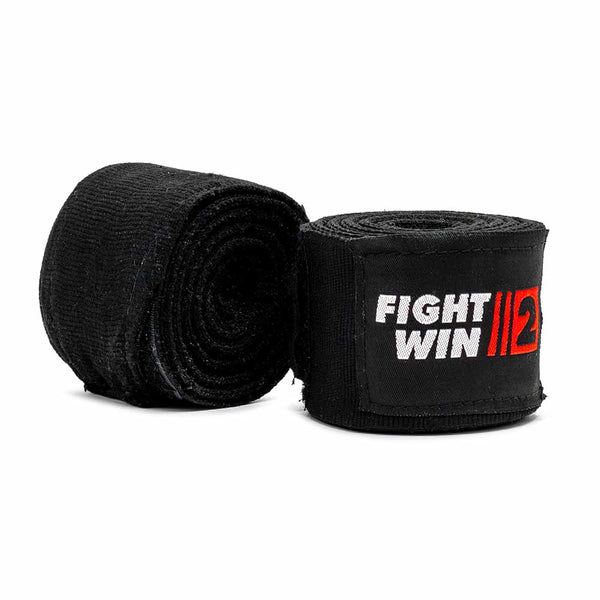
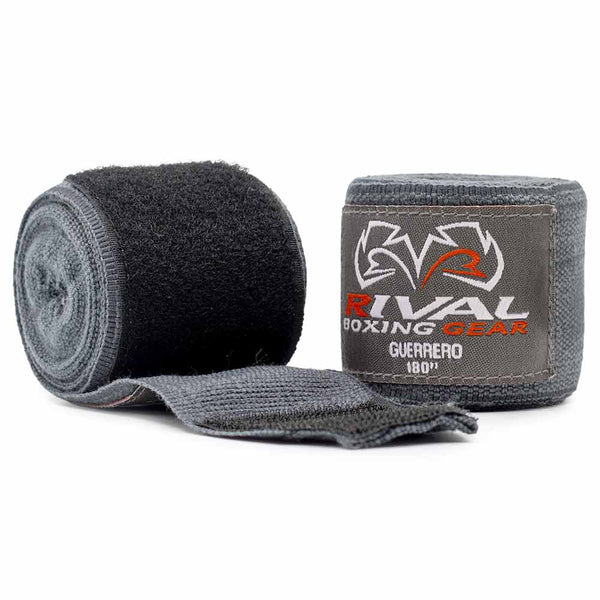
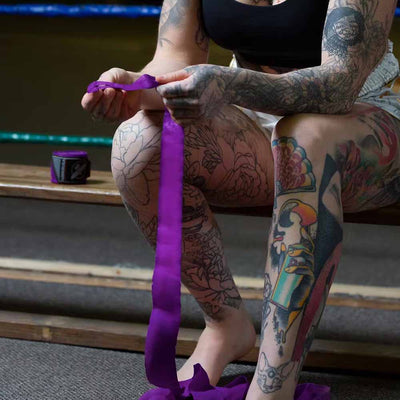
You wrap handwraps around your hands and wrists before putting on your gloves. They let you adjust the fit of the wrap and absorb some sweat. Regular training handwraps are just as relevant for Muay Thai as they are for boxing: you throw punches and wear closed gloves in Muay Thai too.
Wrap snugly, but not so tightly that your fingers tingle or change color. You should be able to open and close your fist normally. The wrap and the glove's hand compartment need to fit together; more layers aren't automatically more comfortable. Both models below are 450 cm long. That's a product measurement, not a requirement for every hand.
Twins Special Cotton 450 cm
A cotton handwrap with a thumb loop and hook-and-loop fastening. A good match for a Twins training kit. The length gives you room to wrap your hand, knuckles and wrist.
XPRT Easy Stretch 450 cm
This handwrap is made from a polyester and cotton blend with a slight stretch. It's a good choice if you like a wrap with a little give. Don't stretch it to its limit when putting it on: the handwrap should still feel comfortable with your fist closed.
Wash handwraps regularly and let them dry completely before rolling them up again. If you prefer something else under your gloves, you can compare handwraps, inner gloves and gel wraps separately.
Shin guards for kicks and blocks
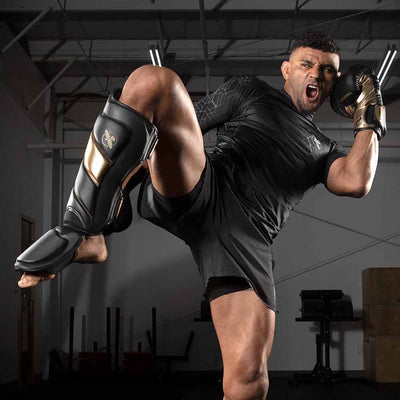
During partner drills, your shins, feet and your training partner's guards come into contact. That's why a well-fitting pair of shin guards is essential for a class involving kicks and blocks. Ankle guards don't have the same padding and can't replace them.
Check the length along your shin, the position of the foot section and the fastening behind your calf. Take a few steps, lift your knee and move your foot. If a guard twists right away or gets in the way below your knee, you need a different size or shape. Use the size chart for that model, not just your clothing size.
Twins SGL7
A model with a Skintex outer layer and a separate foot section. The black version has an understated look. This is our Twins choice to consider alongside the BGVL3 as a complete training combination.
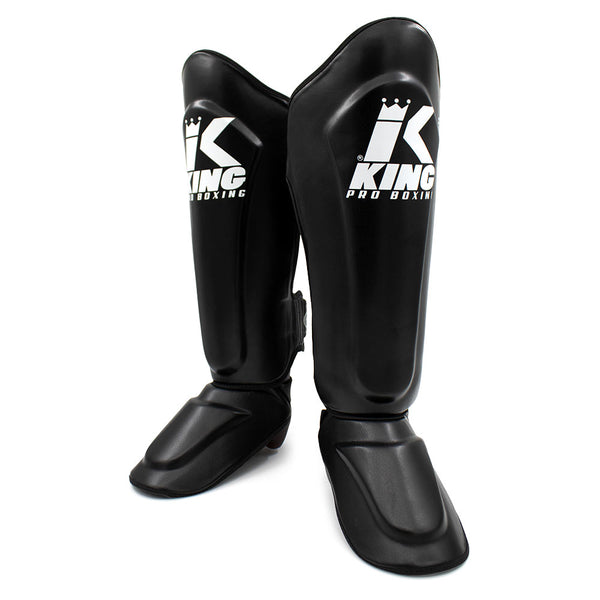
King Pro Boxing SG2
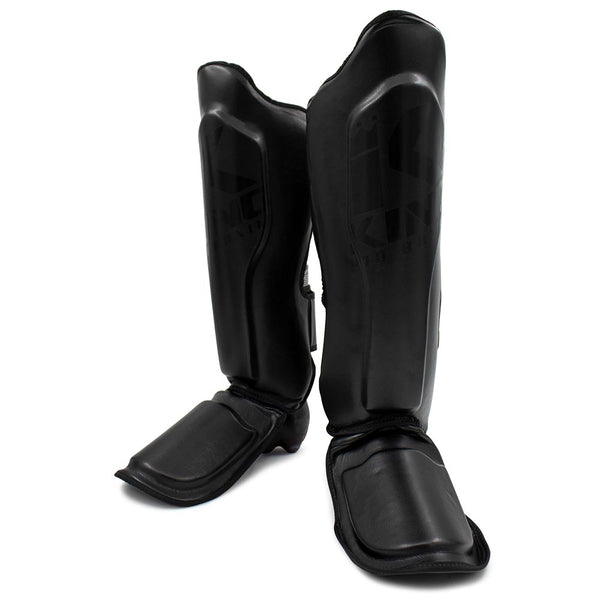
The SG2 also has a Skintex outer layer and a foot section. Compare its shape around the shin, ankle and instep with the Twins. That tells you more than assuming two black models in the same size will fit the same way.
King Pro Boxing SGL7
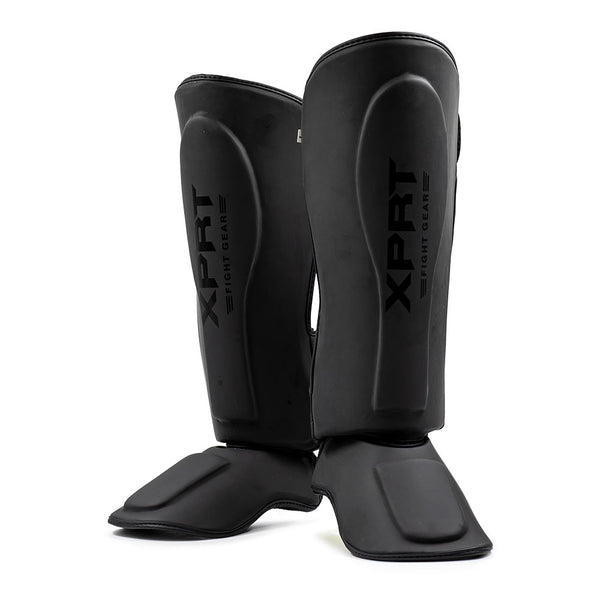
The SGL7 is another King model to compare with the SG2. Pay particular attention to the fit around your shin, calf and foot. The product range also includes the white Twins SGL7 and the XPRT Pro V3 Midnight.
A mouthguard for contact training
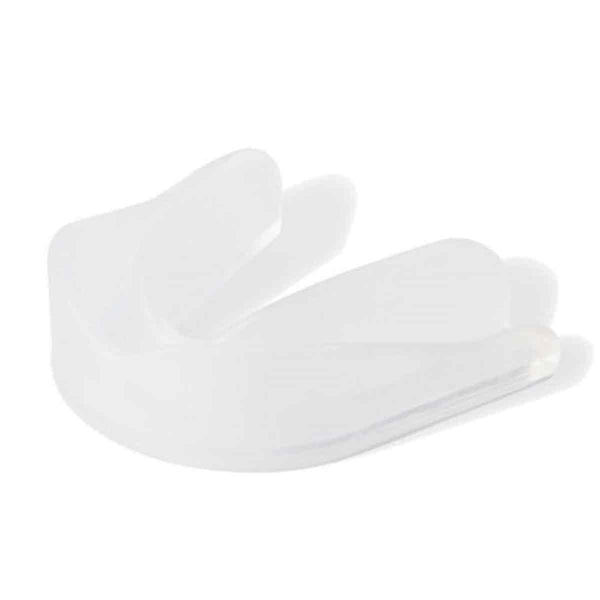
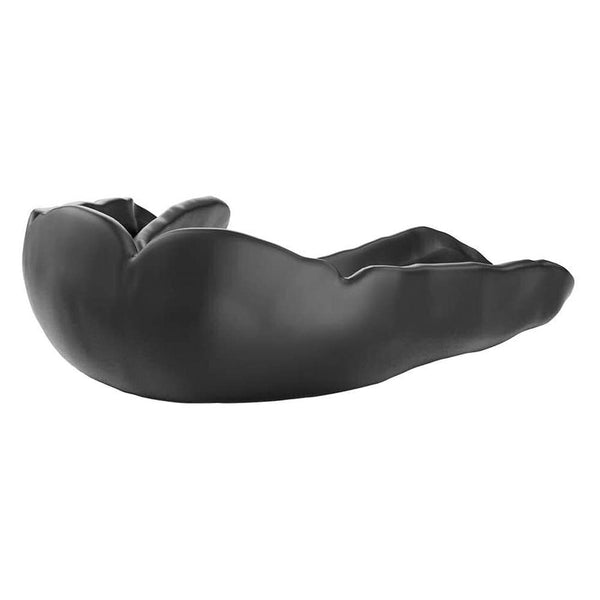
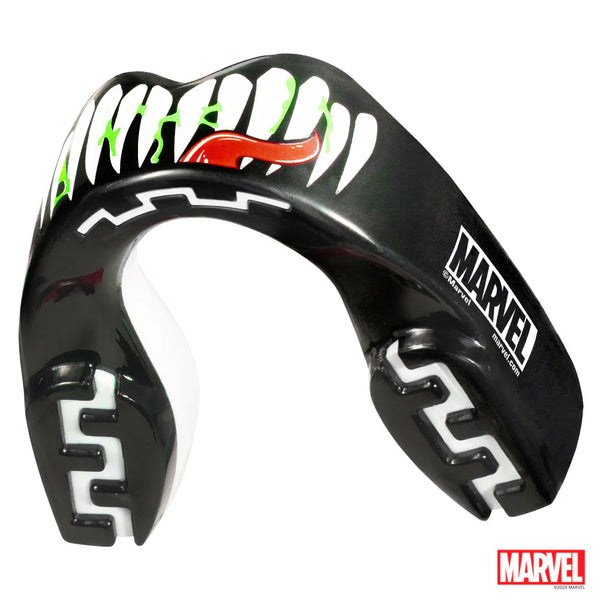
A mouthguard isn’t just for your first competition. As soon as you practice with contact or do sparring, it’s part of your gear. Choose a model you can mold according to the instructions and that stays in place without you having to keep clenching.
Take the fitting process seriously and follow the instructions for the model you choose. A junior mouthguard is not automatically the right fit based on age alone; the actual fit still matters. If you have braces, choose a model designed for them rather than trying to mold a standard one around your braces.
Shock Doctor Gel Max
The Gel Max is our go-to starting point for a moldable mouthguard. Shape the Gel-Fit inner layer to your teeth according to the included instructions. Then check that the mouthguard stays in place. The black version is the example here; for competitions, also check which colors are allowed.
Rinse the mouthguard after use, let it dry and store it in a ventilated case. Replace it if it is damaged or fits poorly. A mouthguard is protection, not a reason to accept harder contact.
A cup has its own place in your gear
In a sport with kicks, knees and clinching, a movement can land differently than intended. A cup is therefore a practical basic choice for partner drills and sparring. It should stay in place when you step, lift a knee and turn your hips.
It’s not just about the letter on the packaging. The cup shape, waistband and room under your shorts all affect the fit. Choose a men’s or women’s model that suits your body and how you use it. Below are two training examples, not a statement that either is approved for every competition format.
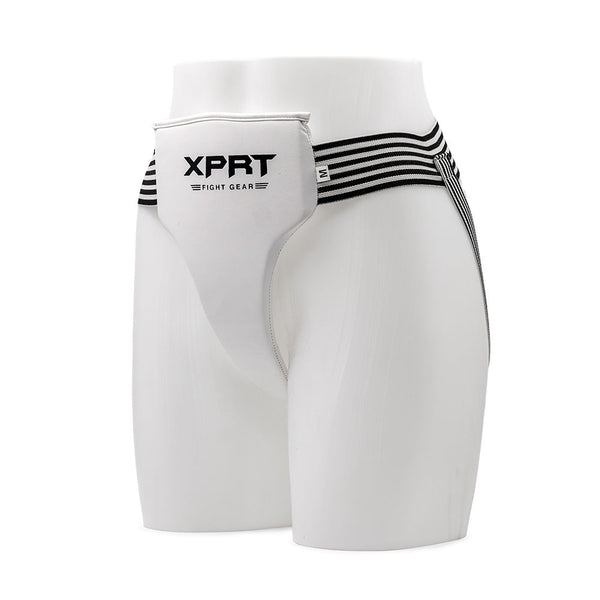
XPRT Basic men’s
A model with a removable plastic cup and an elastic band. The removable part allows you to wash the fabric section separately. After putting it on, check that the cup stays in place during the movements you practice.
XPRT Basic women’s
This women’s version has a differently shaped protective section with a PU outer layer and an elastic waistband. Check the fit around your hips and groin under your training shorts. A men’s model is not simply the same choice in a smaller size.
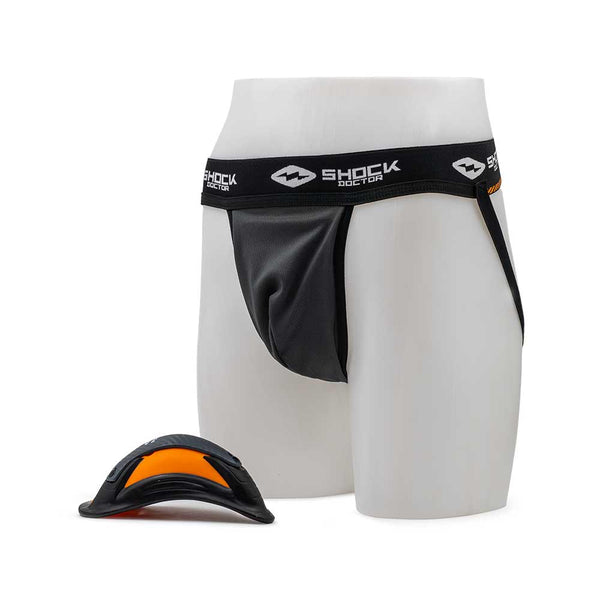
Shock Doctor Ultra SD329
The Ultra SD329 is a men’s model with a removable cup and elastic waistband. Check how the cup and edges fit when you step and lift your knee. Removing the cup lets you wash the fabric portion separately.
For competitions, specific materials, designs and additional protection may be required. A regular training groin protector is not automatically an approved competition model just because of its product name.
The thai boxing short: room for kicks and knees
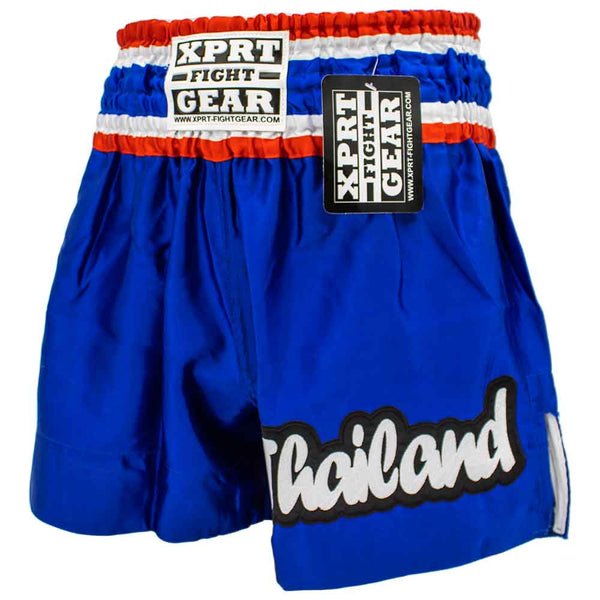
You can recognize a thai boxing short by its short legs, loose fit and wide waistband. The side openings give the fabric room when you lift your knee or throw a kick. That is a practical reason for the cut, not just a matter of the familiar Muay Thai look.
Pay attention to the waist, hips and room to move. The same size letter may fit differently across brands and models. Satin describes a weave and appearance, not necessarily silk or a particular fiber composition. So you cannot judge shiny shorts by that term alone.
Twins TTE
A simple black model with a wide elastic waistband, drawstring and Twins logo. A good option if you want a classic short cut without a busy design. The side slits give your legs room to move.
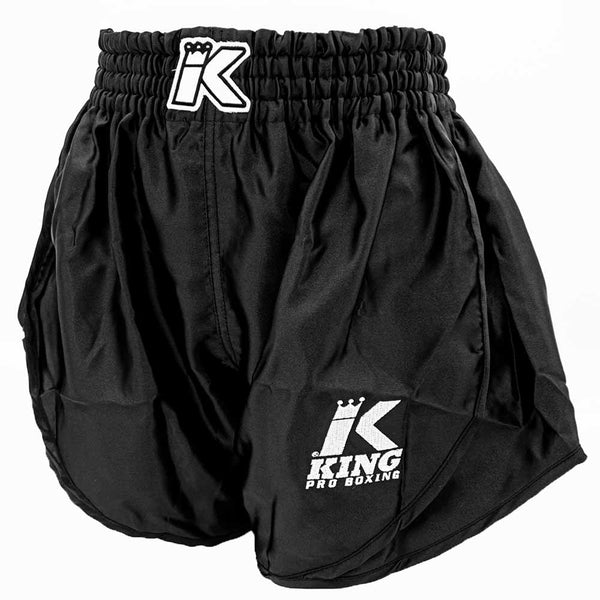
King Pro Boxing Retro Hybrid 1
The Retro Hybrid 1 combines black satin with rounded legs and contrasting accents. Compare the leg openings and waist with the Twins models. The retro look is a design choice, not a different technical level.
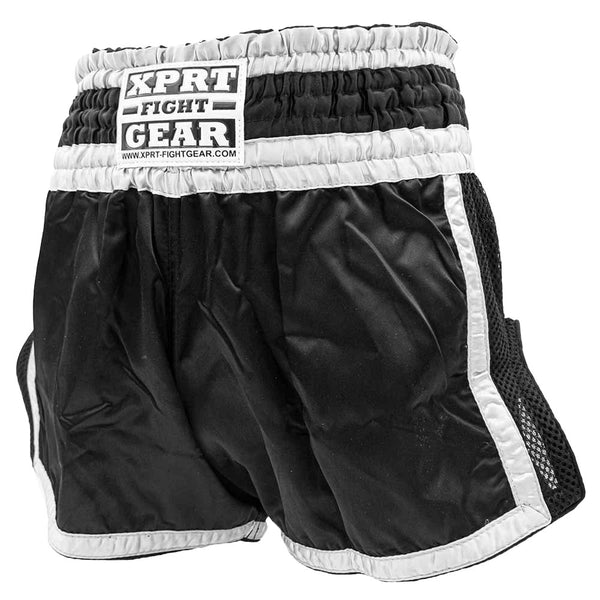
XPRT Thai Neo Black-Silver
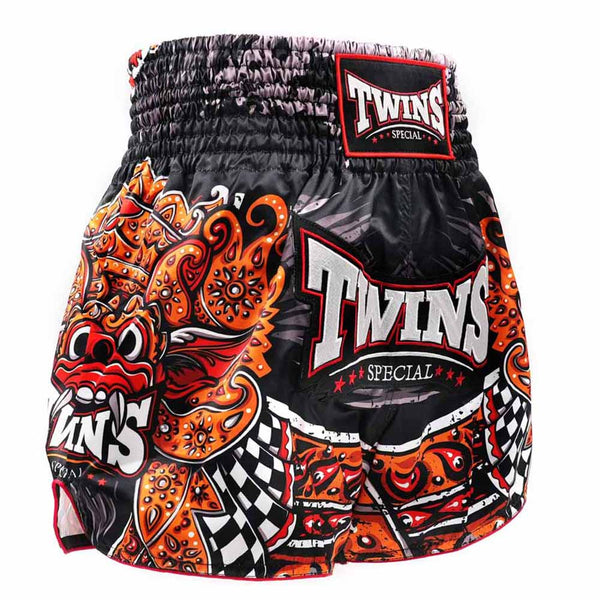
The black-silver Thai Neo offers a contrasting design with a wide waistband and short legs. Compare the waist and the room around your legs with the Twins and King models. The product list then continues with other Twins designs.
Elbow pads for targeted drills
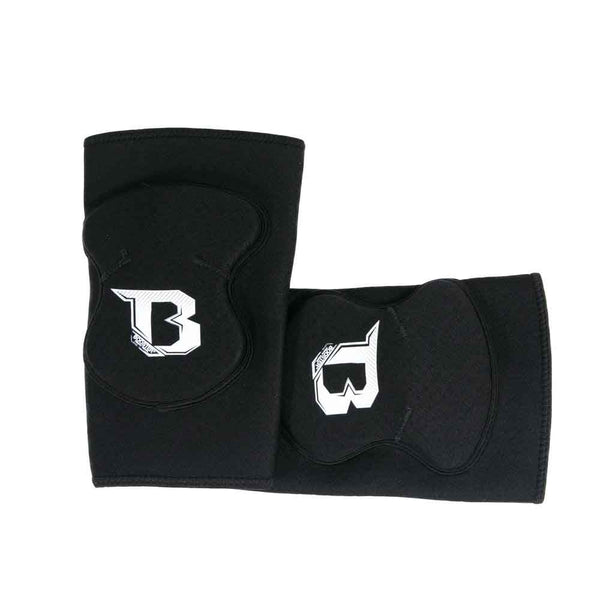
Elbows are part of the Muay Thai technical repertoire, but not every class involves elbow contact. For partner drills that do, use suitable elbow pads. Your regular boxing gloves do not cover your elbows.
A protector should stay over the intended part of your elbow as you bend and straighten your arm. Check that the fabric does not roll up and the padding does not slip away from the tip of your elbow. Protection does not make uncontrolled elbow contact acceptable; follow the agreed exercise and intensity.
Booster B-Force
A model with an elastic slip-on section and a padded elbow area. Check how it fits around your arm and how the padding stays in place when you bend it. The black version is easy to pair with other training gear.
Ankle guards as an additional training option
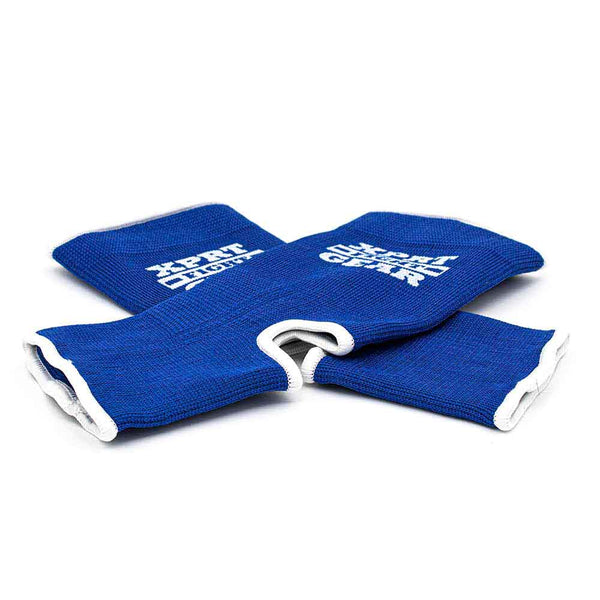
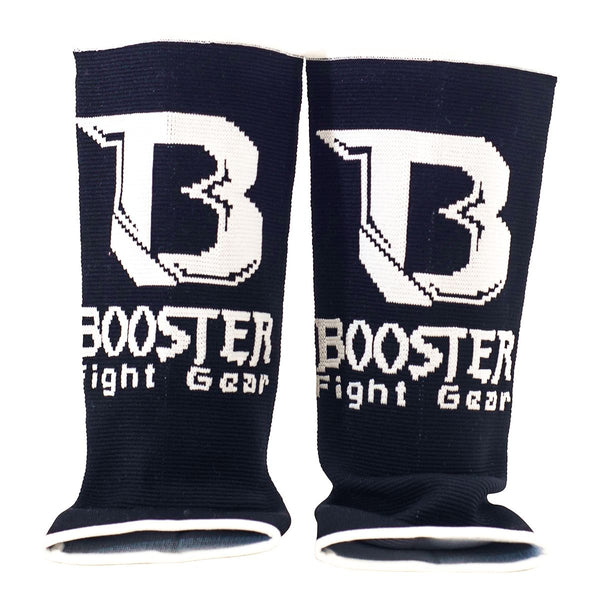
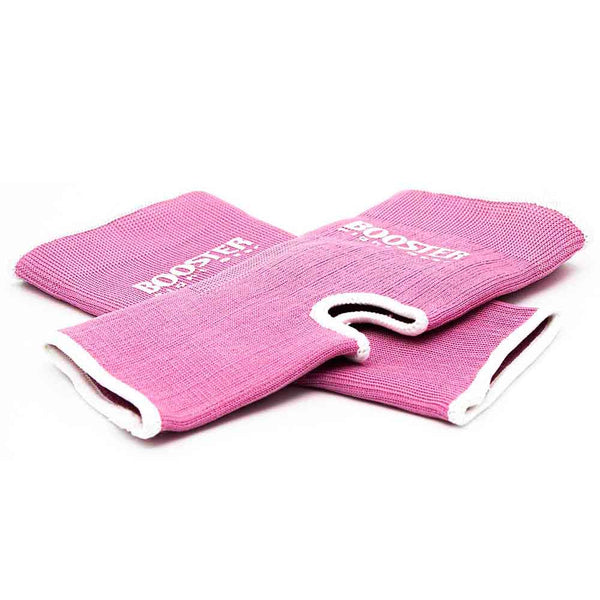
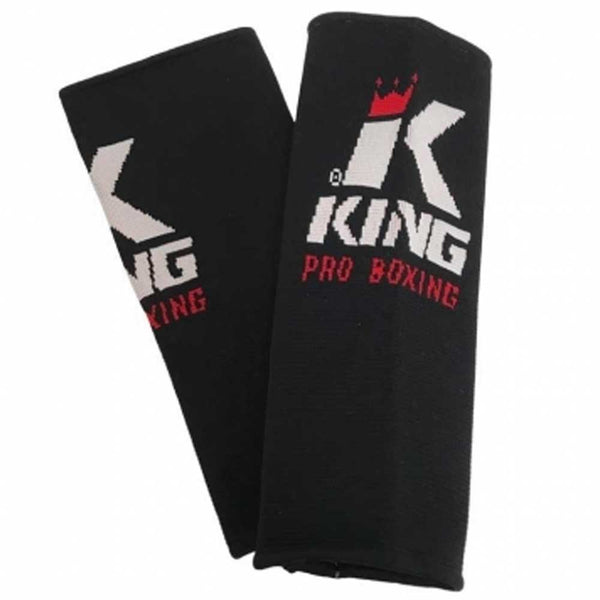
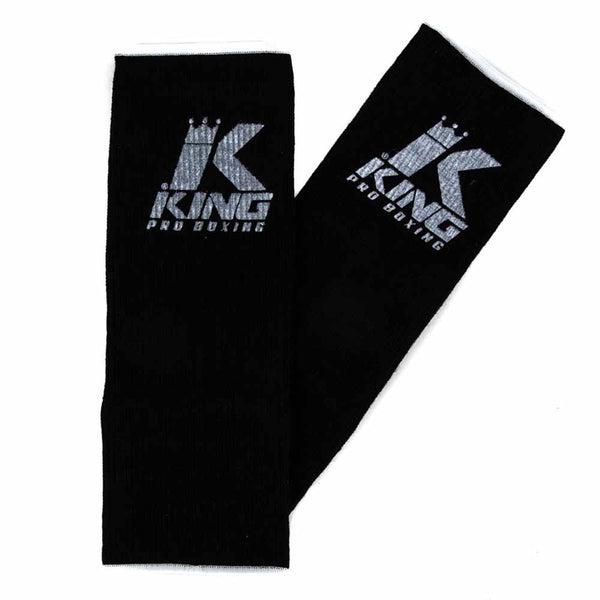
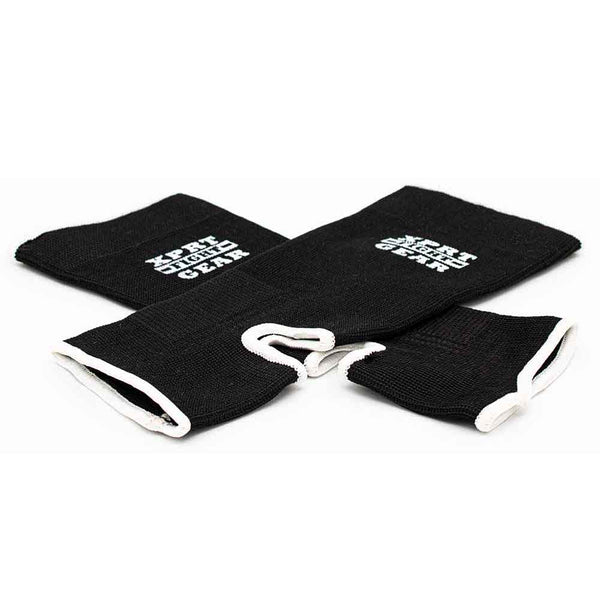
The open heel and forefoot of Muay Thai ankle guards leave parts of the foot uncovered. You wear them around the ankle and midfoot. For those who find them comfortable during training, they are a familiar addition to shorts, gloves and shin guards.
Do not treat them as shin guards, a treatment for an injury or a guarantee against ankle sprains. Choose a snug fit that does not feel tight, and check that the fabric does not bunch up uncomfortably when you move. If you are in pain, pulling them tighter is not the answer.
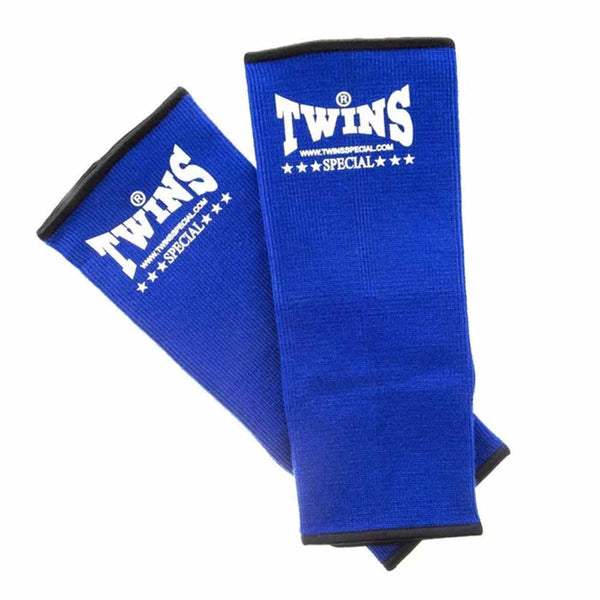
Twins Special AG Thai
The AG Thai is a fabric ankle guard with an open heel and forefoot. The blue version is the example for this section. It is a practical addition to your training gear if you like wearing this type of ankle guard.
XPRT Stretch
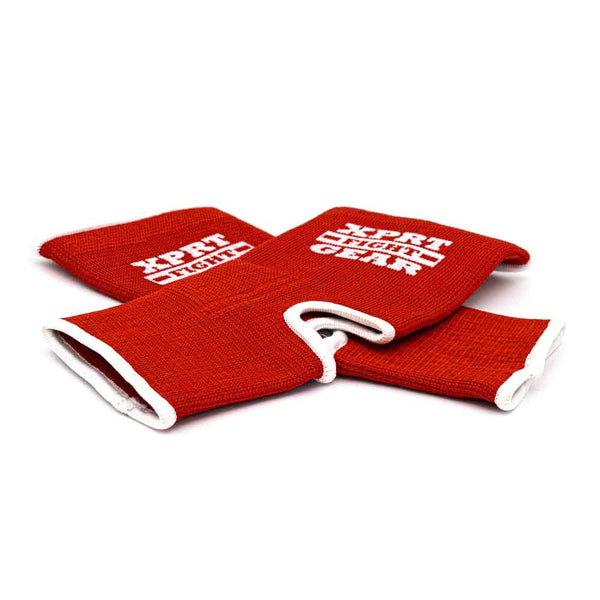
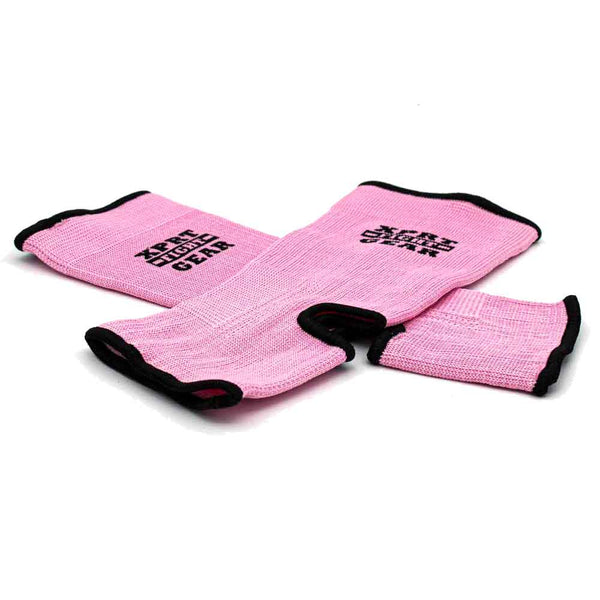
The black XPRT Stretch is our choice for this combination. The ankle guard has an open heel and forefoot, with white trim around the foot opening. You will also find other XPRT colors in the product row.
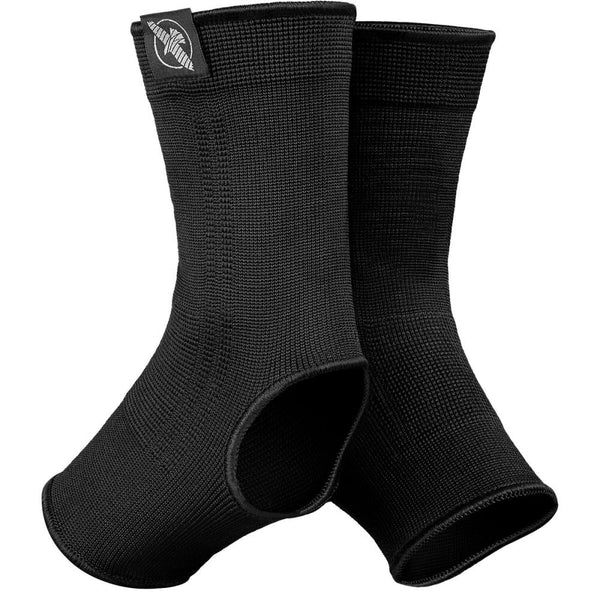
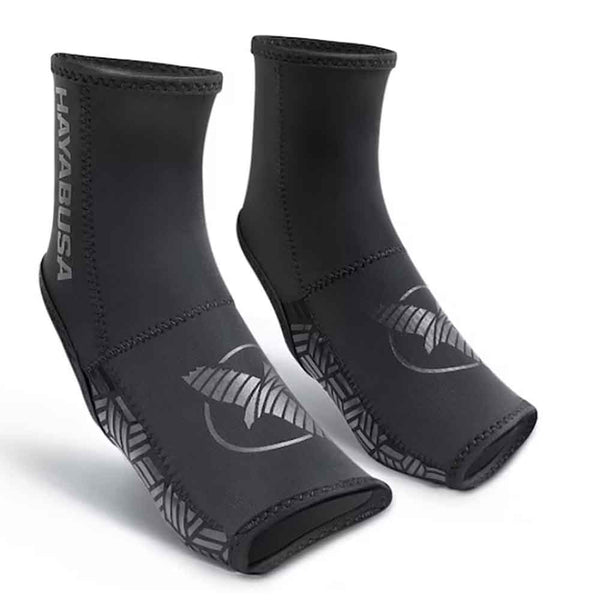
Hayabusa Support 2.0
The black Hayabusa Support 2.0 also has an open heel and forefoot, with a understated finish and a Hayabusa logo at the top. Compare its fit and feel with XPRT and Twins.
Note the difference for competitions: the IFMA rules of May 11, 2026, prohibit ankle protection, including fabric ankle guards and tape. That is separate from what feels comfortable during a regular class. A photo from another event is not proof that they are allowed in this format.
Bag, pads, clinch and sparring call for different choices
On the punching bag, you work independently on combinations, rhythm and positioning. With pads, the pad holder is involved: the targets move, and you need to maintain your distance. For both types of training, wear suitable gloves with handwraps, while the pad holder has their own equipment and role.
The clinch is not just about throwing knees. You also work on posture, balance, and the position of your arms and body. Loose jewelry, hard protruding parts and sharp hook-and-loop edges have no place there. Keep the drill manageable and agree clearly on what you will and will not do.
Sparring is different from hitting a bag as hard as you can. Use suitable, undamaged sparring gloves and the agreed protective gear. Knees and elbows are not automatically part of every round just because they are used in the sport. A good set of training gear supports the drill; it does not determine how hard you hit each other.
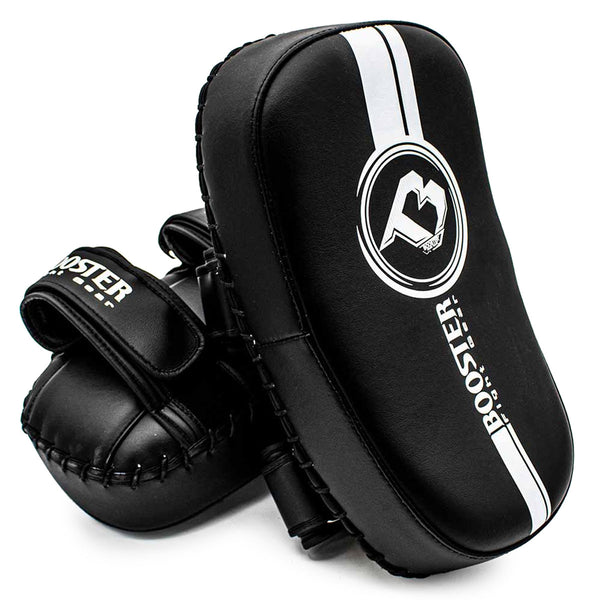
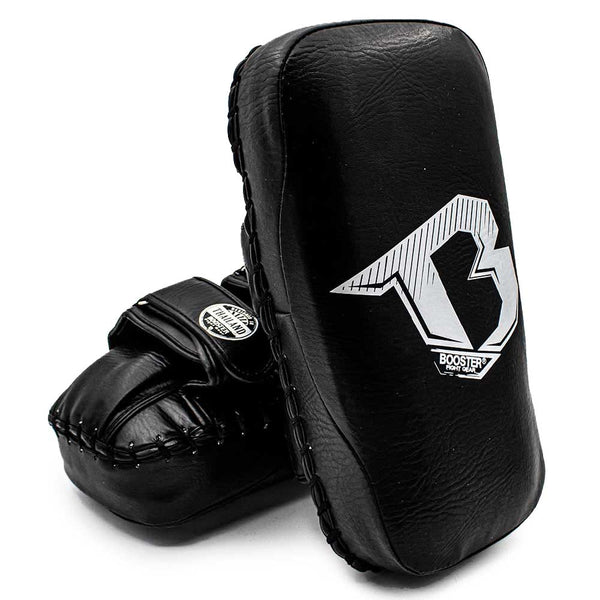
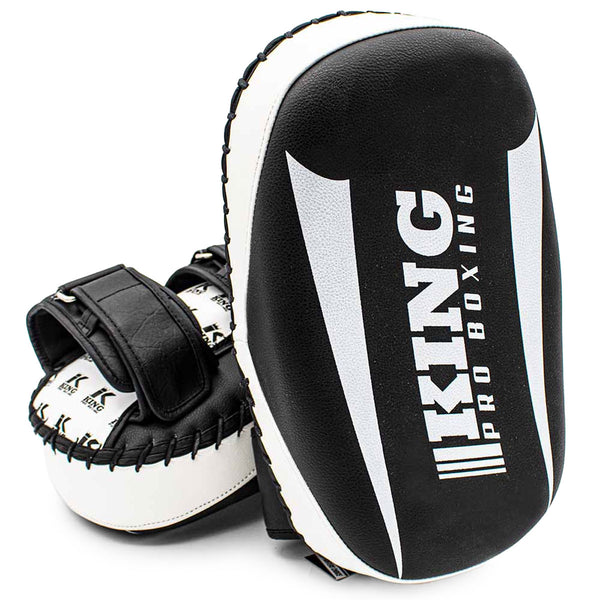
Thai pads for kick and knee combinations
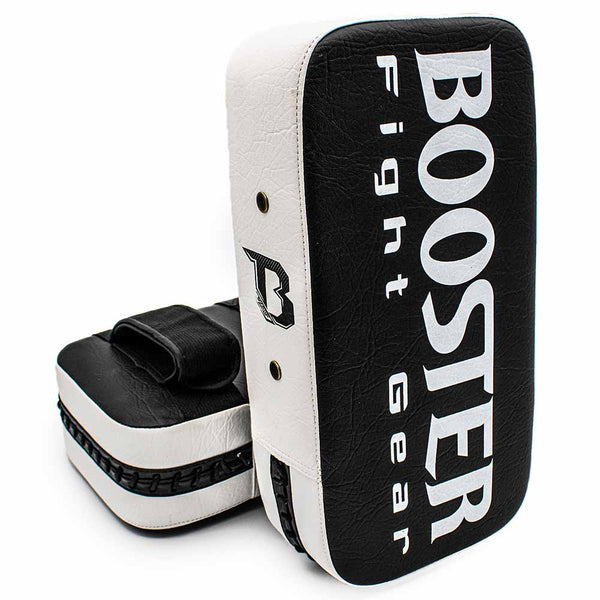
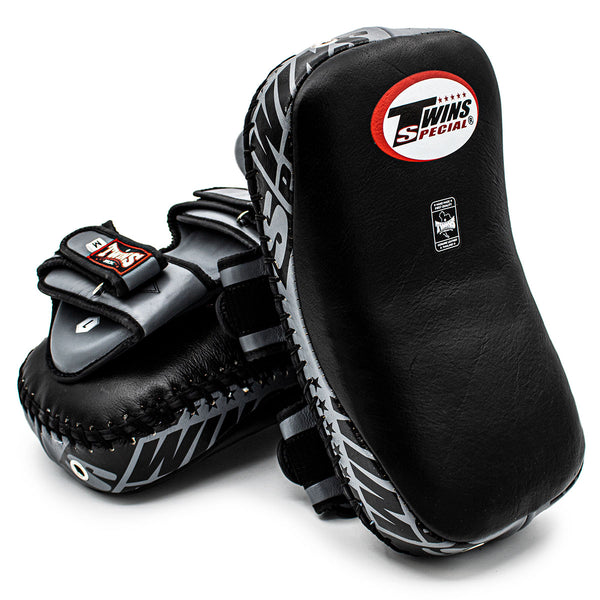
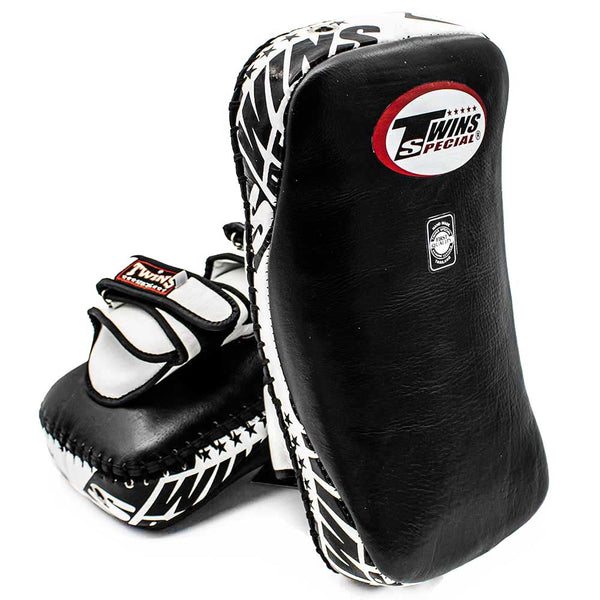
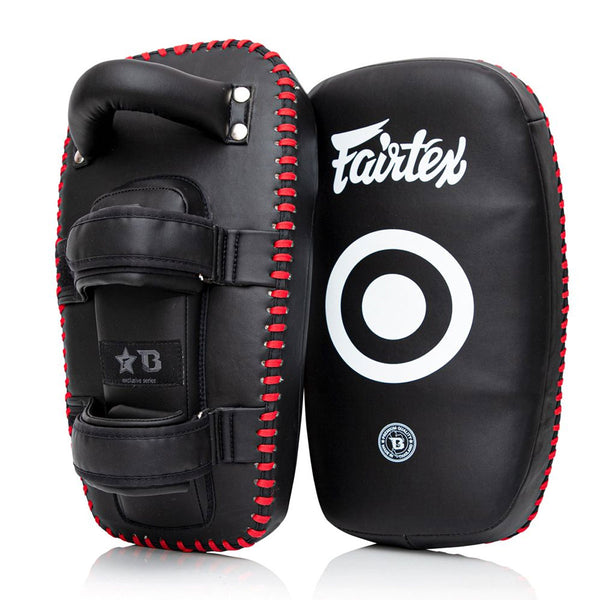
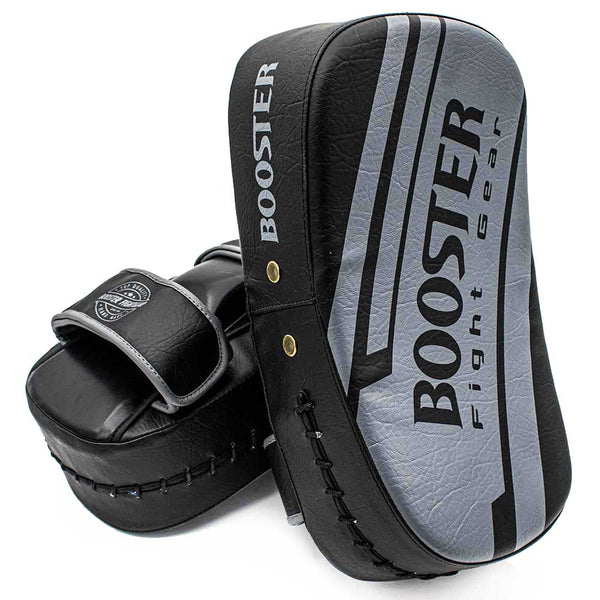
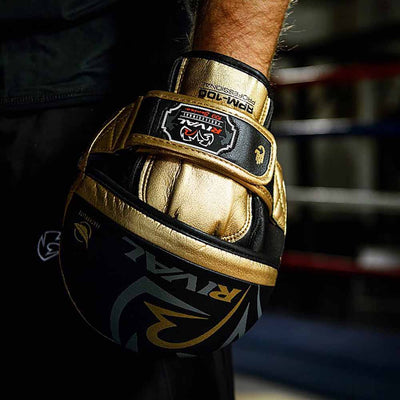
Thai pads offer a larger target than compact punching mitts. With a handle and a forearm strap, the pad holder can present different targets for punches, kicks and knees. Using two pads together suits the rhythm of Muay Thai, where you link those techniques.
If you train with a partner at home or outdoors, having your own pair lets you set up focused training sessions. The pad holder needs to be able to hold the pads comfortably. So size and weight matter to more than just the person punching or kicking them.
Twins TKP
The leather Twins TKP has a handle and forearm straps and is available in M and L. Compare the dimensions of the two versions with the space the pad holder needs. The largest model is not automatically the most practical choice for every combination.
Start with a familiar combination and clear goals. Then gradually build up movement and pace. For a more detailed comparison of punching mitts, hybrids, Thai pads and worn protective gear, our trainer and personal training guide is the next step.
Training and competition rules are not the same
Training gear and competition gear are not necessarily the same. Below, we use the IFMA rules of May 11, 2026 as a concrete example, without assuming they are the rules for every gym, organization or professional event.
After training: dry, well-cared-for gear in your sports bag
Take wet gear out of your bag when you get home. Open the fastenings on gloves, shin guards and pads, and let everything air-dry. Wash handwraps and clothing separately according to their care labels. Only put dry gear back in your bag once the inside has had enough time to air out, too.
Wipe the outside of gloves and protective gear with a soft, slightly damp cloth. Do not use Sukkiri or FreshKO on the outer material, even if it is synthetic. Sprays like these are for caring for the inside of gloves. Use a suitable leather conditioner only on compatible smooth leather, not on Skintex or PU.
Gloves do not belong in the washing machine, the dryer or under water. Direct heat is not a good way to dry pads or shin guards either. When putting your gear away, check the padding, seams and fastenings. That way, you can spot damage before your next training session.
Choose gear that suits your Muay Thai training
Good Muay Thai gear starts with the essentials: gloves with handwraps, shin guards, a mouthguard, a cup and shorts that allow you to move freely. Then choose elbow pads, ankle guards or your own Thai pads according to your needs. Not because every item belongs in every class, but because each serves a specific purpose in your training.
The traditional side deserves more than a passing mention, too. Wai Kru, Ram Muay, mongkhon, pra jiad and music connect modern thai boxing with teachers, schools and Thai culture. Knowing their meaning helps you understand the sport better, without confusing ceremonial items with protective gear or universal competition rules.
So consider the shape and fit, the exercise and the context. That way, you can make a thoughtful choice about how you want to train Muay Thai, with attention to both the equipment and the tradition.