You wear handwraps, inner gloves, and gel wraps under your boxing gloves, but they don't do exactly the same thing. With a handwrap, you decide how to distribute the fabric over your hand, knuckles, and wrist. You pull on a simple inner glove like a garment. A gel wrap adds padding and may also have a wrist strap or a longer, integrated handwrap.
The best choice therefore depends on more than just how quickly you want to be ready. The fit of your boxing gloves, the amount of room around your knuckles, and your preference for an adjustable wrap also matter. A gel wrap that feels comfortable on your bare hand can take up too much volume in a snug-fitting glove. A long handwrap offers more ways to wrap, but it isn't automatically better if you can't comfortably accommodate the extra fabric anywhere.
Here we compare the three solutions for boxing, kickboxing, bag training, pad training, and sparring. With concrete examples from XPRT, Fight2Win, Hayabusa, Rival, and Winning, you'll see where the real differences lie. There is no fixed division by men, women, or ages, but a choice based on your hands and your training.
1. The difference at a glance
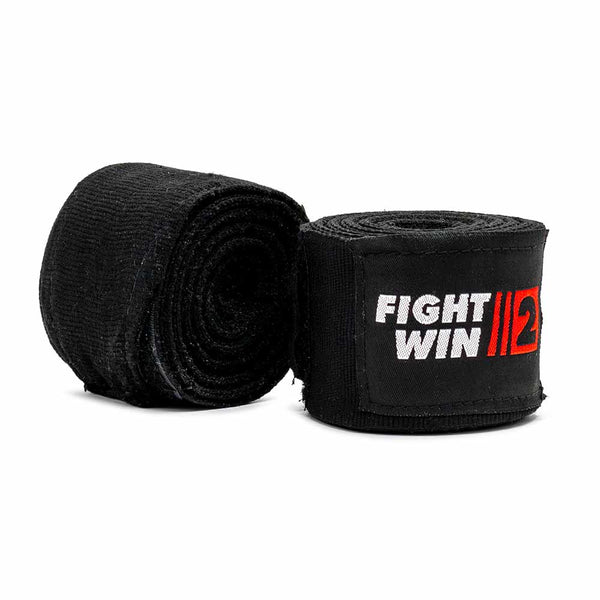
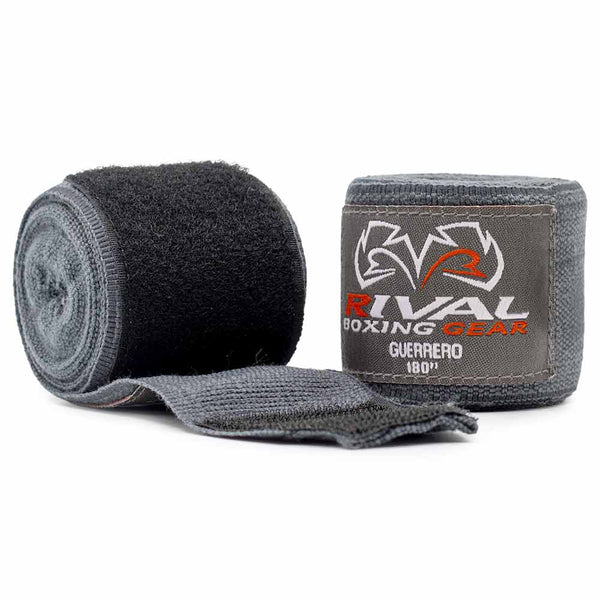
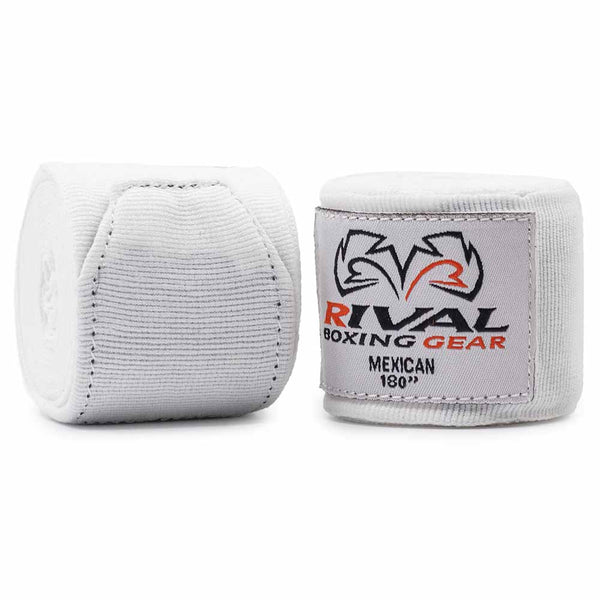
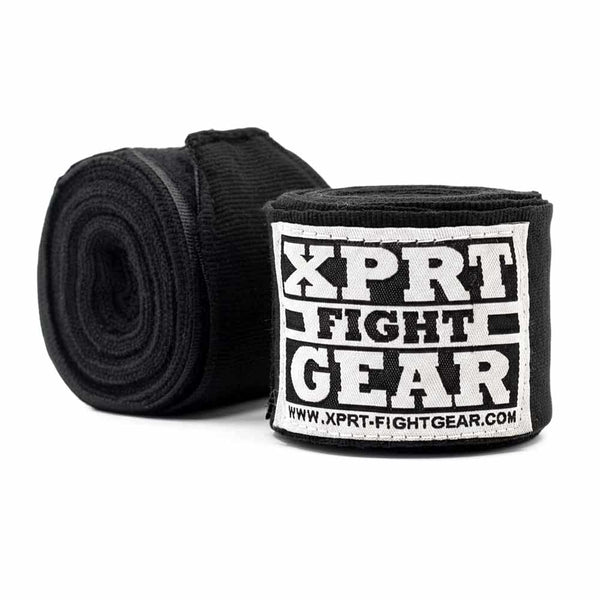
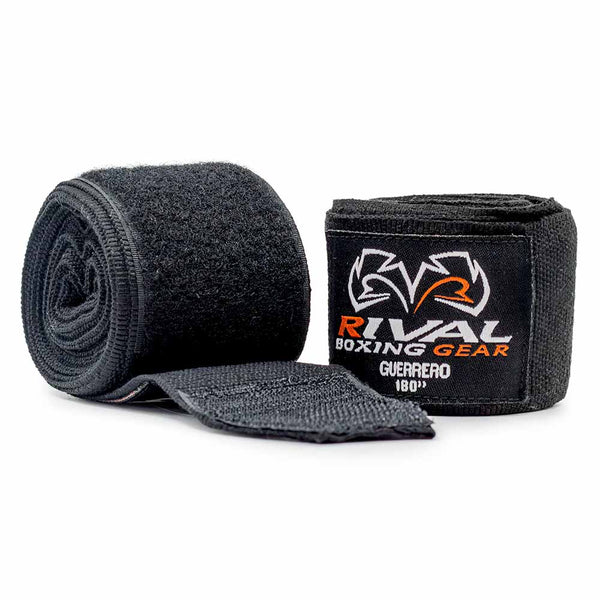
A handwrap is a long strip of fabric that you wrap around your hand. You distribute the fabric over different parts of your hand and generally secure the wrap with hook-and-loop fastening. Length, width, thickness, and stretch together determine how much material you have and how that material can be applied.
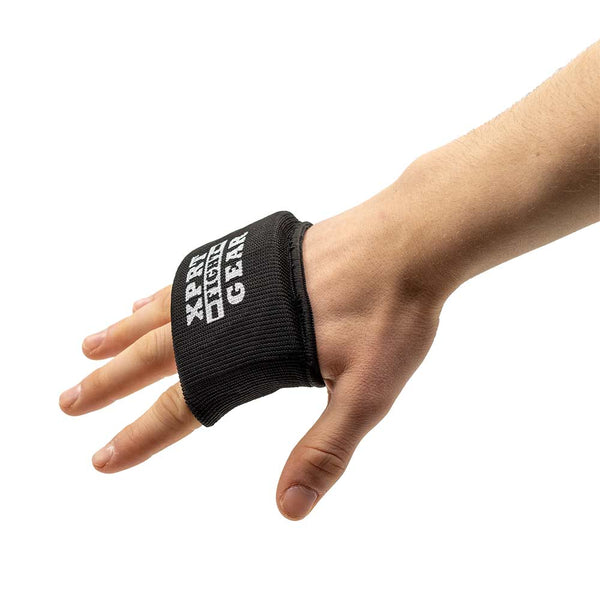
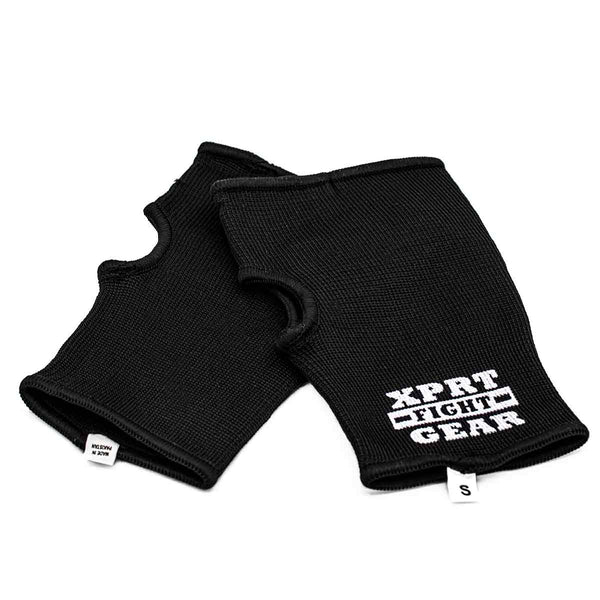
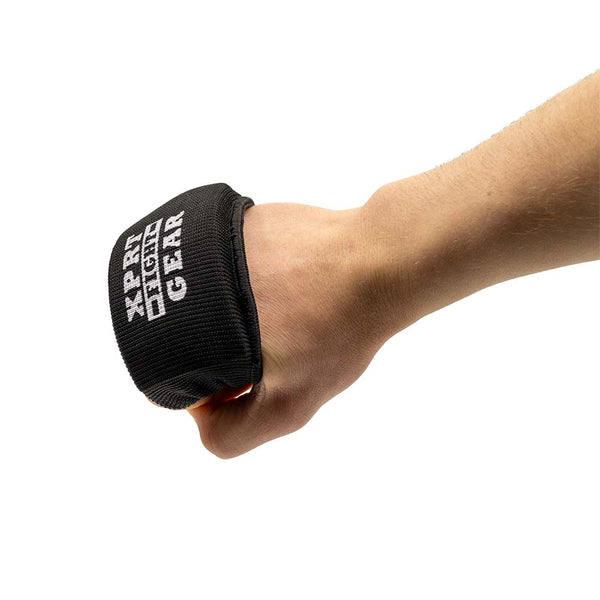
A simple inner glove is a pull-on layer worn under your boxing glove. This layer can be convenient if you want to get started quickly and don't want to roll up a separate handwrap. You can't adjust the distribution of the fabric in the same way as with a wraparound handwrap. The size and construction therefore need to fit your hand well from the outset.
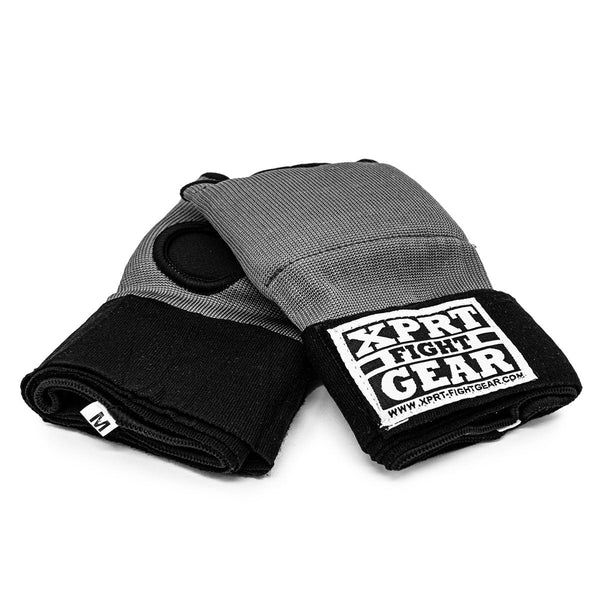
A gel wrap is usually a pull-on model with extra padding around the knuckles. Some models have a short strap around the wrist, while others combine the inner glove with a considerably longer handwrap. That latter difference is important: two products that are both called gel wraps can be put on in very different ways.
So don't think of gel wraps as a completely separate world from inner gloves. They are often inner gloves with padding and an additional closure or wraparound strap. The product name helps you search; the design determines what you actually put on.
2. Padding and a wrap are two different things
In this comparison, two properties can easily be confused: an extra layer over the knuckles and a wrap around the hand and wrist. A padded inner glove can have noticeably more volume over the knuckles than a thin fabric model. That doesn't tell you how many options you have for wrapping the wrist or the rest of the hand.
Conversely, with an ordinary handwrap you can place several layers of fabric over the knuckles without the product containing gel. You then decide how much length you have left for the hand and wrist. That is the practical advantage of a separate handwrap: the distribution is not completely fixed.
That is why the question “which one offers the best protection?” isn't very useful without further context. You want to know which construction fits well, how to apply it, and whether your hand then sits normally in the boxing glove. More padding is not a reason to accept a combination that is too tight. A tighter wrap is not automatically a better wrap either.
Handwraps and gel wraps also don't replace the padding and fit of your boxing gloves. An accessory under the glove doesn't suddenly make an unsuitable glove model suitable for sparring or intensive bag training.
3. Handwraps: the most adaptable solution
The biggest advantage of handwraps is that you're not tied to one predefined distribution. You can adjust the wrap to your hand and to the space inside your boxing glove. One athlete prefers little fabric in the palm; another finds a more extensive wrap comfortable. With the same handwrap, you can emphasize different areas.
That freedom does require you to pay attention when applying them. If the fabric folds over, it can create a noticeable ridge. If you stack many layers in one place, the combination with your glove may become too tight. And if you stretch an elastic handwrap to its maximum every time, the wrap may end up considerably tighter than you intended.
You don't have to make putting them on more complicated than it is. More important than an impressively complicated pattern is that the fabric lies flat, the fastening sits properly, and you can comfortably open and close your hand. Our separate guide on putting on handwraps covers the actual steps. This comparison first helps you choose what you want to use.
When would you choose handwraps?
Choose handwraps if you want to determine the distribution around your hand and wrist yourself and consider wrapping a normal part of your preparation. A loose handwrap can also be a logical alternative when a pre-shaped gel wrap does not fit your knuckles properly. You are then not dependent on the position of a permanently sewn-in pad.
The main disadvantage is practical: you have to put them on, unwrap them, and roll them up again. If you train several times a week, it may be convenient to use several clean pairs. This is not a required number, but a way to avoid having to fit washing and drying in between two training sessions.
4. The right length: look at your wrapping, not your gender
A short handwrap contains less fabric, while a long handwrap offers more ways to distribute that fabric. That sounds obvious, but many sizing recommendations then turn it into a fixed distinction: short for children and women, long for men. A hand does not work that simply.
Hand size, wrapping pattern, and fabric thickness are better starting points. With large hands, you use more length for the same route. If you place more layers around the knuckles or wrist, you also need more fabric. A thicker handwrap also takes up space in the glove more quickly than a thinner model.
The XPRT Easy Stretch is available, among other lengths, in 250 and 450 cm. Those lengths make your choice clear: a shorter or more extensive wrap. The 250 cm is not automatically the right choice for every small hand, and the 450 cm is not mandatory for every adult. What matters is that your desired wrap comes out neatly without unnecessary layers.
Also pay attention to the end. If you can only use up the remaining length by repeatedly wrapping a thick ring around your wrist, the chosen length may not suit your wrapping pattern. If you run out of fabric before wrapping your hand and wrist as you want, a longer model is worth considering.
5. Stretch or non-stretch: what changes when putting them on?
A handwrap with slight stretch can give a little while you are applying it. A non-stretch handwrap does not do that in the same way. You notice the difference mainly when distributing tension: how tightly do you pull the fabric, and how does the wrap feel when you then make a fist?
The XPRT Easy Stretch is a polyester-cotton blend with slight stretch. The XPRT Non Stretch is a cotton version without stretch and is 450 cm long. So you are comparing two different ways of wrapping, not simply an entry-level product with a “better” handwrap.
Stretch is not a guarantee against wrapping too tightly. You can actually stretch elastic fabric too far and create an uncomfortably tight wrap. Non-stretch is not just for professionals either. It mainly requires you to pay close attention to how the fabric lies and check how your hand moves once you are finished.
Winning VL-B and VL-C: the design also differs within a single brand
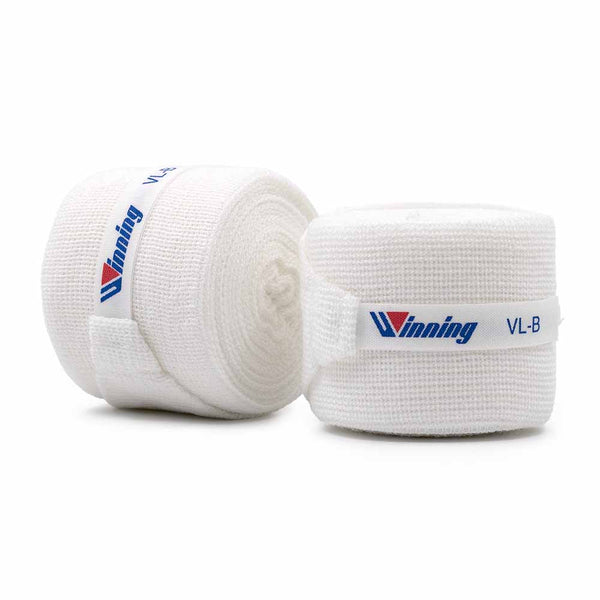
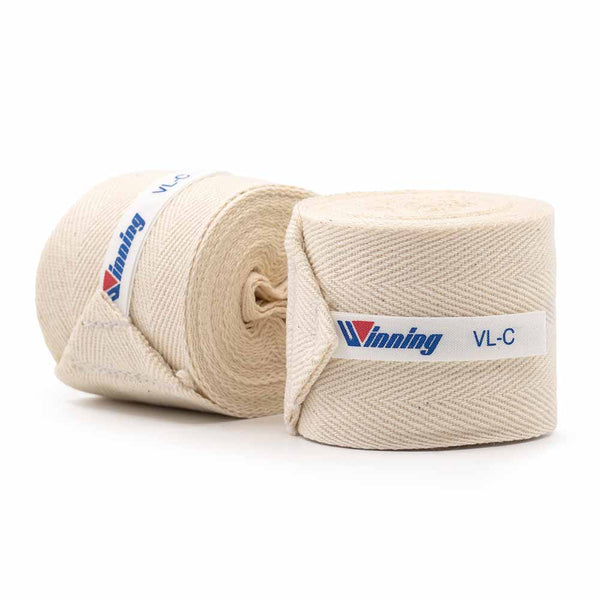
With Winning, the distinction between VL-B Extension Type and VL-C Non Extension Type illustrates the same principle. The VL-B is the rayon version with stretch; the VL-C is the non-elastic cotton version. The VL-C is specified as 400 cm long and 5 cm wide.
So do not choose based only on the name Winning, but on the type of handwrap you want to put on. If you enjoy wrapping with a light stretch, you do not need to switch to non-stretch just because it sounds more traditional. Conversely, you do not have to choose an elastic model if you prefer fabric that does not give.
6. Simple inner gloves: little preparation, less adjustability
The appeal of simple inner gloves is their immediate usability. You pull them on, check the fit, and put your boxing gloves over them. There is no long strip of fabric that you first have to distribute around your hand. This can be convenient for a short training session, a group class, or when you simply do not want to use loose handwraps.
The XPRT Basic inner gloves are a concrete example. The black and pink versions are made of polyester with elastane. They form a lightly elastic fabric layer and are machine washable. This makes them different from the XPRT EZ Padding gel wraps, in which extra knuckle padding and a wraparound band are part of the design.
The convenience does not mean that a simple inner glove does everything a carefully applied handwrap does. You cannot create an extra route around the hand yourself or move the fabric to another spot. The fit of the model is what you get. If the fabric pulls between your fingers or bunches up in the palm, that is not a detail to ignore during training.
This choice is not exclusive to children either. Adults may find a pull-on model practical, while children can learn to use handwraps. The useful question is which version fits well and which preparation you prefer, not which age in itself would dictate a product.
7. Gel wraps: the padding is only half the story
Gel wraps combine a pull-on shape with extra padding on the knuckles. The exact design varies by model: the shape and position of the padding, the opening for the fingers, the fabric used, and the closure or strap around the wrist. Therefore, compare the entire product, not just the word gel on the packaging.
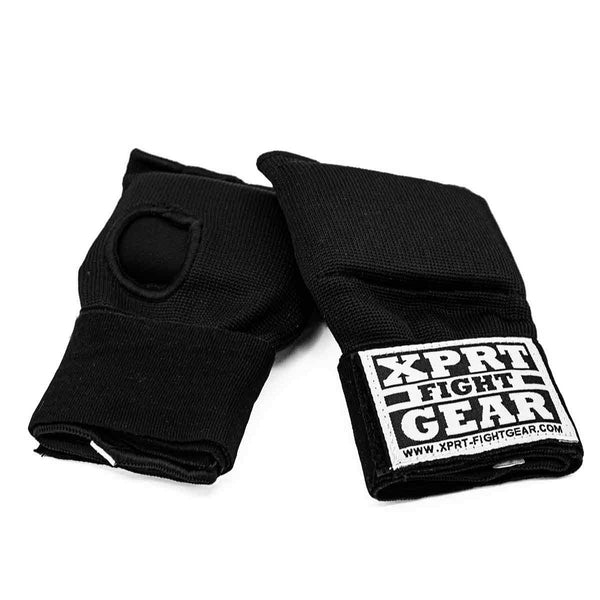
XPRT EZ Padding: pull it on and wrap the wrist strap
The XPRT EZ Padding has padding at the knuckles and a strap that you wrap around the wrist and fasten with hook-and-loop. The black version is described as a polyester-cotton blend with elastic material. The pull-on section determines where the padding sits; you adjust the fit there with the strap around the wrist.
That is a different process from applying a completely separate handwrap. You do not start with an empty hand and then distribute all the fabric yourself. The padded section already has its own shape and position. Therefore, check that this section is positioned correctly before fastening the wrist strap.
Hayabusa Quick Gel: pre-shaped padding and a distinctive fit
The Hayabusa Quick Gel combines gel padding on the knuckles with a polyester-neoprene construction and a hook-and-loop strap. The product description also mentions a rubber layer on the inside for grip. Here too, you first put on the model and then fasten the strap around the wrist.
The relevant comparison with XPRT is not that one brand automatically offers more protection. It is about how the two designs fit your hand and how much space they take up in your boxing glove. Two gel wraps can both feel comfortable outside the boxing glove and still perform differently inside it.
Rival RGW: a gel wrap with a longer integrated handwrap
The Rival RGW makes it clear why you cannot treat all gel wraps alike. This model combines a neoprene inner glove with gel padding and an integrated Mexican-style handwrap. So instead of just a closure around the wrist, you also have handwrap length to distribute.
That makes the RGW interesting if you want to combine a pre-shaped knuckle pad with wrapping. At the same time, it means the product is not only about putting it on as quickly as possible. You still need to apply a handwrap. With a model like this, also compare the length selected, not just the size of the pull-on section.
So the practical choice is broader than “handwraps take time, gel wraps don’t.” A simple pull-on design, a gel wrap with a wrist strap, and a gel wrap with a longer handwrap are three different solutions. That difference may matter more than the brand.
8. How much space is in your boxing glove?
The combination has to fit. Not just the boxing glove on a bare hand and not just the gel wrap without a boxing glove, but both together. Especially with an extra knuckle pad, the available space can suddenly feel different.
A pre-shaped pad takes up volume in a fixed position. With handwraps, you can adjust the distribution of the layers, although you can also place too much fabric in one spot that way. A simple fabric inner glove has yet another construction. None of these three solutions therefore automatically has the same fit under the same glove.
Put on the complete combination and make a fist. Pay attention to pressure on the knuckles, pulling around the fingers, fabric bunching in the palm, and a wrist closure that no longer feels comfortable. You should be able to open and close your hand without first having to work against an annoying fold or an excessively tight layer.
Do not automatically buy heavier boxing gloves to make room for an overly thick gel wrap. An oz indication is not the same as an accurate internal measurement: hand space varies by glove model. First check whether a different wrap size, a less bulky version, or a different handwrap distribution fits the combination better.
9. What should you choose for heavy bag and pad training?
For heavy bag and pad training, I would start with a practical preference: do you want your own wrap around your hand and wrist, or do you want a pull-on model with padding in a fixed position? Then check how that choice works with your boxing gloves.
Handwraps are the obvious choice if you want to determine the distribution yourself. You can apply the same comfortable wrap each time and adjust the length accordingly. A lightly elastic model such as the XPRT Easy Stretch is a specific option; a non-stretch version is an alternative if you prefer to work without stretch.
Gel wraps make sense if you deliberately choose a pre-shaped knuckle pad. Pay attention to the space inside the glove and to the type of strap included. The XPRT EZ Padding and Hayabusa Quick Gel take a different approach from the Rival RGW with its longer integrated handwrap. Choose the version that suits your preferred preparation.
A simple inner glove can be practical when you are looking for a pull-on fabric layer. Just do not automatically expect the same wrapping options as with a long handwrap, or the same padding as with a gel wrap. The clear choice comes from those differences, not from the beginner or advanced label.
Do not use extra padding as a way to keep ignoring pain while punching. If a combination causes pain, numbness, or tingling, stop and loosen it. Recurring pain is not a purchasing issue you solve by continually adding a thicker layer inside the same glove.
10. And what about sparring, group classes, or children?
For sparring, the boxing glove itself remains decisive for its intended use. A gel wrap under a bag glove does not turn that bag glove into a sparring glove. So first choose a glove intended for the training in question, and then compare what fits comfortably underneath it.
The wrap sits on your side of the glove, around your hand. Extra gel padding there is not the same as the outer padding that your training partner comes into contact with. Therefore, do not choose a glove intended for the wrong application just because you wear a padded product underneath it.
For a group class, speed may play a bigger role. If you want to start immediately after work, a pull-on inner glove or gel wrap may simply be more comfortable. That is a perfectly valid practical preference. However, compare the same features as you would for a longer session: fit, padding placement, wrist strap, and room inside the boxing glove.
Fit is also the top priority for children. A pull-on model can be convenient if putting it on independently is important. A shorter handwrap can be useful if it fits the hand and the chosen wrapping method. There is no universal age at which everyone should automatically switch from inner gloves to handwraps.
A pink model is not automatically smaller than a black one, and a child’s hand does not automatically benefit from the shortest available handwrap. Use the sizing information for the specific model and check the complete combination with the glove. Color, age, and gender do not replace that check.
11. Washing, drying, and taking them to your next training session
Handwraps and inner gloves form a layer that can be washed after use. They absorb moisture during training, but do not automatically make the inside of your boxing gloves dry or keep it fresh. Even with wraps, you should air out and dry your gloves after training.
The washing instructions vary by model. The XPRT Basic inner gloves are described as machine-washable. For the Rival RGW, hand washing is specified. Those two examples alone show why “inner gloves can always go in the washing machine” is not useful general advice.
Follow the washing instructions for your model, especially with a design featuring gel padding, neoprene, or different types of material. Fasten the hook-and-loop closure before washing so it does not snag on other fabrics. For machine-washable items, a laundry bag can help keep loose handwraps together and protect the rest of the laundry.
Let everything dry completely before rolling it up or putting it back into a closed sports bag. The time required varies with the construction and the conditions; a thin strip of fabric and a padded pull-on model do not necessarily dry equally quickly. Match your supply of clean pairs to how often you train and wash them, not to a required number of accessories.
When rolling them up, check that the closure still works properly, that the fabric has no troublesome damage, and that a padded model still fits comfortably. You do not need to follow a fixed replacement schedule to notice when a product loses its fit or usability.
12. Which handwraps, inner gloves, or gel wraps are right for you?
Choose handwraps if you want control over the wrapping. You distribute the fabric yourself and can adjust the length, thickness, and stretch to what feels comfortable. The XPRT Easy Stretch and Non Stretch illustrate the difference between working with slight stretch and without stretch. Winning's VL-B and VL-C also offer different material and stretch options.
Choose simple inner gloves if you are mainly looking for a pull-on fabric layer. The XPRT Basic is a clear example. The advantage is simple preparation; the limitation is that you cannot apply your own wrapping route around your hand and wrist. The model's fit therefore has to be right immediately.
Choose gel wraps if you want pre-formed padding at the knuckles. Then look at the closure and the handwrap: an XPRT EZ Padding, Hayabusa Quick Gel, and Rival RGW are not put on in the same way. In particular, the difference between a wrist strap and a longer integrated handwrap deserves attention.
Ultimately, the deciding factor is how they work with your boxing gloves. You should be able to close your hand normally, the fabric should feel comfortable, the padding should sit where you want it, and the closure should fit without pinching. If that does not work, a different size, design, or wrapping method is more useful than sticking with the most expensive brand or the thickest padding.
For those who have already made their choice and now want to learn how to wrap, the separate guide on putting on handwraps is the logical next step. This is about choosing between the constructions. You do not have to choose the most comprehensive solution, but you should choose one that fits comfortably and does what you expect.