Cardio boksen combines boxing techniques with fitness exercises. You punch the air, pads or a punching bag and alternate that with activities such as footwork, jumping rope or bodyweight exercises. The goal is to enjoy moving and improve your fitness, without having to want to fight a boxing match.
That combination is what makes cardio boksen appealing. You're not just repeating a movement: you have to watch, remember a combination and coordinate your hands and feet. That adds variety to the workout and gives you something to focus on.
What is cardio boksen good for? Above all, it's an active workout that combines fitness, coordination and fun. It can also fit into a weight-loss plan and be an enjoyable way to clear your head. How much you get out of it depends on the class, the intensity, your starting point and how regularly you train.
What is cardio boksen?
In cardio boksen, you use boxing movements as part of a fitness workout. Think straight punches, hooks, bringing your hands back to guard, moving sideways and ducking under an imaginary punch. Some classes add kicks; others stick to boxing techniques.
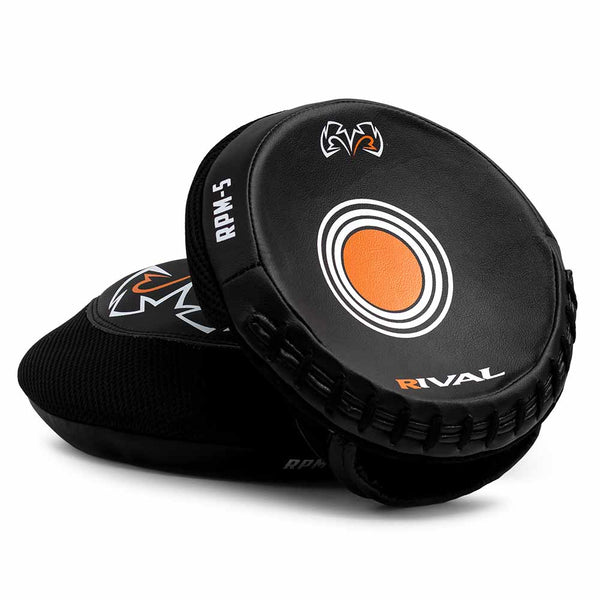
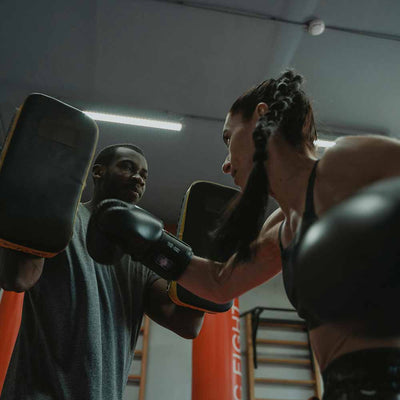
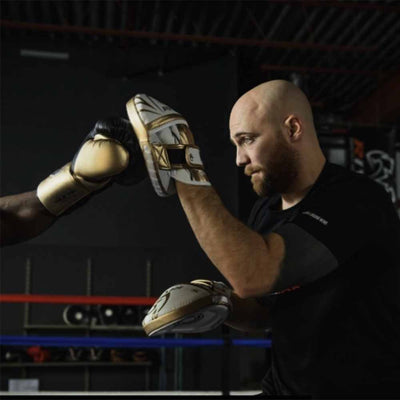
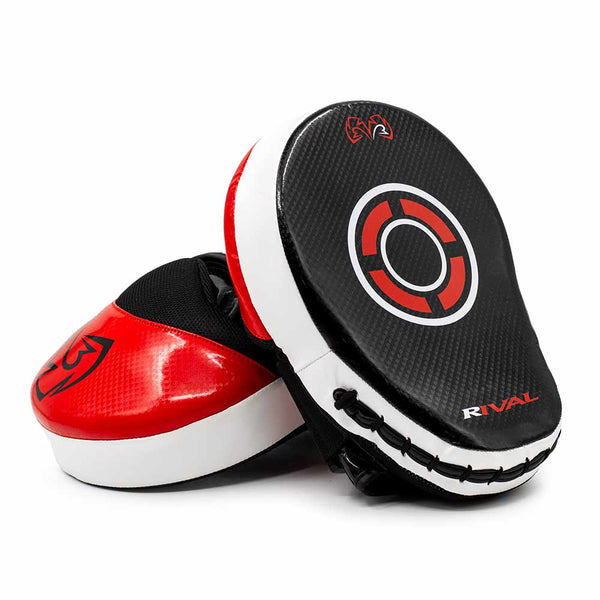
Generally, this is training without sparren or hitting each other. That doesn't rule out partner work. You can practice together on pads, with one person holding them and the other punching. A partner holding a target is different from an opponent trying to hit back.
The name on the schedule doesn't always tell you exactly what the class is like. In one class, you might mainly move to music and punch the air. In another, everyone gets a punching bag, or you alternate pad work with circuit training. So look at what the class involves: that's what determines whether you'll enjoy it.
You don't have to be an experienced boxer to join a beginner's class. It does help, though, if the basic stance, punching technique and use of equipment are clearly explained. Being beginner-friendly doesn't mean technique doesn't matter.
Cardio boksen for your fitness
Put together a combination, move, punch again and then recover briefly: cardio boksen offers plenty of ways to alternate effort and rest. You can pick up the pace without having to go all-out every minute.
For beginners, the challenge may simply be to keep moving and repeat a short combination with good form. Those who have trained longer can work with longer rounds, more footwork or shorter breaks. The same exercise does not have to be equally demanding for everyone.
During a round, pay attention to your posture, balance and rhythm. Bring your hands back after every move and keep to the agreed pattern. Adjust the pace when needed so you can continue performing the movements with good form.
Progress does not have to mean becoming completely exhausted. You might recover more easily between rounds, perform a combination with control for longer, or stay more aware of what you are doing at the same level of effort. Those are also reasons to leave a class feeling satisfied.
The fact that the type of exercise and the pace make a difference is also reflected in VO₂ requirements of boxing exercises by Arseneau, Mekary and Léger from 2011. In this study, oxygen uptake and heart rate, among other things, were measured in nine experienced male amateur boxers during various boxing exercises. During bag training, oxygen demand increased as the prescribed punching pace rose.
This supports an important practical point: ‘boxing’ is not one fixed level of effort. Practicing a technique slowly and doing a fast round on the bag are different tasks. The measurements from these experienced boxers are neither a calorie-burn prediction nor a required pace for beginners.
What does cardio boksen do for your heart and blood vessels?
When you exercise, your working muscles need oxygen, and your circulatory system has to respond. That makes boxing-focused training interesting for your cardiovascular fitness. But the effort you put in during a class is different from the long-term effect of a complete training program.
A 2026 randomized study by Morales-Acuna and colleagues examined this more closely. Twenty-four young adults with elevated blood pressure or early-stage high blood pressure were assigned to boxing training or a control group doing balance and flexibility exercises. The boxing group trained three times a week for six weeks, using bag and pad drills at an individually determined intensity.
The researchers found improvements in blood pressure and several measures of blood vessel function in the boxing group. This is interesting because they did more than ask participants how fit they felt. At the same time, the study involved a small, young, selected group in a closely supervised research setting. The control group also followed its own program much less consistently, making the comparison less robust.
The study offers concrete evidence that carefully structured boxing training may have beneficial effects on measures of cardiovascular health in this group. If you have a diagnosed condition, discuss an appropriate training load with your healthcare provider and only change your medication in consultation with them.
Cardio boksen for weight loss
Cardio boksen burns energy and can therefore be part of a weight-loss plan. But it isn’t a standalone solution that makes diet, daily activity, sleep and recovery unimportant.
One practical strength of cardio boksen is that you may enjoy the variety. If you look forward to the next class, exercise can more easily become a regular part of your week. A workout that burns a lot of energy on paper but that you quit after two sessions won’t get you as far as one you enjoy sticking with.
So don’t start by asking which workout promises the fastest results. Consider what routine you can actually maintain. Combining a class with walking or cycling in daily life may suit you better than immediately planning a hard workout every free evening.
The scale doesn’t have to be your only measure, either. You might notice that you get through a round more easily, follow the exercises with less effort or enjoy moving more, without seeing a big change in your body weight right away.
How many calories do you burn with cardio boksen?
There’s no fixed number of calories burned in every cardio boksen class. Your body weight, the length of the workout, the pace, the rest periods and the exercises all make a difference. A relaxed class with lots of instruction isn’t the same as an intense heavy bag circuit.
Claims like ‘a thousand calories an hour’ are therefore not a realistic expectation for every participant. The same goes for comparisons that always rank boxing above walking, jogging or running without comparing them under the same conditions.
A fitness watch can give you an estimate, but don’t treat it as an exact measure of what you’ve burned. A number on your screen also doesn’t tell you whether you performed the movements correctly or whether the workout suited your level.
My advice: focus on the quality and consistency of your training. Choose a pace that keeps you active while allowing you to perform the exercises with control. The calorie count is, at most, one piece of information, not a target that every good class has to meet.
Does cardio boksen specifically burn belly fat?
An abdominal exercise or a series of punches that involve twisting your torso doesn’t mean you can choose where your body loses fat. Cardio boksen is therefore not a way to target belly fat alone.
That’s different from saying that training can’t change your body composition. Exercise can be part of a broader approach. You just can’t predict the outcome for everyone or attribute it to one type of exercise.
One interesting study is the 2015 pilot study by Cheema and colleagues. Twelve adults with abdominal obesity took part in either intensive boxing training or brisk walking for twelve weeks, with four sessions per week. In the boxing group, the researchers observed improvements in body fat percentage and aerobic fitness, among other things.
That makes boxing training interesting as an exercise program. The results apply to this small group of twelve participants and to training methods that differed in intensity. Use them as research context for the program, not as a prediction of your own fat loss.
Cardio boksen trains more than just your arms
In boxing, the gloves are the most noticeable thing, but your arms do not do all the work. You stand on your feet, shift your weight and use the movement of your torso. Then you need to return to a stance that lets you continue.
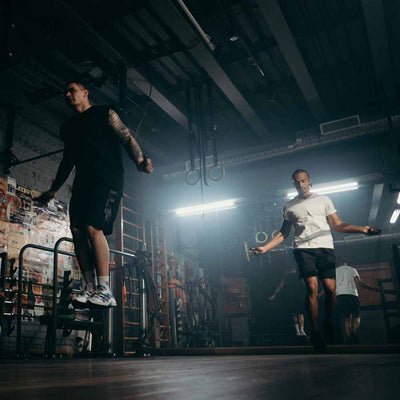
The variety of a fitness class adds to this. Think squats, push-ups, steps or skipping rope. Which parts of the body work harder therefore depends greatly on the exercises chosen.
‘Full-body workout’ is an understandable description of such a varied class. It does not mean that every muscle gets equal attention or that all other forms of training become unnecessary. If you also want to focus on strength, you can choose separate exercises or sessions for that.
During the class itself, it is important to keep everything connected. Footwork, stance and punches go together. Hitting the bag as fast as possible with just your arms misses part of what makes boxing an interesting way to move.
Coordination, rhythm and concentration
A short combination seems simple until you have to move, bring your hands back and watch for the next cue all at once. That is part of the appeal of cardio boksen: your mind and body work on a task together.
Start with a short pattern you understand. For example, a straight punch with your lead hand, a straight punch with your rear hand and then a step back. Only once you can do that does adding another movement make sense.
Choose a combination that demands your attention and that you can continue to execute with good technique. Start with a simple pattern and build on it once your feet, hands and rhythm work well together. That leaves room to move deliberately.
That concentration can also make training enjoyable after a busy day. During a padwork round, you have to focus on the target in front of you rather than the next notification on your phone.
Cardio boksen for stress relief
After a day at work, it can feel great to do something completely different: change clothes, get moving and focus on a specific exercise. For some people, the rhythm of punching and moving is exactly what makes a workout appealing.
You don’t need a match or a hard round of sparren for that. Even without taking hits, you can train hard, practise together and finish feeling satisfied. Not everyone enjoys the same kind of class: some like music and a full group, while others prefer a quieter class with clear instructions.
There is also research on mental well-being. In Boxing as an Intervention in Mental Health, Bozdarov and colleagues reviewed sixteen publications on non-contact boxing. They found promising signs of benefits for mood, stress and confidence, among other things, but stressed that better-designed studies are needed to confirm them.
Cardio boksen can be an enjoyable way to get moving and release tension. The research covers different programmes and groups of participants; individual experiences can vary from person to person and from session to session.
Confidence and focused follow-up training
Learning something you initially found difficult can be satisfying. You remember a combination, feel confident enough to try an exercise or notice that you get through a round more easily. That’s a more concrete basis for confidence than simply being told that boxing ‘makes you strong’.
Keep the purpose of the class clear. Fitness exercises using boxing techniques are not the same as learning to deal with an opponent who makes their own decisions. A pad moves as the holder intends; a punching bag doesn’t try to hit back.
If you want to learn boxing technique as a combat sport as well as improve your fitness, choose a class that develops technique and its application step by step. Practising technique, technical sparren and preparing for competition each have their own purpose. Self-defence requires focused instruction; a cardio boxing class has a different training goal.
Who is cardio boksen for?
Cardio boksen can appeal to beginners and experienced athletes who enjoy an active workout without sparren. You don’t need ambitions to fight to enjoy throwing combinations or working on a punching bag.
‘For everyone’ is only too broad if it means that every type of class suits every body. A class with lots of jumping, quick changes of direction and long punching rounds places different demands on you than a gentle introduction.
Ask beforehand how the class is structured: how much technique is explained, which exercises are repeated, and are there options without jumping? That helps you choose a suitable class without comparing yourself to the most enthusiastic person in the group.
Youth classes follow the provider's age groups and approach. There isn't one universal starting age for every cardio boksen class. If you have health concerns or are unsure what level of exercise you can handle, personal medical advice is more useful than a general promise on a sports website.
What do you need for cardio boksen?
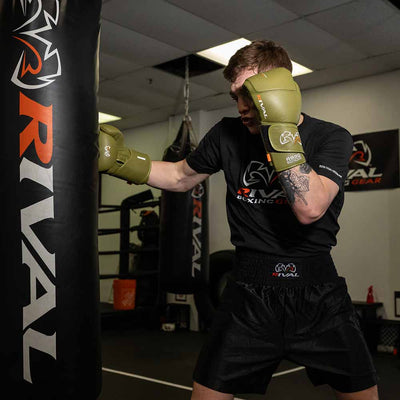
That depends first and foremost on the class. You don't need a punching bag or gloves to throw punches in the air. For punching bag or pad training, those choices do matter. Check what's provided and what you need to bring yourself.
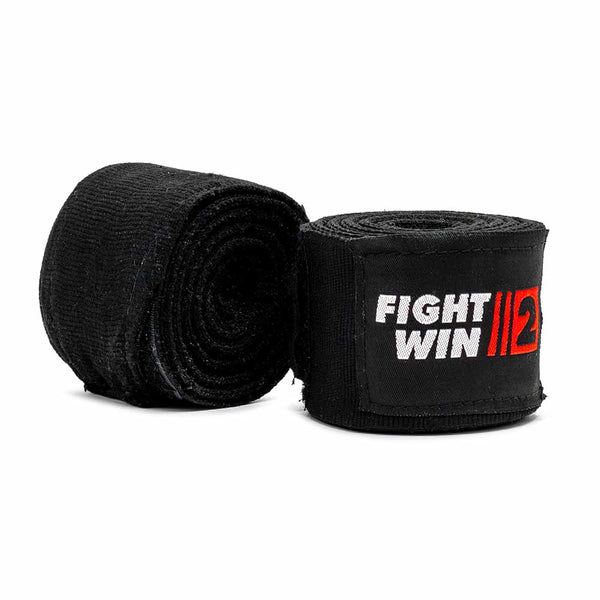
Comfortable sportswear is a good starting point. Choose clothes that let your arms, shoulders and legs move freely. Match the rest of your equipment to the class: for punching bag or pad training, for example, suitable gloves and handwraps come in handy.
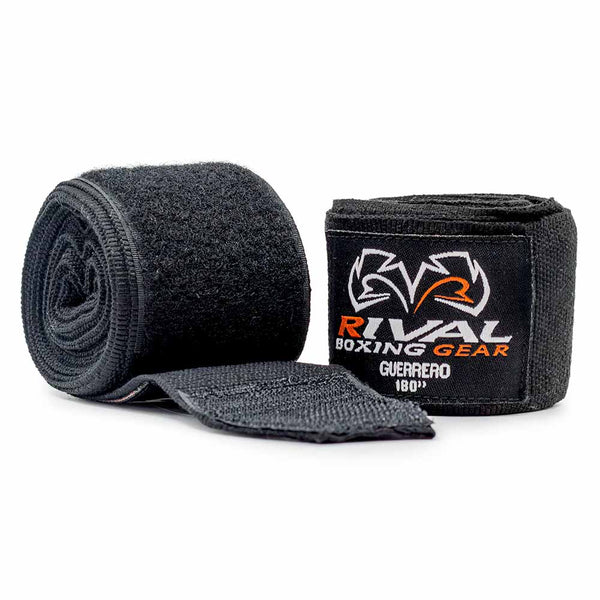
Gloves and handwraps are important to choose carefully when you work on a punching bag or pads. Consider their intended use and how the gloves fit with the handwraps you'll wear. A high ounce rating alone doesn't tell you how much room there is for your hand inside a glove.
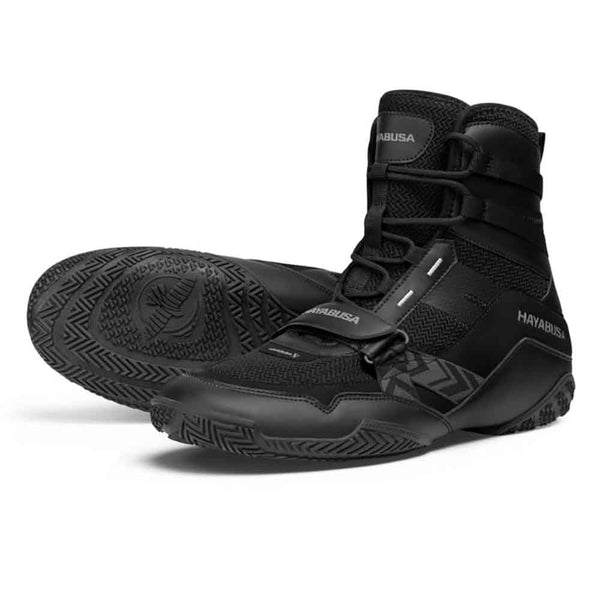
Footwear should suit the floor surface and the class rules. You need to be able to move and turn without slipping or feeling awkwardly stuck. A thick, soft sole isn't automatically the best choice for every boxing exercise.
Also bring a towel and water bottle. If you use equipment provided by the gym, follow its rules for cleaning and putting it away. Having your own gloves can be convenient if you train regularly, but make sure you let them dry afterward.
Boxing gloves or bag gloves?
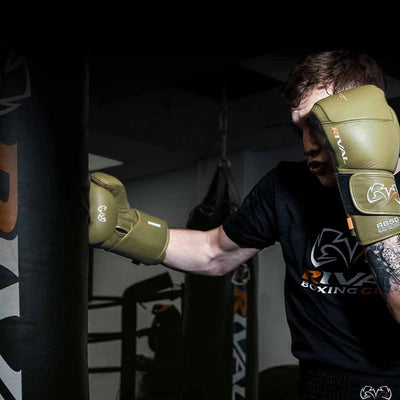
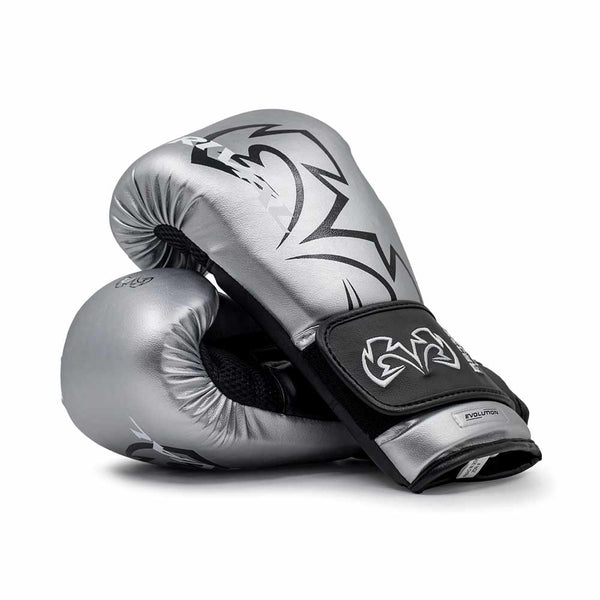
A class using a punching bag calls for equipment designed for that purpose. Depending on the model and how it's used, that could be a training glove or a specific bag glove. Not every glove is suitable for every exercise.
Specific bag gloves are intended for punching bag and pad training, not for sparren. The name cardio boksen doesn't change that distinction. If a class also involves contact with a partner, your choice of equipment needs to suit that exercise.
Don't just compare the weight. Also check the room for your hand, the closure, the shape and whether you can make a comfortable fist while wearing handwraps. A glove that's too roomy won't fit properly just because you tighten the wrist strap more.
If you're mainly unsure which type to choose, start with how you'll use it: punching in the air, punching bag training, pad training or partner contact. That's a better starting point than choosing a colour or brand and then trying to work out what you can use it for.
Cardio boksen at home or in a group class
A group class provides structure: a set time, demonstrated exercises and other people training alongside you. That can help if you tend to put off training at home or aren't sure how to structure a session.
At home, you can choose your own pace and fit in a short session more easily. Shadowboxing requires little equipment, but you do need enough clear space. Move loose items out of the way and check that you won't bump into anything when stepping or turning.
Punching bag training takes more planning. You need a suitable location, space around the bag and an appropriate mount. Also consider noise and vibrations for housemates and neighbours. Hanging a punching bag isn't the same as hanging a decoration from just any ceiling hook.
A freestanding boxing bag is another option, but consider its base, how it is filled, the available floor space and its stability during the type of training you want to do. The most practical equipment isn't just what fits in the room, but what you can actually use there.
An example of a straightforward cardio boxing workout
A workout doesn't need an endless list of exercises. Below is an example routine to help you understand how the parts fit together. It isn't a required plan or a promise that you'll burn a certain number of calories.
- Ease into it. Start by walking or taking light steps, move your arms and shoulders, and gradually pick up the pace. You don't have to start every session by jumping.
- Repeat the basics. Practice your stance and a short combination in the air. Bring your hands back and make sure you can keep moving after each action.
- Do a focused round. Work on the punching bag, pads or without equipment. Choose one focus, such as short combinations followed by a step back, rather than throwing as many punches as possible without a plan.
- Alternate with a fitness exercise. Add steps or controlled squats, for example. Choose a movement you understand and give yourself room to do it properly.
- Repeat at a manageable pace. Alternate between work and rest. Shorten the round or slow down when you can no longer perform the exercise with control.
- Wind down gently. Ease off with some light movement. Think about what went well and choose one thing to focus on next time.
The challenge isn't to make every step harder and harder. First, focus on staying consistent: a clear task, attention to technique, and enough recovery to start the next round with purpose.
You can also see this goal-oriented approach in Boxing Science's approach to conditioning. There, the choice of training method starts with the desired adaptation and the boxer's needs, rather than trying to fit in as many demanding exercises as possible. Their article covers conditioning for competitive boxing, including intensive protocols. For recreational cardio boksen, the main takeaway is the principle: be deliberate about what you want to train instead of copying an elite athlete's program exactly.
How often should you do cardio boksen?
Start with a schedule you can fit into your life and see how well you recover. If you haven't exercised in a long time, there's no need to schedule several intense classes back-to-back right away.
A class where you learn technique at a relaxed pace is also different from an intense heavy bag circuit. Consider what else you do: strength training, running, cycling, a physically demanding job, or other sports classes all add to your weekly workload.
Get comfortable with the workout before increasing its duration, pace, and frequency. That way, you can better tell how each change affects you and still look forward to coming back.
Persistent pain or symptoms that keep getting worse aren't a training goal. Adjust your workout and have persistent symptoms checked. A good class should challenge you, not give you a reason to keep ignoring signals from your body.
When is cardio boksen a good choice for you?
Cardio boksen is especially suited to you if you enjoy varied movement and have fun with combinations, rhythm, and a clear task. You don't have to want to sparren, and you don't have to base your training on a promised target weight.
If you're mainly looking for a fun way to stay active, a fitness-focused group class may be just what you need. If you want to explore technique in more depth, a boxing class with more technical instruction may be a better fit. The two don't have to be mutually exclusive.
The biggest benefit isn't an impressive calorie count, but a workout you enjoy and can keep doing at a level that suits you. Start with a manageable routine, choose the right equipment for the exercise, and build on what you can actually stick with.