Kickboxing

Netherlands

Kickboxing in the Netherlands is more than a series of world titles. The sport grew from Amsterdam gyms and exchanges with Japan and Thailand into schools across the country. Discover the pioneers, the Dutch K-1 generation, the clubs behind famous fighters, and the different ways you can train today.

Kickboxing in the Netherlands
Capital cityAmsterdam Residentsapproximately 18.2 million
Country Netherlands Sport Kickboxing FightBase Gyms … FightBase Fighters …

FightBase / Land and sport

Introduction

Overview

The sport in this country

Kickboxing in the Netherlands has more than one face. In the 1970s, martial artists from Amsterdam brought experiences from Japan and Thailand to their own gyms. Jan Plas built Mejiro, Thom Harinck developed Chakuriki, and Johan Vos later started his own school. Their approaches were not identical, but the exchange between trainers, fighters and international competitions helped create a distinctive Dutch kickboxing culture.

From Amsterdam to international stages. Rob Kaman and Ramon Dekkers made a name for themselves outside the Netherlands before the K-1 generation of Peter Aerts, Ernesto Hoost, Remy Bonjasky and Semmy Schilt emerged. Breda and Arnhem add other stories to Amsterdam’s beginnings. The connections between cities, clubs and generations show why this history does not end with a single gym or champion.

Do you train for yourself or for a fight? Alongside competitive sport, there is room for technique classes, pads, bag training and conditioning without the ambition to compete. Not every group spars, and not every gym offers the same classes. Recreational training is a worthwhile choice; those who want to progress to competitions will have different coaching and rules to contend with.

The right place starts with your goal. A famous fighter or a gym with a long history can be inspiring, but it doesn’t tell you what a class is like for newcomers. Look at level, coaching, accessibility and contact options. Dutch history provides context; you choose where to train at the club today.

History

How the sport developed here

The route via Tokyo. Jan Plas encountered Japanese kickboxing in the 1970s and the school of Kenji Kurosaki in Tokyo’s Mejiro district. Back in Amsterdam, he built up Mejiro Gym. Japanese knowledge found its own continuation in Dutch gyms. In 1978, Mejiro found a home at Lauriergracht, a well-known address in the Jordaan.

Chakuriki was no copy of Mejiro. Thom Harinck had already founded Chakuriki in 1972. He brought together several martial arts and, later, Thai influences in his training. While Mejiro became closely associated with the Japanese tradition, Chakuriki earned its own reputation through physical conditioning and toughness in competition. The rivalry between the schools gave Amsterdam a lively competition scene, though the history cannot be reduced to “technique versus strength.”

1976: a crowd at Jaap Edenhal. On May 31, 1976, an early Dutch kickboxing gala took place in Amsterdam. Plas and Harinck were involved in organizing it. This gave the training sessions at the gym a visible competition platform. Dutch gala culture took shape by bringing fighters, trainers, and audiences together.

Thailand changed the perspective. A Chakuriki team traveled to Thailand in 1978 and encountered the stadium tradition of Muay Thai. The Dutch style did not emerge in isolation: trainers and fighters brought impressions from Japan and Thailand with them and applied them in their own gyms. This exchange raised new questions about technique, pace, and competition preparation.

Vos added a third Amsterdam line. Johan Vos, previously associated with Mejiro, opened Vos Gym in 1978. With fighters such as Ernesto Hoost and Lucia Rijker, that school too became its own chapter in Amsterdam’s martial arts history. Early competitive fighters later became trainers themselves; Lucien Carbin and Fred Royers are other examples of this transfer of knowledge.

Sports landscape

Recreational training and competitive sport side by side

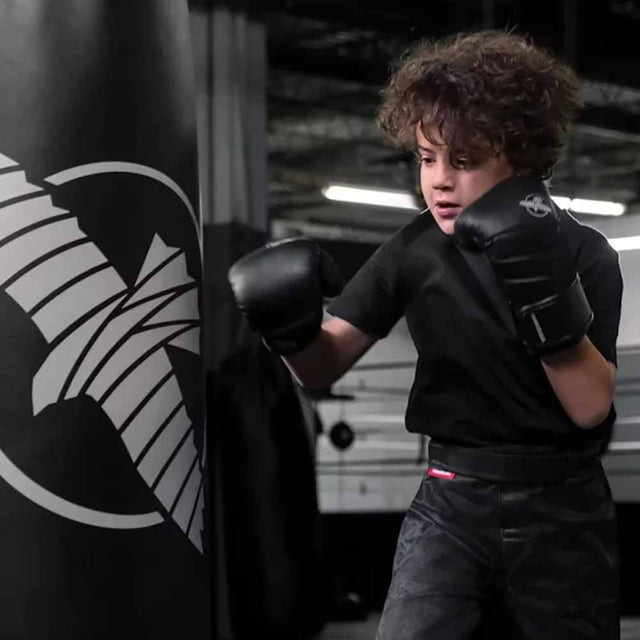
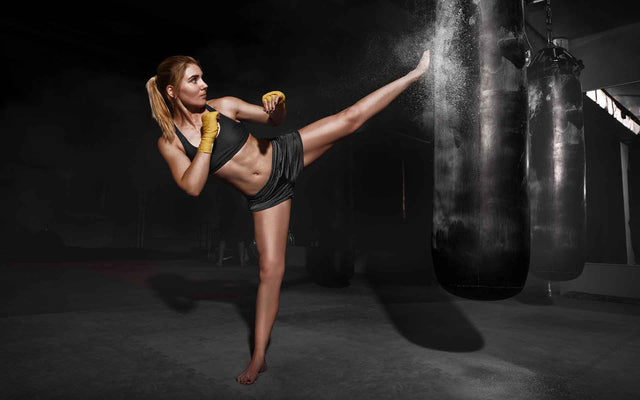
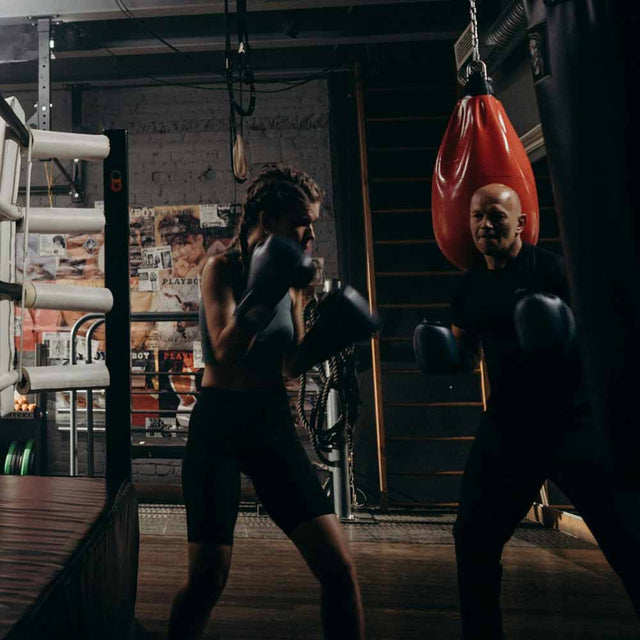
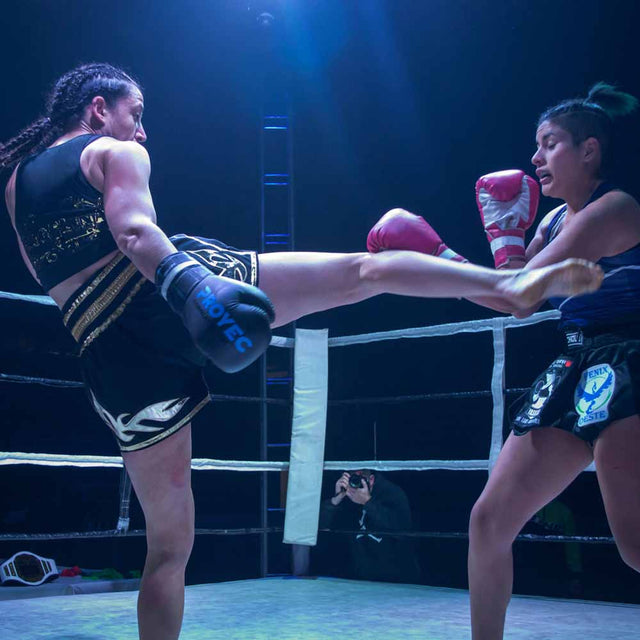
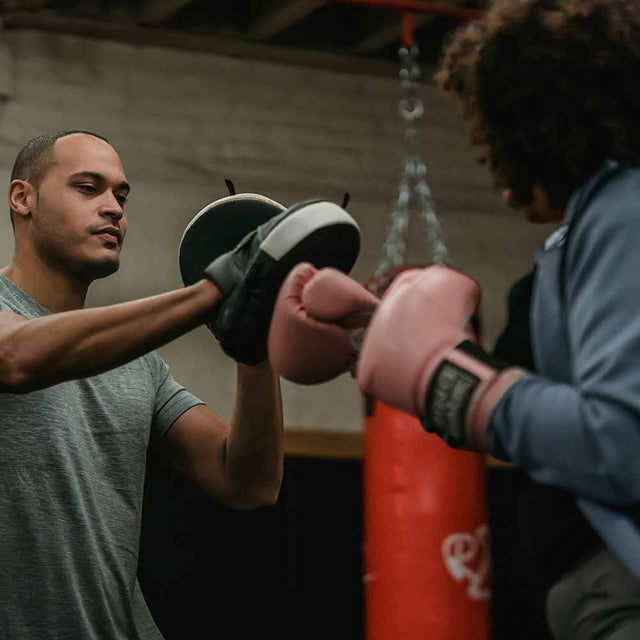
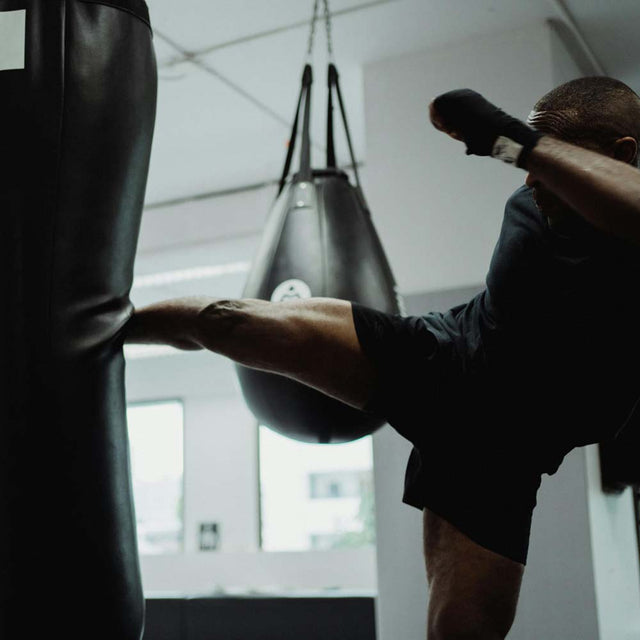
Not every kickboxer wants to step into the ring. Dutch kickboxing thrives in both competition gyms and classes for people mainly looking for technique, fitness, or enjoyment. Heavy bag work, pad training, and partner drills offer different ways to learn the sport. Those who train recreationally don't automatically have to spar or aspire to compete. Check which classes and types of contact each gym actually offers.

From a first visit to a regular training group. An introductory class might focus on stance and simple combinations, while another group does technical partner work or an intensive conditioning session. Some clubs run separate youth classes or groups for different experience levels. Kickboxing isn't just one standard class: coaching, pace, and approach to contact all help determine whether a group is a good fit.

Competition requires different preparation. With guidance, a fighter continues to develop technique, defense, fitness, and controlled sparring. Only then might a bout come into the picture. Rules, protective equipment, and medical requirements depend on the competition and the organizations involved. A gym with champions doesn't necessarily offer every participant the same path.

The atmosphere in the gym matters too. For youth and beginner groups, clear expectations around respect, self-control, and appropriate supervision are as important as technique. Ask how a gym welcomes newcomers, assigns training partners, and ensures boundaries are respected during partner work. You can often get a feel for the everyday atmosphere and teaching style during a trial class.

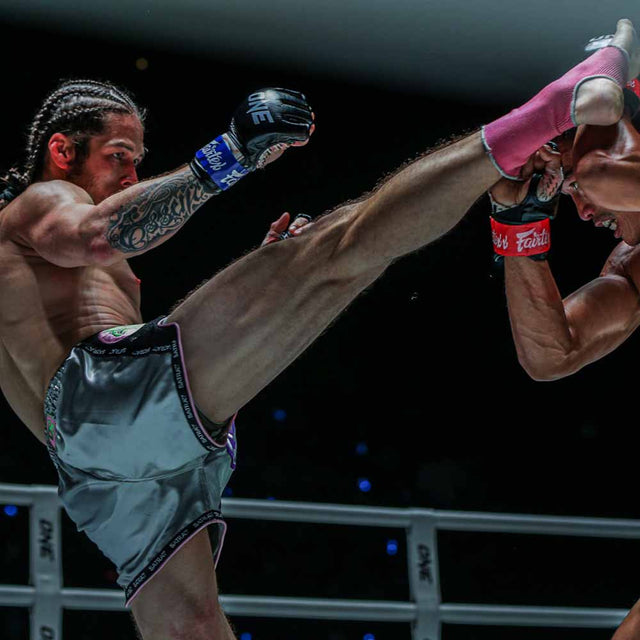
The visible elite is only part of the picture. The Japanese K-1 gave Dutch heavyweights such as Peter Aerts, Ernesto Hoost, Remy Bonjasky, and Semmy Schilt an international platform. Later, Dutch fighters remained in the spotlight, including through GLORY . Alongside them is the everyday club life of beginners, recreational athletes, trainers, and up-and-coming talent. Those worlds are connected, but they're not the same.

Regional distribution

The sport across the country

The beginning in North Holland. Amsterdam is the historic home of Mejiro, Chakuriki, and Vos Gym. Several training lineages emerged from the city and later gained influence beyond the capital. In the wider area, places such as Oostzaan belong to a later generation of gyms; Almere has its own connection to K-1 history through the Bonjasky Academy. This makes the region important without attributing the same style to every club there.

Brabant built its own international story. Breda is associated with Ramon Dekkers and trainer Cor Hemmers, for whom encounters with the Thai competition scene were decisive. Helmond also features in Dutch kickboxing history through Nieky Holzken. These names show that the sport did not spread outward from Amsterdam alone: local training lineages and fighting careers developed in different places.

The central, eastern, and northern regions are more than a footnote. Utrecht and Rotterdam have their own training groups and local stories; Arnhem is associated with Fred Royers and his work as a fighter, trainer, and commentator. Clubs and people are also active in the sport in the north of the Netherlands. The sport's spread across the country is not a map of five fixed fighting styles: look at the actual classes and people involved at each city and gym.

Look nearby, not just at reputation. A famous name tells you something about a school's history, but not necessarily about the group you train with today. Compare accessibility, class times, coaching, experience requirements, and contact level. The kickboxing map becomes useful only when regional stories also help you find a place that's right for you.

Depth

History, clubs, and training in context

Start with your own question. Do you want to learn kickboxing, choose a gym, or understand how Dutch fighters became internationally known? For a trial class, consider class times, skill level, and contact rules. If you want to understand the sport’s history, you can follow the routes from Amsterdam to Breda, Thailand, and Japan .

Look beyond the champion’s name. Rob Kaman, Ramon Dekkers, and the K-1 generation brought together different gyms and trainers. The question is not only who won a title, but also which training environments and international exchanges shaped their careers. One famous name alone never tells the full story of kickboxing’s development in the Netherlands.

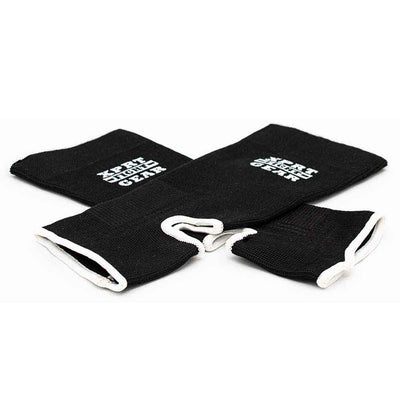
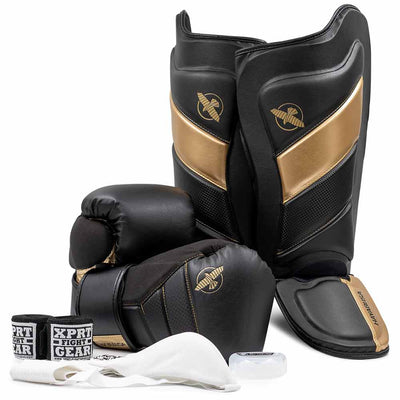
Choose equipment based on how you’ll use it. For your first class, fit and your trainer’s requirements matter more than a champion’s name on the packaging. Bag work, pad work, and sparren place different demands on gloves and protective gear. Discuss contact and safety rules with your club before buying equipment for partner work.

Martial arts facts

K-1 World Grand Prix record
15 out of 19 tournaments won by Dutch competitors
Heavyweight tournaments in Japan K-1 World Grand Prix - Wikipedia Best K-1 fighter - Tapology
K-1 World Grand Prix titles
Ernesto Hoost and Semmy Schilt
4 titles per fighter K-1 World Grand Prix - Wikipedia Semmy Schilt - K-1 heavyweight of the decade Best K-1 fighter - Tapology
Special Muay Thai recognition
Ramon Dekkers
Muay Thai Fighter of the Year in Thailand, 1992 Ramon Dekkers - Muay Thai Ramon Dekkers
Undefeated professional record
Lucia Rijker
36-0 in kickboxing (25 KOs) and 17-0 in professional boxing (14 KOs) Lucia Rijker
Martial Arts Authority
Dutch Combat Sports Authority
Founded in 2017 Dutch Combat Sports Authority - About us
The Muay Thai turning point
Dutch fighters lost a bout in Bangkok in 1978
The defeat led to adjustments in training and competition preparation WMTA - Running and Spinning Dutch Kickboxing - History The epic of Dutch Muay Thai champions
Dutch origins of Glory
It’s Showtime was founded in the Netherlands in 1999 and was an important precursor to Glory
In 2012, the organization was acquired and renamed Glory. GLORY World Series acquires It's Showtime GLORY Sports - The Legal Group
Knockout record in ONE Championship
Regian Eersel
188 landed punches in a single kickboxing fight against Nieky Holzken Dutch power meets UK precision - ONE Championship
K-1 three-peat
Semmy Schilt
Won the K-1 World Grand Prix three times in a row: 2005, 2006, and 2007 Semmy Schilt - K-1 profile Semmy Schilt: Most Powerful Champion in K-1 History
Help improve FightBase Is something wrong?

Send us a correction or addition.