Boxing

Netherlands

Boxing in the Netherlands is at once sports history, club life, fitness training, and competitive sport. Discover the development of the Dutch Boxing Federation, Olympic boxers, professionals, trainers, and boxing schools, from Amsterdam and Rotterdam to The Hague, Eindhoven, Utrecht, and Bemmel. Boxing fitness, Parkinson’s boxing, recreational training, and competitions show that there is more than one path through the sport of boxing.

Boxing in the Netherlands
Capital cityAmsterdam Residentsapproximately 18.2 million
Country Netherlands Sport Boxing Martial artists in the Netherlands Approx. 250,000 FightBase Gyms … FightBase Fighters …

FightBase / Land and sport

Introduction

Overview

The sport in this country

Boxing has more than one purpose. In the Netherlands, you’ll find recreational boxing training, fitness-focused classes, non-contact programs, and organized competition. One athlete wants to move better and learn technique, while another builds fitness or trains for a match. You don’t have to follow every path, and your first boxing class doesn’t mean you’ll ever have to spar or step into the ring.

The sport is shaped locally. Boxing schools differ in class format, atmosphere, target audience, and contact level. The history of clubs such as Boksteam Albert Cuyp, Boxing ’82, and R.B.V. Herman van ’t Hof tells a different story from today’s offerings at Boksclub Bemmel, BBG Boxing, Haagse Directe, Golden Gloves, or a boutique boxing gym. Together, they show the breadth of the Dutch club scene.

From boxing school to national structure. The Dutch Boxing Federation connected local competition to national championships and training programs. At the same time, boxing grew into a sport with recreational classes, fitness boxing, Parkinson’s boxing, youth groups, and Olympic and professional pathways. These are all part of one sport, but they don’t all require the same training or guidance.

A Dutch boxing history with many faces. The Olympic achievements of Bep van Klaveren, Arnold Vanderlyde, and Nouchka Fontijn are well-known milestones. The stories of Chelsey Heijnen, Gradus Kraus, Willy Kyakonye, coaches, clubs, and regional competitions are also part of the picture. From Amsterdam, Rotterdam, and The Hague to Leeuwarden, Utrecht, Eindhoven, and Bemmel, Dutch boxing is made up of many local stories alongside the well-known names.

History

How the sport developed here

The first boxing schools. The earliest history of boxing in the Netherlands is associated with Henry J.J. Placke. He taught boxing in Amsterdam in 1896 and continued in Rotterdam around 1901. Sam Kingsley is also part of the stories about the first generation of Dutch boxers and teachers. The sport did not immediately develop into a nationwide competition structure, but began with lessons, venues and local initiatives.

A federation for rules and competitions. When boxing matches were not being organised in the same way everywhere, P.M.C. Toepoel worked to establish a national federation. The Dutch Boxing Federation was founded in 1911. In 1913, the first Dutch championships under the federation’s auspices took place at the Hague Zoo Hall. This gave local boxers a shared national competition.

Boxing during the First World War. One story about the sport’s growth concerns the English servicemen interned in the Netherlands during the war, who boxed in their camps. According to historical accounts, demonstrations by Rotterdam boxers at barracks and forts introduced boxing to a wider audience. This period forms part of the sport’s history, alongside the development of clubs, federations and competitions.

Rivalry and big nights. Dutch boxing history is about more than federations and championships; it also includes bouts that remain in the memory of a city and a generation. The rivalry between Rudi Koopmans and Alex Blanchard grew into major European title fights. The Rumble of Rotterdam in 1982 at Ahoy is a well-known example of how boxing also found a place as a spectator event.

A history that continues. The sport changed along with society: from local boxing schools and amateur bouts to women’s boxing, recreational classes, Boxfit and professional fight nights. This development has not followed a straight line. Longstanding clubs, new forms of training and achievements on the Olympic stage exist side by side.

Sports landscape

Recreational training and competitive sport side by side

A sport with different pathways. Dutch boxing ranges from recreational classes and fitness training to amateur competitions, Olympic-level elite sport, and professional boxing. These pathways exist side by side, but they are not the same. You don't have to become a competitive boxer if you box for technique, exercise, or enjoyment; competitive athletes follow a focused development program with their club and coach.

The sport for everyone. Boxing fitness brings boxing technique, punching bags, and pads together in a conditioning-focused workout. Parkinson's boxing uses boxing exercises in a non-contact format. Youth training and recreational classes also show how boxing can support exercise, coordination, self-confidence, and structure, alongside the sporting ambition of competing in boxing.

Amateur, Olympic, and professional. The Dutch Boxing Federation organizes amateur and Olympic competition nationwide and offers training courses for instructors and coach-trainers. Professional boxing also has promoters and organizers who put together bouts and galas. A professional record, an amateur record, and Olympic participation describe different pathways and should not be lumped together.

Boxing in a broader martial arts culture. Kickboxing and MMA have their own audiences and sporting histories in the Netherlands. At the same time, kickboxers and MMA fighters regularly work on boxing technique, hand combinations, footwork, and head movement. This exchange doesn't make boxing the same as the other disciplines: the rules, competition formats, and technical goals are different.

Elite sport and its role in society. The national team and the preparations of Olympic boxers are linked to the elite sports structure centered around Papendal. At the same time, classes are available for recreationalists, women, young people, and athletes who want to train without contact. Corporate and charity galas bring a different audience to boxing. The modern landscape is therefore not just a list of champions, but also a collection of clubs and training formats.

Regional distribution

The sport across the country

The northern Netherlands. Leeuwarden and Friesland are part of the northern boxing scene. B.A.V. Frisia is an example of a club in Leeuwarden; Donny Westerdiep is a name from Groningen’s boxing scene. Around Amsterdam, there are also clubs such as ABOV and Boksteam Albert Cuyp, with their own traditions and club stories.

The central Netherlands. Utrecht, Gelderland and the area around Arnhem bring together a range of training environments. Boksschool Teus de Kruyf is an example from Utrecht; Boksclub Bemmel shows how the sport is enjoyed recreationally outside the big cities. Papendal is associated with elite sport nationwide and the preparation of Olympic boxers.

The southern Netherlands. Rotterdam and The Hague are historic boxing cities. Eindhoven and North Brabant are also part of the regional competition scene, with Golden Gloves and the Eindhoven Box Cup among the best-known names. Clubs such as Boxing ’82, R.B.V. Herman van ’t Hof, Haagse Directe and BBG Boxing each give the southern cities their own character.

Regional training and competitions. Clubs and regional tournaments give boxers the chance to train close to home and gain competition experience. The federation’s geographic divisions and competition structure may change; the lasting foundation is the network of local clubs, trainers and athletes throughout the Netherlands.

Depth

History, clubs, and training in context

Start with your own goal. Do you want to get fitter, learn boxing technique, train in a group, take a non-contact class, or prepare for competitions? Those goals don't automatically lead to the same kind of training. A clear goal makes it easier to choose a boxing gym and class format that suits you.

Ask about skill level and contact. Find out whether there's a beginners' group, how partner drills are structured, and whether sparren is part of the class. Also ask about age groups, coaching, and experience with recreationalists. Clubs can be very different, even when they both offer boxing.

Compare the club and coach. Pay attention to the trainer's explanations, the structure of a class, the focus on technique, and how safety is discussed. If you're looking for Boxing Fitness, Parkinson's boxing, youth training, or competitive boxing, check whether the club offers that specific format.

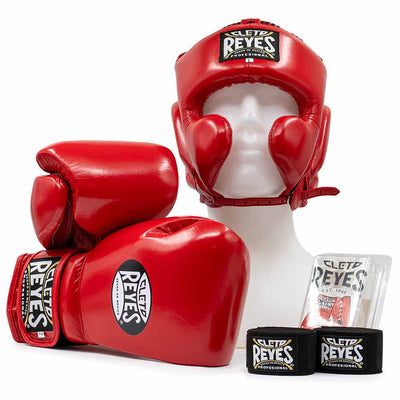
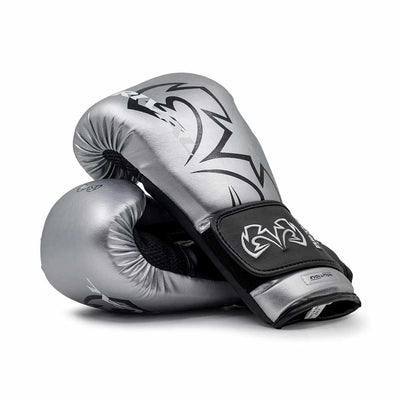
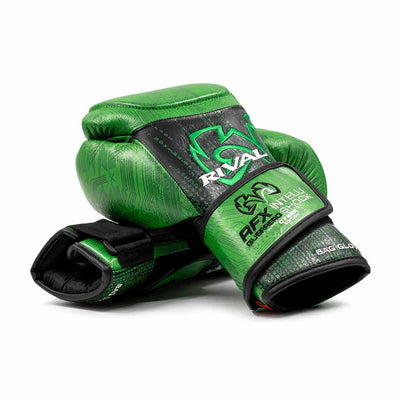
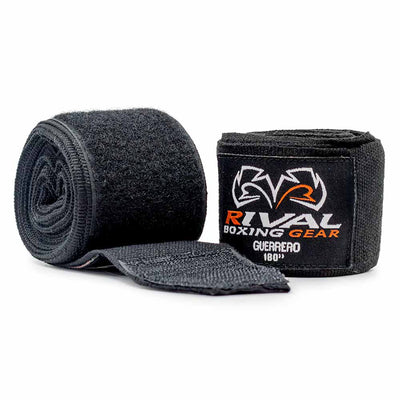
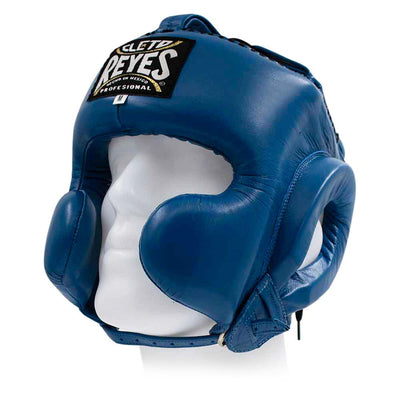
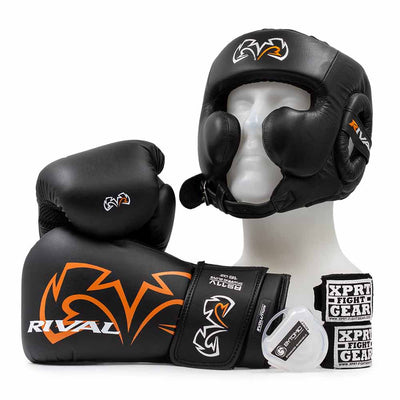
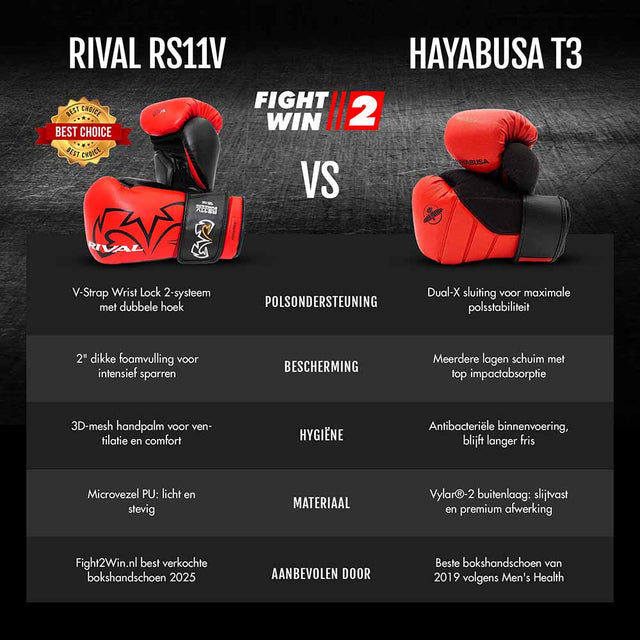
Choose equipment with expert advice. First ask what you need for a trial class. Gloves and handwraps are familiar essentials, but the right choice depends on the exercise and level of contact. Sparren and competitions may require extra protection and specific rules.

Boxing isn't a single route to the ring. You can train to get stronger and more skilled, become part of a club, compete, or pursue elite sport in the long term. The careers of Bep van Klaveren, Arnold Vanderlyde, Nouchka Fontijn, Chelsey Heijnen, and other Dutch boxers show what competitive sport can offer; recreational training has its own value too.

Martial arts facts

Henry Placke and the early history of boxing in the Netherlands
In 1896, Henry J.J. Placke returned to the Netherlands, to Amsterdam. Around 1901, he continued teaching boxing in Rotterdam.
History of boxing
Start of the Dutch Boxing Federation
According to the history of the Dutch Boxing Association, P.M.C. Toepoel took the initiative to establish the association on February 8, 1911.
History of boxing
First official Dutch championships
The first Dutch championships under the auspices of the Dutch Boxing Association took place in 1913 at the Hague Zoo Hall.
History of boxing
Olympic gold for Bep van Klaveren
Bep van Klaveren won Olympic gold at the 1928 Games in Amsterdam.
Olympic Games, Amsterdam 1928 Dutch Boxing Association Honors
Olympic medals for Arnold Vanderlyde
Arnold Vanderlyde won Olympic bronze in 1984, 1988, and 1992.
Los Angeles 1984 · Seoul 1988 · Barcelona 1992 Dutch Boxing Association Honors
Olympic medals for Nouchka Fontijn
Nouchka Fontijn won silver at the 2016 Rio Olympics and bronze in Tokyo 2021.
Silver, Rio de Janeiro 2016 · Bronze, Tokyo 2021 Dutch Boxing Association Honors
Help improve FightBase Is something wrong?

Send us a correction or addition.